
ArchDaily is proud to announce the winners of the 2026 Next Practices Awards, recognizing 20 emerging and forward-thinking practices expanding the possibilities of architecture today.




ArchDaily is proud to announce the winners of the 2026 Next Practices Awards, recognizing 20 emerging and forward-thinking practices expanding the possibilities of architecture today.

Across different climates and building cultures, many contemporary projects are working with local ways of building in new ways. Earth walls, bamboo structures, shaded thresholds, and collective construction processes are being reconsidered not as references, but as tools for the conditions architecture is facing now and will continue to face.
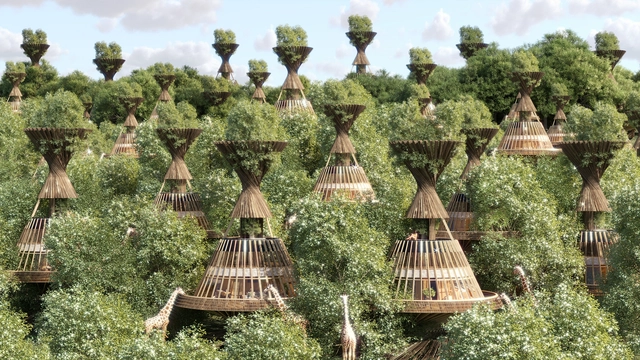
The history of architects designing resorts is intertwined with the development of the hospitality industry and the concept of leisure travel. The origins can be traced back to ancient times when the Romans built luxurious villas and bathhouses as retreats for the wealthy. However, the modern notion of resorts emerged during the 19th century with industrialization and the growing middle class seeking recreational experiences.
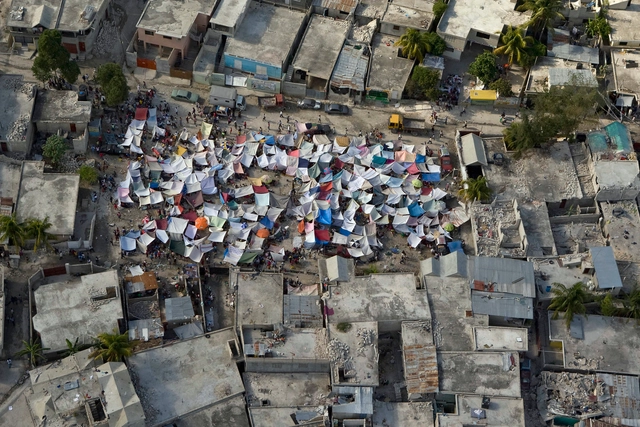
Haiti is suffering the consequences of a magnitude-7.2 earthquake that worsen a national crisis. News agencies have published photographs of collapsed buildings in Port-au-Prince recalling the destruction due to the 2010 earthquake.
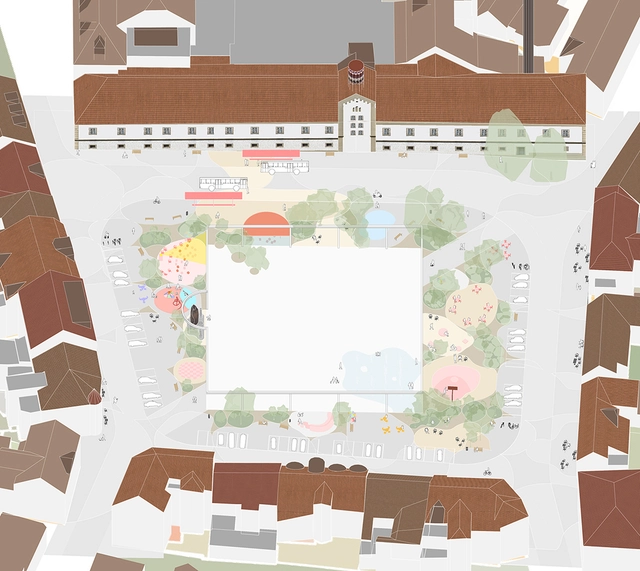
Recognizing the importance of international contests in pushing forward inventive concepts and design, ArchDaily has put together a curated selection of Best Unbuilt Architecture featuring competition entries from around the globe. Submitted by our readers, these projects include winning proposals, honorable mentions, and recognized admissions.

The architecture of diplomacy balances security and openness. As symbols of protection and representation, embassies are built for utility in both urban and rural contexts alike. At their core, they are also made to communicate the values and ideals of nations as welcoming structures and sustainable civic spaces. Today, modern embassy projects are made to meet rigorous security standards while embracing local culture and conditions.
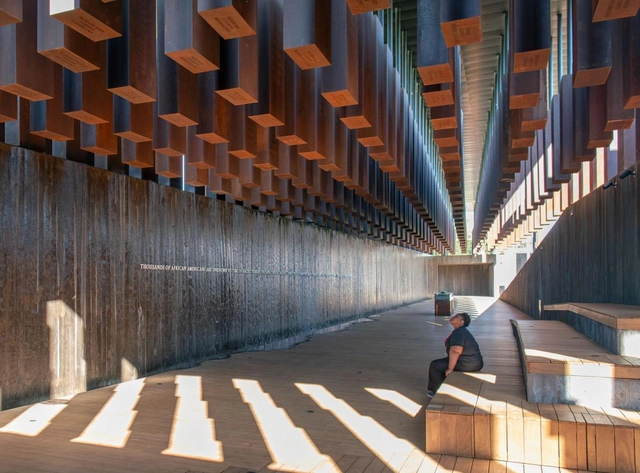
Architecture shapes how we live and come together. Amidst a pandemic and protests around the world, architects and designers are speaking out to condemn injustice and build space for empathy and understanding. In listening, they are looking to how we live together, and in turn, how we can create a more equitable and just world.

Addressing contextual severe healthcare problems, like the outbreak of infectious diseases or maternal mortality, MASS has helped in setting design strategies to mitigate and reduce critical medical concerns. With some projects operational, and others in the pipeline, the facilities imagined, tackle a wide range of complications.
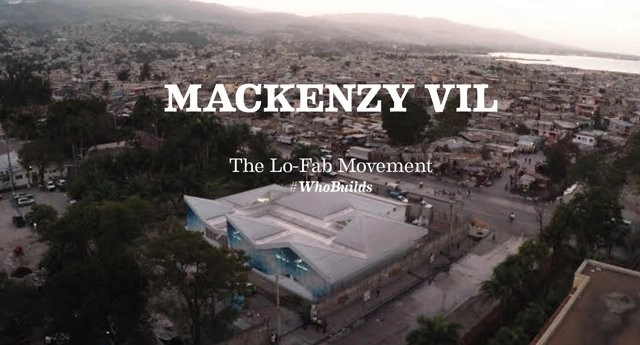
"If I get a contract, so does the entire neighborhood."
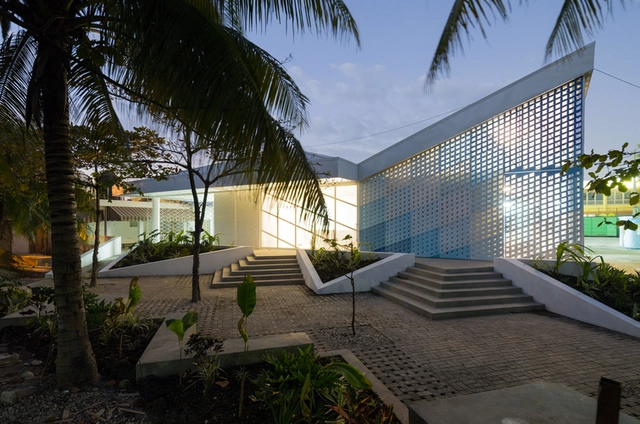
“Architecture and health are inseparable,” says Haitian doctor and founder of Gheskio in Michael Kimmelman’s latest New York Times piece In Haiti, Battling Disease With Open-Air Clinics. Recounting the devastating images of medical dysfunction that have circulated the internet since the Ebola epidemic, Kimmelman presents MASS Design Group’s nearly complete Port-au-Prince health clinics as a potential model for healthcare architecture worldwide. Combating cholera and tuberculosis with a modest, practical layout and open-air design, the new clinics will serve one of the city’s largest slums. Learn why Kimmelman declares them “handsome” and believes they will help eradicate disease in Haiti, here.