


-
Architects: Schneider + Schumacher
- Area: 240 m²
- Year: 2009
-
Manufacturers: EGGER
-
Professionals: rpb ingenieure GmbH, B+G Ingenieure Bollinger + Grohmann GmbH



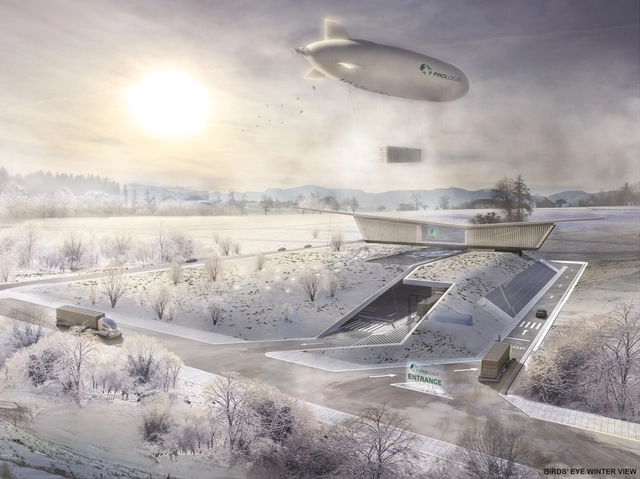
OFFICETWENTYFIVEARCHITECTS (O25) has won second prize the Prologis' 2030 Design competition, which challenged participating firms from seven European countries to redefine what logistics buildings may look like in the future.
O25's proposal utilizes a site similar to characteristic distribution sites, under the assumption that future demands will be closely aligned with current one. With this mentality, the design utilizes a greenfield site within close proximity to major transportation systems, but is not directly in the heart of the urban environment. Due to its semi-rural locality, the goal of the design was to create a functional and efficient distribution system that would not compete with, but rather complement, its surroundings, so unsightly features (storage areas) are located underground. Additional nods to the landscape are made by the integration of green space atop the loading bays.
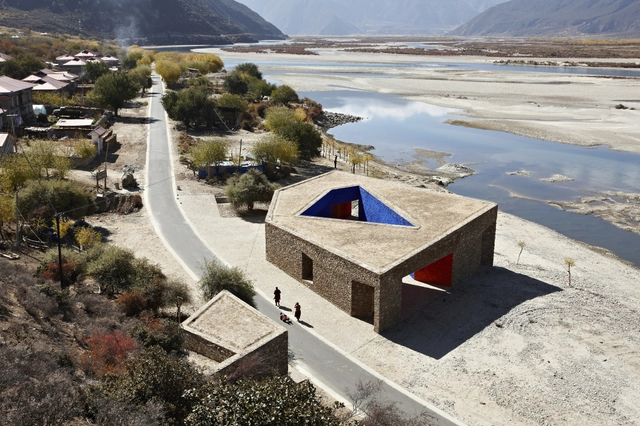
Berlin's Aedes Architecture Forum will mark the beginning of its 35th Anniversary Program by continuing its focus on Asia and China. With the architect Zhang KeofZAO/standardarchitecture from Beijing, Aedes presents one of the most promising protagonists of a young group of Chinese architects and urban planners with the exhibition 营造 Contemplating Basics. This follows on from the 2001 exhibition TU-MU, in which Aedes presented for the first time, and with global success, the first generation of independent architects in China. At that time, the architects and artists introduced in the exhibition - Yung Ho Chang, Liu Jiarkun, Ai Wei Wei, Wang Shu, Lu Wenyu - were fully unknown in the West, while some have since gone on to become Pritzker Prize winners or internationally renowned artists.
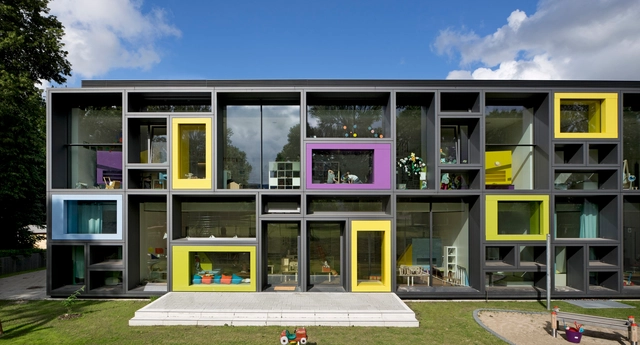
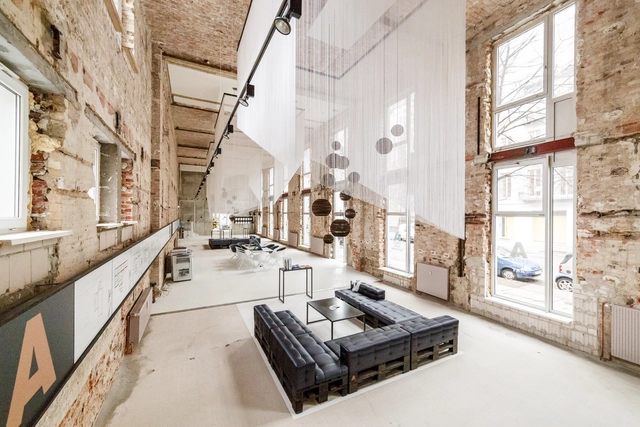
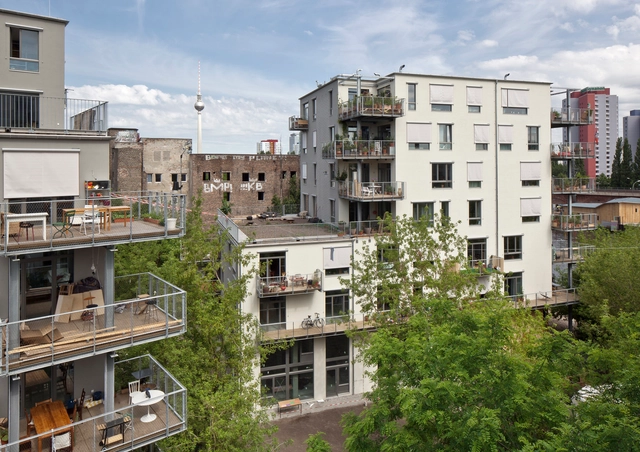
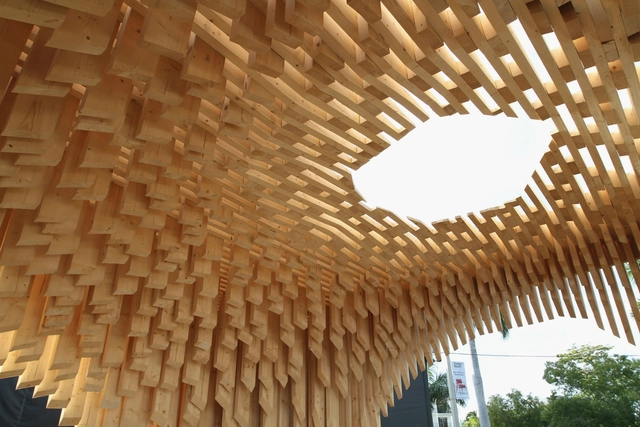
Starting January 29th, Munich's Haus der Kunst will host "Form, Heft, Material," a major retrospective of the work of British architect David Adjaye. Co-curated by Okwui Enwezor and Zoe Ryan, the exhibition's broad catalogue reflects Adjaye's diverse career and portfolio, including architectural projects alongside material experiments, research, and furniture design. Through sketches, models, prints, drawings, 1:1 building fragments, film, and text, "Form, Heft, Material" foregrounds Adjaye's work against the rich geographical and social context that frames his design approach.
_Haus-Rucker-Co__Gerald_Zugmann.jpg?1419952561&format=webp&width=640&height=580)
When fears regarding environmental pollution and potential catastrophe were at a high in the 1970s, Haus-Rucker-Co set out to develop a “new concept of architecture.” Based in Vienna, the group was known for their interactive exhibitions and their development of utopian architectural ideas, which showed how people could affect their own environment. Now, their work between 1967 and 1977 is the theme of “Architectural Utopia Reloaded,” the latest exhibition on display at the Haus am Waldsee in Berlin.

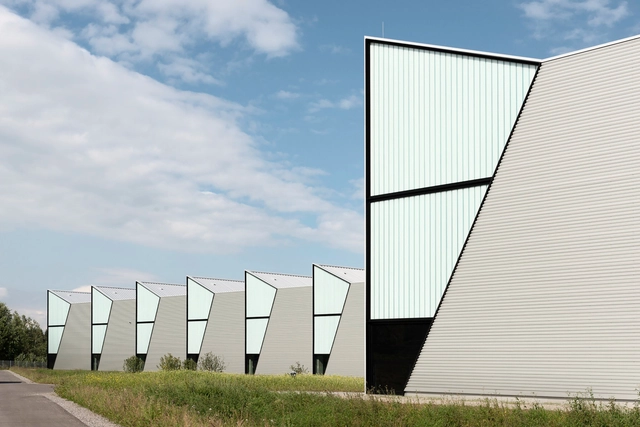
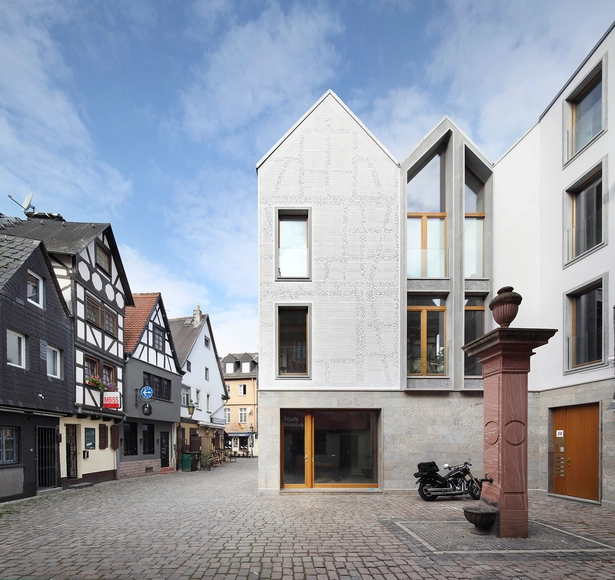
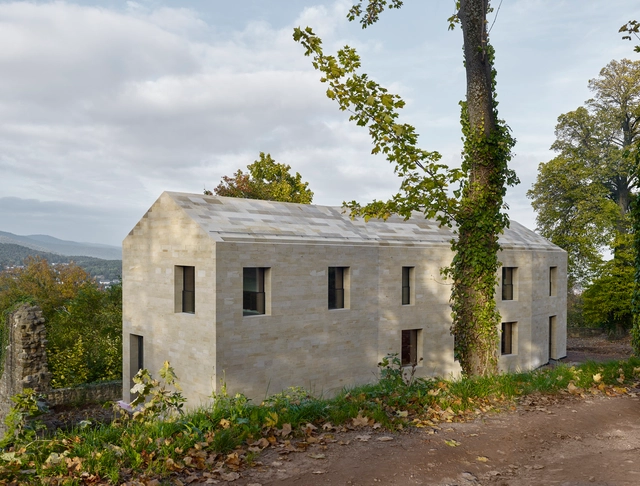
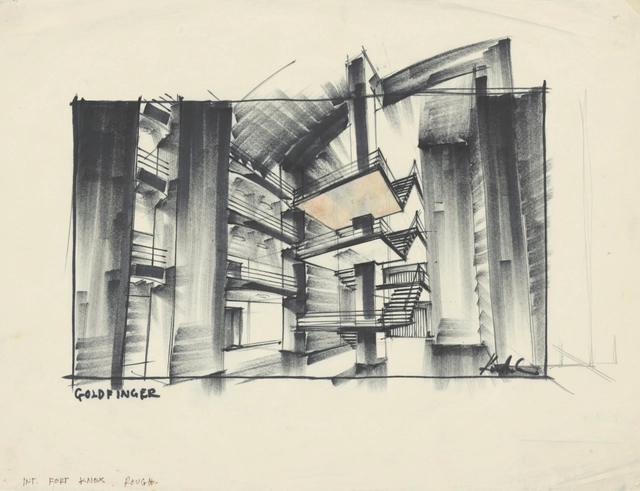
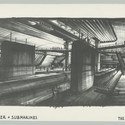
Although his name may not appear in most architectural history books, Sir Kenneth Hugo Adam has influenced architecture for over fifty years. Better known as Ken Adam, he has been responsible for the production design of over 70 films in his career, most notably for his work on the James Bond franchise. The architect of Fort Knox in Goldfinger, the Zero Gravity Satellite in Moonraker, and Super-Tanker Liparus in The Spy Who Loved Me, Adam has shaped architectural design in film since the 1940s.
Adam is the recipient of two British Film Academy Awards, including one for Dr. Strangelove, and in 2003 became the first film production designer to receive a knighthood. He has been at the helm of some of the world's most well-known and influential films – from Chitty Chitty Bang Bang to Crimes of the Heart – and his drawings are now on display for the first time. In 2012, Sir Adam donated his entire body of work to the Deutsche Kinemathek in his home city of Berlin, where the first retrospective of his work is now on display, entitled 'Bigger Than Life: Ken Adam's Film Design.'
Find out more about Adam's vast body of work after the break