

-
Architects: Taller Síntesis
- Area: 1600 m²
- Year: 2023
-
Manufacturers: AutoDesk, Chaos Group, Adobe Systems Incorporated, Trimble Navigation


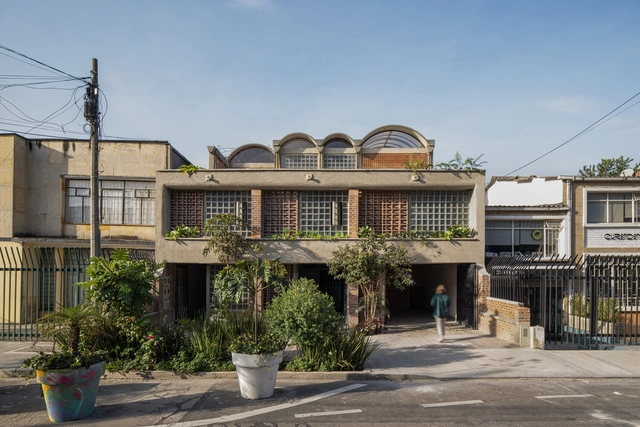
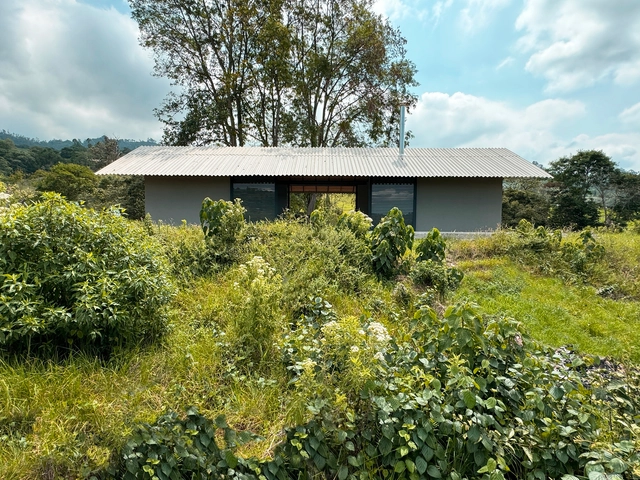
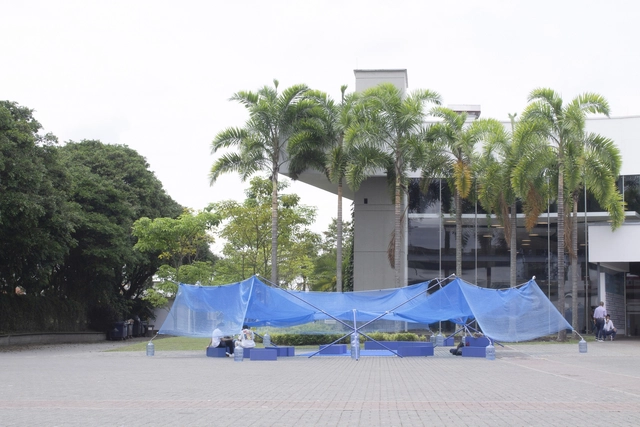
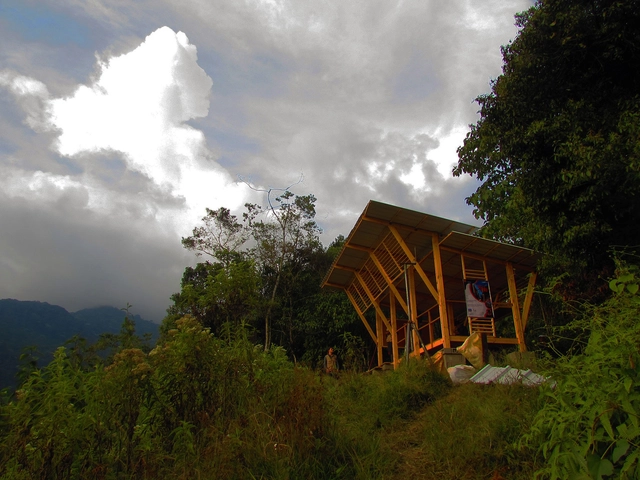
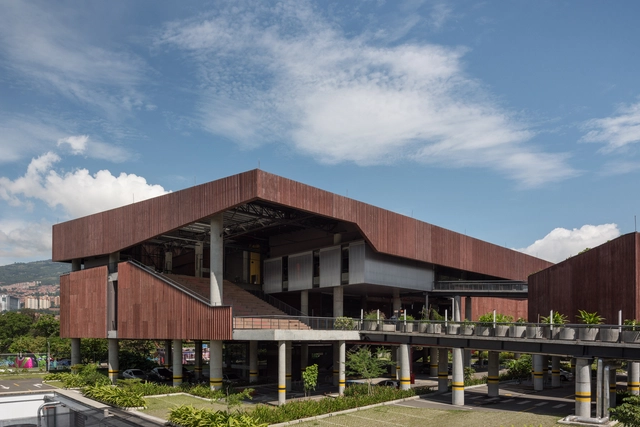
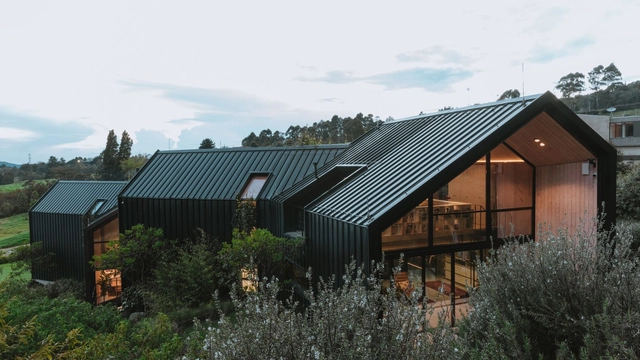

In the western part of Bogotá, between Calle 80 and the Juan Amarillo Wetland, lies one of the most interesting urban and architectural projects in the history of Colombia: the Ciudadela Colsubsidio. Created in 1983 as a response to Law 21 of 1982, which required social security organizations to provide housing for their members. Colsubsidio, the project manager, hired Germán Samper to tackle a 130-hectare plot located between two well-established neighborhoods (Santa Bárbara and Bolivia). The challenge was to connect these neighborhoods while creating a citadel that would consolidate various essential services for a population that, due to its geographical location, was distant from the center of Bogotá.
The challenge Samper faced was to develop a clear urban structure that would articulate the existing neighborhoods along the east-west axis and, along the north-south axis, connect the Juan Amarillo Wetland with Calle 80, the main road that would serve the entire neighborhood. From the initial design, it was evident that the architect was concerned with creating and developing a spatial experience for the residents, where the neighborhood itself would be the manager of spaces that directly integrate daily life with architecture, responsible for defining the spatial boundaries they aimed to create.
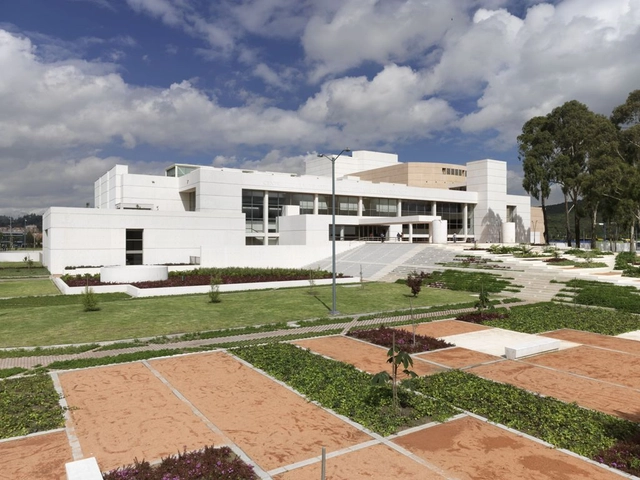
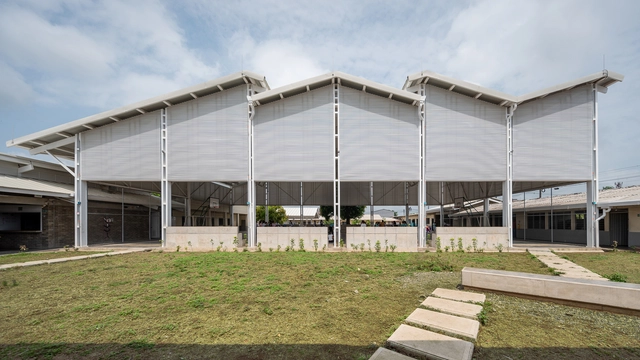
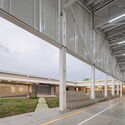
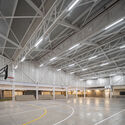
The intervention project includes the design of the Julio Mario Santo Domingo Cultural Center and Public Library, as well as the 6-hectare San José de Bavaria recreational park. With its completion, a new recreational and cultural hub was established for the Suba area and the city.