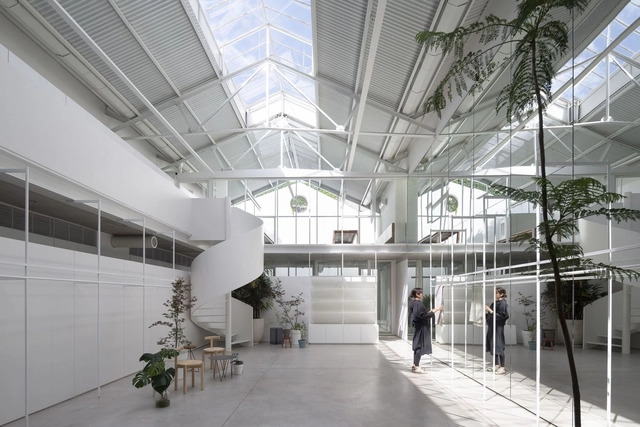
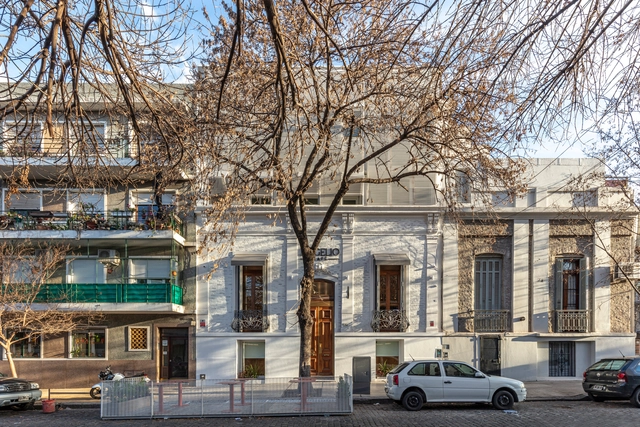
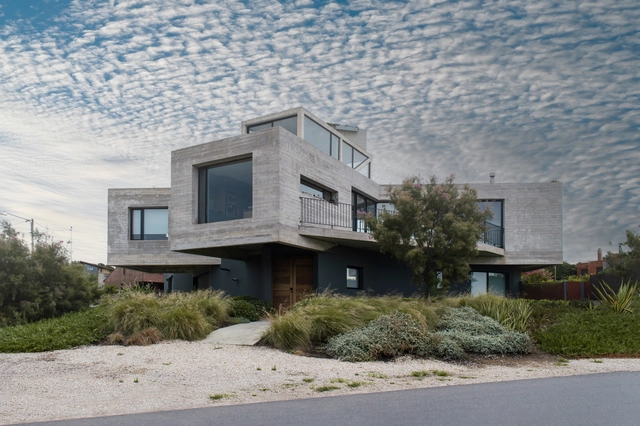
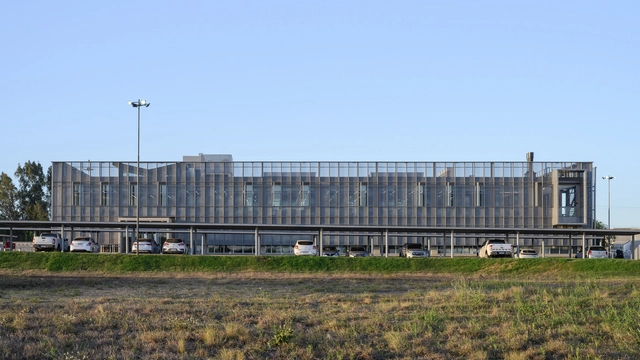
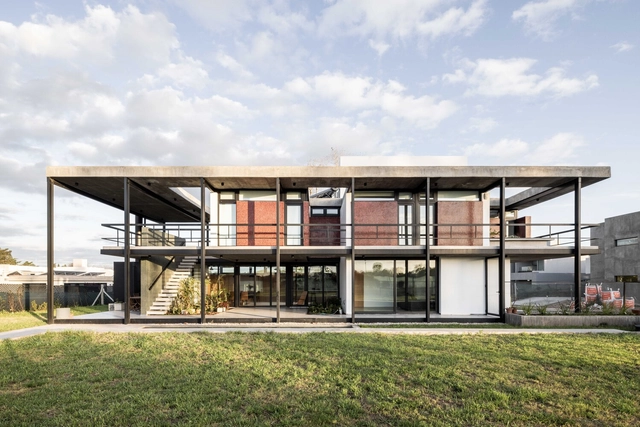
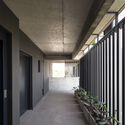
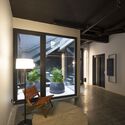
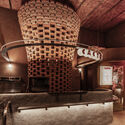
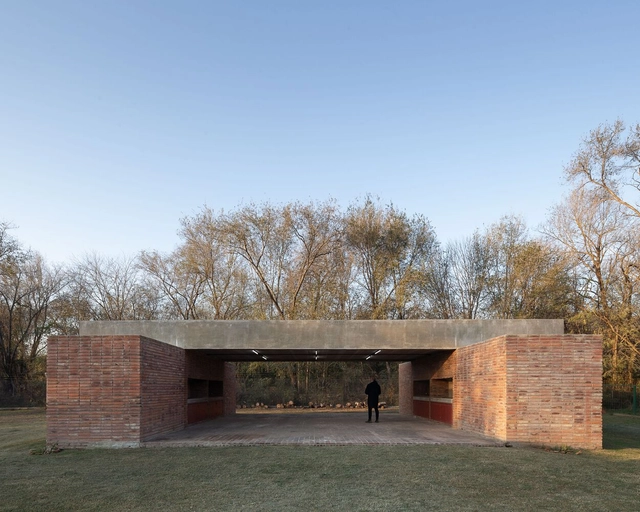
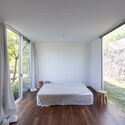
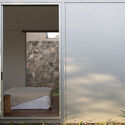
From 1987 to 1993, architect Pablo Tomás Beitía set out to transform the former housing complex and rental houses of Argentine artist Alejandro Xul Solar into a museum. The goal was to create a new space that would adapt to exhibition requirements and engage in avant-garde dialogue with the pre-existing structure. Situated in the Palermo neighborhood within the Autonomous City of Buenos Aires, the Xul Solar Museum was designed to serve as a space for cultural encounters. The remodeling and expansion project was conceived by interpreting the artist's pictorial worldview, maintaining the facade intact, and embracing the painter's house with a new interior architecture.
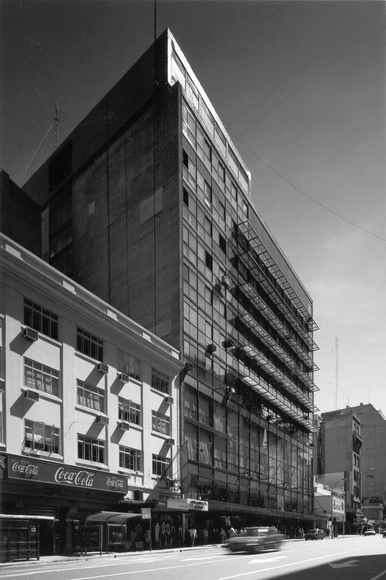
On Avenida Corrientes, the Teatro Municipal General San Martín (TGSM) rises between party walls in the heart of downtown Buenos Aires. Designed by Mario Roberto Álvarez and Macedonio Oscar Ruiz in 1954, this building comes to address an artistic and cultural issue common to the large cities of America. It stands as one of Argentina's most important theaters, providing spaces for theatrical and cinematic performances as well as art exhibitions. Spanning 30,000 square meters, it constitutes a theater complex alongside the General San Martín Cultural Center, operating independently.
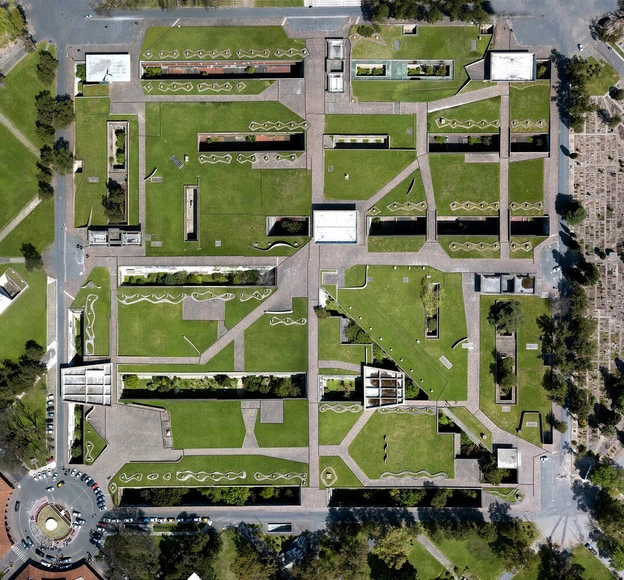
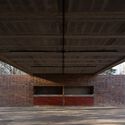
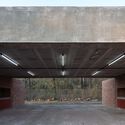
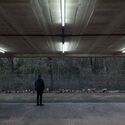
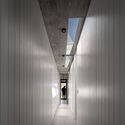
Until recently, the Sixth Pantheon of Chacarita was an icon of Argentine modern architecture that went unnoticed. Located in the heart of the city of Buenos Aires, this pantheon represents one of the first and one of the largest experiments in modern funerary architecture of such magnitude in the world.
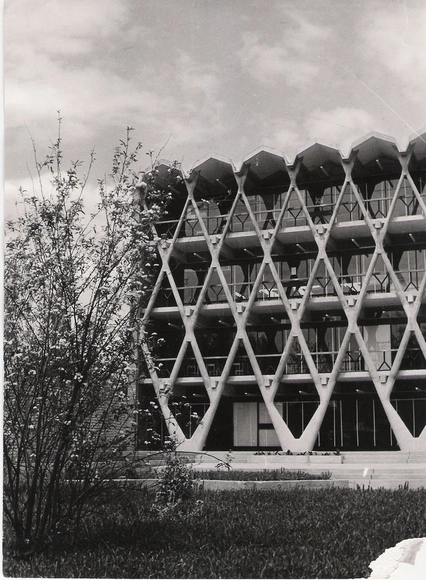
Cortesía de Archivo Descotte. Facultad de Arquitectura Urbanismo y Diseño. Universidad de Mendoza
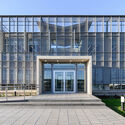
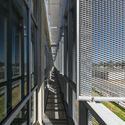
Some recognize in its facade the organic shape of a tree, while others, on the contrary, see human figures. Observing the Faculty of Architecture of the University of Mendoza, we can attest that we are in the presence of a building that constitutes a paradigmatic case in the context of the 1960s in Argentina.