
-
Architects: Studio Macola
- Area: 3950 m²
- Year: 2015
-
Professionals: Zintek S, Coveco (Clea), D. Colpo, Insula S.p.a., R. Bonacina, +2


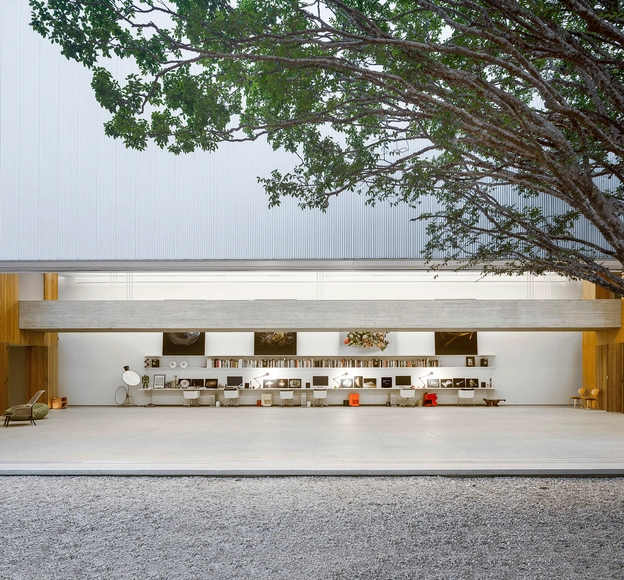
La Biennale di Venezia has launched a call for proposals for the Collateral Events of 2016. Searching for original exhibitions, installations and/or symposiums that will run alongside the 15th International Architecture Exhibition, the call is restricted to non-profit public or private institutions. All proposals must be "meaningful in relation" to the Exhibition's theme. Selection will be contingent on the approval of Artistic Director Alejandro Aravena and the Board of the Biennale. All Collateral Events will be autonomously organized outside the institutional venues of La Biennale (Giardini and Arsenale). Submit your ideas HERE by October 30, 2015.
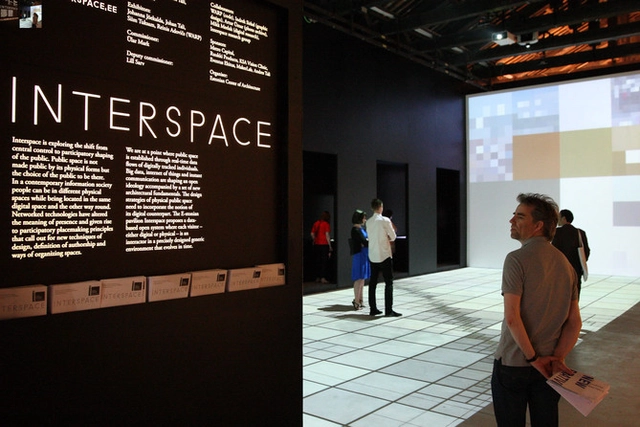
The Estonian Centre of Architecture has launched its two-stage public international curator competition to decide Estonia’s project at the next Venice Biennale. The first stage of the competition will close August 31, 2015, with three proposals moving onto a second stage and the winner being announced on November 10, 2015. Proposals are open to art theorists, art historians, architects, designers, interior designers, historians or curators of fields related to architecture. Entries must be in either Estonian or English and international entries are expected to include team members familiar with Estonian architecture. Although the general theme of the 15th Venice Biennale has not been revealed yet the proposal should reflect current global issues and important aspects of the ideas and practice of modern Estonian architecture.
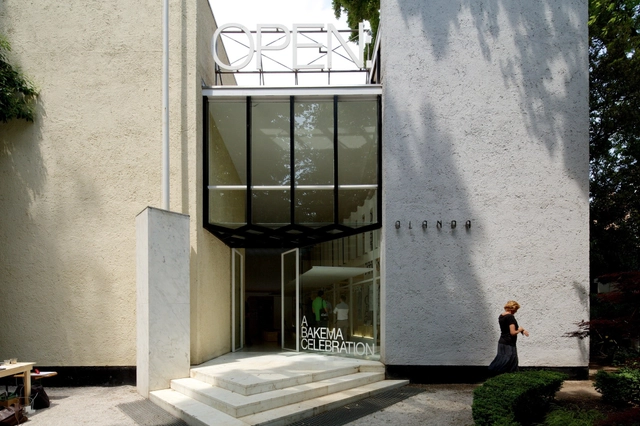
On November 20-21, AMO is hosting a discussion event at the Venice Biennale focusing on the past, present and future of Dutch architecture in which 30 young architects will be invited to present their agenda for architecture in the Netherlands for the next 10 years. Over the course of the two days, each participant will present will deliver a 7-minute presentation looking at architecture in 2024 to answer the question "where will you be and will you be doing?" Find out more about the event, and how you can be a part of it, after the break.
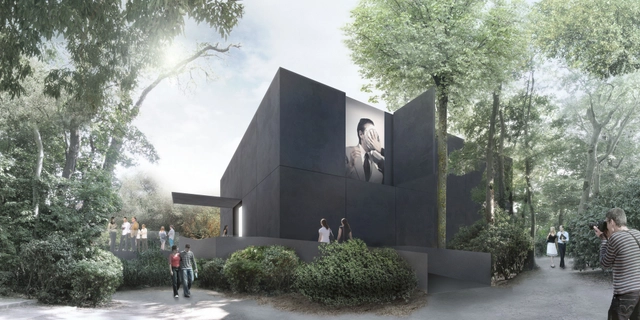
Australia’s new pavilion for the 2015 Venice Art Biennale will be, in the words of featured artist Fiona Hall, “a minefield of madness, badness, and sadness in equal measure.” Designed by firm Denton Corker Marshall, (who also designed the Stonehenge Visitor Centre), the project will replace the 25 year old temporary pavilion designed by Phillip Cox and will be the first building constructed on the Giardini in two decades.

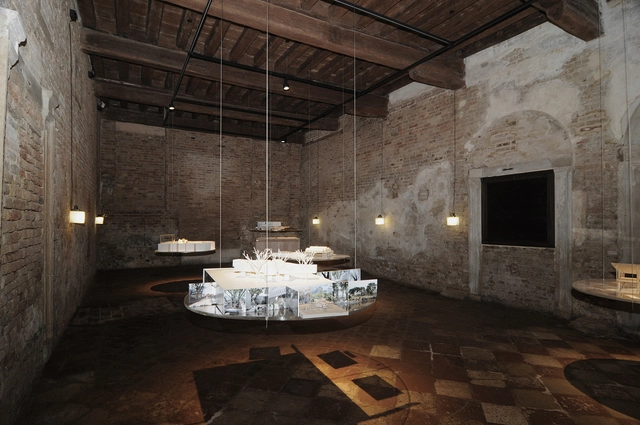
House Housing is the first public presentation of a multi-year research project conducted by the Temple Hoyne Buell Center for the Study of American Architecture at Columbia University. Situated in the Casa Muraro in Venice and staged as an open house, the exhibition responds unsolicited to the proposal by Rem Koolhaas, curator of the 14th International Architecture Exhibition, that architecture focus on its "fundamentals."
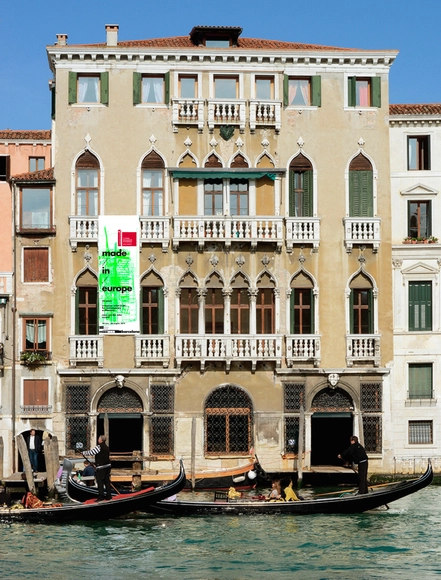
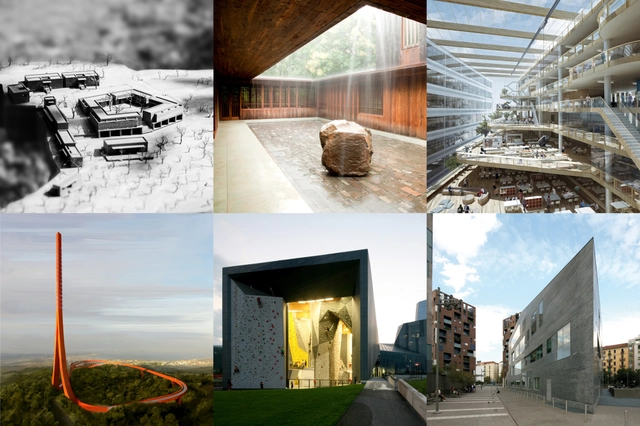
"European-ness Porosity" is presented as part of “MADE IN EUROPE: 25 years of the European Union Prize for Contemporary Architecture – Mies van der Rohe Award.”
From the Organizers. Europe is currently experiencing a paradigm shift from national to urban identities. As its boundaries become increasingly blurred, each city is claiming an identity of its own. Europe is predominantly urban, and the condition of the European city is related to a stratification of architectures, functions and events which, palimpsest-like, shape a compact, complex understanding of the urban experience that embraces its architectonic heritage, industrial development, social housing, archaeological sites, modern infrastructure and the cities rebuilt after WW2.
The globalisation process began with the emigration of artists and architects during WW1, and continuing with the exodus due to the rise of the Nazi Party in Germany and the start of WW2. In this sense, Europe acted as a transmission device, the key node in a complex process of emission and assimilation. Today we live in a liquid reality whose theme is permeability, a reality in which professionals and intellectuals can move across porous borders.
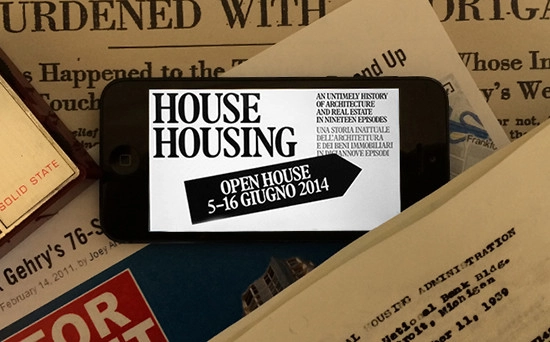
House Housing: An Untimely History of Architecture and Real Estate in Nineteen Episodes is the first public presentation of a multi-year research project conducted by the Temple Hoyne Buell Center for the Study of American Architecture at Columbia University. Installed in the second-floor apartment of Columbia’s Casa Muraro in Venice and staged as an open house, the exhibition responds unsolicited to the proposal by Rem Koolhaas, curator of the 14th International Architecture exhibition, that architecture focus on its “fundamentals.” House Housing replies by considering architecture’s economic fundamentals, which locate housing at the center of the current economic regime, with the United States as an influential node in a transnational network.
Greenhouse Talks, an auxiliary public lecture series to the 2014 Venice Architecture Biennale, will take place on Thursday, June 5th and Friday, June 6th between 9:00 and 11:00am. During each session, an international panel of professionals - including the founder of MAD Architects, Ma Yansong, and the director of AMO, Reinier de Graaf - will discuss a topic pertaining to Rem Koolhaas' chosen theme for the Biennale: Fundamentals. The first day of discourse will focus on the future of the architectural profession, investigating the potential influence of the market crisis and the intersection of architecture with other disciplines. The second will reflect on the representation of architecture, considering the Western practice of exhibiting architecture projects in museums, institutes, and biennial events and what this practice's adoption might mean for the East. For the full list of panel members and event details, read on after the break.








.jpg?1414007285&format=webp&width=640&height=580)
.jpg?1414007297 "Courtesy of C+S Architects")
.jpg?1414007287 "Courtesy of C+S Architects")
.jpg?1414007312 "Courtesy of C+S Architects")
.jpg?1414007315 "Courtesy of C+S Architects")
.jpg?1414007285)