Join David Nixon at the Architectural Association on March 2nd for an evening lecture and book launch for his new book – International Space Station: Architecture Beyond Earth – which is published by Circa Press on 1 March. This book offers the first comprehensive account of the Station’s conception, design development and assembly in space and its publication coincides with Tim Peake’s current mission to the Station.
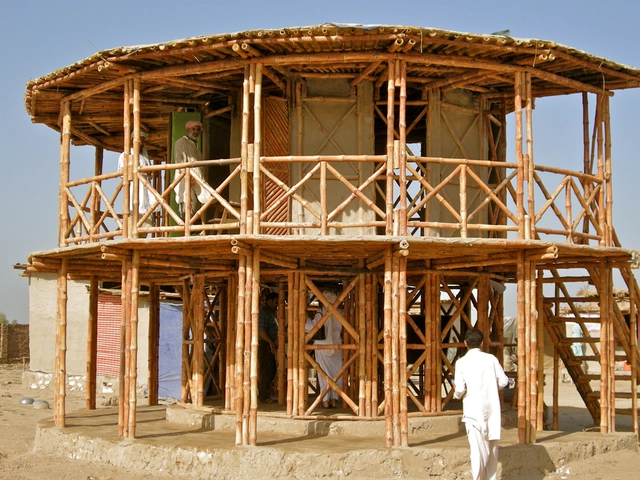
The RIBA welcomes Yasmeen Lari, Pakistan’s first woman architect, to discuss her work and the importance of vernacular architecture with BBC Correspondent Razia Iqbal. Over 45,000 disaster relief structures have been built under the direction and influence of Yasmeen Lari since 2010. With an emphasis on vernacular building techniques and materials she produces buildings that not only create a smaller carbon footprint, but also are simple enough to be built by the inhabitants in need.
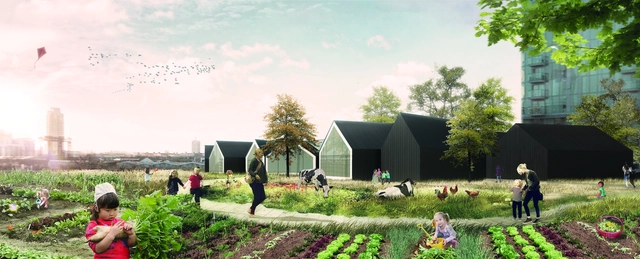
Exterior Rendered View. Image Courtesy of Jonathan Lazar
Winner of the AWR International IdeasCompetition to design a new nursery school, “Nursery Fields Forever” reimagines what nursery schools could be like. Designed by a team from Italy, composed of Gabriele Capobianco, Edoardo Capuzzo Dolcetta, Jonathan Lazar, and Davide Troiani, the entry refutes the modern notion of shaping a child’s perception of the world based solely on urban environments, accepting children as being inherently curious naturalists. This trait is stimulated and guided to create a unique educational approach, holistically combining nature and food cultivation into its curriculum.
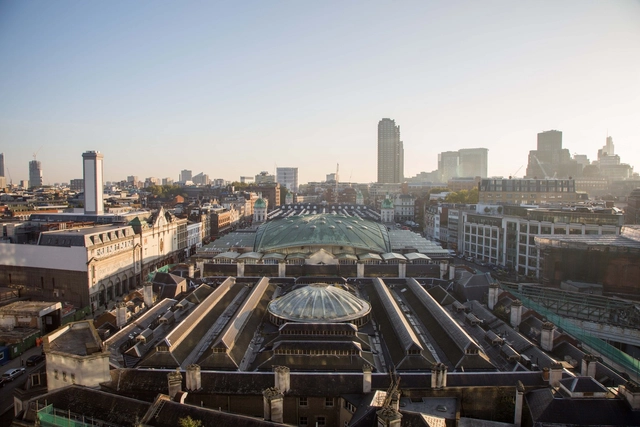
The Museum of London and Malcolm Reading Consultants have launched an international search for an outstanding architect or team of architects to create a new building for the museum at West Smithfield in the City of London. The project at the heart of the two-stage design competition has a £130-150m construction budget, and is focused on regenerating a nationally-significant landmark and creating new contemporary galleries within a group of historic buildings on the West Smithfield site. The Museum of London is one of the top ten museums and galleries in the UK capital and responsible for the world’s largest archaeological archive, which currently holds six million artefacts.
Join ASF-UK for a one day symposium to explore how built environment practitioners can respond to emerging global challenges in cities. With highly interactive sessions throughout the day, we will test and discuss different skills, approaches and knowledge that can ‘challenge practice’ in order to design in uncertain global times. The day will be a great opportunity to expand your knowledge of working in this sector, to network with others in this field and a chance to discover ways in which to engage with ASF-UK. The event will end with a reflection by practitioners involved in innovative forms of practice in the UK and around the world.
Conscious Cities is a one-day conference organised by MoA and THECUBE that aims to explore the relationship between neuroscience and architecture. By bringing together neuroscientists, architects, engineers, planners and developers, the conference aims to offer necessary tools for understanding how the built environment impacts our cognitive functions, while also showing how professionals can use research in neuroscience to design better spaces and cities for the future.
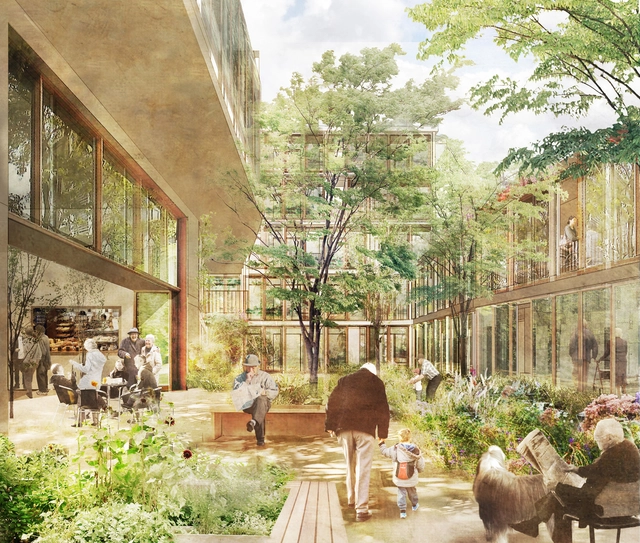
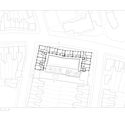
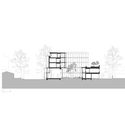
Witherford Watson Mann Architects, in collaboration with writer Ken Worpole, has unveiled their design for an almshouse for the elderly in Bermondsey, London. Located on the site of a vacant, post-war nursing home, the 6,152 square meter space will serve the United St Saviour’s Charity, as an independent living accommodation for around 90 residents.
For architects, drawing is a thinking process. Sketching by hand onto paper without having any predetermined built form in mind is often the springboard for new hypotheses. With the rise of digital representation in architecture, has the computer superseded the hand in the exploration of ideas?
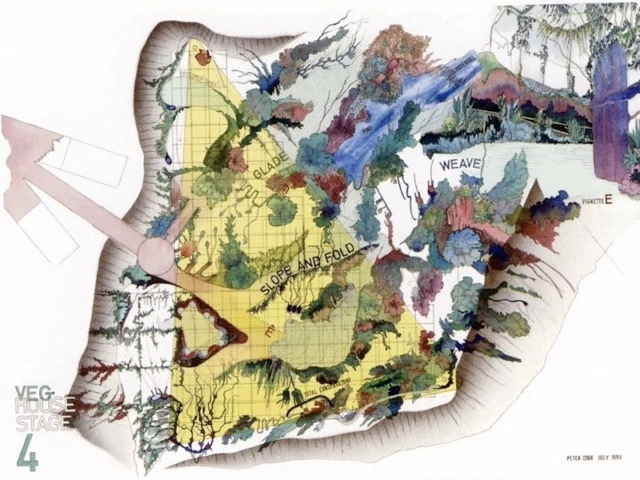
This RIBA London seminar sees Professor Sir Peter Cook (co-founder of Archigram, director of CRAB Studio) and Professor Marcos Cruz (Bartlett) discuss the boons and limitations of digital representation in architecture, and the hybrid possibilities of using both in tandem.
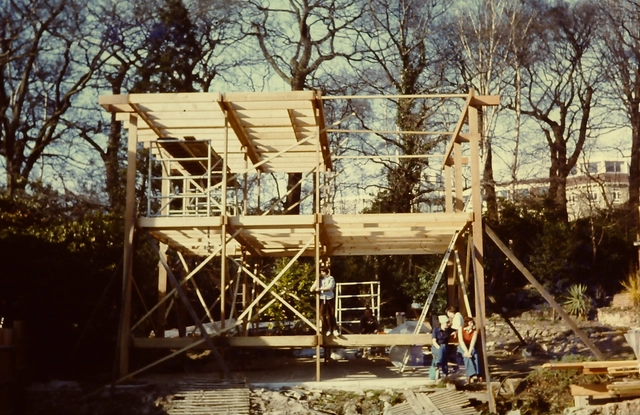
Presenting the work of the revolutionary architect Walter Segal, Walter’s Way – The Self-Build Revolution focuses on Segal’s work with the Lewisham self-builders of the 1980s and displays the application of Segal’s method today. Housed in and around a newly constructed section of a Segal house, from which visitors can experience the fundamental elements of the style, are original drawings, documents and furniture designed by Segal alongside archival films and photographs, plus contemporary photographs by Taran Wilkhu and a new interpretation of Segal’s technique by 2015 Turner Prize winner Assemble.
For architects, drawing is a thinking process. Sketching by hand onto paper without having any predetermined built form in mind is often the springboard for new hypotheses. With the rise of digital representation in architecture, has the computer superseded the hand in the exploration of ideas? This RIBA London seminar sees Professor Sir Peter Cook (co-founder of Archigram, director of CRAB Studio) and Professor Marcos Cruz (Bartlett) discuss the boons and limitations of digital representation in architecture, and the hybrid possibilities of using both in tandem.
A new exhibition, opening later this month in London, aims to examine the varying ways that cities and communities have been re-imagined in the aftermath of natural, or man-made, disasters. Including work by Yasmeen Lari, ELEMENTAL, OMA, Shigeru Ban, NLÉ, Toyo Ito, Metabolism (Kenzo Tange and Kurokawa Kisho) and Sir Christopher Wren, who redesigned London in the aftermath of the Great Fire of 1666, the exhibition will primarily explore contemporary responses to earthquakes and tsunamis. Posing questions about the fragility of architecture, our relationship to nature, and the power of architects to instigate change, it will ask whether we are facing a paradigm shift in the way that cities and communities recover from destruction.
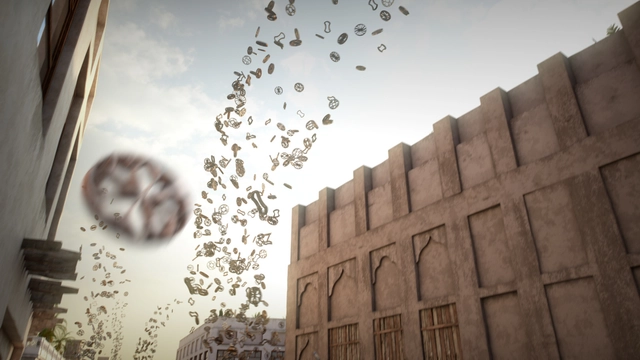
Increasingly, more architecture professionals are breaking into the world of film, learning digital animation and design skills to engage non-specialists, as well as their peers. Architect-trained Kibwe Tavares, co-founder of creative studio Factory Fifteen, will explore the ways architects and designers can use digital representation to encourage imaginative thinking through a combination of architecture and film.
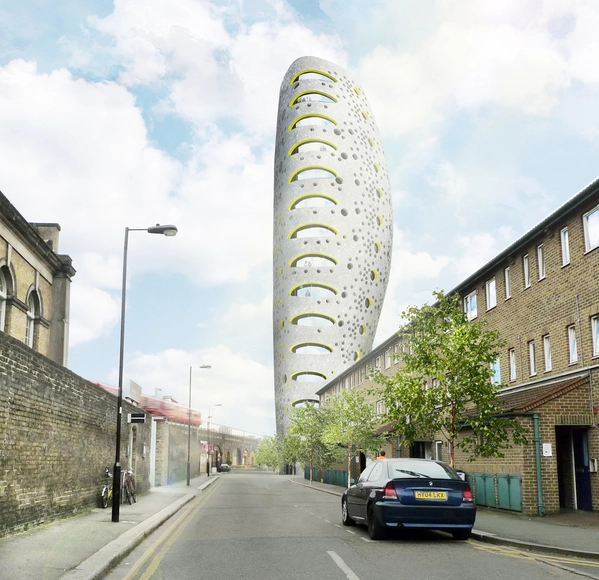
Will Alsop’s practice aLL Design has revealed the plans for its new 15-story residential tower in Vauxhall’s new arts district on Newport Street in south London. The project, called The Beacon, was commissioned by Newport Street Projects (NSP), which was formed solely for the development of the up-and-coming area.
The Beacon will be 1,735 square meters, with a narrowed footprint at the ground level, giving back 38% of street-level space to be used as public seating, landscaping, and permanent art installations.




.jpg?1455766823 "© Kevin Sainsbury")








_MOMA.jpg?1451989017&format=webp&width=640&height=580)


.jpg?1450058071&format=webp&width=640&height=580)
.jpg?1450058208 "© Hufton+Crow")
.jpg?1450058226 "© Hufton+Crow")
.jpg?1450058107 "© Hufton+Crow")
.jpg?1450058123 "© Hufton+Crow")
.jpg?1450058071)