Image: Phineas Harper. Image Courtesy of Open House Worldwide
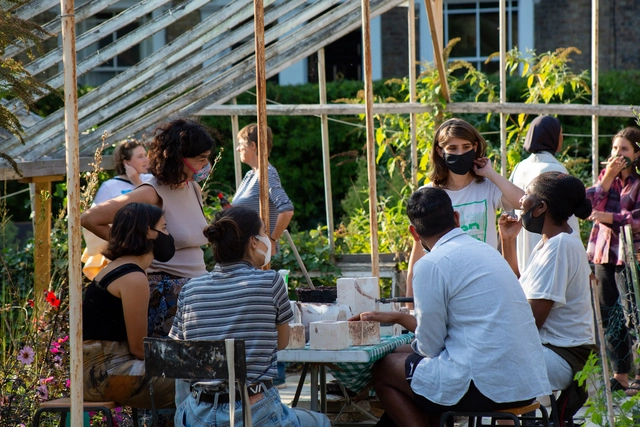
More than the buildings we visit, or the cities in which we see them, the core of Open House is, and always have been, its volunteers. Since the Open House concept was brought to life in London in 1992, Open House volunteers have been at the centre of the annual festivals which today take place on every corner of the globe.
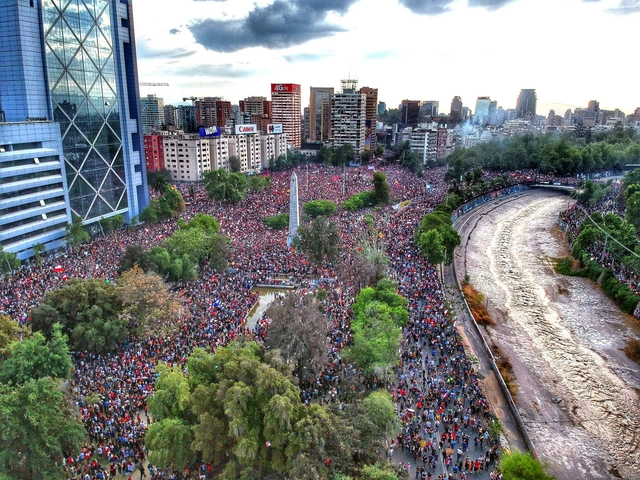
After a year of dramatic protests and demonstrations on the streets of the city, the future of Santiago, Chile, will be debated as part of Open House Worldwide Festival on the weekend of 14-15 November.
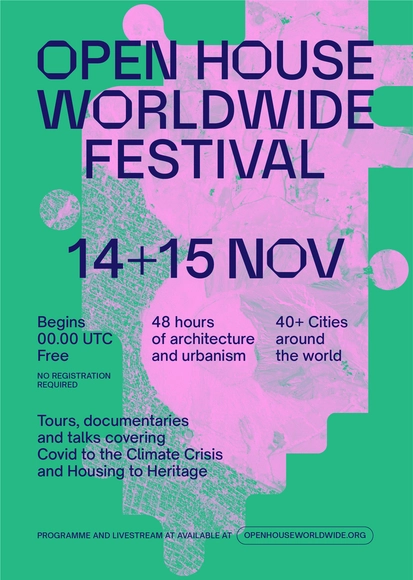
Open House Worldwide (OHWW) is pleased to announce the full programme of the network’s first collaborative event on its relaunched and redesigned website and visual identity.
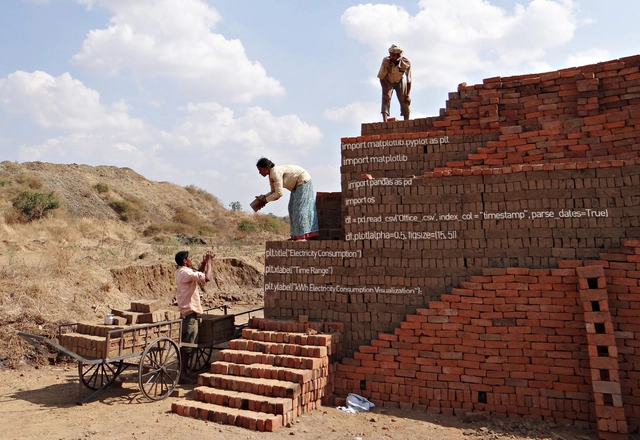
Clayton Miller is an Assistant Professor at NUS, part of BUDS Lab, a scientific research group that leverages data sources from built and urban environments to improve energy efficiency and conservation, comfort, safety, and satisfaction of humans. He holds a Doctor of Sciences from the ETH Zürich, an MSc. (Building) from the National University of Singapore (NUS), and a BSc. Masters of Architectural Engineering (MAE) from the University of Nebraska - Lincoln (UNL).
ArchDaily had the chance to interview Miller and find out his point of view on how programming and data science can help in improving architecture and construction.
The judges for the Oscar Niemeyer Award, one of the most prestigious of its kind in the realm of Latin American architecture, have announced the 20 finalists for the competition's third edition.
Videos
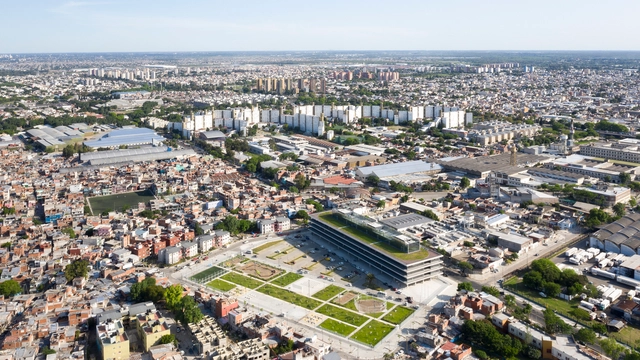
Nuevo Ministerio de Desarrollo Humano y Hábitat - El después del Elefante Blanco. Image Cortesía de Secretaría de Desarrollo Urbano / Gobierno de la Ciudad Autónoma de Buenos Aires
Not all works of architecture are a success. In fact, there is a term reserved especially for architectural creations that have proven simultaneously extravagant and wasteful: "White Elephants."
You have only to look at Miguel De Guzmán and Rocío Romero's portfolio to know that the duo have succeeded in capturing a wide array of panoramas and sharing the ideas attached to them. Through their Madrid and New York based photography and film studio, Imagen Subliminal, document the latest happenings in the world of architecture in an effort to give their audience a taste of the energy and creativity that drives it.
We sat down with the duo in honor World Photography Day, where they shared how their work has changed through the years and photography's contemporary and future role in architecture.
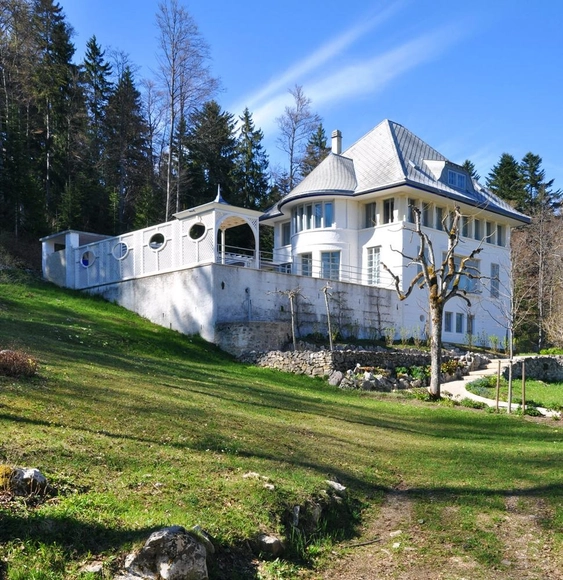
In 1912 Le Corbusier was already experimenting with some ideas on the Jeanneret-Perret house, known as "Maison Blanche," which eventually paved the way for the modern way of living.
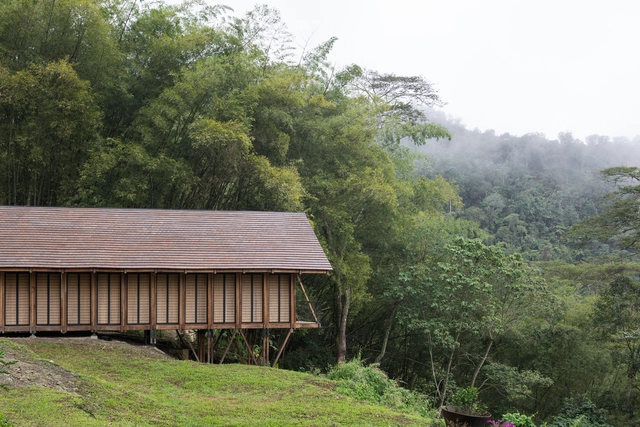
Colombian artist and architect Santiago Pradilla captured my interest through his many passionate pursuits—he has dedicated as much of his life to traveling to and working within small, rural communities and as he has to producing architecture that tells the rich history of Colombian cities.
We discussed the relationship between academia, auto-construction, and rural living as well as the exploration of other artistic disciplines. We even breached the topic of the importance of heritage and projections about the direction of Colombian architecture.
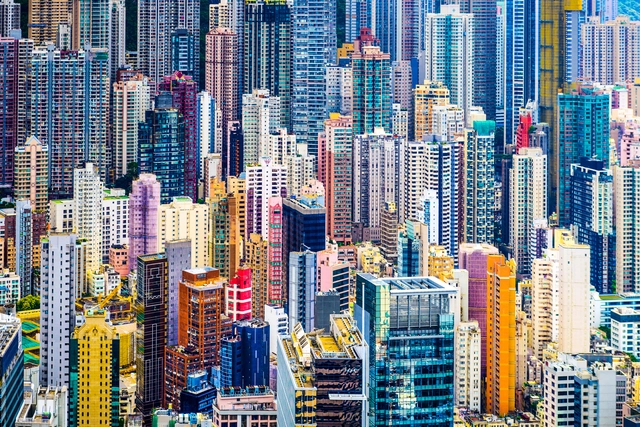
Guallart Architects has won the international competition for the design of a mixed-use community in Xiong'an, China, defining an urban model that merges the traditional European urban blocks, the Chinese modern towers, and the productive farming landscape.
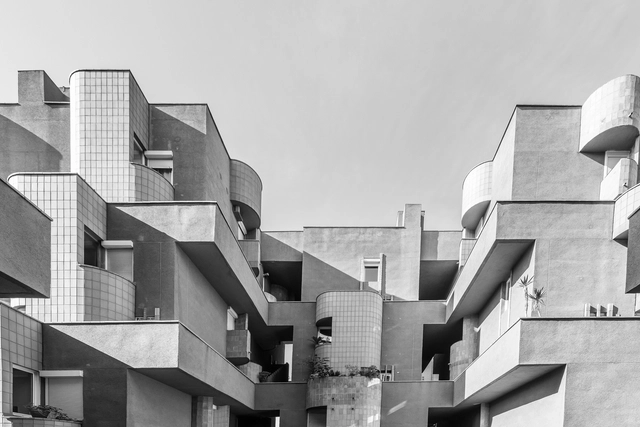
Rodolfo Lagos shared a series of photographs capturing the Brutalist architecture of Barcelona, illustrating how the movement has evolved in this iconic city.
Courtesy of Seoul Biennale of Architecture and Urbanism 2021
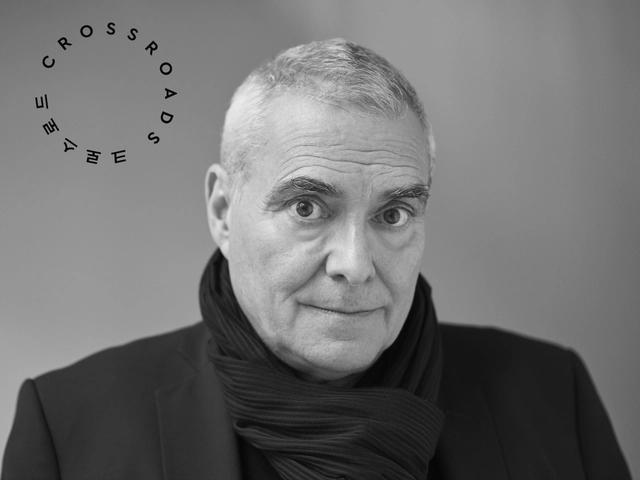
Exploring the evolution of the world’s cities and metropolises, the third edition of the Seoul Biennale of Architecture and Urbanism (SBAU 2021) entitled "CROSSROADS Building the Resilient City" will be led by French architect and urban planner Dominique Perrault.
ArchDaily had the chance to speak to Perrault to find out what will be different in this particular biennale.
Luca Tranchinois a production designer well known for his participation as an art director in Martin Scorsese’s Gangs of New York, the Aviator, Hugo Cabret, and Disney’s Prince of Persia, among many other productions. His work is designed to take us to magical and historical worlds. We recently interviewed Tranchino to look behind the scenes and uncover connections between film and architecture.
Manuel Lima is a designer, researcher and author well known for his work on visualizing and mapping complex networks. A Fellow of the Royal Society of Arts, he was named one of the "50 Most Creative and Influential Minds" by Creativity magazine, and is both the founder of VisualComplexity.com and a Senior UX Manager at Google.
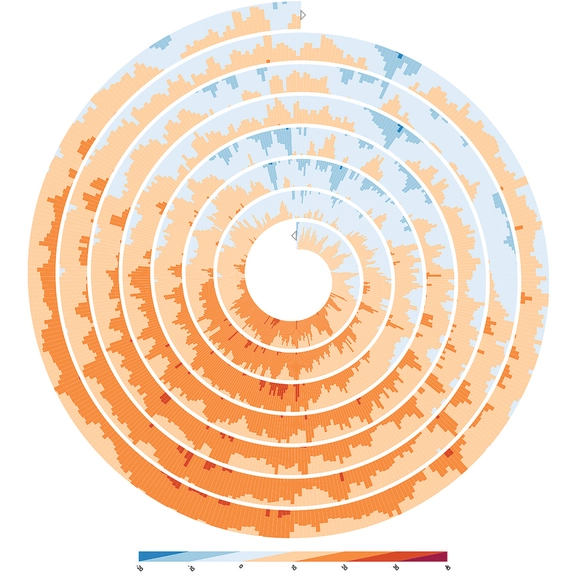
We talked with Lima to find out his thoughts on the connection between data visualization and architecture. The following conversation explores his inspirations and process, as well as his views on how data visualization can help improve the quality of our cities.
Many times I have not been able to decipher whether the video or the image I was looking at was real. In the same way, I had to convince friends or relatives —namely, people unfamiliar to the idea of the architectural render— several times that a building featured in a storefront advertisement or in a printed magazine was not real. There is no longer a gap —or limits— between hyper-realistic, computer generated visualization and reality itself. Are we reaching the limits of visualization of our spaces? Do our architectural visualizations meet our architectural expectations?
.jpg?1596635540&format=webp&width=640&height=580)
.jpg?1596635520 "© Guallart Architects")
.jpg?1596634355 "© Guallart Architects")
.jpg?1596635645 "© Guallart Architects")
.jpg?1596634336 "© Guallart Architects")
.jpg?1596635540)