

Produce personalized presentation boards that distill complex concepts into simple visual representations with a few helpful tools and effects.
Articles
How to Create Architectural Presentation Boards
| Sponsored Content
https://www.archdaily.comhttps://www.archdaily.com/catalog/us/products/37234/how-to-create-architectural-presentation-boards-lumion
50 Shades of Green: The Contradictions of Greenwashing in Architecture
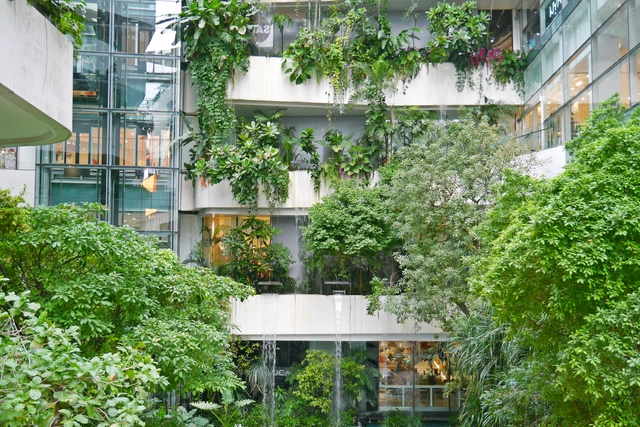
Nowadays everything is “painted” green. It's green packaging, green technologies, green materials, green cars and, of course, green architecture. A “green wave”, stimulated by the environmental and energy crisis we are facing, with emphasis on climate change and all the consequences linked to global warming. This calamitous situation is confirmed by the second part of the report entitled Climate Change 2022: Impacts, Adaptation and Vulnerability prepared by the Intergovernmental Panel on Climate Change (IPCC) and presented in recent weeks. It reveals that, although adaptation efforts are being observed in all sectors, the progress implemented so far is very low, as the actions taken are not enough.


https://www.archdaily.com/978874/50-shades-of-green-the-contradictions-of-greenwashing-in-architectureCamilla Ghisleni
Can Exterior Green Walls Contribute to a Carbon Neutral Architecture?

A carbon neutral building is achieved when the amount of CO2 emissions is balanced by climate-positive initiatives so that the net carbon footprint over time is zero. Considering their unmatched ability to absorb CO2, planting trees is often viewed as the best carbon offsetting solution. But as cities become denser and the amount of available horizontal space for green areas drastically reduces, architects have been forced to explore other approaches. Therefore, to address these climatic challenges and connect people to nature, exterior green walls have become a rising trend in increasingly vertical cities. Even if there is research to claim that these can positively impact the environment, many question if they can actually contribute to a carbon neutral architecture. Although the answer may be quite complex, there seems to be a consensus: green walls can be effective, but only through good design.
https://www.archdaily.com/978695/can-exterior-green-walls-contribute-to-a-carbon-neutral-architectureValeria Montjoy
Putting Ray Eames’s Design Contributions in Context
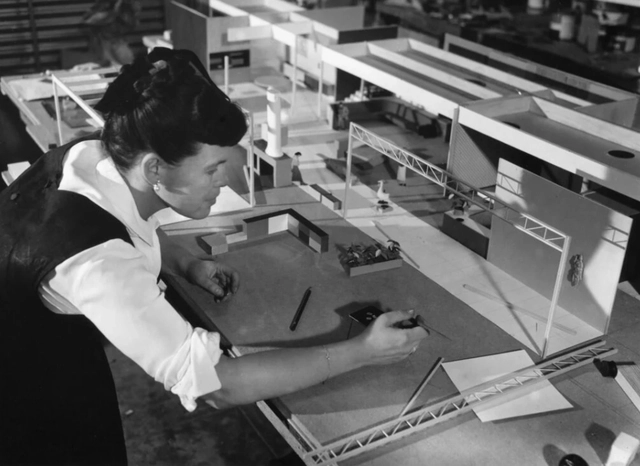
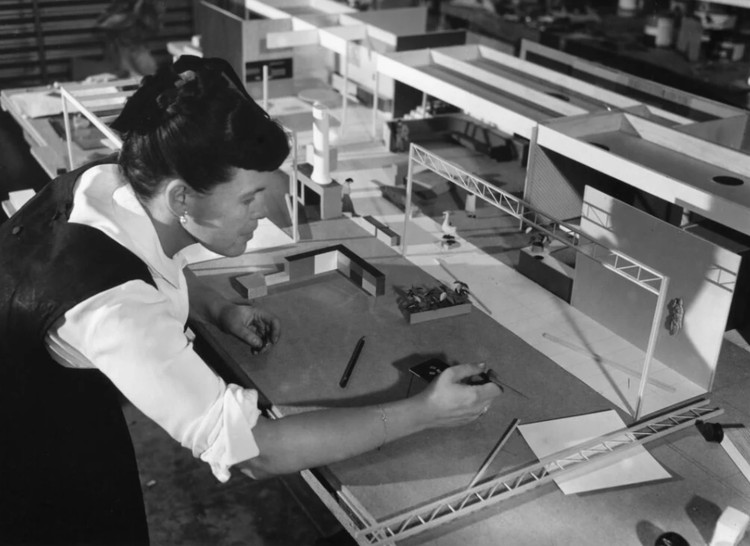
On the heels of the Eames Office’s 80th anniversary marked by an exhibition and a Ray-inspired sneaker, director Eames Demetrios spoke to Metropolis about the matriarch who continues to inspire design.





https://www.archdaily.com/979060/putting-ray-eamess-design-contributions-in-contextKelly Beamon

Sanitation in Modern Houses: 12 Projects that Explore Different Bathroom Typologies and Layouts
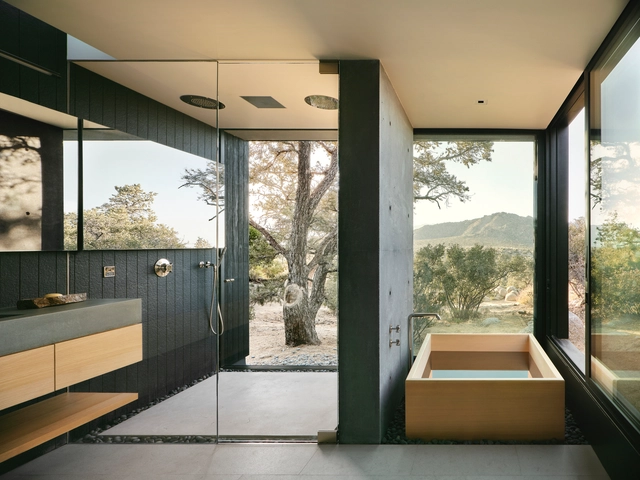
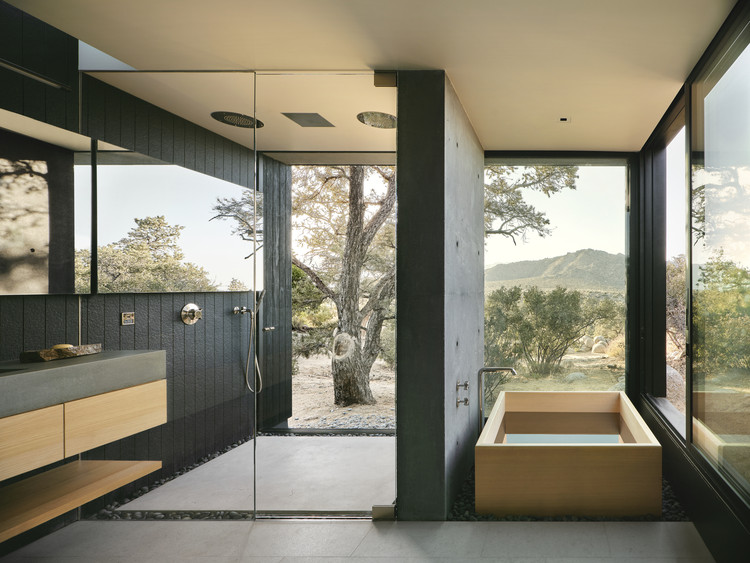
Despite being the smallest rooms of houses, bathrooms have always been one of the most challenging and critical to design, which often left them fairly simplified. The past few years, however, saw these spaces undergo significant change; what was once only limited to functionality, ease of maintenance, and privacy, is now being given a strong character with pops of color, classic fixtures, and patterned surfaces. Similarly for public bathrooms, where "functionality" and "ease of maintenance" are now complimented with aesthetics, technology, and high quality finishing. In this interior focus, we explore the three main bathroom typologies used in residential projects, and look at how architects have employed them through 12 examples.


https://www.archdaily.com/978929/sanitation-in-modern-houses-12-projects-that-explore-different-bathroom-typologies-and-layoutsDima Stouhi
Mexican Interiors: 18 Spaces That Use Books as a Design Element
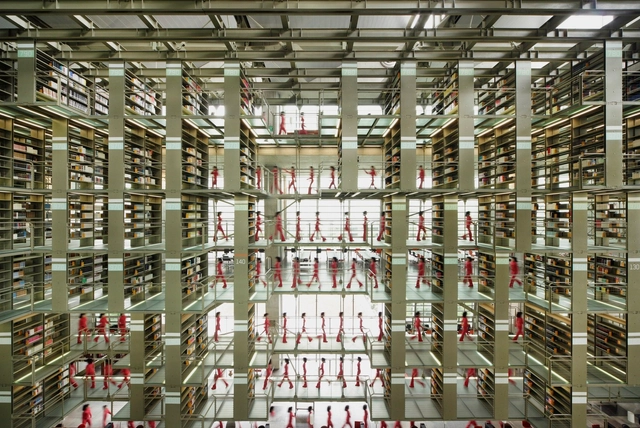
Over the years, interior design has evolved according to the needs that arise, but above all according to the experiences we seek to provoke in the user. In the last two years, we witnessed a radical change and a particular interest in this subject because the pandemic forced us to pay specific attention to the configuration of the places we inhabit. This brought about much more holistic designs that cater to the wellbeing of the user, combining colours, sensory experiences, technology and natural elements that promote health.


https://www.archdaily.com/978373/mexican-interiors-18-spaces-that-use-books-as-a-design-elementMónica Arellano
Adulation and Demonisation: Materiality vs. Morality
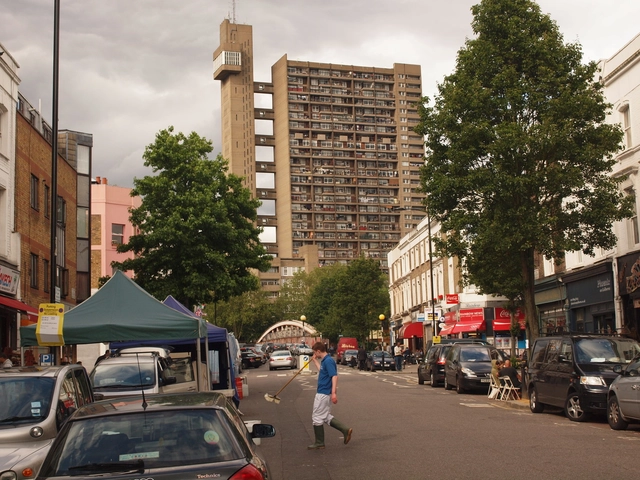
For centuries and centuries we’ve built – and the diversity in our global built environment is a testament to that. The many different cultures around the globe have had different ways of building throughout history, adapting locally found materials to construct their structures. Today, in our globalized present, building materials are transported across the globe far from their origins, a situation that means two buildings on completely opposites sides of the world can be more or less identical.




https://www.archdaily.com/978455/adulation-and-demonisation-materiality-vs-moralityMatthew Maganga
Lets Broaden the Definition of Environmental Justice

Tragedy, protest, insurrection, and political turmoil have led to a renewed awareness of racial injustice and democratic instability. These issues create new challenges for users and designers of public spaces in America. Cultural spasms have resulted in contested public spaces — sites of killings, protests in streets and parks, and forgotten burial grounds. These spaces need a new form of environmental justice.






https://www.archdaily.com/978928/lets-broaden-the-definition-of-environmental-justiceGlenn LaRue Smith, FASLA
Integrating Shade and Protection Devices into Open Spaces
| Sponsored Content
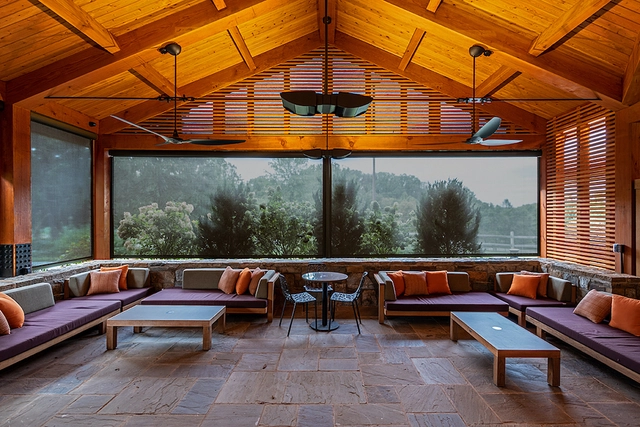
Comfortable outdoor spaces are more desirable than ever. Over the past couple of years, people have been spending more time at home, connecting with nature from the relative comfort of covered balconies, patios, and pergolas. But even with pleasant views, cooling breezes, and the warmth of the sun, covered outdoor spaces can be uncomfortable. Temperature variations, glare, rain, and wind quickly create an unpleasant experience. In warmer climates, insects can be an additional a nightmare.
https://www.archdaily.com/977392/integrating-shade-and-protection-devices-into-open-spacesEduardo Souza
How Does Francis Kéré use Materials to Respond to Local Climate Conditions?
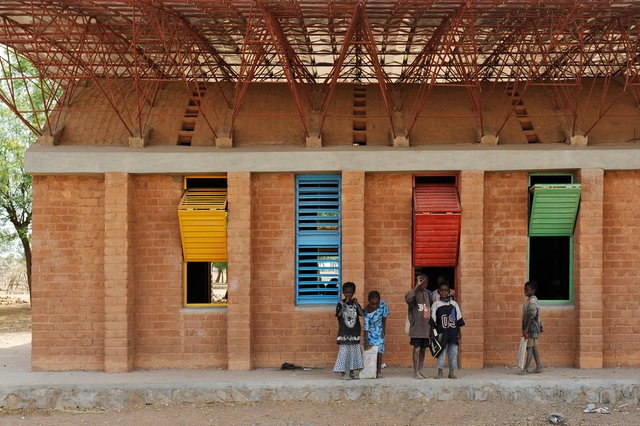
Clay walls have a high thermal inertia. This means that they act as a climate buffer that creates a thermal delay in the flow of heat from the outside to the inside, absorbing it during the day and releasing it overnight. The material is especially suitable for hot and dry climates, such as that of Gando, where Francis Kéré built his first school. After years of studying abroad, Kéré returned to his home community with the intention of building this school with the same materials historically used by locals, which many originally viewed as strange, as he said in this lecture. Despite the initial prejudice, it was the combination of local materials and techniques with Kéré’s acquired knowledge that ultimately gave strength to the project.
https://www.archdaily.com/978851/how-does-francis-kere-use-materials-to-respond-to-local-climate-conditionsValeria Montjoy and Eduardo Souza
When Paris Eliminates Cars, Will Other Cities Follow Suit?
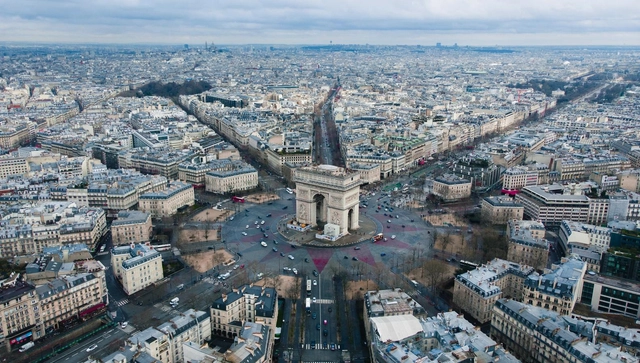
Paris has been making headlines for years with its aggressive steps to anti-car, pro-pedestrian urban improvements. Faced with increasing issues around air pollution and an attempt to reclaim streets for alternate modes of transit, as outlined in their proposed plan for a 15-minute city, the French capital is seen as a leader in future-forward urbanist strategies. Recently, their department of transportation set a deadline for their lofty goals of eliminating traffic from its roads. In just two years from now, in time for the French capital to host the Olympics, Paris plans to ban non-essential traffic from its city center, effectively eliminating around 50% of vehicular mobility. What does this plan look like? And how might other cities use this strategy to eliminate their own urban issues?
https://www.archdaily.com/978811/when-paris-eliminates-cars-will-other-cities-follow-suitKaley Overstreet

Why Francis Kéré Won the Pritzker Prize?

Last Tuesday, March 15, Francis Kéré became the first African architect to win the Pritzker Prize, the most important award in the architecture discipline.
The election of Kéré is not only symbolic in a time of identity demands, where the institutions that make up the mainstream are required to more faithfully represent the social, cultural, and sexual realities that make up our societies, but it also confirms the recent approach of the Pritzker Prize jury.

.jpg?1647823485 "Gando Primary School Extension / Kéré Architecture. Image © Erik Jan Ouwerkerk")
.jpg?1647822667 "Serpentine Pavilion / Kéré Architecture. Image")
.jpg?1647822697 "Startup Lions Campus / Kéré Architecture. Image")
.jpg?1647823274)
https://www.archdaily.com/978764/why-francis-kere-won-the-pritzker-prizeNicolás Valencia
Dynamic Lighting for a Better Working Environment
| Sponsored Content
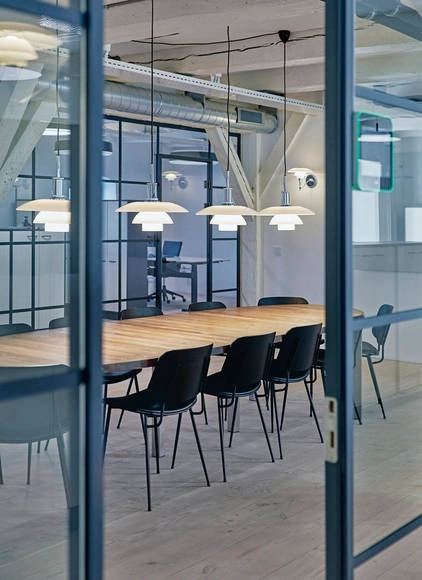
In recent years, there has been an increased focus on indoor lighting, especially in the context of the growing numbers of open-plan offices. In large parts of the world—and especially in Nordic countries—people can spend up to 80-90% of their time indoors. The light we are surrounded by affects both our circadian rhythm and hormones, making our indoor environment and its light an important factor of our well-being. Opinions on the optimal indoor lighting solution—and if one exists at all—are numerous and divided. To gain some more insight into this, the Danish lighting manufacturer Louis Poulsen set out to test the effects of various artificial lighting conditions in their own head office in Copenhagen.
https://www.archdaily.com/978469/dynamic-lighting-for-a-better-working-environmentRene Submissions
Inspired by Nature: Getting to Know the Work of Atelier Marko Brajovic
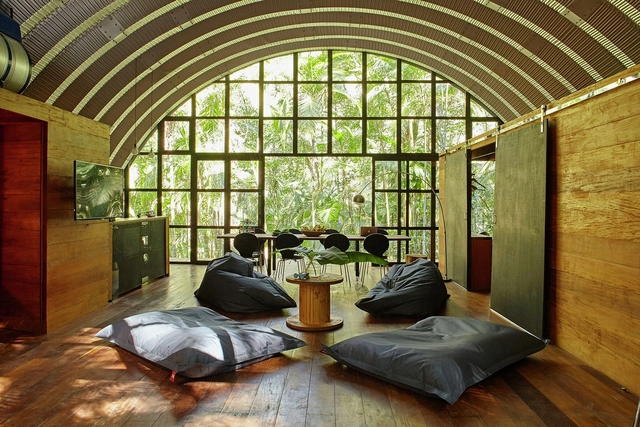
Based in São Paulo, Atelier Marko Brajovic was founded in 2006 by architect Marko Brajovic. With a multidisciplinary practice, the idea of the hybrid manifests itself as the conceptual north of the office that operates on several fronts: architecture, scenography, expography, creative direction, interior and product design. With a vast language that explores different areas, formats and aesthetics, its projects are, above all, recognized for breaking with the modern canon and seeking solutions in nature.





https://www.archdaily.com/978457/inspired-by-nature-getting-to-know-the-work-of-atelier-marko-brajovicVictor Delaqua
Six Reasons to Build a Beautiful Balcony
.jpg?1645559930&format=webp&width=640&height=580)

Balconies provide residents with great views while literally and figuratively looking down on the neighbors, but they also offer numerous other advantages.
https://www.archdaily.com/977328/six-reasons-to-build-a-beautiful-balconyJames Wormald
Has the Pandemic Halted the Road to Net-Zero Carbon?
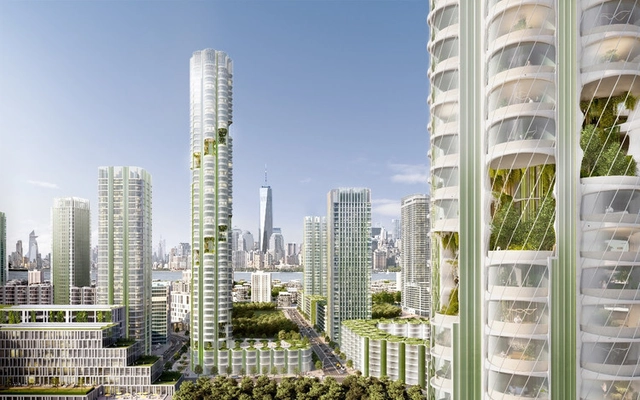
With the magnitude and urgency of the immediate Covid-19 crisis worldwide, efforts have been concentrated on saving lives, rather than focusing on concerns related to the road to Net-zero carbon. Net Zero carbon in regards to construction is defined as when the amount of carbon emissions associated with the construction of a building and its completion is zero. A zero-energy building will have an overall zero net energy consumption; the total amount of energy used by the building annually is equal to the amount of renewable energy generated on-site.
As the climate emergency presents itself as a severe and existential threat, it is crucial that the road to net-zero carbon is resumed large-scale in both an architectural and commercial sense. Around the globe, efforts have been renewed in an attempt to tackle the almost inconceivable. According to the 2019 global status report for buildings and construction, the buildings and construction sector accounted for 36% of final energy use and process-related carbon emissions in 2018. Although carbon emissions were temporarily reduced during the peak of the pandemic, they are set to swiftly return to previous figures.
https://www.archdaily.com/978627/has-the-pandemic-halted-the-road-to-net-zero-carbonRebecca Ildikó Leete
The Second Studio Podcast: Architecture’s Mental Health & Burnout Problem
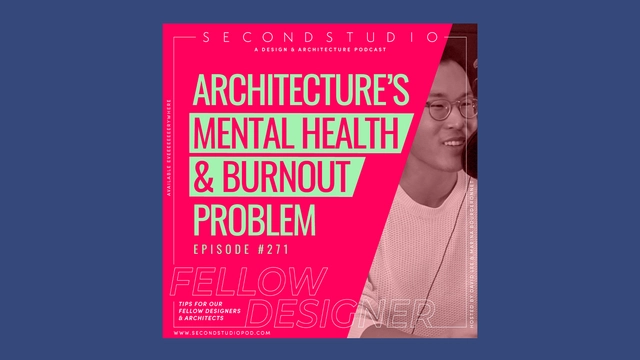
The Second Studio (formerly The Midnight Charette) is an explicit podcast about design, architecture, and the everyday. Hosted by Architects David Lee and Marina Bourderonnet, it features different creative professionals in unscripted conversations that allow for thoughtful takes and personal discussions.
A variety of subjects are covered with honesty and humor: some episodes are interviews, while others are tips for fellow designers, reviews of buildings and other projects, or casual explorations of everyday life and design. The Second Studio is also available on iTunes, Spotify, and YouTube.
This week David and Marina discuss mental health and burnout in architecture, covering how the issue is perceived by different generations, why looking to other colleagues and professions can be helpful but also not helpful, passion as a solution and problem, the inherent complexity of architecture, architects being undervalued, whether or not architecture school should change, the instability of a project-based practice, and the main reasons for poor mental health and burnout exist in architecture and how they can be addressed.

https://www.archdaily.com/978731/the-second-studio-podcast-architectures-mental-health-and-burnout-problemThe Second Studio Podcast
How Architecture Communicates the Greater Cultural Context: 4 Projects by Studio Libeskind
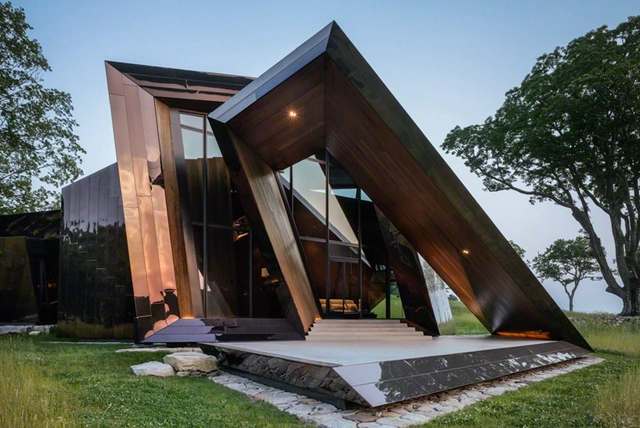
Polish-American architect, artist, professor, and set designer, Daniel Libeskind, founder of Studio Libeskind in 1989, believes that buildings are crafted with perceptible human energy, constructed with the intention to address the greater cultural context in which they are built. His commitment to expanding the scope of architecture reflects his profound interest and involvement in philosophy, art, literature, and music.
He addresses the notion of drawings being akin to a score, a piece of music that is interpreted by a like-minded community. Proportions, light, and materiality are all implicated in the drawing, and in this same way, buildings are also called to present space, atmosphere, and illuminate the practice.


https://www.archdaily.com/978652/how-architecture-communicates-the-greater-cultural-context-4-projects-by-studio-libeskindJullia Joson
If as an Architect You Don´t Know About Business, You Are Out
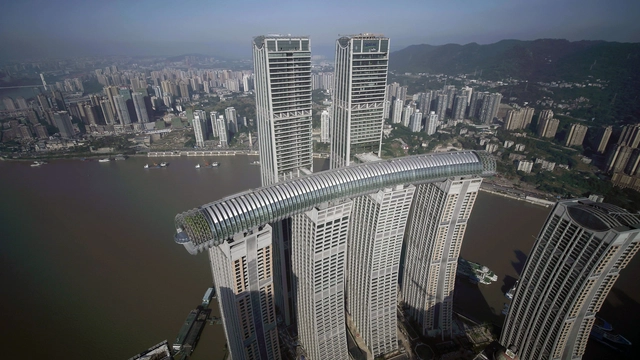
Architecture education was never designed to prepare you for the entrepreneurial side of running a practice. In the minds of the creators that constructed the system which stands for what you now know to be the path to getting licensed, you were never meant to start a business in architecture prematurely. There is a code, a set of rules that drives you to obey and follow a one-sided vision of success.
https://www.archdaily.com/978740/if-as-an-architect-you-dont-know-about-business-you-are-outSara Kolata
The History of Kitchens: From the Great Banquets to the Built-in Furniture
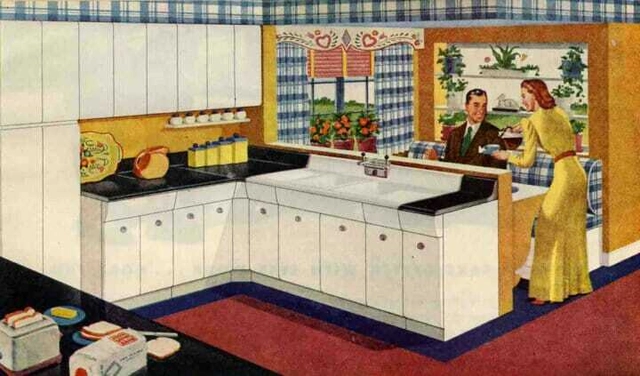
The discovery of fire was one of the great events that changed the social organization of human agglomerations, which gradually passed from nomadic to sedentary lifestyle. Fire, which in that context served to keep people warm and protect the group, was also being explored as a source for cooking food, which not only changed human eating habits, but also made it possible to conserve food, changing the social organization of communities. The preparation and meals were collective acts, which brought people together to feed, warm up and protect themselves. It is from this habit that we inherited the practice of large banquets and the appreciation of food and meal times. Food preparation, on the other hand, was gradually marginalized.
While the Egyptians, Assyrians, Phoenicians, Persians, Greeks and Romans shared the habit of holding large banquets, the preparation gained less and less prestige, losing its collective social dimension until it was physically segregated in a specific room: the kitchen.




https://www.archdaily.com/978388/the-history-of-kitchens-from-the-great-banquets-to-the-built-in-furnitureGiovana Martino
Designing With (And For) Flowers: Beauty and Sensitivity in 7 Flower Shop Projects
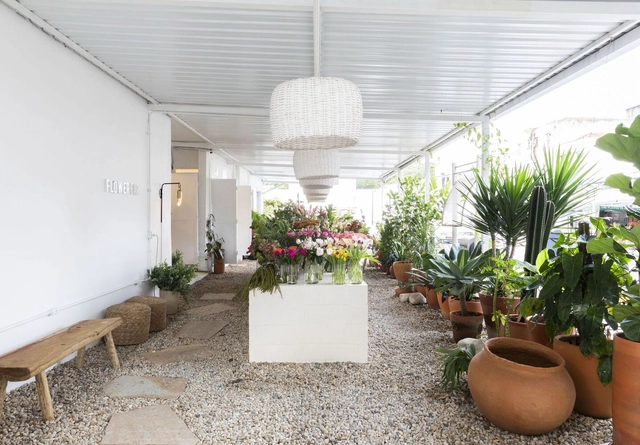
From celebrations of important conquests to expressions of wishes for someone who is sick to get better, the act of gifting someone (or oneself) with flowers is present at different stages of our lives and can carry numerous meanings. This kind of ritual materializes the expression of a feeling and, in many cultures, it is a delicate and sensitive choice, which usually takes into account the selection of specific species for each event.
For this reason, flower shops and stores specializing in flower arrangements are often places where the diversity of species is arranged in order to make it possible to choose the right arrangement or bouquet of flowers. In this sense, many florists take advantage of spatial organizations and design elements that seek to enhance the natural beauty of flowers. Some examples of this strategy are the use of more neutral tones on the surfaces, in contrast to the colors of the different species, and the use of innovative displays in dialogue with the arrangements.





https://www.archdaily.com/978447/designing-with-and-for-flowers-beauty-and-sensitivity-in-7-flower-shop-projectsSusanna Moreira
What’s the Point of Architecture Criticism?

This article was originally published on Common Edge.
What, exactly, is the point of architecture criticism? The word “criticism” is derived from the Greek term krinein, meaning to separate, to sift, to make distinctions, to discern, to examine, or to judge. According to Wayne Attoe, an architect and educator who writes about architecture criticism in his book Architecture and Critical Imagination (now sadly out of print), this does not necessarily mean to disapprove of, or to find fault with. It can be favorable or unfavorable; it can praise or condemn.

https://www.archdaily.com/978701/whats-the-point-of-architecture-criticismMichael J. Crosbie
New Interiors: Hotels Elevating Hospitality Design for Travel
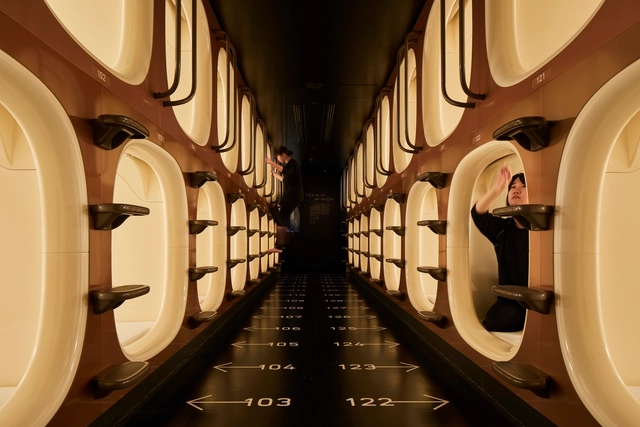
Hotels are a hub for commerce, transportation and culture. Today, interior designers are redefining hospitality spaces to accommodate new forms of travel, communication and rest. From historic renovations to contemporary ground-up hotels, these projects center around leisure and memorable guest experiences. In turn, they express brand identity to rethink what interior design and hospitality will be in the future.


https://www.archdaily.com/978649/new-interiors-hotels-elevating-hospitality-design-for-travelEric Baldwin