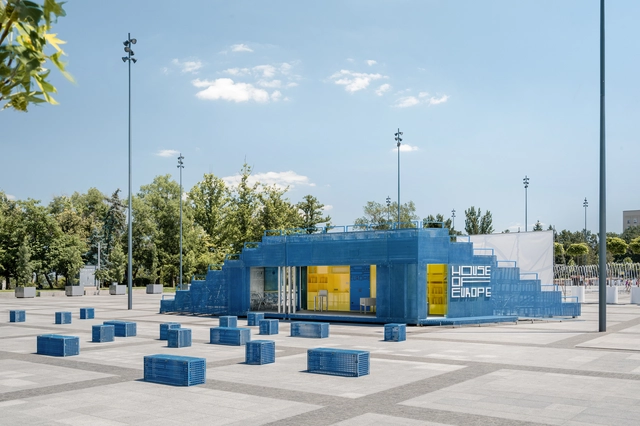
Amidst the current wave of architectural globalization, the art of crafting designs attuned to specific contexts is fading. This concern is especially significant in countries in crisis, such as Ukraine, where the built environment's history is being eroded by war. In these conditions, the contribution of local architects with an innate grasp of the country's cultural nuances becomes imperative. Leading the charge in the rebuilding of Ukraine is prototype, a pioneering practice that challenges architectural conventions to push the country towards a promising future.
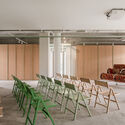
Recognizing their forward-looking vision, ArchDaily has featured prototype as part of the 2023 New Practices, a global annual survey. prototype's outlook on the future of architecture aligns with responsible design that addresses the environmental impact of construction and marries contextual and specific considerations for each project. Their recent accomplishments include the bookstore Readellion, and Ukrainian-Danish Youth House, epitomizing prototype's recurring design principles of mobility, adaptability, dynamic levels, and change of scenarios.
Videos
Sto distribution centre in Hamburg, Germany. Designed by Michael Wilford & Associates, 1994-1995. Photographed by Richard Bryant, image courtesy of Sto
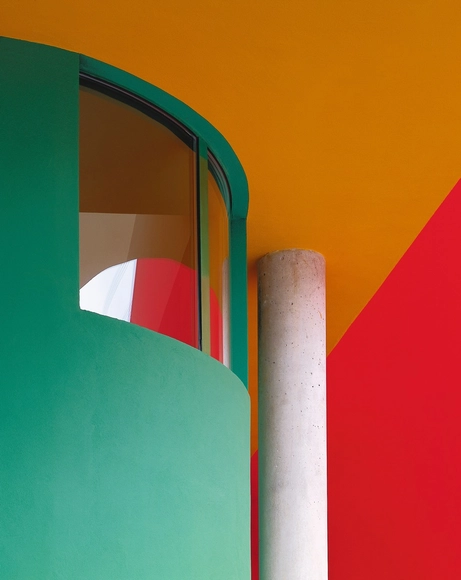
Contrary to popular belief, Roman buildings were not as monochrome as previously thought. Recent discoveries indicate that statues and structures were, in fact, richly adorned with bright colors and exuberant decorations, following the tradition established by their Greek predecessors. This may be surprising, but it shows the presence of color in architecture much earlier than imagined. Color has always played a significant role in shaping the perception and experience of a space, and was prominent in the works of seminal architects such as Le Corbusier and Luis Barragán, for example. Another master of the use of color was Michael Wilford, who, together with his former partner James Stirling gained international recognition with notable public buildings, art centers, museums, and libraries located worldwide. The volumes present in Wilford's architecture are often remembered for their careful use of color, which highlights certain elements and adds other dimensions to the structures.
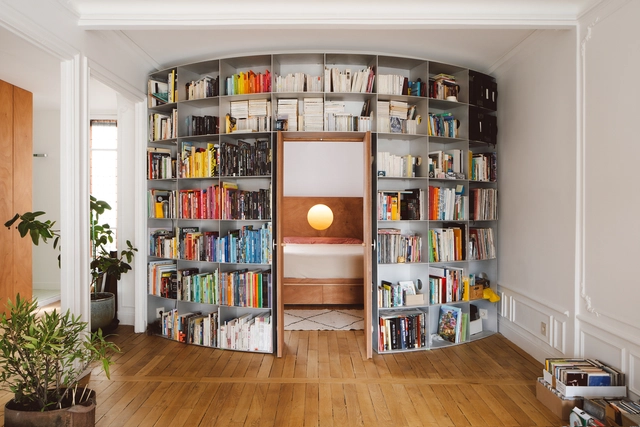
Circles, as a fundamental geometric shape, possess a captivating and harmonious quality that has been seamlessly integrated into architecture and design across various eras and styles. From subtle accents to bold focal points, the use of circles in interior design transcends mere ornamentation, often symbolizing continuity, connection, and a soothing visual rhythm. With their endless and unbroken curves, they offer a sense of unity, movement, and balance that can transform spaces into inviting and aesthetically pleasing environments – an effect especially useful for interior design. In this article, we take a look at 27 projects from our ArchDaily database that illustrate circular forms in interiors across the globe.
Sanders highlighted the results of a five-year assessment of the LAF fellowship program and its efforts to grow the next generation of diverse landscape architecture leaders. The assessment shows that past fellows are shaping the future of the built environment in key public, non-profit, and private sector roles.
Videos
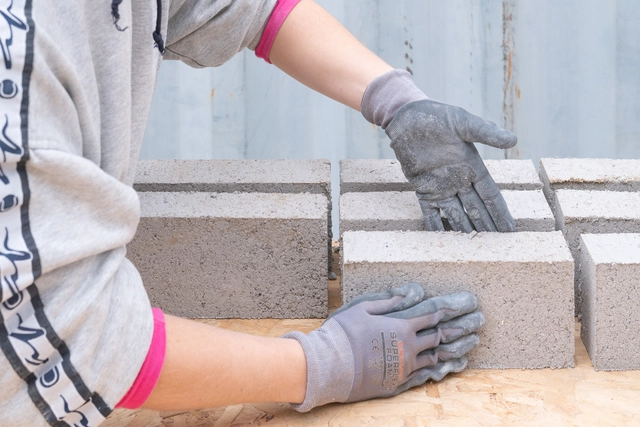
Gent Waste Brick. Image Cortesia de Carmody Groarke
There are several symbols that transcend language barriers and are easily recognized and understood by people from different cultures. Examples include the male and female bathroom icons, the cross symbolizing health, and the universal Wi-Fi symbol. Among these universal icons is the recycling symbol, conceived in 1971 by Gary Anderson, an architect and designer who was a student at the University of Southern California. Depicting a continuous cycle, it is a triangle with three arrows arranged clockwise, each of which represents the industry, consumers and recycling.
Central to the concept of the circular economy is the reintegration of materials typically viewed as waste back into the production cycle. This concept is particularly important for the construction industry, which has historically depended on the destruction and extraction of resources in order to exist. In this case, nothing is more symbolic than the brick, which not only represents the construction of new things, but is also the perfect example of how to apply the concept of circularity. Creative minds have embraced the challenge of circularity, devising solutions that transform discarded materials into high-value resources and generating a wide range of products, using raw waste materials that range from seaweed and plastics to human hair. These innovations not only address pressing environmental issues but essentially redefine the way we build and inhabit our spaces. In this article, we highlight seven initiatives that are turning waste into bricks.
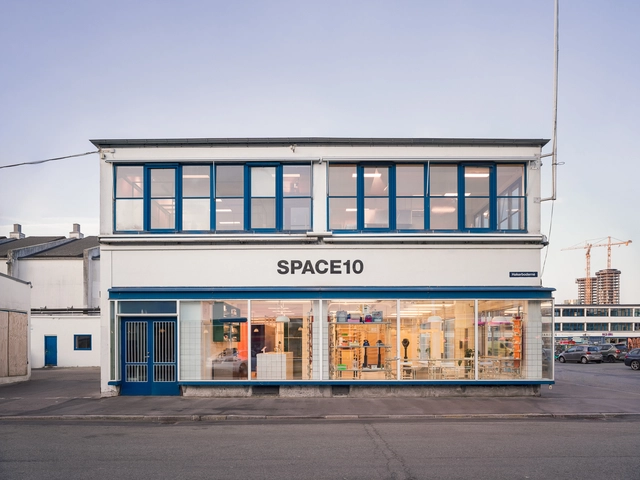
Sede de Copenhague – Fotografía de Hampus Berndtson . Image Cortesía de SPACE10
Ten years ago, SPACE10 was born as a pioneering platform ushering in a novel approach to corporate innovation, consolidating itself for its ability to be open, democratic, driven by a playful purpose, and community-oriented. Composed of a small core team of around 23 people based in Copenhagen, their efforts have focused on combining the power of creativity, science, and technology to find solutions that address the accelerated climate crisis and social injustices.
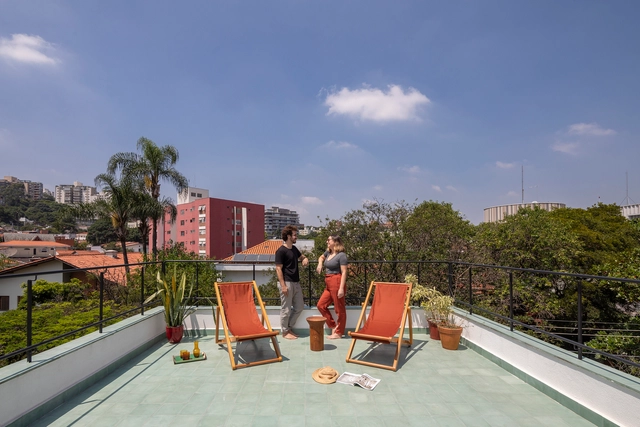
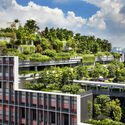
The tradition of modern architecture confirms that building roofs are usable spaces as significant as indoor areas. After all, the garden terrace is one of the five points of new architecture, according to Le Corbusier. Although he popularized the concept, the use of rooftops dates back even earlier, encompassing various roles across time, from lookouts for ancestral astronomical studies to more contemporary cultivation areas, passing through the bureaucratic accommodation of electrical and sanitary installations. By offering open space and direct sky access, building roofs have evolved. In dense urban landscapes, converting this space into a leisure area is a logical choice.
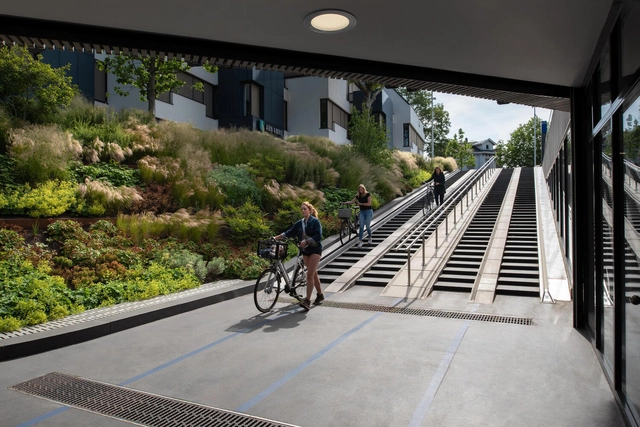
Ever since the birth of our cities, we’ve made sure to protect the green spaces within them. Civilizations as far back as the Romans built expansive parks in the heart of the city with ‘Rus in Urbe’ – translating as ‘Country in the City’ – still referenced today. In order to control the urbanization boom of the mid-20th century, meanwhile, greenbelt policies across many European cities literally ring-fenced the natural environments surrounding them, making air quality and easier access to nature a part of city life.
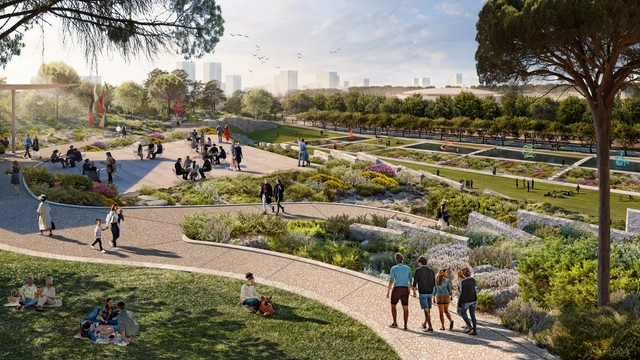
The post-pandemic city, however, is a new breed of conurbation, and these city parks and greenbelts are no longer enough. As we migrate away in search of greener, healthier climes, the cities we’re leaving are evolving, proving they can be green too by exchanging lesser-used black surfaces of roads and structures for natural grass- and parkland. These four projects from across Europe transform unused city spaces back into the natural and regenerative green environments they once were.
Founded in Paris, France, Tektonn Architecture established its permanent office in Chengdu, China, in early 2018. Architecture connects places and people through the act of building; it is about life, environment, memory, and heritage. We strive to respond through sincere design, build with ingenuity, and observe from an objective perspective. Creating from the environment is the very origin of the name Tektonn.
We excel at observing and listening, where every design begins with a rational and meticulous reading of the site. Driven to explore, we continuously push established boundaries to discover creative ideas and realization possibilities. Methodical by nature, we uncover latent connections and site logic amidst complex realities, evaluating how scale impacts the environment. Committed to the pursuit of detail, we study spatial experience through openness and closure, yin and yang, and proportion, analyzing shifts in human behavior. We are architects in action, dedicated to researching materials and finding the most appropriate local construction methods to build comfortable spaces where stories can unfold.
This article is the fifth in a series focusing on the Architecture of the Metaverse. ArchDaily has collaborated with John Marx, AIA, the founding design principal and Chief Artistic Officer of Form4 Architecture, to bring you monthly articles that seek to define the Metaverse, convey the potential of this new realm as well as understand its constraints.
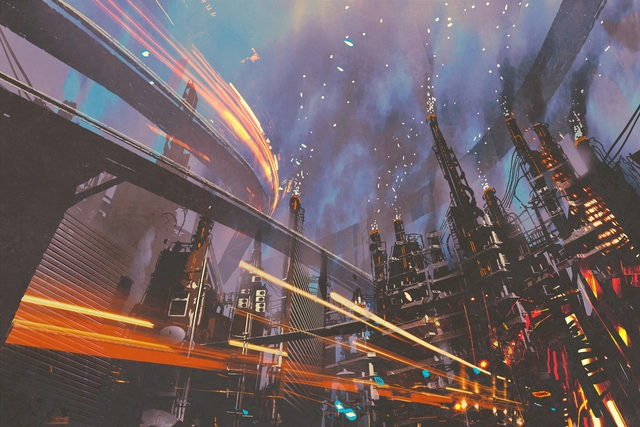
Science fiction writers inspire us with bold and provocative visions of the future. Huxley, Orwell, Assimov, and Bradbury easily come to mind. They have imagined great advances in technology and oftentimes predicted shifts in social structure that were a result of the human need to open Pandora's Box. A large part of the charm and allure of science fiction is the bold audacity of some of these predictions. They seem to defy the laws of nature and science, and then, faster than you might have thought, the spectrum of human inventiveness makes it so.
Cantercel, France, 2022. Image Courtesy of forty five degrees
When talking about space-making practices, architects and urban planners are usually thinking about participatory planning and collaborative processes, often overlooking the ways in which the communities themselves can become their own agents of change. As the people poses an intimate knowledge of not only their environment, but also of social and cultural norms, the needs of their communities and latent opportunities within their surroundings, they are often the ones initiating actions, supporting their peers and contributing positively to their locality. Research-focused office forty five degrees set out to explore these grass-roots initiatives, to meet the locals and gather their stories in an effort to gain a better understanding of the complex and diverse cultural territories across Europe. Their journey, organized under the “Radical Rituals” project, follows the 45°N parallel line that transverses Europe from East to West. The office has been selected as part of ArchDaily's 2023 New Practices, an annual survey aimed at showcasing those who adress the ever-growing challanges of our times and take architecture to new directions.
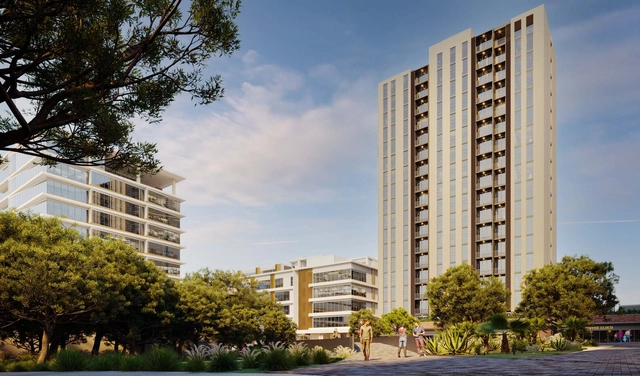
Given the reality of climate change and the role that architecture and construction play in this arena, finding new ways to build sustainably is imperative. That is why accelerating the transition toward a zero-emissions future will only be possible through net-zero construction. The Holcim team has developed a range of solutions to achieve this goal, such as the one implemented in the Torre Moranta project in Mexico.
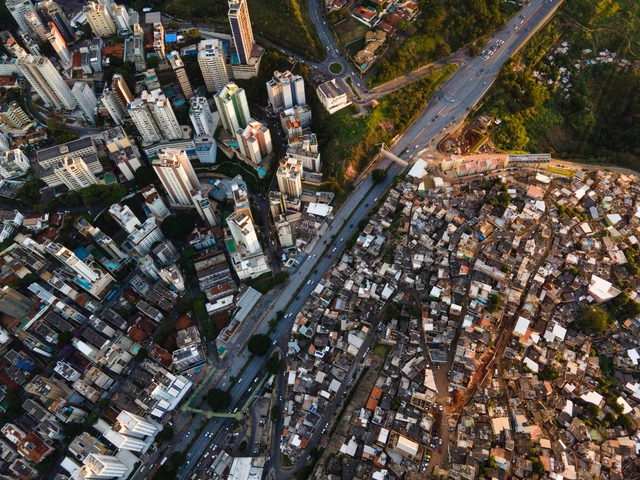
Housing has always been a significant issue in metropolises. It accommodates the city's population and can impact other urban concerns, such as the necessary commute between home and work or school.
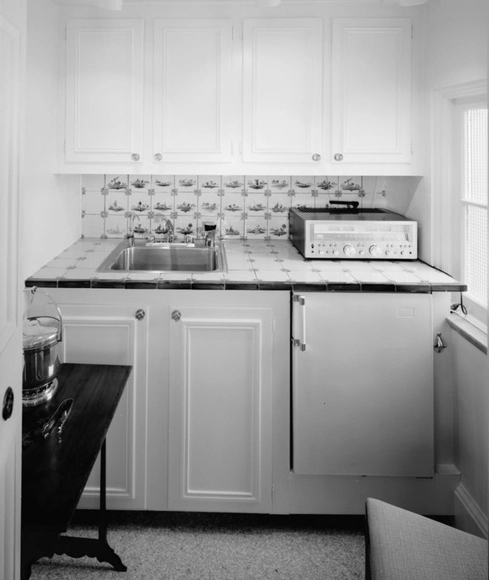
Broadly, urban densification enjoys widespread acceptance in urban planning. In today's context, the correlation between densification and housing is addressed by designing high-rise buildings with smaller floor areas. This approach yields apartments with minimal functionalities, known in Brazil as kitchenettes. As with any architectural type, these compact residences have advantages and disadvantages, serving either as a model of efficiency or as an illustration of housing instability.
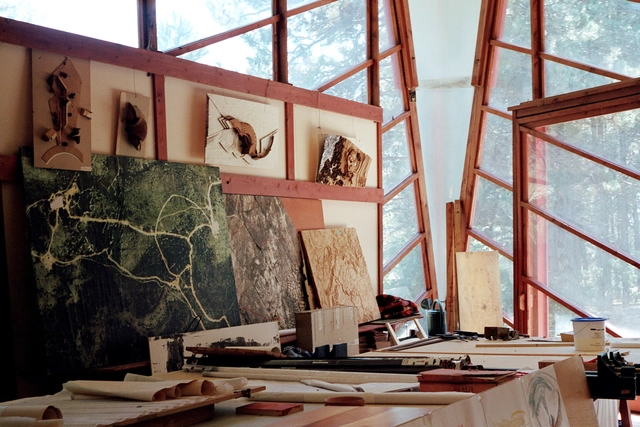
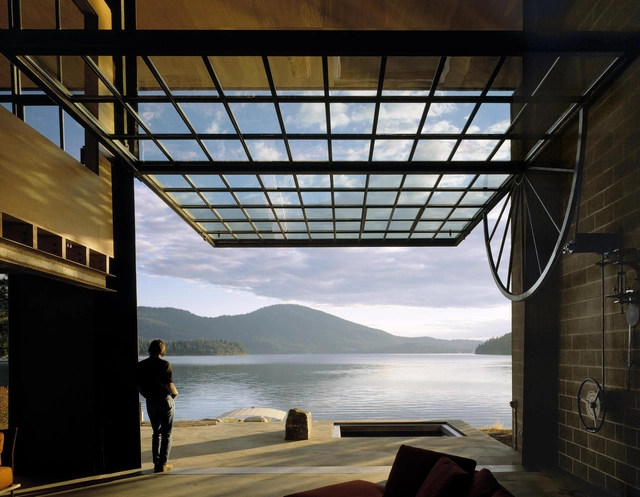
Seattle-based Olson Kundig is a prime example of how a firm's design approach is shaped by geography and culture. Founded by Jim Olson (Jim Olson) in 1966, the firm now comprises hundreds of employees and four other partners, including Tom Kundig. The practice boasts a wide and diverse portfolio. In lectures and interviews, Kundig frequently discusses how his upbringing in a region with a rich history of mining and logging influenced his industrial and rational aesthetic, his use of durable, low-maintenance materials, and his keen focus on craftsmanship. At the same time, an imaginative approach that emphasizes kinetic elements and blurs the boundaries between indoors and outdoors is a hallmark of many of the firm's designs. This is often achieved through the integration of manual, hand-operated devices that allow users to physically activate the building, connecting them to the environment, the architecture, and its kinetic mechanisms.
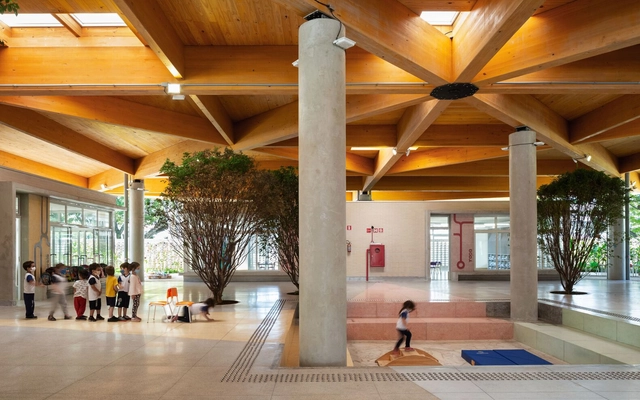
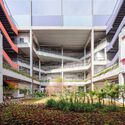
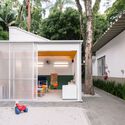
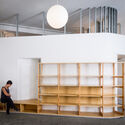
Today, Brazil celebrates Student Day. Established in 1927, the date marks access to a fundamental right for all citizens: education. Nearly a century later, new pedagogies and ways of looking at learning have emerged, bringing with them new architectures that embrace both pedagogical and technical advancements. With this in mind, we have gathered seven examples of Brazilian educational spaces designed after 2020. Through solutions that highlight key design aspects, these projects help outline a brief overview of contemporary references on the subject.
The recent release of the first results from the 2022 Census is fantastic news for anyone who believes in using data to guide business and public policy. The debate surrounding them has already begun, and the real impact will be long-term. From housing policy to legislative representation, much can change because of this survey. Still, caution and chicken soup never hurt anyone, as the saying goes—even if I do not particularly care for the soup.
The Second Studio (formerly The Midnight Charette) is an explicit podcast about design, architecture, and the everyday. Hosted by Architects David Lee and Marina Bourderonnet, it features different creative professionals in unscripted conversations that allow for thoughtful takes and personal discussions.
A variety of subjects are covered with honesty and humor: some episodes are interviews, while others are tips for fellow designers, reviews of buildings and other projects, or casual explorations of everyday life and design. The Second Studio is also available on iTunes, Spotify, and YouTube.
This week David and Marina of FAME Architecture & Design discuss the unique challenges of residential remodels and how they solve them. The two cover project scope and vision, design analysis, three different types of remodel projects and how they should be approached, predicting and planning for construction surprises, having an adaptable mindset, the most common challenge clients face (scope creep), and more.
https://www.archdaily.com/1005381/the-second-studio-podcast-overcoming-the-challenges-of-remodelsThe Second Studio Podcast
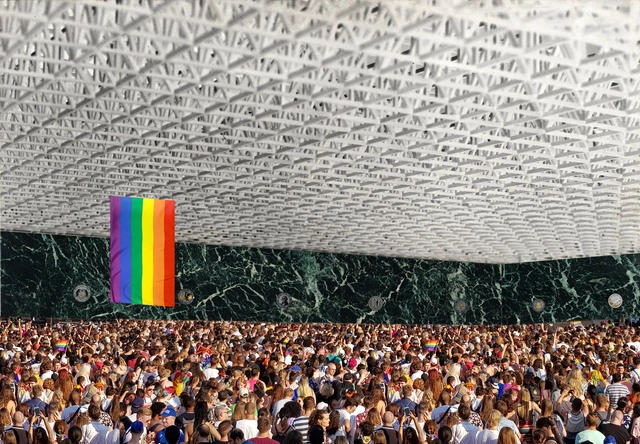
It is no secret that gender issues permeate our entire social and systemic organization, directly reflecting the duality of "feminine and masculine roles" and their mechanisms of gender oppression. Architecture and urbanism are no exception. Over the centuries, cities and their buildings have been maintained and transformed to prioritize the demands of a very specific user profile. This structure obviously overlooks other identities and forms of appropriation—namely, actual demand in all its diversity of social class, gender, race, age, and sexual orientation. These plans and designs are disguised under a "neutral" conception, yet they actually reproduce the perspective of a middle-class white man.
Image courtesy of Apparatus Architects and Alvaro Arancibia
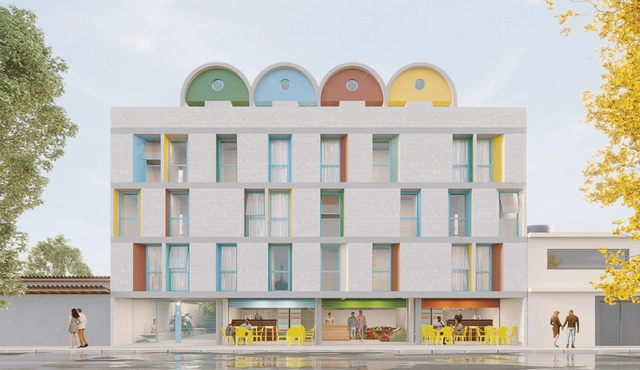
The +Lapena Habitar project, a partnership between the Tide Setubal Foundation and BlendLab, seeks to contribute to the urban transformation of peripheral neighborhoods through a new production model for social housing (HIS). Building on a process started in 2020, the institutions have been developing a pilot housing supply and management project in São Paulo's East Zone that incorporates aspects of urban development, architecture, strategies for accessing quality housing, pre- and post-occupancy processes, social participation, a rental model, collective management, business model, and financing.
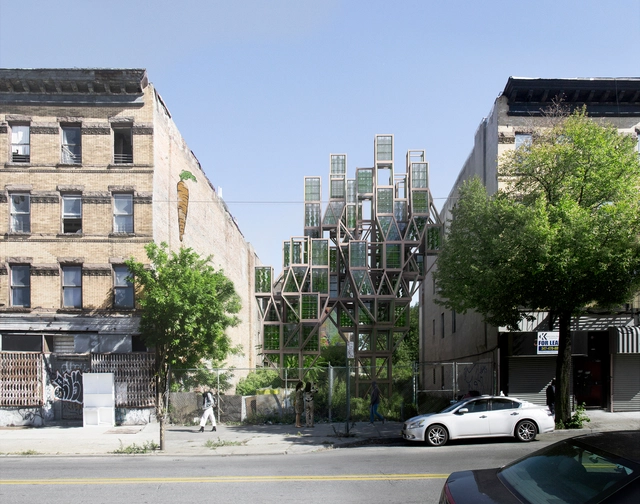
Framlab creates modular vertical urban farms on the streets of Brooklyn. Image courtesy of Framlab
We are living in a state of emergency. Since the dawn of industrialization, we have rushed through our planet's finite resources as if they were limitless, depleting and destabilizing the very ecosystems we depend on for our sustenance, economy, food, health, and quality of life.
In just 50 years, we have lost more than half of the world's wildlife. Currently, the Earth is on track to warm beyond 1.5 degrees Celsius, which scientists warn is a hard planetary boundary for existing ecosystems. This is a “code red for humanity,” as described in the IPCC Sixth Assessment Report. Continuing on our current path will mean irreversibly damaging the very conditions that sustain life on this planet.
The job market in architecture and urbanism is highly competitive. High demand for innovative, sustainable, and aesthetically pleasing projects drives intense competition. Moreover, technological shifts and rising client expectations demand constant adaptation. What are the obstacles, opportunities, methods, and "tools and tricks of the trade" required to enter the "jungle" of entrepreneurship? Drawing from the guests' experiences, this special episode offers an open and lively conversation on the subject.
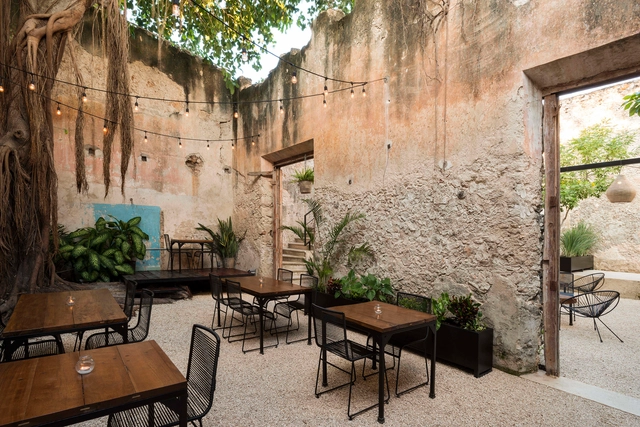
The spatial distribution of a restaurant or bar is essential to its success. Faced with this design challenge, several architects have experimented and proposed configurations that both enhance the use of space in different culinary experiences.
With this being said, take a look at 50 gastronomic establishments in plan and section to inspire your next design.
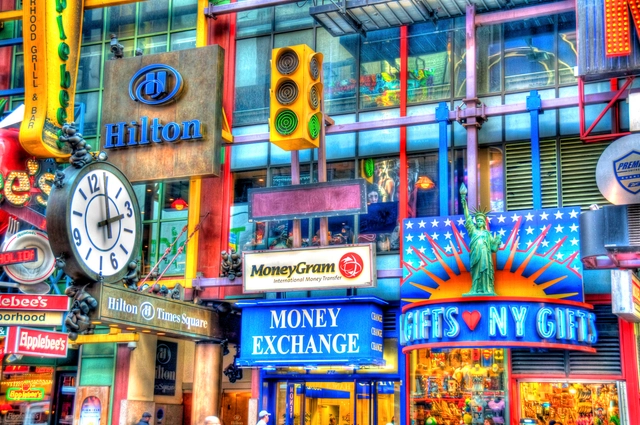
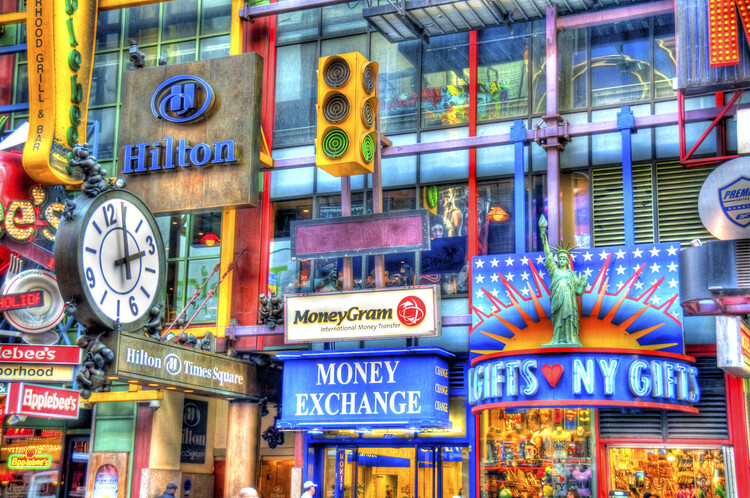
Our daily lives involve constant communication with the city. As we move through different spaces, we ask ourselves questions like "Where am I now?", "Where am I headed?", "What am I looking for?", "What is this building for?", and "How do I experience this space?" While spatial encounters may feel intuitive, environmental graphic design (EGD) provides the answers by serving as an important interface between us and the built environment. It involves the design of graphic elements that merge with architectural, landscape, urban, and interior designs to make spaces more informative, easier to navigate, and memorable. EDG comprises three major elements: text, shape, and color. Text and shapes typically encapsulate the graphic information, but color projects it, amplifies it, and helps communicate it within the packed scenes of the city. In spatial experiences, we perceive colors first, since our senses mostly register visual sensations. Therefore, the strategic use of color is critical for environmental graphics to provide a layered experience of identity imagery, sense of place, and emotional connection.