

Produce personalized presentation boards that distill complex concepts into simple visual representations with a few helpful tools and effects.
Articles
How to Create Architectural Presentation Boards
| Sponsored Content
https://www.archdaily.comhttps://www.archdaily.com/catalog/us/products/37234/how-to-create-architectural-presentation-boards-lumion
The Mosque Between the Past, Present, and its Function Beyond a Religious Space
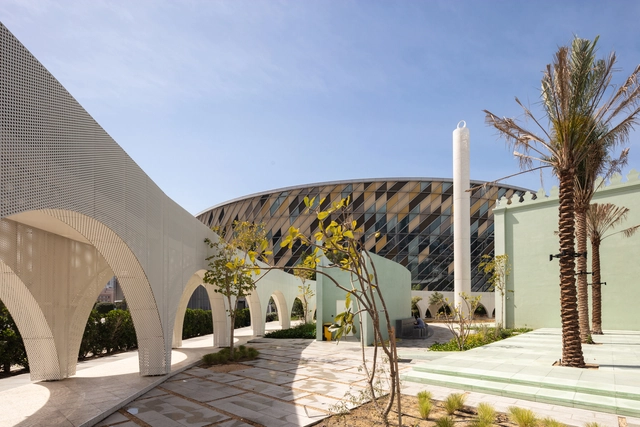
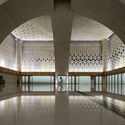
The mosque; the Islamic holy place of prayer, carries a distinct structural characteristic and identity. It is a serene and spiritual architecture that brings individuals closer to their faith and divine entity. Prophet Muhammad's original house in Medina (in present-day Saudi Arabia) is believed to be the first place of prayer, and served as a model for early mosque architecture; a mud-brick structure with living quarters on one side of an enclosed rectangular courtyard. Soon after, the allocation of open spaces in the center of towns where Muslims could gather and pray became more frequent, resulting in several spaces of worship with a universal spatial characteristic: their orientation towards Mecca.
The design process of the mosque started with a single enclosed geometric form, reinforcing the idea of spirituality and seclusion. Soon after, this simple spatial prototype evolved into the first formal hypostyle mosque, known for its vast prayer hall and series or arcades. Variations of this model saw the first mosque in Medina, known as the Quba Mosque (622 CE), the Kairouan Mosque in Tunis (670 CE), and the Umayyad mosque in Damascus (715 CE), some of which incorporated column details from ancient Greek and Roman architecture. However, the role of mosques evolved throughout the years from just a place of worship to an architecture that helps in re-establishing the values of Islam and offers contributions to society, including educational, civic, and ceremonial.

https://www.archdaily.com/999346/the-mosque-between-the-past-present-and-its-function-beyond-a-religious-spaceDima Stouhi
What is Human Centric Lighting (HCL)?
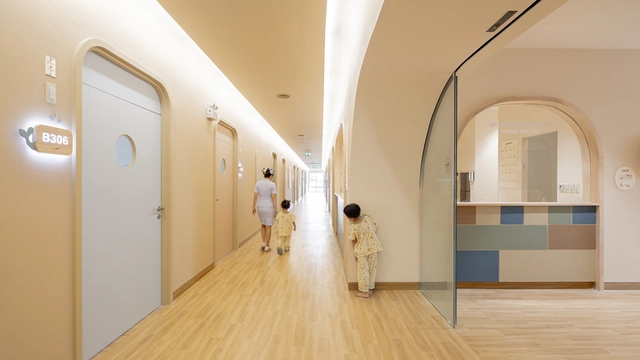
From Thomas Edison's empty glass bulb to AI-controlled LEDs, hundreds of years of constant evolution have passed, which culminated in what we now know as artificial lighting. Edison could not have imagined how dependent we would become on his invention almost two centuries later. It led to a way of life where we spend up to 90% of our time in enclosed spaces deprived of natural light, such as shopping centers and offices. Places where artificial light remains constant throughout the day, without any variation of color temperature or luminous intensity are where artificial lighting practically eliminates day and night differences.




https://www.archdaily.com/999175/what-is-human-centric-lighting-hclCamilla Ghisleni
The History of Portugal’s Long Relationship With Ceramics, and Where it Goes From Here
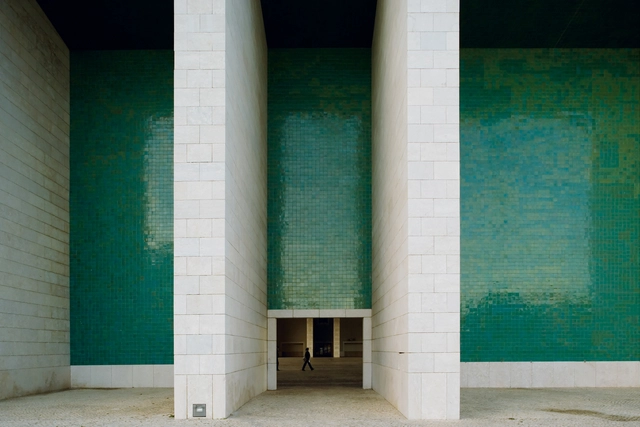
When a country becomes known for its most famous export, the two together can become synonymous with quality. Combinations such as French wine, Italian marble and German engineering are examples of the hallmark of excellence provided simply by a product’s geographic birthplace. While Portugal’s most famous and most passionate exports could equally be cork, football, or egg-based sweet treats, there’s far more to the Portuguese culture and economy than preening soccer players and custard tarts.
While Portuguese culture’s relationship with ceramics is known for the distinctively patterned plates, bowls, and jugs millions of tourists attempt to keep intact on the journey home, few are paying the extra baggage charge for 50 sqm of ceramic tiles. The country’s agreeable climate, however, along with a history of craftsmanship and the natural strength, durability, and pigment of Portuguese clay, means high-quality ceramic facades are an identifiable feature of Portuguese architecture. And the material is exported all over the world for both exterior and interior surfaces.

https://www.archdaily.com/998897/the-history-of-portugals-long-relationship-with-ceramics-and-where-it-goes-from-hereJames Wormald
The Importance of Modern Visualization Tools in Material Specification
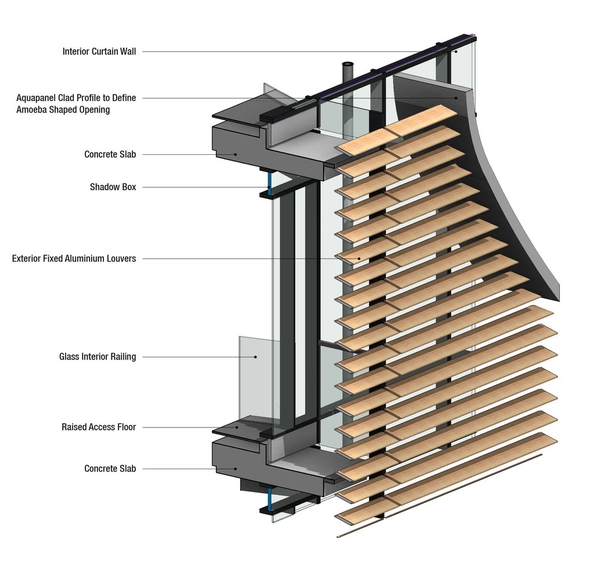
In architecture, choosing the right construction materials is crucial to improve efficiency, ensure structural integrity and maximize performance, ultimately setting the standard for the finished product. But because any building – from its outer skin to its framing system – consists of many layers and parts, understanding how these fit and work can be just as important during design and manufacture. Technical specification of materials and constructive systems plays a key role in conveying this information, providing all of the necessary knowledge, properties and characteristics for any successful project. After all, the more you know about what lies between walls and behind finishes, the better your architecture will be.
https://www.archdaily.com/980276/the-importance-of-modern-visualization-tools-in-material-specificationValeria Montjoy
Sustainable Seating Solutions for Well-Being in the Workplace
| Sponsored Content
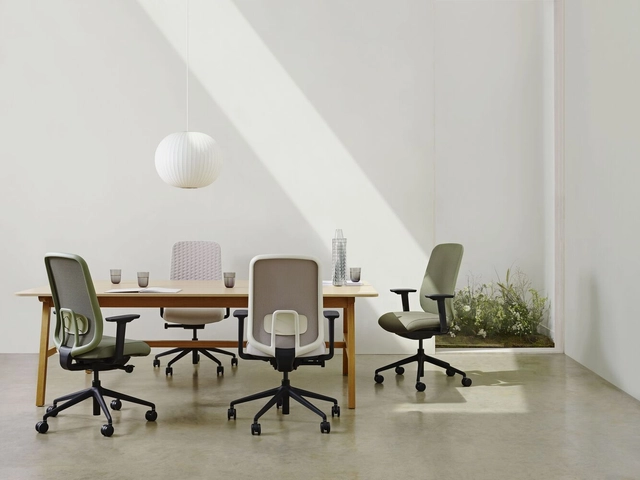
Choosing the appropriate working elements –such as furniture, lighting, flooring, and other equipment– is key for creating an optimal workplace environment. With a positive impact on productivity, as well as the comfort and well-being of team members, designing workplace elements that integrate sustainable, wellness and aesthetic qualities implies a deep understanding of the interactions between these three areas. Minimizing the environmental impact and prioritizing well-being throughout the design process, while also considering the resulting aesthetics, Boss Design’s Sia Task Chair defines a new standard for workplace design.
https://www.archdaily.com/998908/sustainable-seating-solutions-for-well-being-in-the-workplaceCamila Prieto
4 Ways to Bring Biophilia Into the Urban Workspace
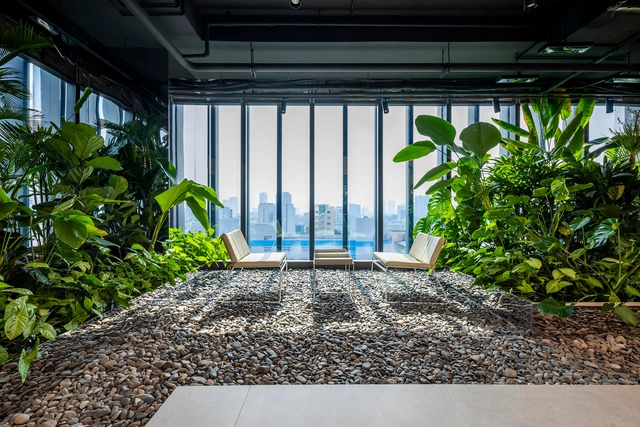
Biophilic office design is not just a passing trend. It rather represents a seismic shift in how we design and build our office spaces and work environments, with every employer from multi-national giants of the industry to two-person bedroom startups getting on board. But this weighed-down bandwagon of empathetic, wellness-focused workspace still has plenty of room on the back.
https://www.archdaily.com/999235/4-ways-to-bring-biophilia-into-the-urban-workspaceJames Wormald
Between Light and Shadow: Exploring Lighting to Create Atmospheres in Architecture
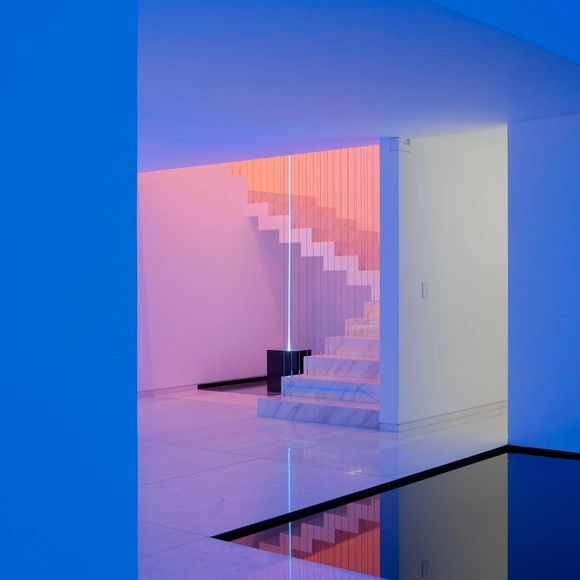
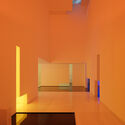
Light is part of various disciplines, shaping the world as we know it. In physics, it serves as a measure of speed and makes vision, and the recording of images by the eye and camera lens possible. Throughout art history, the representation of light - or its absence - has guided secular movements in various manifestations with equally different techniques and supports. This means that light - and its derivative shadow - can create environments, atmospheres and sensations, which can be perceived in objects and spaces. Light is also a part of architecture.



https://www.archdaily.com/999158/between-light-and-shadow-exploring-lighting-to-create-atmospheres-in-architectureHelena Tourinho
Architecture as Activism: Yasmeen Lari’s Eco-Feminist Work
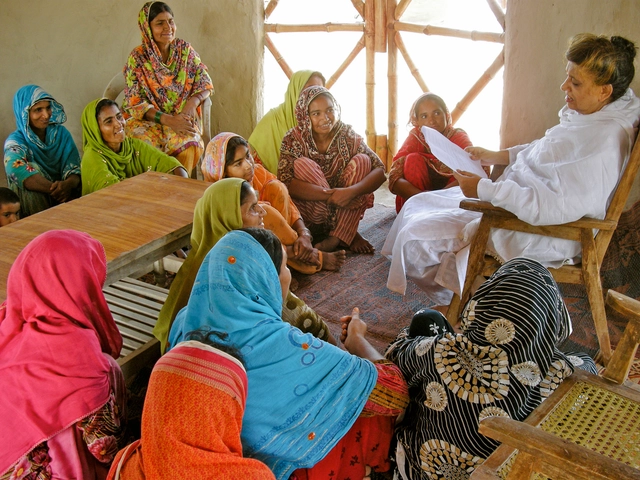
Yasmeen Lari’s Pakistani Chulah - an outdoor stove used by women in South Asia- is a powerful intervention that highlights the architect's commitment to feminist and environmental activism. The project synchronically tackles issues of deforestation, pollution, and health hazards faced by women in rural areas. Her design is systemic, locally specific, and conscious of the needs of society’s most vulnerable - women and nature. Her vast body of humanitarian work elaborated on in Yasmeen Lari: Architecture for the Future, opens up a dialogue for viewing architecture through an eco-feminist lens.


https://www.archdaily.com/999188/architecture-as-activism-yasmeen-laris-eco-feminist-workAnkitha Gattupalli
10 Works of Architecture to Pay Tribute to Rafael Viñoly
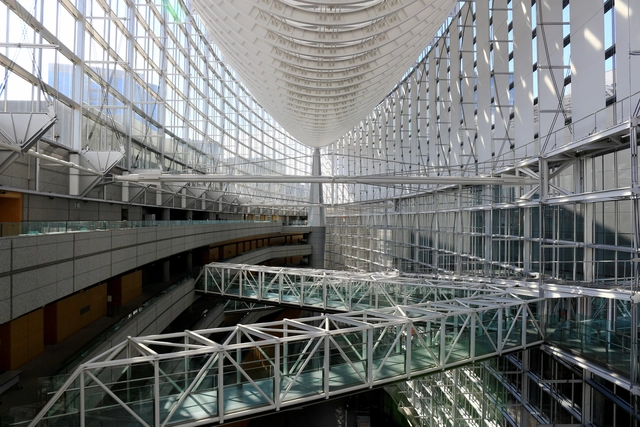
Addressing diverse scales, users, and themes, Rafael Viñoly has been involved in numerous architectural projects ranging from museums and educational facilities to airports and skyscrapers. Beyond the economic, geographic, technological, social, or cultural variables he has faced, the wide range of works he has left us as a legacy is the fruit of a trajectory that we propose to go through from his beginnings in the profession to his most controversial and most recent projects.
https://www.archdaily.com/998397/10-works-of-architecture-to-pay-tribute-to-rafael-vinolyAgustina Iñiguez
Vertical Stacking in Norway and a Suburban Residence in Greece: 8 Collective Housing Schemes Submitted by the ArchDaily Community
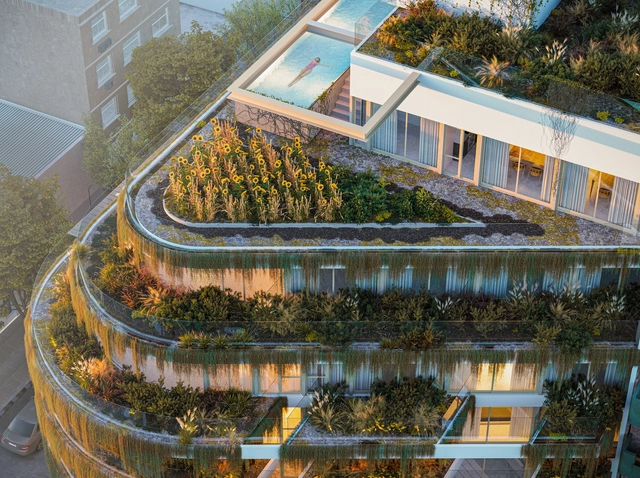
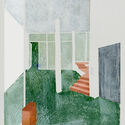
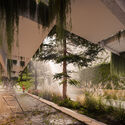
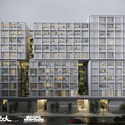
Over the past years, collective living has become a solution many city dwellers turn to. It is usually a stand-alone structure or a group of buildings that include both individual, private dwellings and common areas. Their main use is residential and they are often located in the center of the city, giving residents full access to a wide range of services. In today’s economy, many people prefer living in collective housing schemes where maintenance of the common areas is taken care of, while also having their individual spaces.
This week’s curated selection of Best Unbuilt Architecture highlights visionary collective housing schemes submitted by the ArchDaily community. From a housing complex in Zurich that explores the boundaries of privacy, a pre-sale property development situated in the “Garden City of Buenos Aires,” and a suburban residence in Athens, this round-up of unbuilt projects highlights how architects are moving forward from conventional residential architecture, pushing the boundary of community, collaboration, and participation.


https://www.archdaily.com/999138/vertical-stacking-in-norway-and-a-suburban-residence-in-greece-8-collective-housing-schemes-submitted-by-the-archdaily-communityNour Fakharany
The Architecture of Circular Courtyards in Mexico
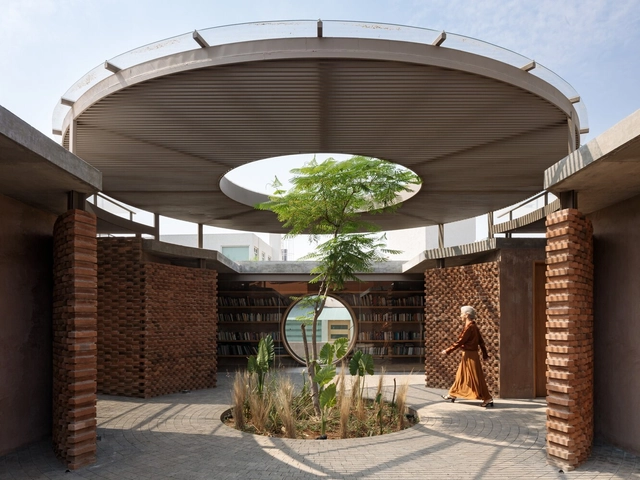
One of the most important factors when designing is the specific climate of the site. This can be a difficulty when dealing with extreme climates and it is necessary to use insulating materials that adapt to the changing conditions. However, when talking about Mexico and its particular climate this works in the architects' favor allowing them to create microclimates and spaces that blur the transition of what turns out to be indoors and outdoors.
https://www.archdaily.com/995780/the-architecture-of-circular-courtyards-in-mexicoMónica Arellano
From Open Plan to Remote Work: The Evolution of Architecture Practices Over Time

The first image that comes to mind when we think of an office is a place with a table and chair. But it was not always the case. In the Middle Ages, monasteries were the main places for study and knowledge, with private rooms designed to help monks concentrate when researching. However, records state that such spaces were uncomfortable since scholars remained standing most of the time.


https://www.archdaily.com/995700/from-open-plan-to-remote-work-the-evolution-of-architecture-practices-over-timeCamilla Ghisleni
28 Houses With Utility Rooms and Other Specialized Spaces
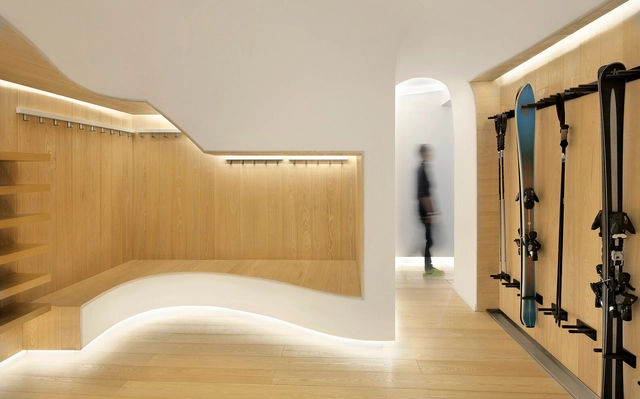
The traditional architecture of the past can sometimes seem a long way from the modern, open-plan environments we enjoy today. But while some seemingly bygone upper-class room typologies like parlors, drawing rooms, and smoking rooms still exist by other names – dens, snugs, and man caves, to name a few – other architectural intricacies are more rarely replicated.
Back staircases, sculleries, and drying rooms, for example, were at one stage imperative for properties of a certain size and status to function. But just like a woolen jumper accidentally washed on the wrong setting, technology has reduced the size of laundry workspaces over the past century. Small homes like Under the Barao’s Sky Apartment in Sao Paolo, Brazil, for example, are now able to replace separate laundry rooms and pantries with all-in-one kitchen-diners that integrated small washing/drying appliances into an open kitchen layout, leaving more room for living.


https://www.archdaily.com/995451/13-houses-with-utility-rooms-and-other-specialized-spacesJames Wormald
What is Subscription Economy in the Context of Architectural Production?
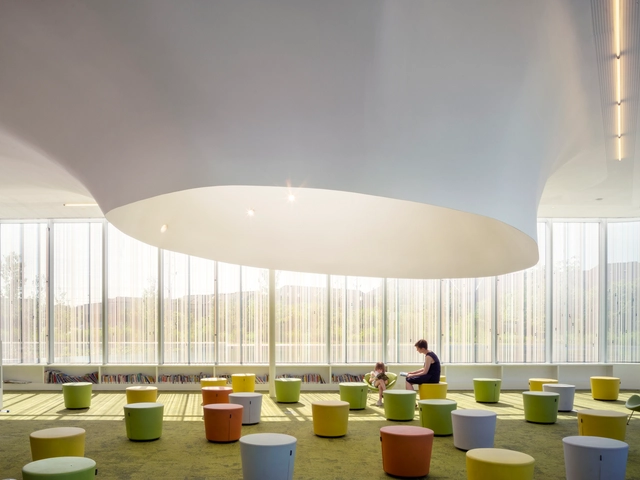
Subscriptions are quickly becoming an integral part of everyday life. For example, streaming platforms have completely replaced the need to own video cassettes, while ride-sharing services partially cover the need to own a private car. Subscriptions have been largely understood as digital services, but a new trend suggests that the same concept could be transferred to physical objects in the near future. Instead of owning a fridge, a washing machine, or even light bulbs, one could acquire a subscription to ensure the freshness of produce, clean clothes, and a well-lit home.
The concept is known as the “subscription-based economy,” a variant of the “circular economy” notion. It postulates that instead of owning some of the objects used every day, one could subscribe to a service to gain access to the same benefits, but without the need to own, maintain or dispose of the object in question. Consumers no longer buy products; they buy access to services. Sometimes, it would mean simply leasing the object instead of purchasing it, but the model goes one step further. It inscribes a shift of responsibility and mentality. Because consumers no longer own the objects, the responsibility to reuse and recycle falls to the producers, who are now in charge of the entire life cycle of the objects they create.

https://www.archdaily.com/995866/what-is-subscription-economy-in-the-context-of-architectural-productionMaria-Cristina Florian
How To Apply Biophilic Design In Contemporary Architecture? A Selection Of Works In The Philippines
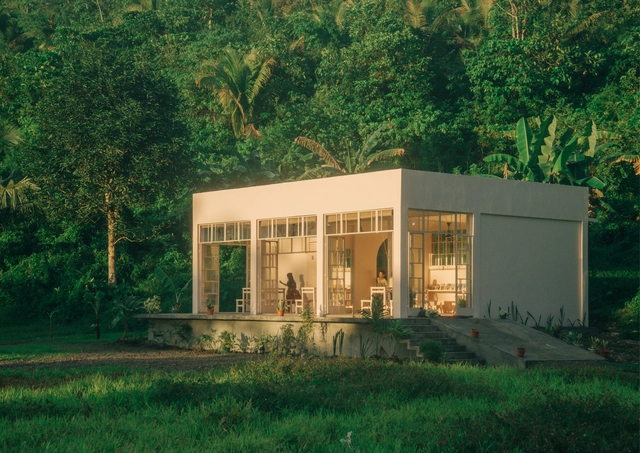
Since the first civilizations, nature has been a fundamental pillar to serve humanity as a natural habitat, offering shelter, food, and medicine. In modern times, industrial and technological revolutions have taken over the landscape, reshaping the way humans interact with nature. However, today and due to the events that we have experienced as a society, it is necessary to focus on creating cities and spaces that integrate nature into everyday life.
https://www.archdaily.com/998584/how-to-apply-biophilic-design-in-contemporary-architecture-a-selection-of-works-in-the-philippinesMónica Arellano
The Impact of Daylight on a School Renovation Project in Copenhagen
| Sponsored Content
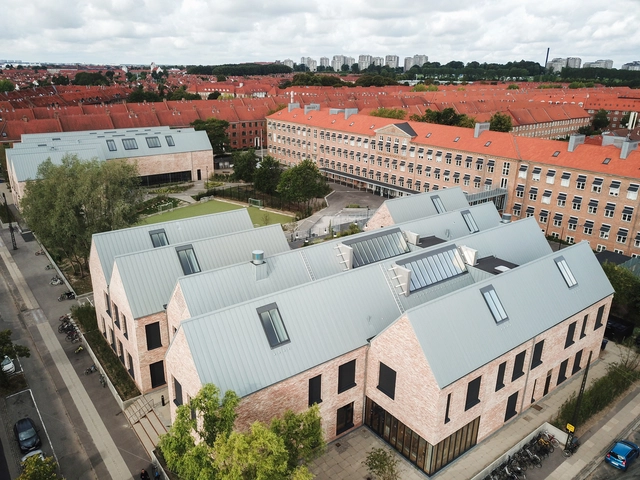
Architects have always considered the positive influence of natural light on the health and mood of a building's occupants, but measuring its actual benefits was a challenge for a long time. However, the past few decades have seen significant progress in this area, with research such as the comprehensive study conducted by the Heschong Mahone Group, which analyzed more than 21,000 student tests in three school districts in California, Washington, and Colorado. The results showed that students in classrooms with more natural light had a 20% faster learning progress in math tests and 26% on reading tests, compared to students in classrooms with less natural light. Many other studies reinforce that including natural light in spaces has immense long-term benefits for societies, especially during a child's valuable formative years, who spend about 90% of their time indoors and about 200 days a year in classrooms.
https://www.archdaily.com/998587/the-impact-of-daylight-on-a-school-renovation-project-in-copenhagenEduardo Souza
Melancholy and Architecture: Interpretations of Aldo Rossi and the San Cataldo Cemetery
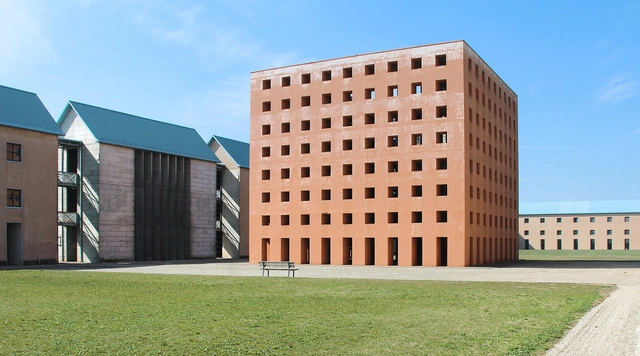
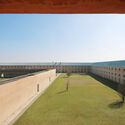
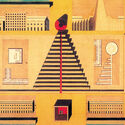
Cemeteries are among the architectural programs with the greatest symbolic value. They suggest rituals, rigor and solemnity while offering some comfort or hospitality, if not for those who bid farewell to their loved ones, at least to "guarantee" a dignified afterlife for those who have passed away. The San Cataldo Cemetery, designed by Aldo Rossi and Gianni Braghieri, fulfills the first part of the previous statement. Partly because the project was not entirely built, austerity and empty spaces predominate. But when considering the proposed project, perhaps the aridity would remain, and the harshness would be felt more forcefully. Composed of buildings with almost abstract, pure shapes, without noble details or cladding, the cemetery project is a good example of Aldo Rossi's production at the time of its conception, around 1970.

https://www.archdaily.com/998917/melancholy-and-architecture-interpretations-of-aldo-rossi-and-the-san-cataldo-cemeteryHelena Tourinho
Light Matters: Richard Kelly, The Unsung Master Behind Modern Architecture’s Greatest Buildings
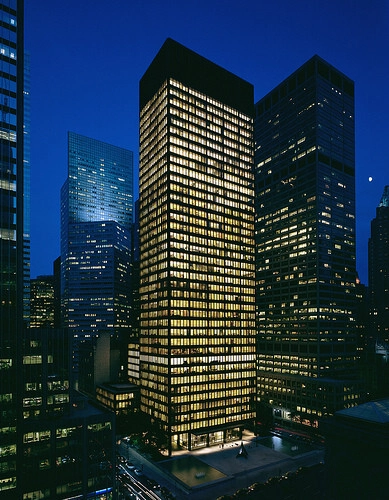
Richard Kelly illuminated some of the twentieth century’s most iconic buildings: the Glass House, Seagram Building and Kimbell Art Museum, to name a few. His design strategy was surprisingly simple but extremely successful.
Lighting for architecture has been and still often is dominated by an engineering viewpoint, resigned to determining sufficient illuminance levels for a safe and efficient working environment. With a background in stage lighting, Kelly introduced a scenographic perspective for architectural lighting. His point of view might look self-evident to today’s architectural community, but it was revolutionary for his time and has strongly influenced modern architecture.
https://www.archdaily.com/501008/light-matters-richard-kelly-the-unsung-master-behind-modern-architecture-s-greatest-buildingsThomas Schielke
The Story Behind a Medieval Tower Restored to Reflect the History of an Overlooked Neighborhood in Cluj-Napoca, Romania
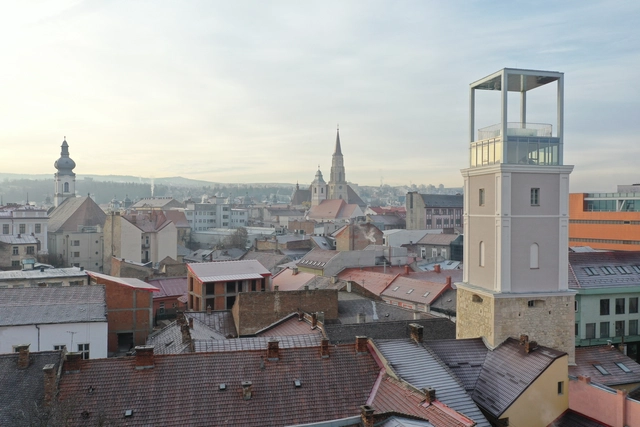
The skyline of Cluj-Napoca, a city located in the Transylvania region of Romania, is defined by a mosaic of historical and modern buildings, giving the city a unique and diverse appearance. Among the visible landmarks, the Firefighters' Tower, or "Turnul Pompierilor" in Romanian, stands out for its mixture of styles, from Medieval stonework to Baroque detailing and contemporary interventions. Despite it being a relatively small monument, with a ground floor area of just under 50 square meters, the tower holds layers of history narrating the evolution of its neighborhood and city, from its beginnings during Medieval times until the present day. Left derelict in recent years, a new intervention by Vlad Sebastian Rusu B.I.A and Octav Silviu Olănescu B.I.A. aims to restore the tower's position as a repository of local history and an attractive space for residents and visitors alike. This article explores the story behind the Firefighters' Tower both narratively and visually, through the lens of Cosmin Dragomir.

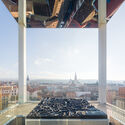
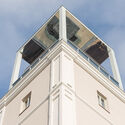
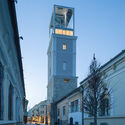

https://www.archdaily.com/999079/the-story-behind-a-medieval-tower-restored-to-reflect-the-history-of-an-overlooked-neighborhood-in-cluj-napoca-romaniaMaria-Cristina Florian
Converting Plant Biorhythms into Real Time Music for Indoor Environments
| Sponsored Content

Studies reveal that we spend roughly 90% of our time indoors, and even when we do venture outside, we often remain tethered to technology, with a speaker in our ear, smartphone in our hand, or both. To address this, architects and designers have been pursuing innovative methods for incorporating nature into our living spaces. After already embracing green walls, seamless indoor-outdoor living areas, and strategic natural lighting, it looks like exploring the world of sound is next.
Enter plant music, the latest trend propelled by a device called PlantWave, that’s taking social media by storm. This unique device, developed by Data Garden, invites us to experience nature in a whole new way, with just a single tap.
https://www.archdaily.com/998626/converting-plant-biorhythms-into-real-time-music-for-indoor-environmentsRene Submissions
What Is Kitsch Architecture?

Some authors claim that the term kitsch has German origins and arose in artistic vocabulary around 1860 from the verb kitschen/verkitschen (to cheat, to sell something instead of something else). Others, such as Guimaraens & Cavalcanti (1979), affirm that the term comes from the English language, from the word sketch. In the second half of the 19th century, when American tourists wanted to buy a work of art at a cheap price, they asked for a sketch.





https://www.archdaily.com/998854/what-is-kitsch-architectureCamilla Ghisleni
Young Architects Innovate for Better Sleep in Space and (Hopefully) on Earth
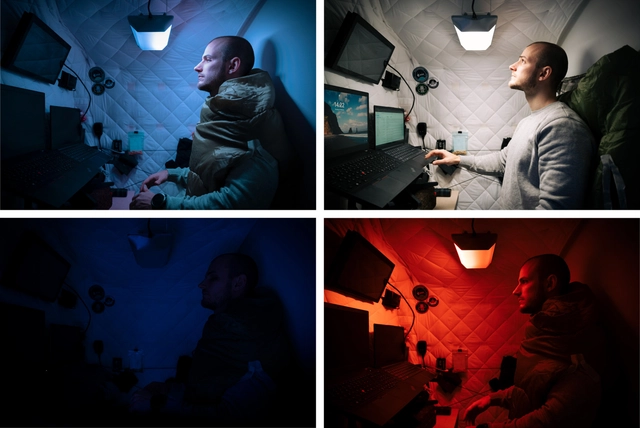
Since Yuri Gagarin's iconic pioneering flight in 1961, only 565 human beings have had the privilege of traveling into space. This extreme venture requires a high degree of devotion, extraordinary physical and intellectual preparation, and huge investments. Space exploration has the potential to benefit humanity in many ways, especially regarding the development of new technologies and the generation of scientific knowledge. Many of these technologies are already available to the public, such as GPS, water filters, or highly resistant fabrics. But while we often imagine astronauts floating in space and observing the Earth from a unique vantage point, many of them face the difficulty of sleeping and resting in space due to the lack of natural light. It is this issue that motivated a group of young Danish architects to develop a solution to improve the daily lives of astronauts in space, but also of many people on planet Earth who suffer from the same problem.
https://www.archdaily.com/998905/young-architects-innovate-for-better-sleep-in-space-and-hopefully-on-earthEduardo Souza
Where Design Meets Innovation: What to Expect from BAU 2023
| Sponsored Content
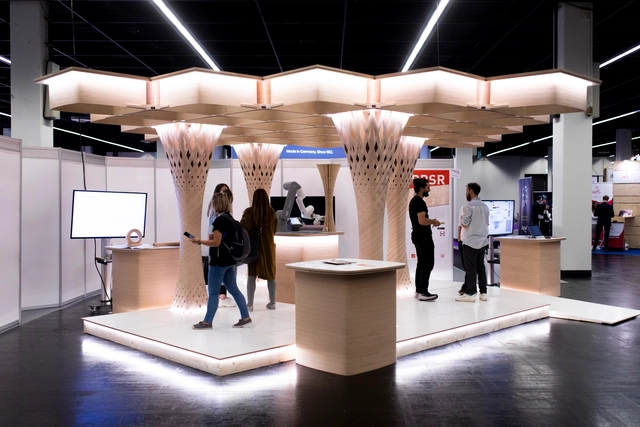
Fueled by pressing issues such as the climate crisis, population density and rapid urbanization, the built environment has become increasingly complex. Architecture and design professionals are faced with a challenging, yet fundamental task: to translate society’s ever-evolving needs into tangible and future-oriented solutions. In pursuit of this goal, they must embrace the countless tools, materials and technologies emerging every day in the construction field –from AI to virtual reality software and smart home systems. After all, to remain at the forefront in an industry where change is the norm, the ability to adapt and evolve is crucial for success.
https://www.archdaily.com/998912/where-design-meets-innovation-what-to-expect-from-bau-2023Valeria Montjoy