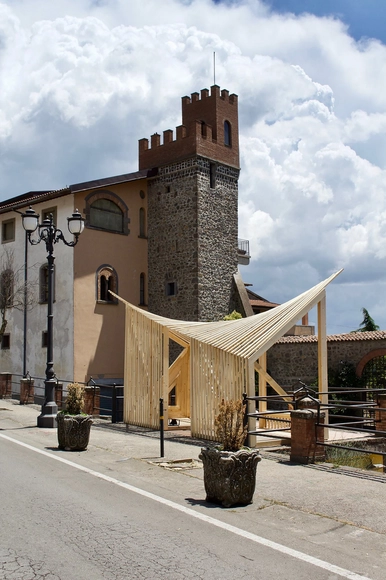
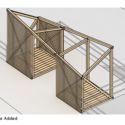
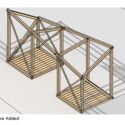
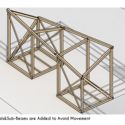
With the common goal across their portfolio of enhancing the landscape, Camposaz has designed a tourist information pavilion in Roccamonfina, Italy. The wood pavilion is sited just off of a pedestrian path, overlooking the adjacent public park with stunning views of the nearby mountains, a driver in the design.
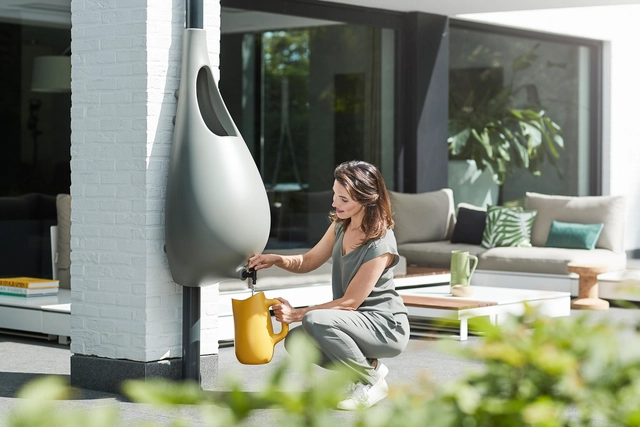
Earlier this month, Studio Bas van der Veer, the Dutch product design studio, unveiled its design for a rain barrel at the three-day fair, spoga+gafa 2017, in Cologne. Van der Veer, a graduate of the Design Academy Eindhoven, initially designed the product – then titled ‘A Drop of Water’ – as part of his thesis in 2009, for which he not only won the prestigious René Smeets Award for best project at the school’s Graduate Galleries exhibition but was also shortlisted for the Melkweg Award. Over the years, the design won numerous accolades, including the Journées des Collections Jardin - Innovation Award, and the Tuinidee Award.
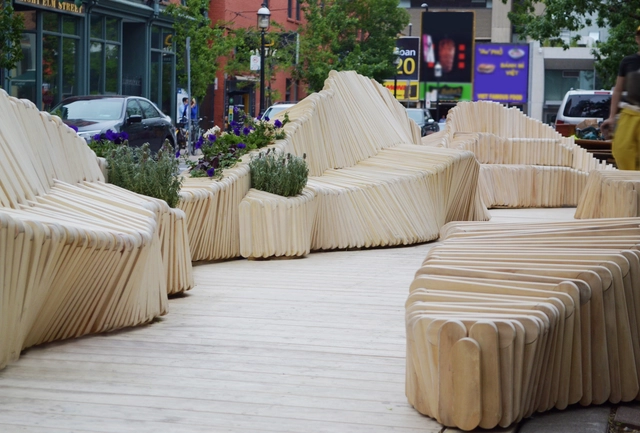
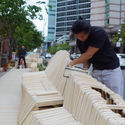
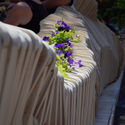
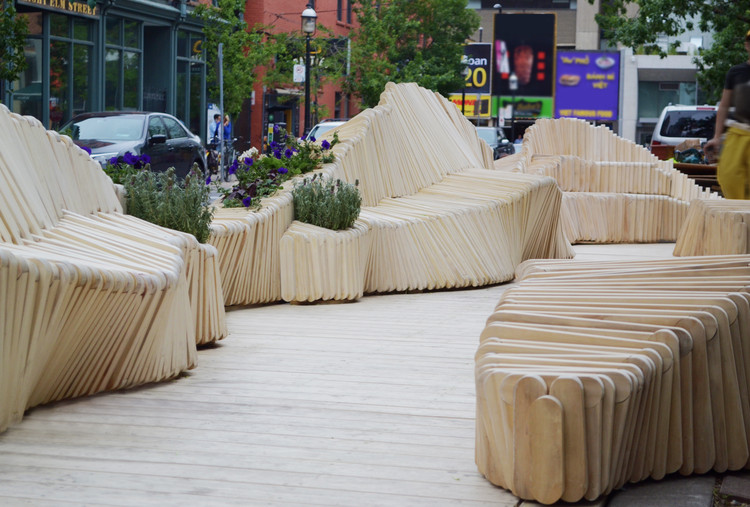
This modular design developed by the students of the Department of Architecture Sciences at Ryerson University proposes a public space to sit and relax that works as an extension of the walkway, appropriating and giving a new meaning to the parking spaces in the streets of Toronto.
The project, with a natural wave form, is built by a series of Accoya wood modules, which allow easy storage, reuse, and reconfiguration.
Each year, thousands of tourists flock to the Italian region of Tuscany to view works of architectural mastery. Renowned architectural figures such as Michelangelo and Brunelleschi transformed Tuscan cities to be stages of cultural rebirth during the 14th-17th century. These times, however, have passed. Today, Tuscany is faced with problems such as the decline of suburbs, abandoned buildings, and property speculation. The modern Italian architecture scene is in decline, and the country is experiencing an oversupply of architects, requiring many to emigrate in search of work.
Can the spirits of these Renaissance architectural masterminds be emulated today in modern Tuscany? This is exactly the topic that cultural association 120g explores in their new documentary, Tuscanyness. The film depicts how this nature of cultural rebirth is alive today through the architects born and educated in the Tuscan region. Here, emerging architects have the unique opportunity to listen to the teachings of the past to inform the architecture of the future.
Adding a plant makes any space instantly cozier. No need to have a large balcony to grow them, there are many species that develop well in living rooms, kitchens, and even bathrooms, with little maintenance as well as space efficient. The vases used also add to the composition of well-decorated environments. Flowers add color and diversity to all environments, but it is worth mentioning that species that do not produce flowers do less photosynthesis and therefore require smaller amounts of sunshine and are therefore more suitable for indoor cultivation. It is also important to note that popular names can be quite different, so you should always pay attention to its scientific names when choosing your species.
Below, we selected 12 ornamental plants ideal for indoor cultivation.
This investigation by Kuan-Ting Lai, developed as part of his thesis on Reconfigurable Systems of Tensegrity at the University of Stuttgart, is an exploration of the capabilities of structural principles in creating transformable architectural structures.
The project, a prototype made of pneumatic cylinders and polycarbonate panels, explores different methods of reconfiguration based on the basic rules of tensegrity, demonstrating the potential to rapidly adjust the lighting or ventilation conditions offered by the structure.
Seeking to connect the traditions of carpentry and the prefabrication industry, Chilean practice abarca+palma have developed a modular house proposal made up of 10 different types of module, capable of forming 5 different house layouts.
The house is constructed in pine wood—using composite beams and pillars—with prefabricated SIP panels.
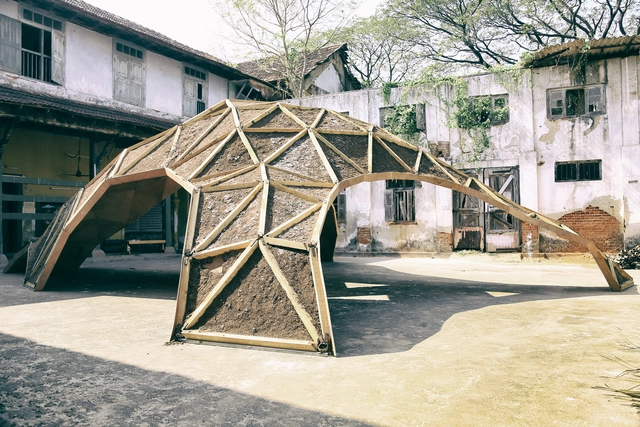
Are the concrete buildings we build actually a sign of architectural progress? Defunct housing projects abandoned shopping malls, and short-sighted urban projects are more often than not doomed to a lifetime of emptiness after they have served their purpose. Their concrete remains and transforms into a lingering reminder of what was once a symbol of modern ambition. Stadiums and their legacies, in particular, come under high scrutiny of how their giant structures get used after the games are over, with few Olympic stadiums making successful transitions into everyday life. With a new approach to sustainability, the Shell Mycelium pavilion is part of a manifesto towards a more critical take on building. Say the designers on their position: “We criticize these unconscious political choices, with living buildings, that arise from nature and return to nature, as though they never existed.”
The Shell Mycelium Pavillion is a collaboration between BEETLES 3.3 and Yassin Areddia Designs and offers an alternative to conscious design through temporary structures. Located at the MAP Project space at the Dutch Warehouse, the pavillion formed part of the Kochi Muziris Biennale 2016 Collateral in India.
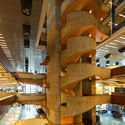
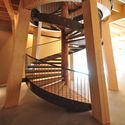
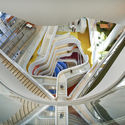
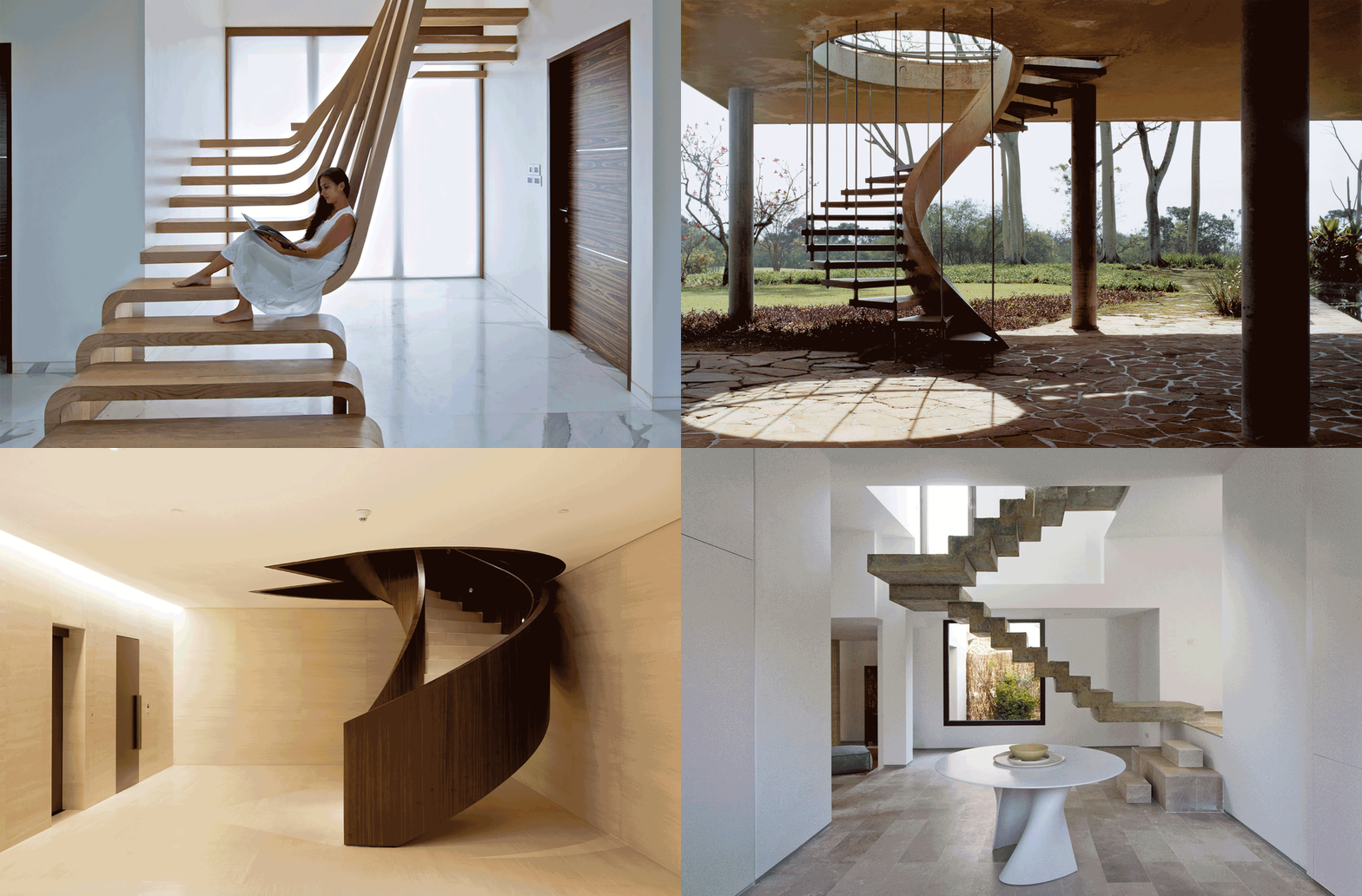
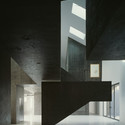
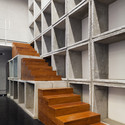
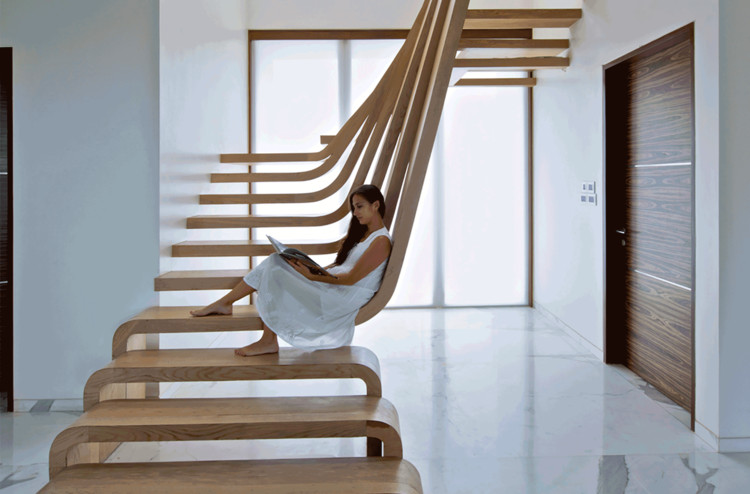
The stair is one of the most fundamental elements of architecture. Whether thin and delicate or bold and colored, in some projects a staircase becomes the buildings’ main protagonist and serves as a focal point for the entire project. It is through staircases that architects create spatial forms and visuals that reveal new ways to perceive a constructed space. For this reason, we’ve searched our archives (again!) in search of some more inspiring stairs.
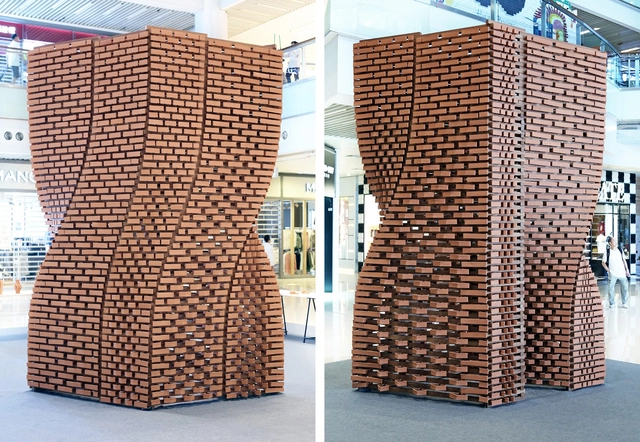
Developed by researchers and students from the Faculty of Architecture at HKU and supported by Sino Group, the 'Ceramic Constellation Pavilion' is built on a wooden structure that supports a series of "walls" formed by about 2,000 clay bricks. Each of these individual components is unique and has been manufactured using robotic technology and 3D printing, allowing to generate different types of transparency and opacity in their different faces.
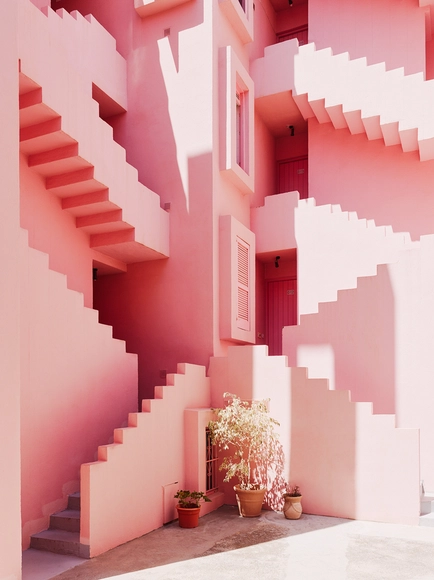
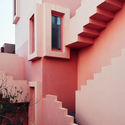
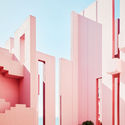
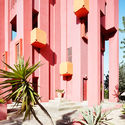
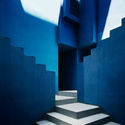
Photographer Gregori Civera worked in collaboration with Pablo Bofill to photograph the magnificent work of his father Ricardo Bofill. The Red Wall, La Muralla Roja is a housing project located within the La Manzanera development in Spain's Calpe. The building makes clear references to the popular architecture of the Arab Mediterranean Area, a result of the architects' inspiration by the Mediterranean tradition of the casbah.
In this photoset, Civera manages to capture the vivid colors that give abundant life to the project since 1972, exaggerating the contrast between the arid landscapes of the area and its color. In addition, the softness of the chromatic range and chosen angles manage to diminish the impact of the hard forms and imposing composition, allowing the viewer to contemplate the everyday world of this set of houses.
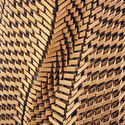
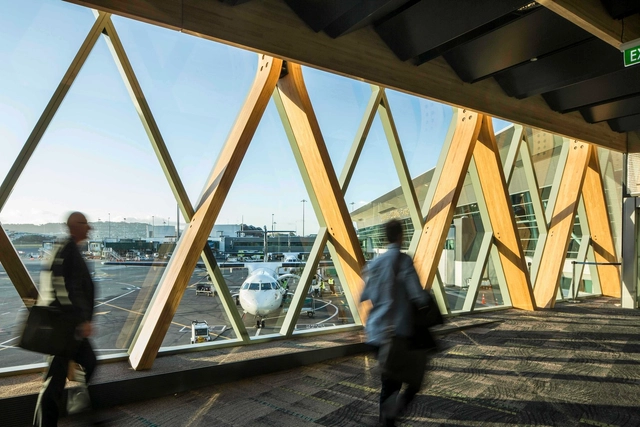
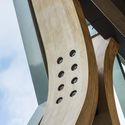
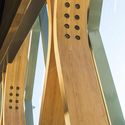
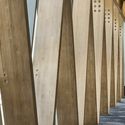
The structure of the facade is the result of recognizing the great versatility of laminated wood when designing large structures and complex shapes, allowing, in this case, to propose the construction of a straight piece that is curved to join the next piece.
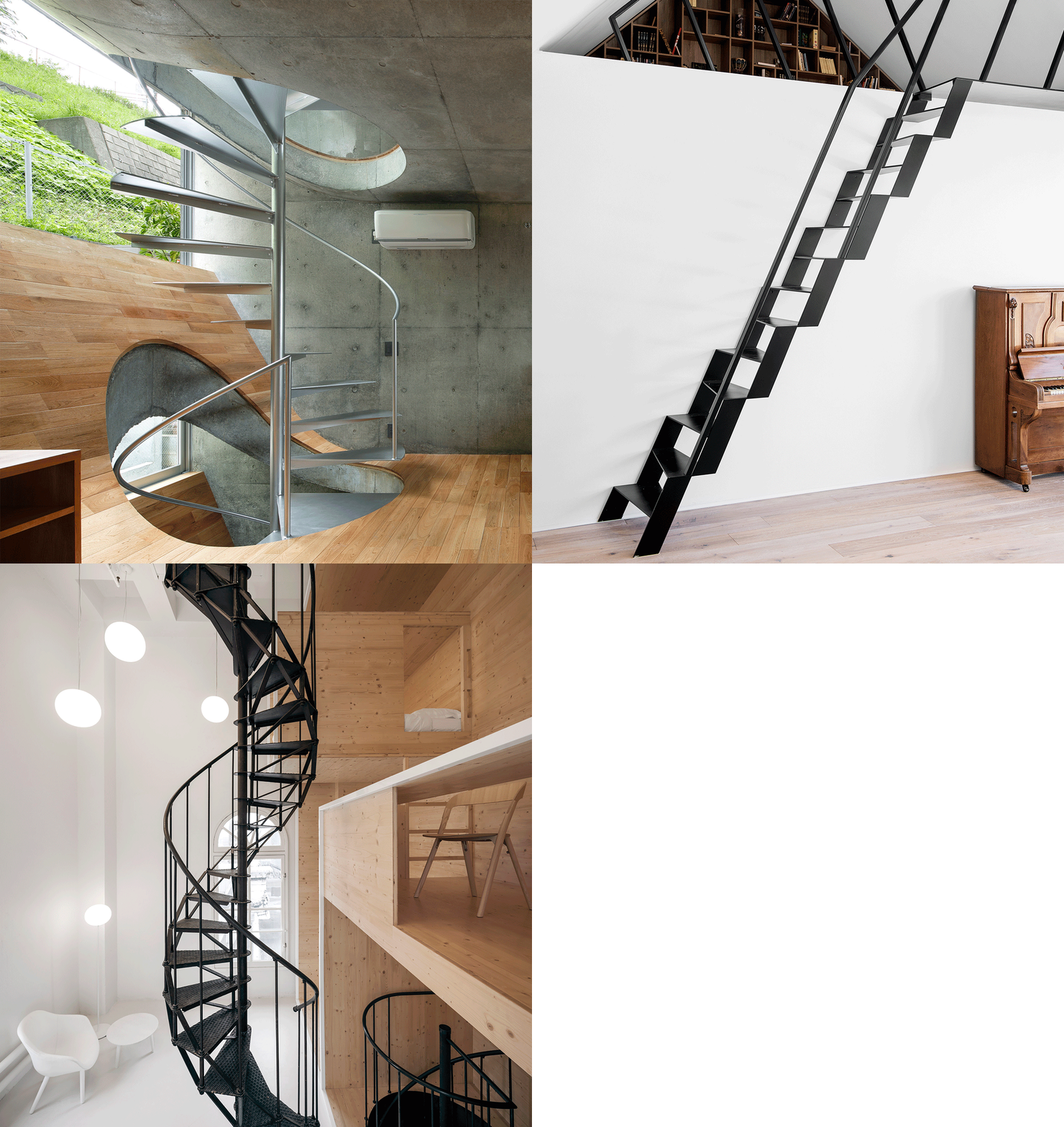
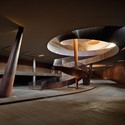
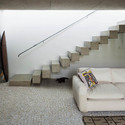
We’ve already presented a selection of staircases made from beautiful materials, and are back for round 2! With different types of materials and support techniques, some stairs give us the feeling of being suspended in the air, while others play with the exposed elements that sustain them. In this round-up, we’ve got some seriously spiraling stairs, both in public and private buildings. We’re also showcasing some unique metal staircases so thin they look almost see-through – a feat of architecture and structural design.
Check out ten more unique staircases from our archive below:
When it comes to increasing the energy efficiency of a project, solar panels provide many benefits, but architects often avoid using them for aesthetic reasons.
Today there are alternative solutions for adding solar receptors to the individual elements that make up the roof—the zone of greatest exposure to sunlight—that are less conspicuous and very effective in terms of energy production. One such example is solar thermal panels, which use the power of the sun to heat the building, produce hot water or generate heat for pools.
These new panels are made from natural slate stone, in formats ranging from 32x22 cm to 50x25 cm. The material elements not only ensure thermal inertia and impermeability, but are also able to heat up to 50 liters of water per day per square meter of surface -- all while avoiding the average emission of 90 kg of CO2.
https://www.archdaily.com/877122/how-to-install-inconspicuous-thermal-solar-panels-in-just-a-few-hoursArchDaily Team
Stairs do more than take you up a floor; they represent a journey the architect wants you to travel. The act of ascending and descending extends beyond planning. Projects like Herzog and De Meuron’s expressive staircases in VitraHaus, Sou Fujimoto’s inhabited stairs in Musashino’s Library and even MVRDV’s giant urban staircase allowed individuals to achieve entirely new perspectives of their surroundings or even city. Staircases hold their own as elements of architectural expression. Some blend in; others puncture a space with their unique shape and materials.
A design by Ashari Architectsforan architectural installation in Iran is a direct response to the need to reconnect with the senses. The project, a pavilion built from a cube that holds a suspended brick volume, shows the potential of the use of this material by creating distinct atmospheres.
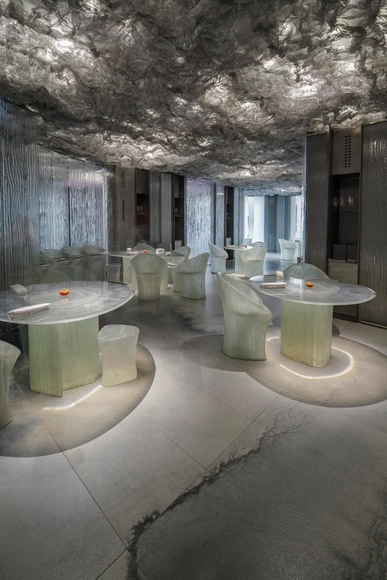
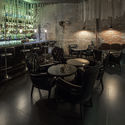
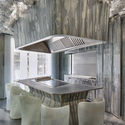
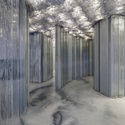
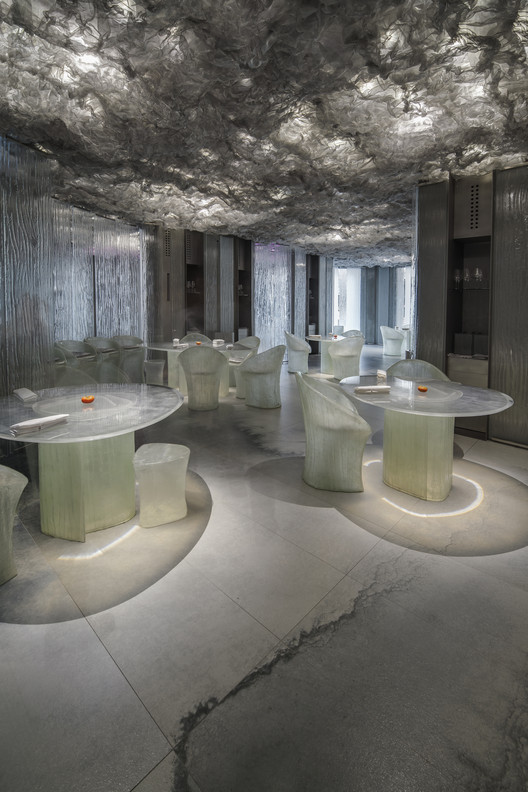
Neolith has unveiled their most ambitious project to date: the ENIGMA restaurant design in collaboration with RCR Arquitectes and P.Llimona. The conceptual restaurant space began with the vision of celebrated Catalan chef Albert Adrià, who wanted to create an "enigmatic” restaurant project reflecting his gastronomy and his career. Albert, together with his sibling Ferran Adrià have transformed the iconic El Bulli restaurant into a culinary research foundation and embarked on more projects since, including tapas bar Tickets and Bar 41 in Barcelona. ENIGMA, described as a “culinary amusement park” represents the new brainchild of the brothers’ dialogue exploring the intersection of food and design.
Based in Bologna, Italy, SOS—School of Sustainability—is an initiative by Mario Cucinella focused on training emerging professionals in the field of sustainability. The school is open to recent graduates and industry partners to develop innovative projects with a positive impact on society, the economy and the environment through a revolutionary model of integrated education, practice and research. It is a creative laboratory born in close collaboration with Mario Cucinella Architects (MCA), in which training is inspired by active projects and expertise in a professional practice setting.
https://www.archdaily.com/876985/a-sustainable-design-school-aiming-to-change-the-culture-of-education-research-and-practiceSponsored Post

















.jpg?1502071782&format=webp&width=640&height=580)