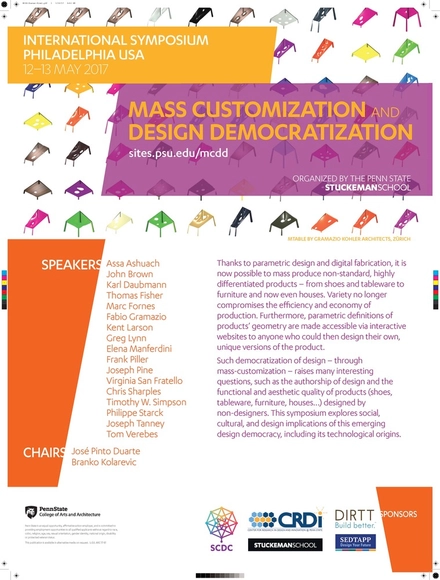
Thanks to parametric design and digital fabrication it is now possible to massproduce non-standard, highly differentiated products, from shoes and tableware to furniture and now even houses. Variety no longer compromises the efficiency and economy of production. Furthermore, parametric definitions of products’ geometry are made accessible via interactive websites to anyone, who could then design their own, unique versions of the product. Such “democratization” of design – through mass-customization – raises many interesting questions such as the authorship of design and the functional and esthetic quality of products (shoes, tableware, furniture, houses…) designed by non-designers. This symposium explores social, cultural and design implications of this emerging “design democracy”, including its technological origins.
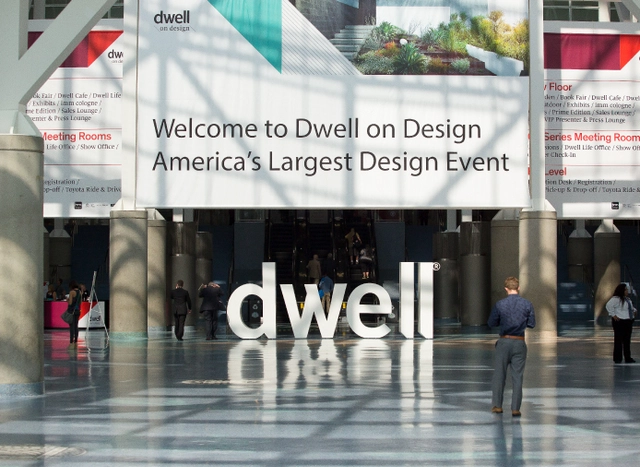
Dwell on Design brings together the brightest people, latest products, and curated content in modern design under one roof. Held each year at the Los Angeles Convention Center, the exhibition and conference showcase the best in modern design materials, furniture and accessories, home technology, garden and outdoor materials, kitchen & bath, and international design. Dwell on Design features world-class speakers, continuing education classes for interior design professionals, and talks for design-seeking consumers on Saturday and Sunday.
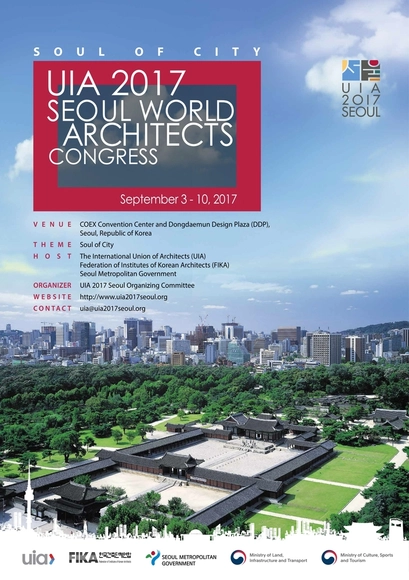
The UIA (International Union of Architects) world congresses are a premier forum for professionals and future leaders in the field of architecture to exchange the best and latest practices, visions and first-hand experience. The UIA 2017 Seoul, in particular, will promote various innovative architectural techniques and technologies among member sections and global citizens. In doing so, academic programs, exhibitions, competitions, student activities, and public outreach programs will simultaneously take place.
The "After Schengen" photo series shows old border crossing points between different states in the European Union. After the Schengen agreement, most of these old checkpoints remain abandoned and out of service, allowing us to gaze into the past from the present. It causes many reflections, especially at a moment when European Union project is heavily discussed.
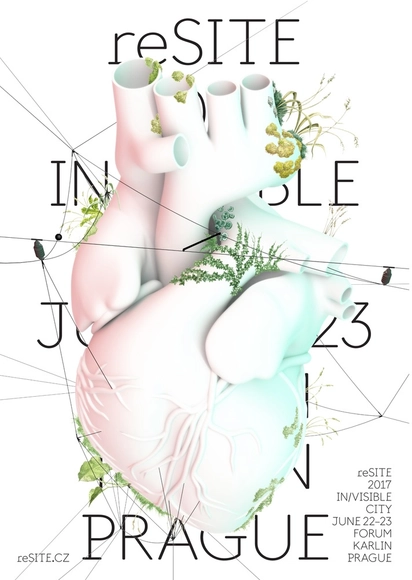
reSITE brings the 6th annual architecture and urbanism event, reSITE 2017: In/visible City, back to Prague at the Ricardo Bofill-designed Forum Karlin.
How does invisible infrastructure shape the visible aspects of a city?
40 international thought leaders will discuss the intersections of design and infrastructure and the presence of these vital systems in the architecture and landscape of cities.
Denmark's largest architecture festival Copenhagen Architecture Festival opens its fourth edition Wednesday, April 26th with a wide program spread over three cities and with the opening film and world premiere of "BIG TIME" on Bjarke Ingels. This year, the festival will feature more than 150 architectural events in Copenhagen, Aarhus and Aalborg.
https://www.archdaily.com/868983/copenhagen-architecture-festival-to-debut-with-world-premiere-of-big-time-on-april-26AD Editorial Team
A thorough architectural response towards the growing problems of population, climate, and urban migration is currently on display at the Danish Architecture Centre in Copenhagen, in the form of the upcycled Wasteland exhibition. Curated by Danish architecture firm Lendager Group, the exhibits shown in Wasteland are filled with raw materials, processes, experiments and methods, backed up with a long list of shocking facts about our effects on planet Earth: over 2 million tons of CO2 have been emitted globally this year; over 3.3 billion tons of resources have been extracted from the earth globally this year; over 127 million tons of waste have been dumped globally this year—all totalling a cost of over $14 trillion USD resulting from our failure to act on climate change. These are the live statistics (as shown at the time of ArchDaily’s visit last Friday) which confront visitors in the first room of the exhibition space. They provide context for what is to follow.
Every summer, SCI-Arc opens its doors to students and young professionals from multiple disciplines and diverse backgrounds seeking to explore the field of architecture from the school’s distinctive vantage point of hands-on design and experimentation. The Making+Meaning summer program offers participants a unique opportunity to be a part of the vibrant design community at SCI-Arc as they work on projects to jumpstart or enhance a design portfolio. This immersive workshop runs from July 10th – August 4th and is now open for registration.
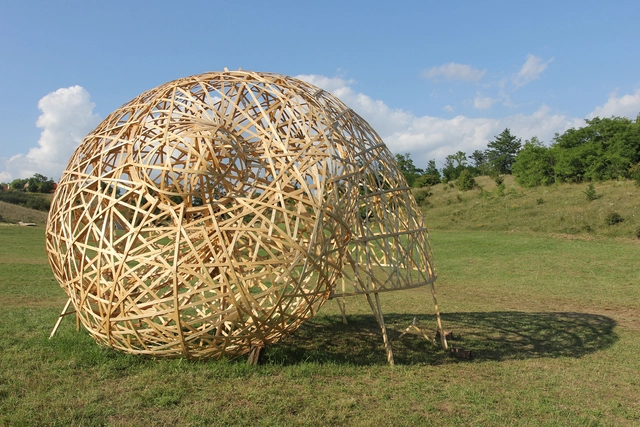
Masters of wooden architecture and design, Kengo Kuma & Associates, expert of portable architecture, Robert Kronenburg, prestigious architectural and design studios, Local Architecture Network (France) and SKREI (Portugal), and International landscape and urban designers, Groundlab will be some of the most inspiring guests at Hello Wood international summer school & festival for the arts and architecture this coming summer. This year promises to be a unique one as the three-year-long architectural experiment and research programme called Project Village—exploring the relationship between communities and their built environment by building its own settlement—comes to its final stage calling new participants to question, respond to, build on, or dissect the existing artefacts, concepts and ideas. In a special year, special participants are needed: Hello Wood calls for team leaders and students to apply to the summer school and festival (1-9 July 2017) and join the continued exploration of building a community settlement, responding to the theme "Shaping Communities: Courtyards." Read on to see some highlights from the past 7 years of this unique annual event.
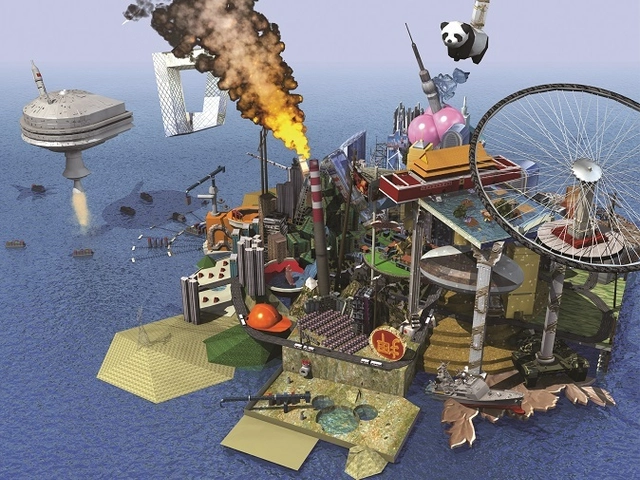
Utopia/Dystopia – A Paradigm Shift. Image Courtesy of MAAT
Following its official opening on October 5, 2016, the new MAAT building reopened to the public on March 22, 2017, with two major exhibitions that take up the whole building: Utopia/Dystopia – A Paradigm Shift, curated by Pedro Gadanho, João Laia and Susana Ventura – and Order and Progress by Mexican artist Héctor Zamora, curated by Inês Grosso.
The Unmentionables Symposium is an inaugural two-day event hosted by the Department of Interior Architecture at Woodbury University School of Architecture and held at Helms Design Center in Culver City, April 7-8, 2017. Coinciding with the 85th anniversary of the university’s Interior Architecture program, the event highlights critical latent issues within the discipline today. Registration is open on the Unmentionables website.
Themed Melange, Archcult 2017 seek to explore beyond the boundaries that define Architecture. As one of the countless offshoots of the universal discipline of design. We hope to introduce new avenues for aspiring architects to explore and a platform for building connections, widening horizons and paving pathways towards redefining design and embodying the true spirit of melange every step of the way.
In celebration of Women's History Month, The National Building Museum features a special program, Architects Across Generations. Beverly Willis, artist, architecture and philanthropist, joins architect and CEO of Marshall Moya Design, Paola Moya, for a cross-generational conversation on how architecture has evolved in the past half-century, what lies ahead, and the pressing issues practicing architects and design entrepreneurs face today. Aileen Kwun, author of Twenty over Eighty: Conversations on a Lifetime in Architecture and Design, moderates. On the heels of global Women's Marches, the achievements of women are top of mind, especially during Women's History Month. Here, women who represent two different generations speak to inspirations, challenges and opportunities.
Picture of the Chaktomuk Conference Hall taken by Japanese expert Masao Ishihara (ca. 1964). Image Courtesy of Masaaki Iwamoto
"New Khmer Architecture and Japan" is the first show in Cambodian History to focus on the architectural drawings of its modern movement. Cambodia is a country with mature architectural culture, not only of the great Angkorian heritage and vernacular timber temples, but also of modern buildings from the 1950s and 60s known as New Khmer Architecture. Since the 1990s, in the context of the post-war redefinition of the national identity as well as the recent expansion of environmental consciousness, this Cambodian modern movement, with their sensibility to the traditional culture and tropical climate, is being re-evaluated; though the drawings and documents of the movement were believed to be destroyed and lost in the turmoil of the Civil War.
How do designers think? How do they visually communicate complex ideas? What strategies do they employ to make a positive impact on the built environment? How does design change the way people see and experience the world?
The College of Environmental Design offers several introductory and advanced programs for those interested in exploring these questions in the fields of architecture, landscape architecture and environmental planning, urban design and sustainable city planning.
Please visit our Summer Programs website to view images of student portfolio work and learn more about the CED Summer experience. You may submit your application here: https://cedberkeley.slideroom.com/
Los Andes, as an unexplored territory, is where the investigation and developing experience of the Andes Workshop is settled. Is here where a huge amount of establishments could achieve the domestication of their territory, where the complex locations and scarcity of resources are understood as a virtue that are part of the design, developing and construction process of solutions that give the territory an specific value defying these territorial endeavors capable of understanding the system as a total, where the communal job is comprehended under the reciprocity concept.
Andes Workshop is born by the understanding of how we are inhabit slight and precarious, referring to a low tech architect but with an powerful and expresive impact, understanding that the greater value of Chile and Latin America is in it’s territory:
“Before being a country, Chile is landscape” - Nicanor Parra, chilean poet.
https://www.archdaily.com/805934/grupo-talca-and-cazu-zegers-to-lead-two-month-workshop-in-the-chilean-andesPola Mora
Hardly another European capital has had so turbulent a history as Berlin. Especially in the twentieth century, tumultuous historical events have left their mark on the city: its growth, the golden 1920s, the dictatorships, the scars of war, reconstruction, division and then reunification. All this called for new planning and offered architects and city planners room and occasion for new projects, new ideas, new visions for Berlin. The city continues to grow and develop, so that the discussion about the future appearance of the German capital is still going on.



.jpg?1491931590&format=webp&width=640&height=580)