

Monocle’s Quality of Life Conference takes place this summer in Berlin, and will be a must-visit event for entrepreneurs, architects, urbanists and designers alike. Hosted by Monocle editor in chief Tyler Brûlé, topics unpacked across the conference include transport, city branding and the future of the property industry. From visionary entrepreneurs to acclaimed architects, guest delegates and panelists will join Monocle editors and radio hosts for a range of lively discussions, with talks interspersed with samplings of Berlin’s fine hospitality and opportunities to explore the city’s architectural sites.
Events
Monocle's 2017 Conference in Berlin to Discuss "Quality of Life" and Cities with Daniel Libeskind
https://www.archdaily.com/873275/monocle-2017-conference-berlin-to-discuss-quality-of-life-cities-daniel-libeskindRene Submissions
Call for Papers: Issue N. 22: The Role of History in an Architect's Training

The processes of learning how to become an architect has always involved historical research, albeit from a biographical perspective (H. Allen Brooks when he studied Le Corbusier), from a generational perspective (Silvia Arango on researching the common processes be- longing to six generations of architects who defined twentieth century Latin America), or from a pedagogical perspective (Jean-Nicolas- Louis Durand's Précis des leçons d’architecture).
https://www.archdaily.com/872492/call-for-papers-issue-n-22-the-role-of-history-in-an-architects-trainingRene Submissions
Barcelona Summer Workshops
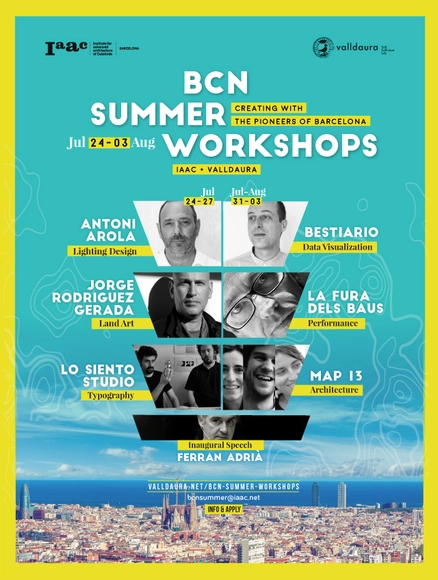
BCN SUMMER WORKSHOPS
“Creating with the pioneers of Barcelona”
24 July – 3 August 2017
https://www.archdaily.com/872753/barcelona-summer-workshopsRene Submissions
CALL FOR PAPERS International Symposium: Women in Architecture

Proposal deadline: June 15, 2017
Conference date: October 31st- November 1st.
We are pleased to inform you that DEARQ Journal of Architecture, adscribed to Universidad de los Andes, Colombia, is organizing an International Symposium, and preparing a special issue on the role of women in architecture across the globe and in Colombia.
https://www.archdaily.com/872491/call-for-papers-international-symposium-women-in-architectureRene Submissions
AA Visiting School Amazon
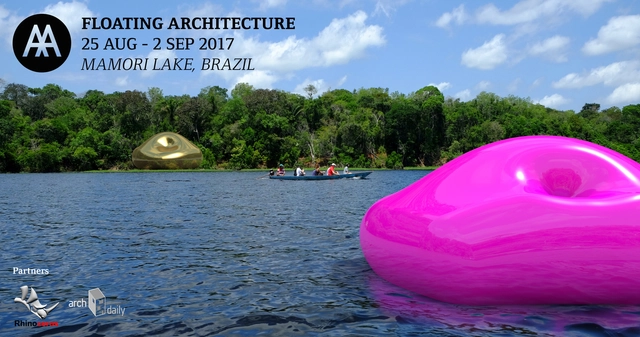
Research shows that sea levels around the world have been rising for many decades due to global warming. The consequences of this will put hundreds of cities at risk of being flooded. Similarly, water levels in the Mamori Lake vary greatly between the dry and wet season, when the river can grow up to 14 meters flooding the forest and changing the physiognomy of the land. Currently, local houses are built on stilts to deal with tidal variations but in recent years, this has not always been enough to prevent the river from causing devastation. Conversely, there are several floating plants in the Amazon that have developed clever buoyancy strategies to adapt to this ever-changing environment. Through physical and digital modeling as well as biomimetics, the workshop will investigate new types of floating architecture that can adapt to tidal variations and rising water levels while responding to extreme weather conditions. While the proposed new typologies will be highly adapted to the area of Mamori Lake, the proposals will also be evaluated as a global response to the pressing demands of world sea-level rise.
https://www.archdaily.com/872488/aa-visiting-school-amazonRene Submissions
The Boston Architecture Continuing Professional Education Symposium

Join peers and industry leaders on the weekend of June 3-4 at the BAC's annual CEU Weekend. Expand your passion and reach as an informed practitioner through workshops conducted at the BAC that examine current revisions and projected visions for our evolving profession. Licensed architects will satisfy annual continuing education requirements in Massachusetts by earning the 12 CEU/LUs from the 6 workshops scheduled over the course of the 2 days.
https://www.archdaily.com/872487/the-boston-architecture-continuing-professional-education-symposiumRene Submissions
Architecture & Design Film Festival
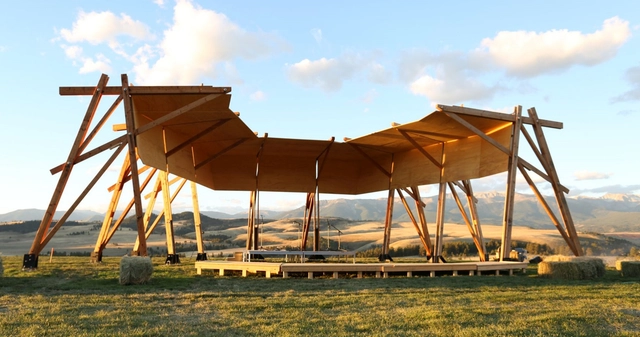
Celebrating the unique creative spirit that drives architecture and design, the Architecture & Design Film Festival (ADFF) comes to Tippet Rise Art Center, the 10,260-acre sculpture park and classical music center in the Montana highlands, this September. Architect Kyle Bergman, ADFF’s founder, will bring a lineup of eight films to Tippet Rise that intimately explore the connections between nature and architecture and examine how architects from around the world grapple with the constraints and inspirations presented by their sites. After an extraordinary summer of music at Tippet Rise, the film festival will cap off the season by celebrating the art center’s equally extraordinary landscape and sculpture. The three-day event will feature guest speakers and Q&A sessions.
https://www.archdaily.com/872485/architecture-and-design-film-festivalRene Submissions
Klasik: The Image of an Average Czech Family House 1989–2015

As the building production had been limited during the preceding socialist era, buying land for building a house was next to impossible and the society as a whole preferred mass housing construction of block of flats, the idea of a house was wrapped in the aura of scarce goods. Thus, it was no wonder that after 1989 many new designs and building companies responded to the existing strong demand. The individually owned family house, inspired by the image of “happy” lifestyle of the Western countries, represented embodiment of the dream of modern living. It was a dream influenced by the desire to express one’s own individuality and the attempt of the newly forming middle class to present itself. The winner of the free choice contest was usually a turnkey catalog house.
https://www.archdaily.com/872484/klasik-the-image-of-an-average-czech-family-house-1989-nil-2015Rene Submissions
Global Architectural Political Event London
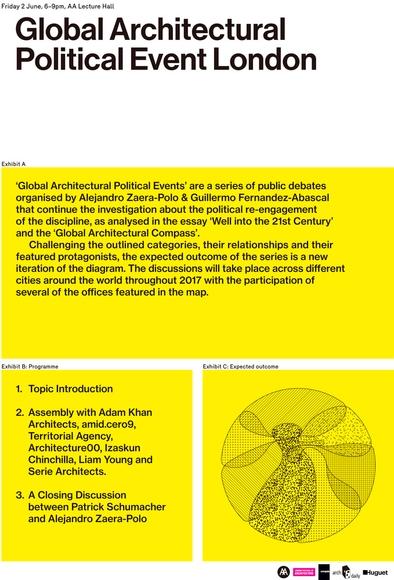
‘Global Architectural Political Events’ are a series of public debates organised by Alejandro Zaera-Polo & Guillermo Fernandez-Abascal that continue the investigation about the political re-engagement of the discipline, as analysed in the essay ‘Well into the 21st Century’ and the ‘Global Architectural Compass’.
https://www.archdaily.com/872411/global-architectural-political-event-londonRene Submissions
Read Dozens of Historical Architecture Books for Free Online Thanks to New Library Exhibition
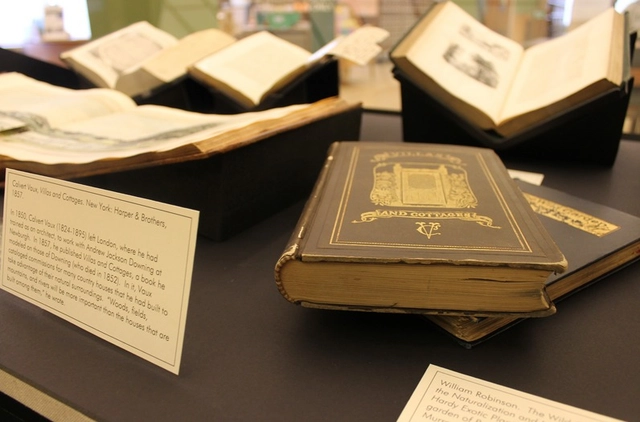
Buffalo and Erie County Public Library of Buffalo, New York, has recently opened a new exhibit at their Central Library titled Building Buffalo: Buildings From Books, Books From Buildings. The exhibit will feature a large selection of rare, illustrated architectural books from the Library’s collection dating from the fifteenth century to the mid-twentieth century. The bonus for those who are geographically distant from Buffalo is that, as part of the exhibit, the Library has also made dozens of historical architecture books available online, completely digitized and free to the public.
https://www.archdaily.com/871743/read-dozens-of-historical-architecture-books-for-free-online-courtesy-of-this-library-exhibitionMegan Schires
OMA/AMO-Designed Exhibition lR100-Rinascente: Stories of Innovation Debuts in Milan
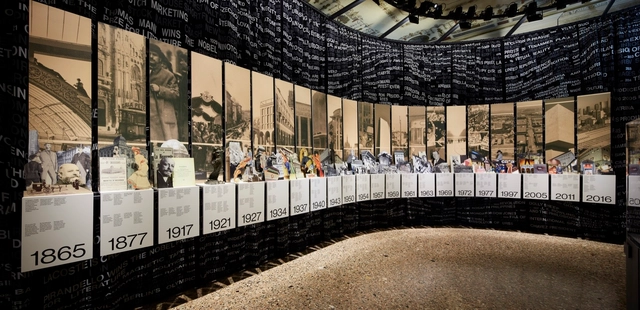
A new exhibition by OMA/AMO, lR100-Rinascente: Stories of Innovation, has officially opened in Milan’s Palazzo Reale. Marking the 100th anniversary of the classic Italian department store, la Rinascente, the exhibition commemorates the company’s long creative history and experimental spirit that has served as an influential part of Italian design, culture and commerce.





https://www.archdaily.com/872061/oma-amo-designed-exhibition-lr100-rinascente-stories-of-innovation-debuts-in-milanAD Editorial Team
ArchFilmFest: London’s First Festival of Architectural Film

Architecture and film are interlocked: both unfold narrative ideas through space and time, taking us to real and virtual worlds; both start with the imagination, and then take on their own reality. Films are set in cities, landscapes and buildings where architecture is a visual shorthand, telling us about characters and plot in an instant. Yet a dedicated festival that brings architecture and film together has never before been held in this country.
https://www.archdaily.com/871849/archfilmfest-londons-first-festival-of-architectural-filmRene Submissions
Waste Architecture at Sardinia 2017 Symposium

The Waste Architecture is a new and relatively unexplored conceptual and design topic focused on the architecture for the environment and, more specifically, the architecture of major works related to Waste Management.
https://www.archdaily.com/871646/waste-architecture-at-sardinia-2017-symposiumRene Submissions
ABB LEAF Awards 2017
Following the hugely successful LEAF Awards 2016, which took place in London the LEAF (Leading European Architecture Forum) Awards will once again be returning in September 2017 to the global hub of architecture, London.
https://www.archdaily.com/871642/abb-leaf-awards-2017Rene Submissions
Bamboo U: Build and Design Course, Bali
BambooU(niversity) was an idea originally conceived to help teach professionals about the potential of bamboo as a green building material. In its current form it is a design and bamboo build workshop in Bali hosted by The Kul Kul Farm at the Green School; facilitated in collaboration with the bamboo design firm, IBUKU.
https://www.archdaily.com/871223/bamboo-u-build-and-design-course-baliRene Submissions
PechaKucha Night NYC

PechaKucha, or “chit chat” in Japanese, is a concise presentation style, comprised of twenty slides at a duration of twenty seconds each that advance automatically. PK Nights invite creative thinkers of all fields to meet, present projects, and exchange ideas in this 20 x 20 format in over 1000 cities around the world.
https://www.archdaily.com/870915/pechakucha-night-nycRene Submissions
COCA.17 MediActions
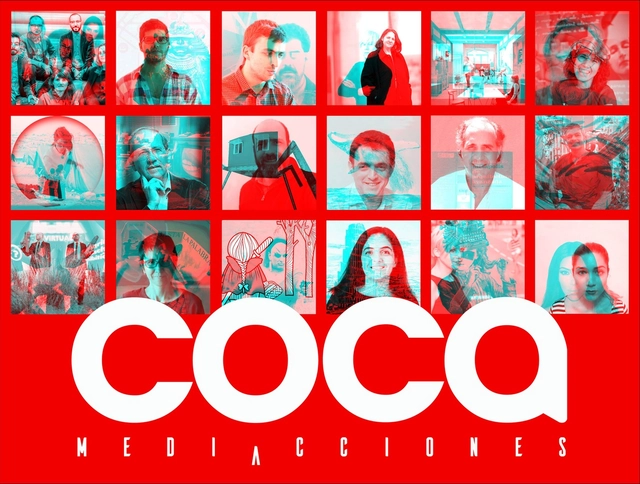
COCA.17: The First International Architectural Communication Congress
https://www.archdaily.com/870607/coc7-mediactionsRene Submissions
Anne Lacaton: LIVE KEYNOTE from the 7th VELUX Daylight Symposium
Anne Lacaton (France) is an award-winning architect and part of the duo Lacaton & Vassal, having made reuse of existing materials and integration of daylighting in standard construction their signature architecture and adding a social dimension to architectural design.
https://www.archdaily.com/870484/anne-lacaton-live-keynote-from-the-7th-velux-daylight-symposiumRene Submissions (Partners)