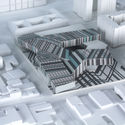
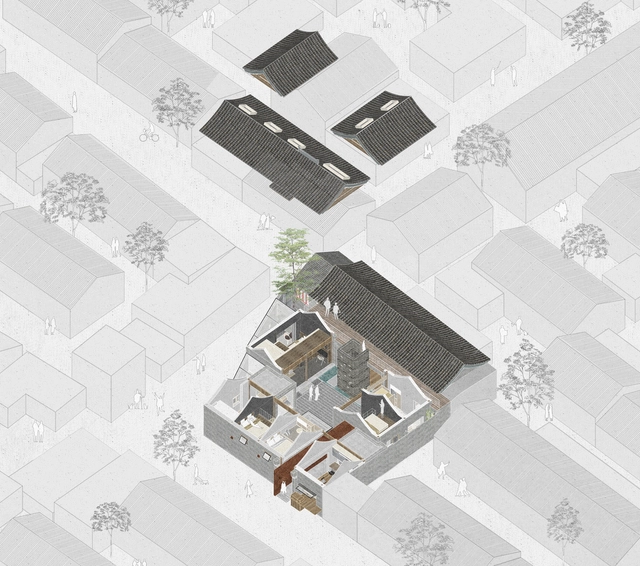
This article serves as a brief introduction to a way of thinking that I assume to be foreign and new to most of the readers. It is based on some observations I’ve made during the past 5 years as part of my PhD research into the comparison between two traditions of architectural representation, between China and Europe, under guidance of prof. Li Xiaodong at Tsinghua University in Beijing. With that in mind this article has no pretension, nor the proper length, to fully convey the complexity of the representations of architectural space in drawings from China, but should be seen as a first try to communicate some of these ideas to a wider audience.
Architecture, in all its forms, has the innate ability to trigger our emotions and alter our perceptions. Consequently, a lot of light is currently being shed on the relation between architecture, landscape, and health.
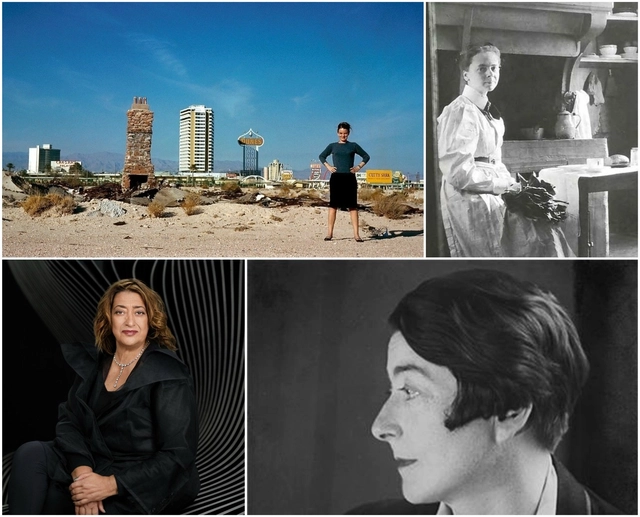
This article is an updated version of its original post on March 15th, 2016. "In the ongoing debate about women in the architecture profession, you rarely hear an argument for why equal representation is important; it's generally assumed to be an unquestionable moral imperative. However, in this article originally published on the Huffington Post as "Why Women's Leadership Is Essential for Architects," Lance Hosey argues that, regardless of your position on equality as a moral imperative, better representation of women in architecture could benefit everyone in the profession—in very tangible ways.
Today, on International Women's Day (March 8) we want to share again the American Institute of Architects (AIA) publication "Diversity in the Profession of Architecture," its first diversity report in a decade. The release follows the creation in December 2015 of the AIA's "Equity in Architecture Commission," a panel of twenty architects, educators, and diversity experts to investigate diversity and inclusion in the profession. The new report documents a survey of over 7,300 professional architects and students, including men and women, 79% of them whites and 21% people of color.
When applying for an architecture job, you need to make sure you have the perfect portfolio. While a clever and attractive business card might help you initially get a firm's attention, and a well-considered résumé or CV might help you prove your value, in most cases it will be your portfolio that makes or breaks your application. It's your portfolio that practices will use to measure your design sensibilities against the office's own style and to judge whether you match up to the talents claimed in your résumé.
After launching a call for our readers to send us their own portfolios so that we could share the best design ideas with the ArchDaily community, this selection below shows the best of the nearly 200 submissions we received, which were judged not on the quality of the architectural design they showed (though much of it was excellent) but instead the design quality of the portfolio itself. In making the selection, we were looking for attractive graphics, a clear presentation of the work itself, the formulation of a visual identity which permeated both the architectural designs and the portfolio design, and of course that elusive and much-prized attribute: "creativity."
https://www.archdaily.com/872418/the-best-architecture-portfolio-designsAD Editorial Team
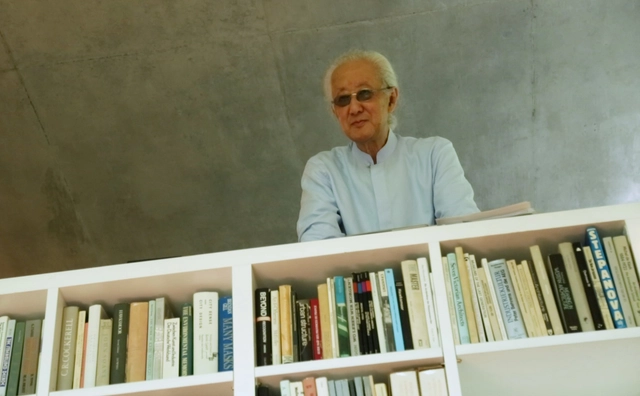
Arata Isozaki, the Japanese architect and winner of the Pitzker Prize 2019, is not only renowned for his fruitful portfolio of works built all over the world (more than a hundred) but also for his continuous input to the theory of urbanism, including texts and proposals.
It is precisely in the field of urbanism, that he developed one of his most interesting non-built projects: the futurist master plan, known as City in the Air, in the Shinjuku neighborhood in Tokyo, Japan.
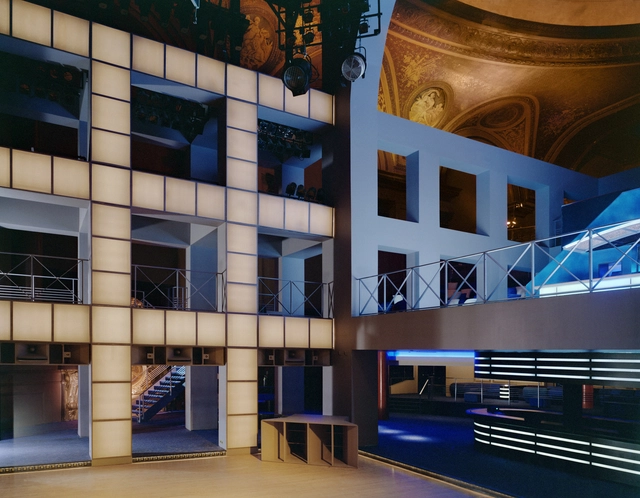
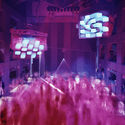
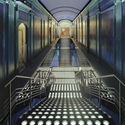
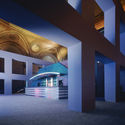
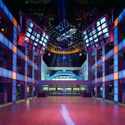
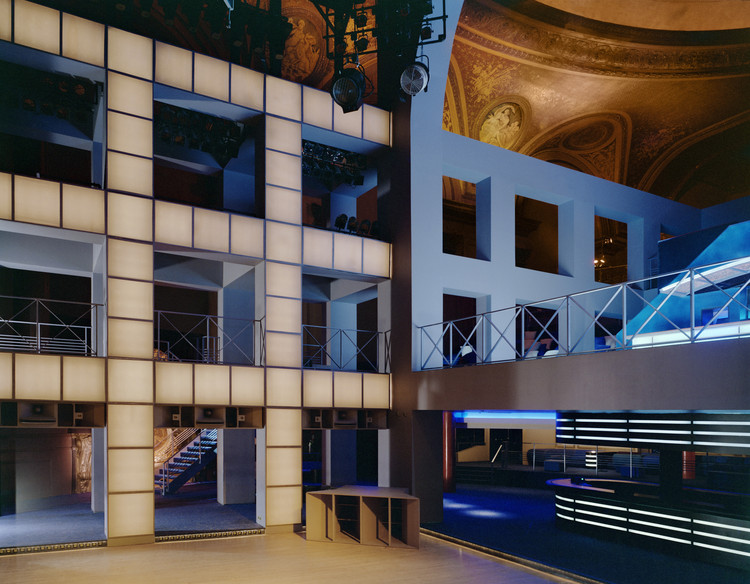
In May 1985, an old theater and concert hall opened its doors to the public for the opening of a brand new nightclub in New York City. Located on 126 East 14th Street, the project was commissioned by entrepreneurs Steve Rubell and Ian Schrager, owners of the also famous club Studio 54, and was conceived as a vibrant and luminous independent structure arranged inside a rather classic shell, which appears as a beautiful backdrop behind the clean geometry of Isozaki.
As The New York Times pointed out in its May 20, 1985 edition: 'Arata Isozaki is at once a great eminence of Japanese architecture and a source of some of its freshest thinking. And all sides of Mr. Isozaki are visible in the Palladium'.
The functional distribution plays a fundamental role in the contemporary design of offices and places for work. The study of the architecture plan shows an interesting form of approach; not only allows for proper logistics and circulation but find efficient variations and innovations that will enable better workspaces that adapt to the current needs.
We have selected more than 50 plans of projects that will inspire you, recognizing the different ways in which architects have faced the challenge to design offices, in all different scale ranges.
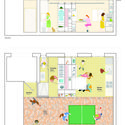
During the professional life of an architect, the task of designing a residence can be a frequent occurrence. As the project develops, representing a vision in a determined space through a set of drawings is certainly one of the primary tasks of the design process. While the architect has a certain level of visual literacy, sometimes the client won't necessarily understand all the drawings. Going beyond the two-dimensionality of the plans, sections and elevations, axonometric perspectives are presented as an efficient instrument in the spatial representation of the project. When adding the notion of third dimension—and even though it’s presented by on a 2D sheet of paper—it gives a better understanding to those unfamiliar with technical drawings.
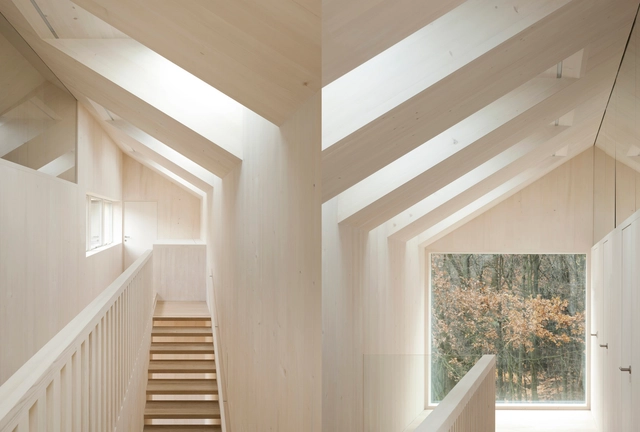
Perhaps the most renowned 'skylight' ever built is the Pantheon of Rome commissioned by Marco Vipsanius Agrippa during the reign of Emperor Augustus (27 BC-14 AD) and rebuilt by Hadrian (117-118) around 126 AD. At the highest point of its dome (in this case, the oculus) the sunlight shines, casting its beams over the various statues of planetary deities that occupy the niches on the walls. The light that enters the space symbolizes a cosmic, sacred dimension. In projects around the world, natural light continues to fulfill this scenic role, especially in religious projects.
It is characterized as zenithal illumination as that which comes from above, from the sky (zenith). Very useful for large spaces that can not be adequately lit by windows, skylights are a widely used device for providing a pleasant, diffuse light. Generally, care is taken to prevent direct entry of sunlight; the openings must be well designed so that they do not overheat the space of allow water infiltration. Below is a collection of projects that make good use of this technique.
2019 Pritzker LaureateArata Isozaki has been designing for more than half a century; several of his works are considered architectural classics due to their influence and impact on international design.
His work combines a number of styles, from vernacular to high tech and organic to brutalist, giving his projects a sculptural and undeniably photogenic appearance. With such richness in design, it is perhaps no wonder that people around the world are excited to photograph his work.
We've selected 23 of the most beautiful photos of Isozaki's work posted to Instagram by users across the globe. Our selection, after the break:
https://www.archdaily.com/912600/a-selection-of-the-best-instagram-photos-from-arata-isozakis-workAD Editorial Team
The prolific and varied career of 2019 Pritzker Laureate Arata Isozaki, which includes more than 100 works built on virtually every continent, gives us a huge amount of facts that are relevant to understanding his life and architecture. Considered the first Japanese architect to develop his work on a truly global scale, Isozaki took special care to respond to the context and the specific requirements of each project, expanding the heterogeneity of his work and resulting in a variety of styles from vernacular to high tech.
See below 20 fascinating facts that illuminate his particular genius:
https://www.archdaily.com/912602/who-is-arata-isozaki-20-things-to-know-about-the-2019-pritzker-laureateAD Editorial Team
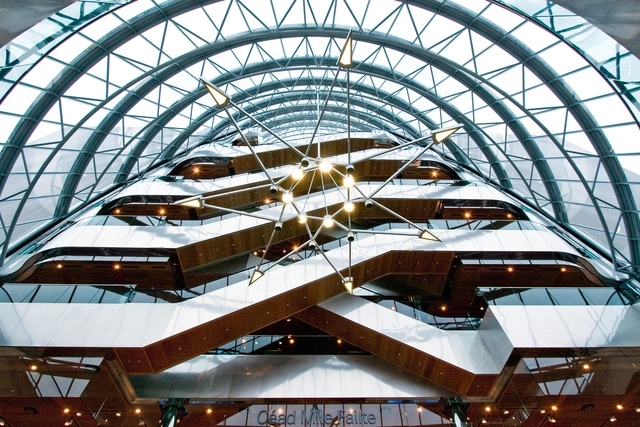
American architect Kevin Roche passed away this past Friday, March 1 at the age of 96. He was born in 1922 in Dublin, Ireland, educated at the University College Dublin (1945) and Illinois Institute of Technology (1948). In 1966, he formed Kevin Roche John Dinkeloo and Associates (KRJDA). He has designed more than 200 buildings, including renovation to the American Wing at the Metropolitan Museum of Art (2012), National Conference Centre in Dublin (2010), Lafayett Tower in Washington DC (2009), J.P. Morgan Headquarters in Manhattan (1992), Central Park Zoo in Manhattan (1988), The Knights of Columbus Building Headquarters in New Haven (1969), The Ford Foundation in Manhattan (1968), and Oakland Museum of California (1966). In 1982 he became the fourth Pritzker Prize winner and in 1993 was awarded the AIA Gold Medal. The following excerpt is from our 2011 interview at the architect’s office in Hamden, Connecticut.
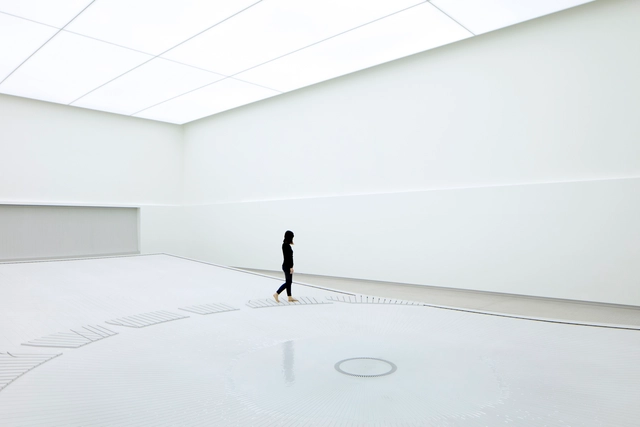
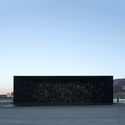
With his delicate designs for spatial structures and innovative concepts, Asif Khan is considered one of the world’s most exciting architects. He constructed the VantablackPavilion for the 2018 Olympic Games in PyeongChang, South Korea – thanks to nano-technology, the building's innovative paint absorbs 99 percent of visible light, which creates an impression similar to the vastness of space.
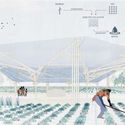
The human figure is fundamental in order to understand scale in illustrations, hyper-realistic renders, collages and three-dimensional representations. However, it often seems to be one of the last elements to be incorporated, when it should be a thoughtful decision, intrinsically related to the project. What do human figures transmit beyond the scale of a project?
https://www.archdaily.com/912454/explore-the-potential-of-the-human-figure-in-architectural-representationClara Ott
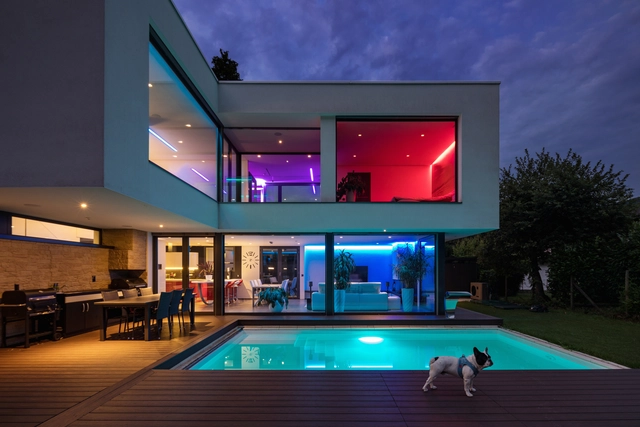
Imagine light fixtures that act as Bluetooth beacons, allowing smartphones to help visitors find their way around a building. Imagine a lighting system which can pinpoint the location of people and physical assets within the building. Imagine an automation system which can use occupancy data and personal preferences to orchestrate an optimized and personalized building environment.
https://www.archdaily.com/912394/illuminating-the-future-how-bluetooth-mesh-will-fundamentally-change-lighting-systemsDavid Hakimi
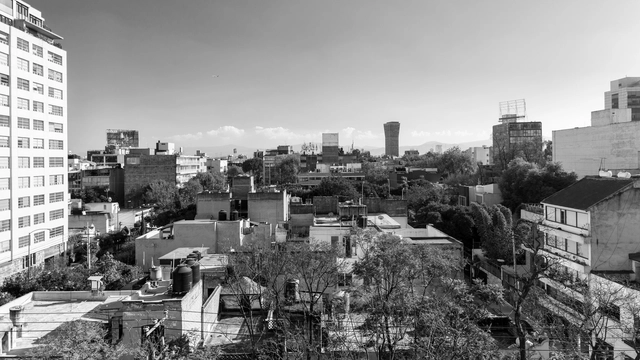
Colonia Roma, a neighborhood in Mexico City, is well known among locals for its art galleries, restaurants, bookstores and museums - it is a hotspot of contemporary art and culture. However, this cultural tradition actually dates back to the Porfirian Era in the early twentieth century. The area was a way to present Mexico City as a modern city by creating the first colony, along with Colonia Condesa, with all basic services available to the residents. Drawn with Parisian boulevards and tree-lined streets, Roma is an exemplar of art nouveau architecture, eclectic and French-ified – an attractive area that immediately led to the arrival of wealthy families.
With a new academic year, SCI-Arc has continued to develop its global network of Satellite Initiatives. Serving as sites of experimentation and bringing together minds from around the world for unique symposia, diverse exhibitions, and workshops, these initiatives present new opportunities for engaging and testing the Institute’s cutting-edge ideas against the backdrop of cities outside of its native Los Angeles context.








.jpg?1496179855&format=webp&width=640&height=580)
._Imagen_cortesi%CC%81a_de_The_Pritzker_Architecture_Prize.jpg?1551827265&format=webp&width=640&height=580)






_17.28.10.jpg?1551731331&format=webp&width=640&height=580)