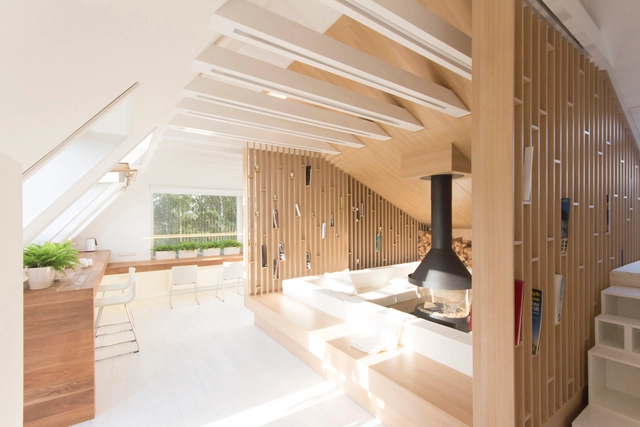
When it comes to attics, we often imagine underused spaces in homes and buildings, such as warehouses or rooms that are exclusively used to shelter infrastructure systems. However, reflecting on the reuse of traditional attics in 19th-century Parisian buildings as housing, which is happening nowadays, one realizes that these spaces can be reinvented and, with a little creativity, they can provide impressive living spaces.
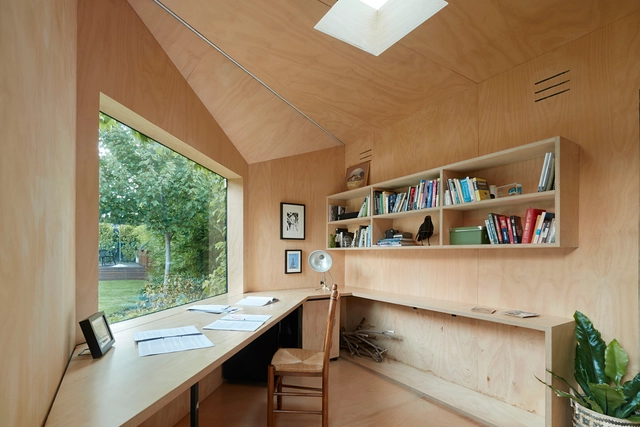
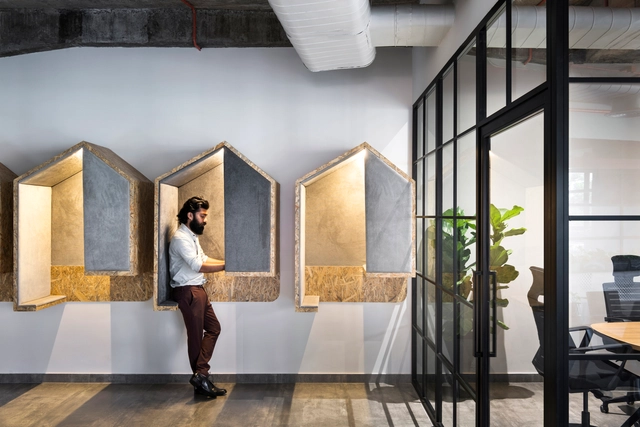
Working from home comes with a flexible schedule, not to mention savings on travel costs, and you can be closer to family. But distractions can make working from home inefficient. It becomes critical to separate the spaces used for living from the ones used for working. Building an addition is, in most cases, the perfect solution.
https://www.archdaily.com/947157/tiny-offices-extensions-to-separate-the-home-from-the-work-spacesClara Ott
“Sustainability is like teenage sex. Everybody says they’re doing it, very few people are actually doing it. Those who are doing it, are doing it badly," once Joseph Romm said.
It is evident that there are many misconceptions about what sustainable architecture really is. Some define it as building with recycled materials, others believe it is all about integrating green elements into the architecture, and some mount solar panels onto their roof and label the project “green”.
Every project begins with a design, and ends with an attractive and functional building. What happens between these two end points is where it gets interesting - and challenging. The construction process is complicated. It means meeting and exceeding expectations in design, affordability and constructibility. It means overcoming hurdles and facilitating smooth transitions from design to engineering to construction. And for complex projects with more unusual features and elements, the risk factors increase exponentially.
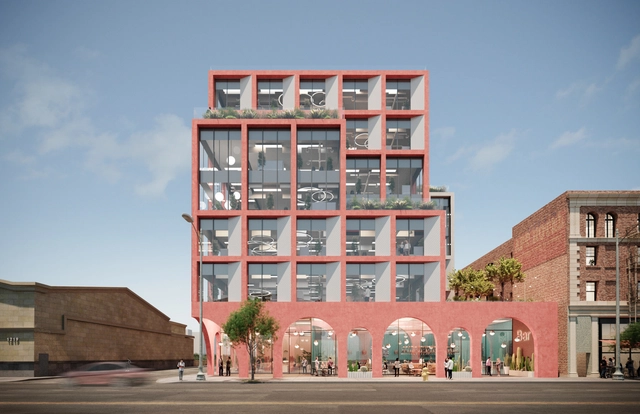
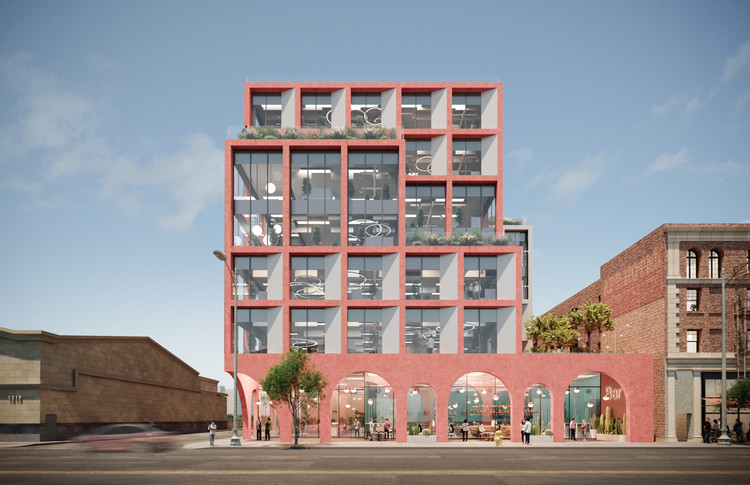
Architecture is defined by the ways people bring spaces to life. For Matthew Ollier, Partner and architect at Hawkins\Brown, the best buildings encourage interaction, collaboration and exchange. Currently, Ollier is leading the development of the firm's expansion into the North American market in Los Angeles. In an interview with ArchDaily, Ollier shares the team's approach to community engagement and building social value.
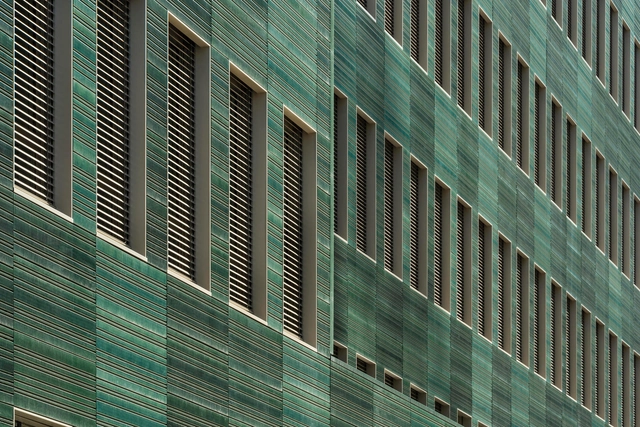
The facade can be considered the most important signifier of a building as the shell separating the outside from the inside. The expressive power of this protective shell should not be underestimated, because the appearance of the architecture has a decisive influence on the entire environment. The Lower Bavarian company Moeding Keramikfassaden specialises in meeting this important task in architecture with a special material.
In 1926, Le Corbusier developed the five points that would become the foundations for modern architecture. Once materialized in 1929 in the iconic Villa Savoye project, Le Corbusier's principles - pilotis, free design of the ground plan, free design of the facade, horizontal window, and roof garden - have been extensively explored in modern architecture and continue to influence the most diverse contemporary architectural projects to this day.
The five points became a kind of guideline for the New Architecture, as Corbusier used to call it. Even after decades, new technologies, materials, and demands of society have continued to update those architectural solutions, announced almost a century ago as the basis for a new architecture.
New Generations is a European platform that analyses the most innovative emerging practices at the European level, providing a new space for the exchange of knowledge and confrontation, theory, and production. Since 2013, New Generations has involved more than 300 practices in a diverse program of cultural activities, such as festivals, exhibitions, open calls, video-interviews, workshops, and experimental formats.
Pivot doors are not ordinary doors. They used to be a hassle to install and once in place, the door movement was often lacking. Things are different now, as companies like FritsJurgens have incorporated new technologies that take pivot door hardware to a whole new level. Installation is now extremely easy, allowing for versatility and creativity in pivot door design. So, in what ways can a pivot door enhance your interior design?
Between 1950 and 2011, the world's urban population increased fivefold. In 2007, for the first time, the number of people living in cities surpassed the number of people living in the country. In 2019, the urban population had already reached 55% of the total population, and by 2050, it is estimated that just over two thirds of the population will live in urban areas. However, this growth is not constant in all parts of the world: according to the UN World Urbanization Prospects 2018 Report, the global urban population is expected to grow by 2.5 billion inhabitants between 2018 and 2050, with almost 90% of this increase concentrated in Asia and Africa. As populations in these areas increase, so will the demand for energy, food, and water, making resources more scarce. This scarcity will be compounded by the negative impact of urbanization on the climate and the environment.
For many, the aesthetics of wood are powerfully enchanting. With a huge diversity of species and innumerable variations in colors, weights, and textures, wood is one of the most highly appreciated materials of all time. But the unrestrained logging of forests for use in construction has had and will continue to have enormous environmental impacts if precautions such as sustainable management, legitimate certification, or reforestation are not taken. Being an organic material, when used for construction, wood tends to morph under conditions of humidity, heat, and loads, and its fibers eventually deform over time. In addition, wood is a material that does not respond well to environments where it is soaked and dried repeatedly, which can cause it to rot after some time if it is not adequately waterproofed. Therefore, there are some situations where using wood may not be a good idea.
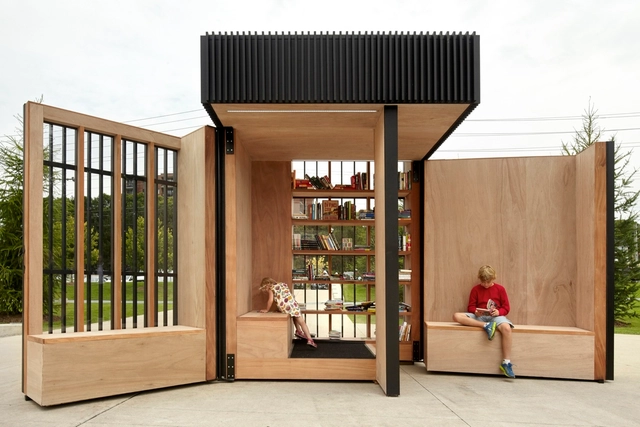
The field of architecture has the potential to influence human relations in countless ways through the built space. In small-scale projects, in particular, the challenges of tackling the dialogue between the space and the individual are combined with the task of conveying ideas to inspire people to explore the use of these minimal spaces.
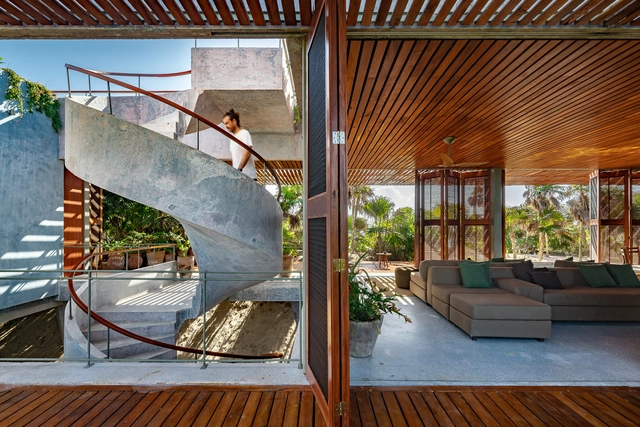
Stairways are central to access and mobility within a space, and yet, they often take a backseat to other elements of design within a work of architecture. However, Mexican firm PRODUCTORA has put them at the forefront of many of their projects, notably the Teopanzolco Cultural Center.
This year the United Nations World Tourism Organization (UNWTO) has been looking at tourism as a way to create jobs and opportunities in rural areas under the banner of Tourism and Rural Development.
Rural based Architecture and traditional edifices play an important role in showcasing local heritage building and craftsmanship. It can also offer jobs and prospects outside of big cities particularly for the communities that might otherwise be left behind.
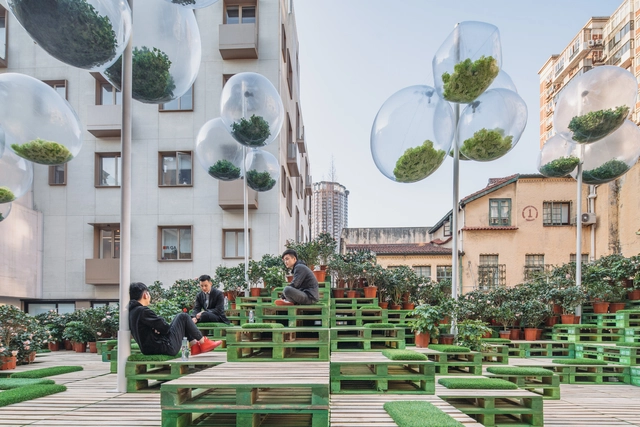
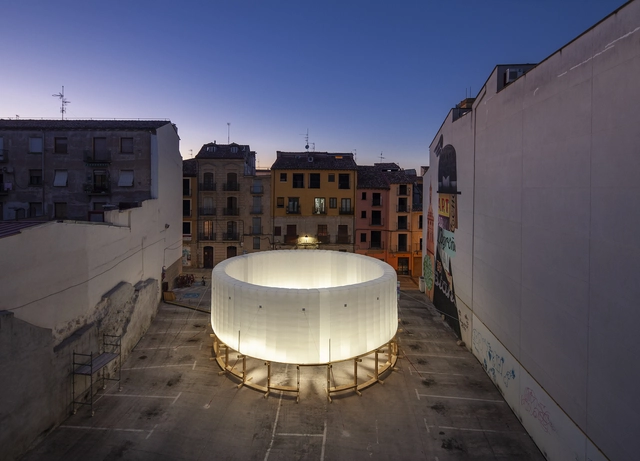
Urban acupuncture is a design tactic promoting urban regeneration at a local level, supporting the idea that interventions in public space don’t need to be ample and expensive to have a transformative impact. An alternative to conventional development processes, urban acupuncture represents an adaptable framework for urban renewal, where highly focused and targeted initiatives help regenerate neglected spaces, incrementally deploy urban strategies, or consolidate the social infrastructure of a city.
Despite the ongoing pandemic, IE University has found a way to welcome 7,000 students from 140 different nationalities back to their physical and digital campuses. Since the start of the crisis, the institution has been working to protect the health of their community of students, professors and staff. They guaranteed the continuity of academic activity through online platforms during the weeks of confinement by incorporating new methodologies and interactive solutions.
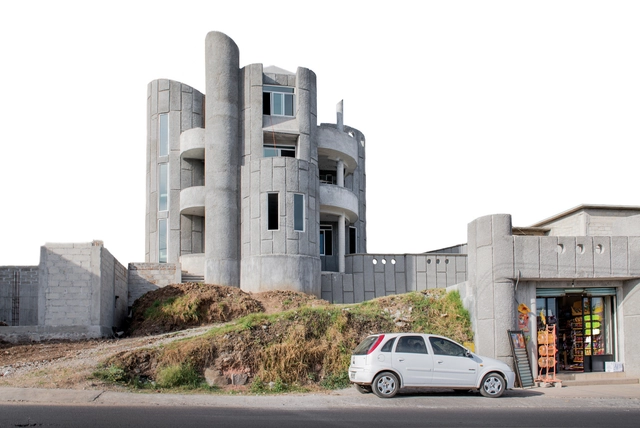
In Mexico, self-construction has been a topic heated debate between its advocates and opponents; however, this doesn't diminish its prevalence throughout Mexico and the world. Over the past few years, initiatives on the part of architects have driven the creation of instruction manuals for do-it-yourself builders as a way to promote health and safety in self-construction and to also provide insight into building materials and techniques. In many ways, the initiative has improved the self-construction process, a fact evident in the increasingly visible creations seen throughout Mexico.
How many U.S. architecture professors know that there is a Chinese treatise equivalent to Vitruvius’ Ten Books of Architecture? Very few, I suspect. I taught architectural history for more than 20 years before I discovered the marvelous Yingsao Fashi, a Song Dynasty book by a prominent court official who, as far as we know, was not an architect or builder. In fact, prior to the Ming Dynasty no prominent temple, palace, or shrine in China was designed by an architect because the concept of a single mastermind in charge of a building project was foreign to the East Asian way of designing environments of any kind.
https://www.archdaily.com/948425/why-dont-we-teach-chinese-architecture-in-the-united-statesMark Alan Hewitt















_copy.jpg?1596150637 "Floating House / Talleresque. Image © Studio Chirika")