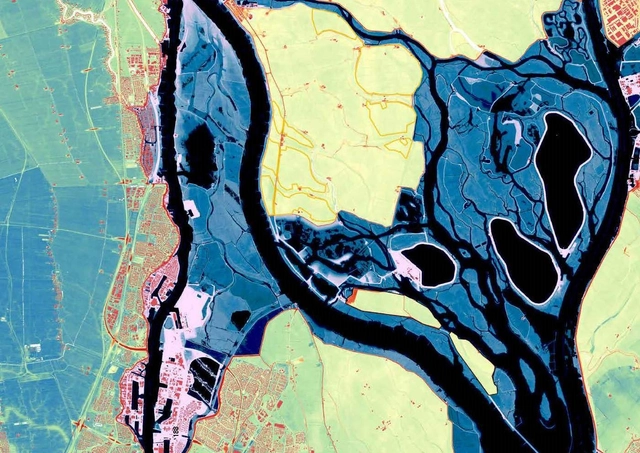
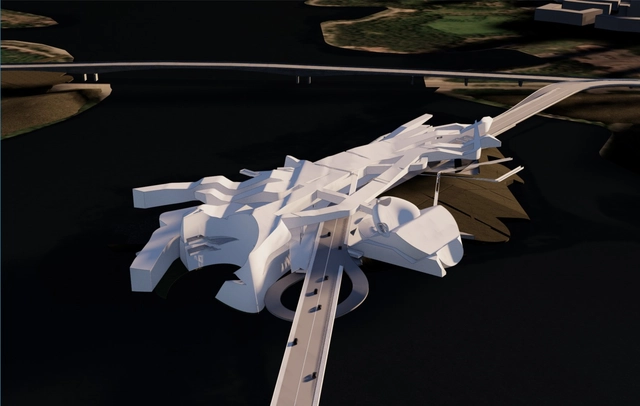
A “floodscape” could be seen as a contradiction in terms: Flood spreads wherever gravity leads it, covering the familiar topography with a dark, gray, and uniform blanket. In that regard, flood is amorphous, as it can distort and temporarily erase forms and features from the visible landscape—nothing that could be described as a “scape” in the sense of articulated and meaningful scenery.
But when the boundaries of a flood are not just defined by the quantity or the velocity of water but also by landforms and structures carefully designed and placed to influence and shape the “disaster,” the result can be considered as a landscape, physically and culturally defined by flood.
The Un-Habitat or the United Nations agency for human settlements and sustainable urban development, whose primary focus is to deal with the challenges of rapid urbanization, has been developing innovative approaches in the urban design field, centered on the active participation of the community. ArchDaily has teamed up with UN-Habitat to bring you weekly news, article, and interviews that highlight this work, with content straight from the source, developed by our editors.
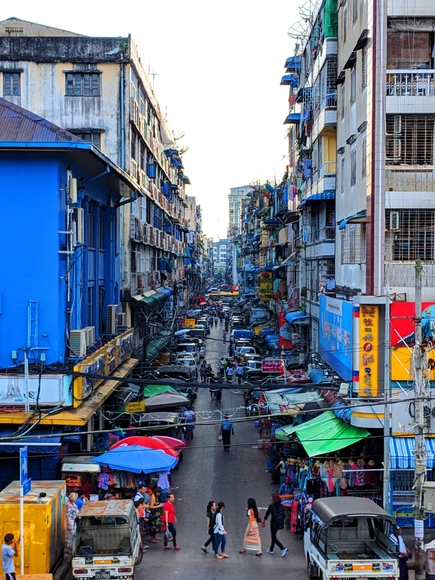
Around 440 fast-growing cities in emerging economies will contribute by 2025, to nearly half of global economic growth. If given the right planning and management tools, this urbanization “can be transformative, creating jobs, reducing poverty, and improving citizens’ quality of life”. As a matter of fact, the Global Future Cities Programme (GFCP) aims to deliver this required support. Based on urban planning, transport, and resilience principles, the program provides “technical assistance for a set of targeted interventions to encourage sustainable development and increase prosperity while alleviating high levels of urban poverty”.
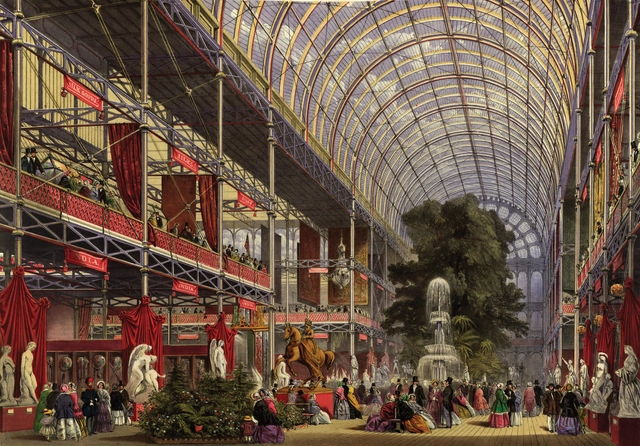
The Crystal Palace Exhibition, London, painting / Special Collections, University of Maryland Libraries; Hornbake Digitization Center. Image Courtesy of Princeton Architectural Press
According to Pliny, Roman Emperor Tiberius’s doctors instructed their charge to consume a fruit of the Cucurbits family each day. To grow these melon and cucumber fruits year-round on his home island of Capri, Tiberius directed construction of specularia: “[He] had raised beds made in frames upon wheels, by means of which the Cucumis were moved and exposed to the full heat of the sun; while, in winter, they were withdrawn, and placed under the protection of frames glazed with mirror-stone.”
https://www.archdaily.com/954920/from-ancient-rome-to-contemporary-singapore-the-evolution-of-conservatoriesGrace Mitchell Tada
Videos
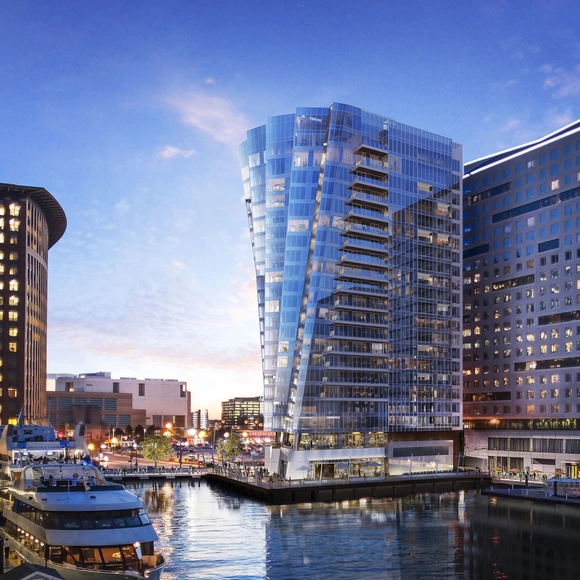
The St. Regis Residences – a striking new high-rise building in Boston Harbour – is glazed with Air-Lux sliding windows. Image Courtesy of Air-Lux
The first-ever sliding window system for skyscrapers by Swiss company Air-Lux has already proven itself under stringent US testing conditions. Just why it is the first to be suitable for high-rise buildings, with their enormous wind loads, is explained here.
https://www.archdaily.com/954836/sliding-windows-in-high-rise-buildings-how-air-lux-systems-ensure-air-and-water-tightnessArchDaily Team
The Architectural realm has always been torn between artistic and rational cosmos. During our architectural studies, we are rarely given one specific methodology with which we can approach a project, resulting in diverse outcomes and methods of designing. However, in order for us to discover our personal stand, we must look back at the logic and philosophy of the great pioneers who influenced architecture before us.
Le Corbusier, Mies van der Rohe, Frank Lloyd Wright, and Louis Kahn are four of the most notable architects to date. Read on to find out more about the creative process of these four leaders of the modern era, and why their projects and practices are still influential to our modern times.
Many initiatives around the world have lately focused on ways to improve the urban environment through the actions of their inhabitants, be it in designing, building, or managing projects. Open-source urbanism is a collaborative approach that seeks to enhance the citizens' capacity for change.
An in-depth look at the concept of open-source urbanism is happening nowadays, and one can find many different definitions and approaches to it. But overall, open-source urbanism can be defined as the co-production of open-source common urban assets.
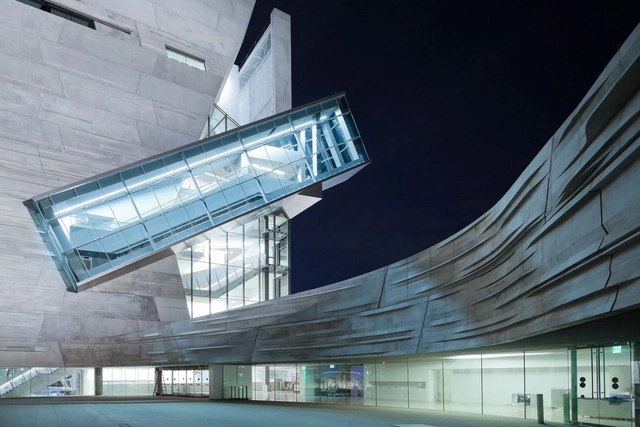
Dallas is home to a high concentration of structures by world-renowned architects. With some of the most iconic architecture per square mile of any American city, Dallas boasts designs by six Pritzker Prize Laureates, all within close distance to the up and coming Arts District. From Norman Foster’s Opera House to Thom Mayne’s Museum of Nature and Science, these projects are emblematic of a larger city-wide design culture.
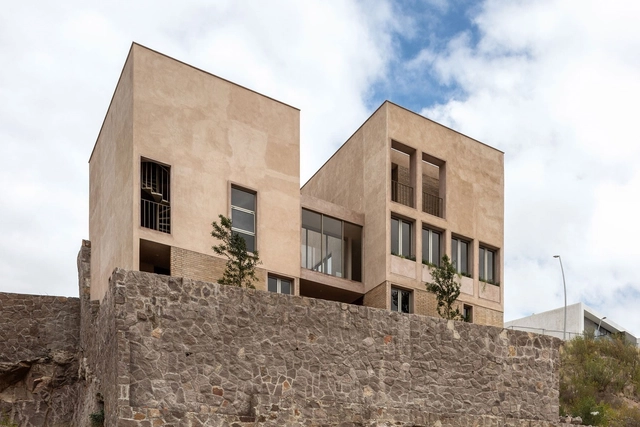
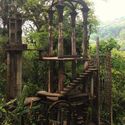
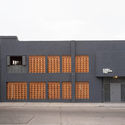
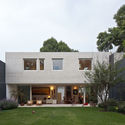
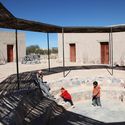
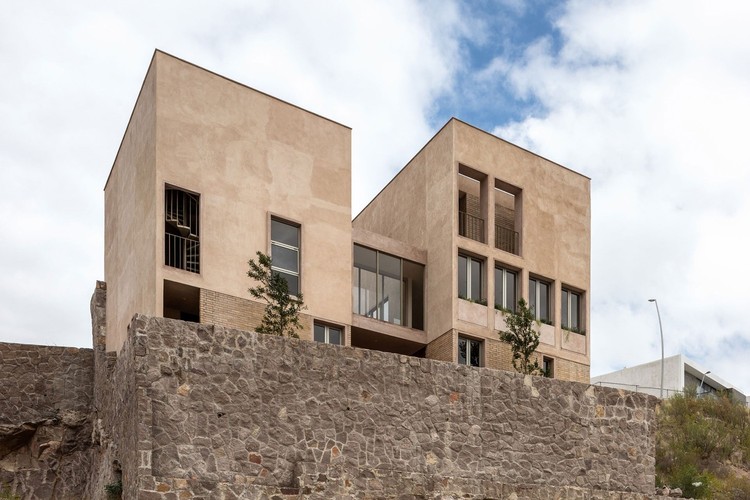
San Luis Potosí has become one of Mexico's busiest destinations for both national and international tourism. Thanks to a population boom throughout the state, Mexican architects have dedicated themselves to designing residential, cultural, and recreational buildings that highlight the region's architectural style and traditions. In this article, we present a few of these projects to illustrate a portion of Mexico's vibrant and varied architecture.
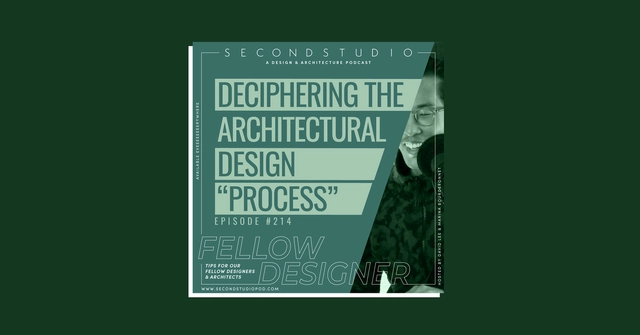
The Second Studio (formerly The Midnight Charette) is an explicit podcast about design, architecture, and the everyday. Hosted by Architects David Lee and Marina Bourderonnet, it features different creative professionals in unscripted conversations that allow for thoughtful takes and personal discussions.
A variety of subjects are covered with honesty and humor: some episodes are interviews, while others are tips for fellow designers, reviews of buildings and other projects, or casual explorations of everyday life and design. The Second Studio is also available on iTunes, Spotify, and YouTube.
This week David and Marina discuss the design process. The two discuss researching, using intuition, their six different ways to test if an ‘in-progress design’ is good and how it can be bettered (the different mediums test, the abstraction test, the architectural criteria test, the development test, the conceptual sequence test, and the excitement test), why a consistent step-by-step process is problematic, how the design process if viewed differently by designers and non-designers (clients), and solving designer’s block.
https://www.archdaily.com/954662/the-second-studio-podcast-on-sharing-design-process-tips-for-designers-and-architectsThe Second Studio Podcast
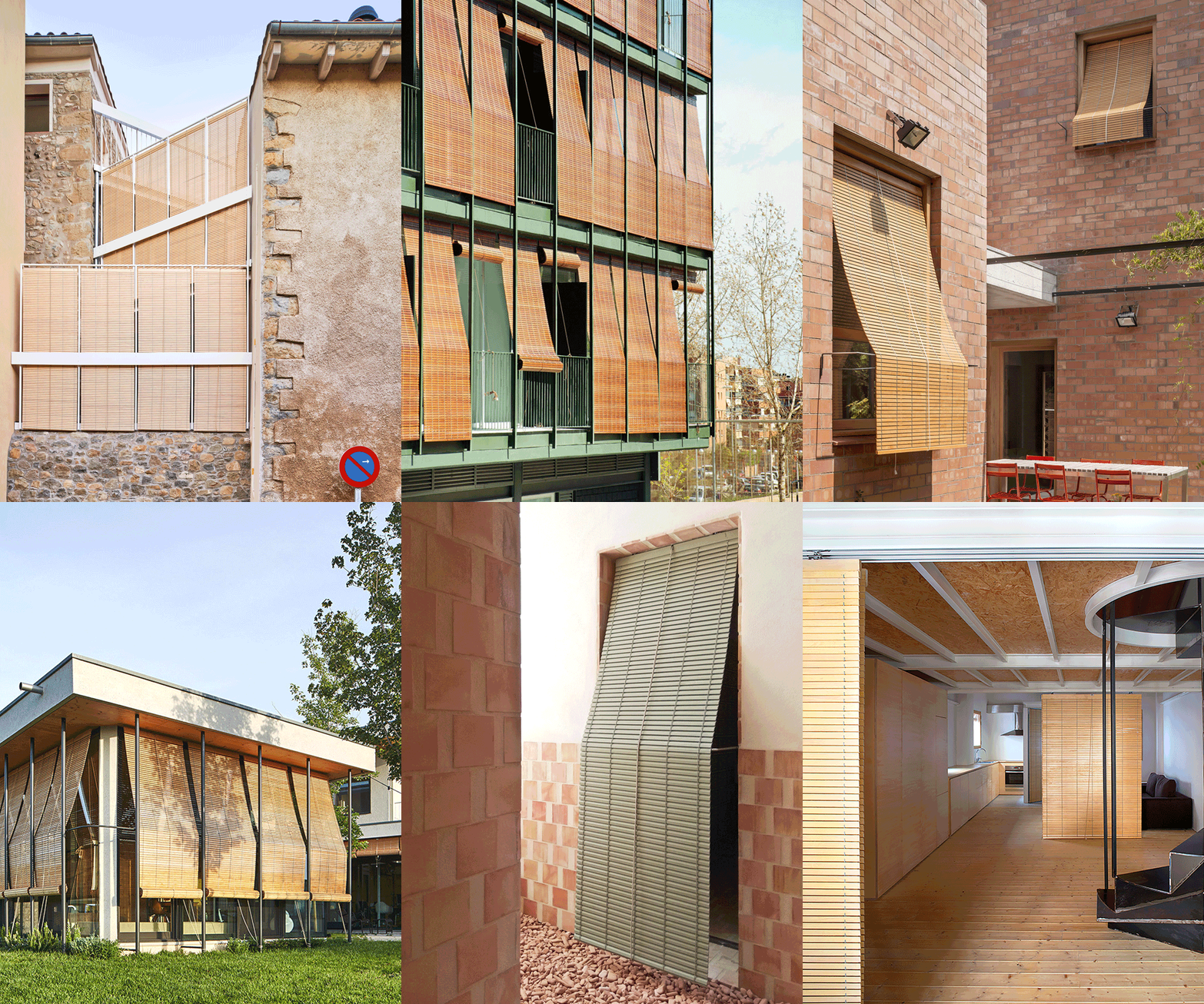
Throughout history, sunshades--light-weight screens typically made of interwoven wooden reeds--have been the go-to method of sun protection and temperature control for dwellings across civilizations, especially those located in tropical and Mediterranean climates. While offering protection from the sun's heat and rays, sunshades also allow air to permeate, making them an effective and economical cooling system for interior spaces.
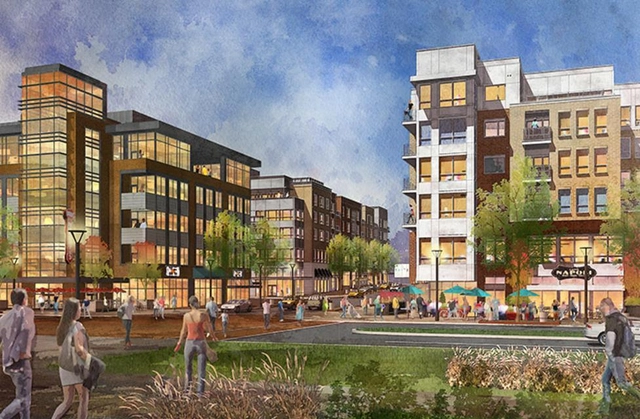
Dublin Bridge Park in Columbus, Ohio. Image via Dublin Bridge Park
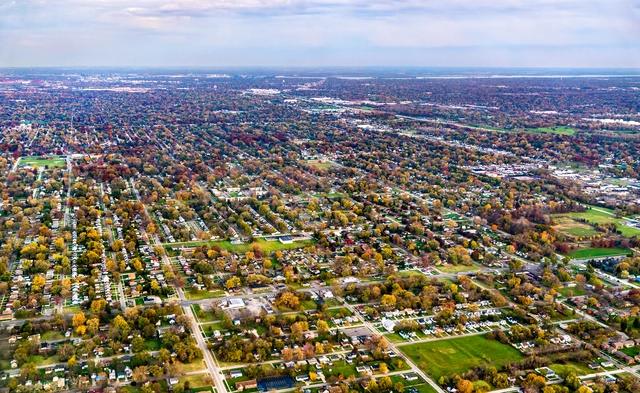
Suburbs as we know them are changing forever. Partially exacerbated by the effects of the pandemic, residents are leaving cities in droves in search of more favorable living conditions where more space, privacy, and affordability offers what some consider to be a more comfortable lifestyle. But as time goes on, and development sprawls, it’s harder to tell where cities end and suburbs begin.
SCI-Edge, Center for Advanced Studies in Architecture, offers 5 postgraduate Master of Science degree programs. This year is the fourth class at SCI-Arc Edge and previous graduates are already establishing themselves as innovative voices defining what it means to be an architect in the twenty-first century. The current students have just completed the fall semester, which is the first of the three-semester sequences of the programs. The students coming into the programs represent an astonishingly wide range of backgrounds and research interests. We have asked two of them to describe their research interests and how they are beginning to bridge between their previous education and their new experiences at SCI-Arc Edge.
I attended graduate school, in geography, in Tucson, Arizona, United States, in the late 1990s. Tucson draws fame from a number of things, including its Mexican-American heritage, its chimichangas, its sky islands, and its abundant population of saguaro cacti.
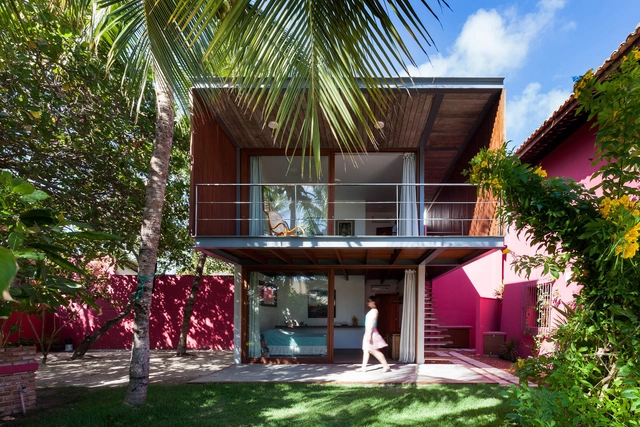
Every architect has certainly already had the experience of designing a house throughout his or her career (or at least in university). Yet, developing a residential project with limited space, either due to physical restrictions of the land or a small budget, can be an interesting challenge while attempting to optimize the space, satisfy the architectural brief and provide maximum comfort to the future residents. With this in mind, we have gathered 21 Brazilian houses under 100 square meters along with their floor plans. Check out below:
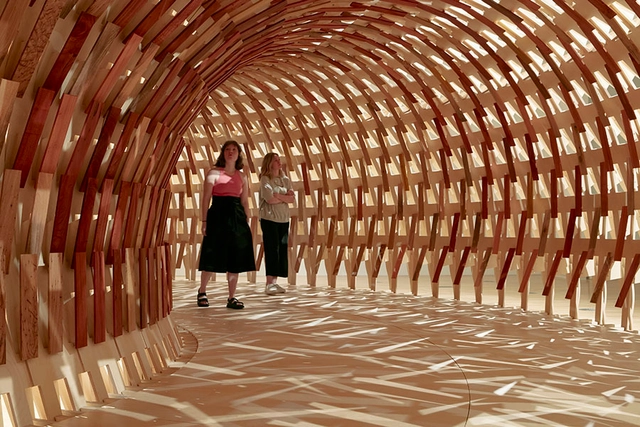
For the newest installment of the NGV Triennial, architect Kengo Kuma and Melbourne artist Geoff Nees realized the Botanical Pavillion. Image Courtesy of Tom Ross
What might be called the Art Fair Industrial Complex has been an ambivalent force on both art markets and art itself in recent years: in one view, fairs offer their attendees chances to see international work they wouldn’t otherwise have access to; in another, the vast mall of it all dulls context into commerce.
With an on-going digital and physical evolution, the 5th Istanbul Design Biennialtook a new approach. “Rather than focusing on the presentation of final results in a compressed period of time and space”, the global circumstances created the opportunity to present new projects on a longer period of time and in expanded spaces, offering not an exhibition but “a digital and research program with a series of permanent interventions in the city.”
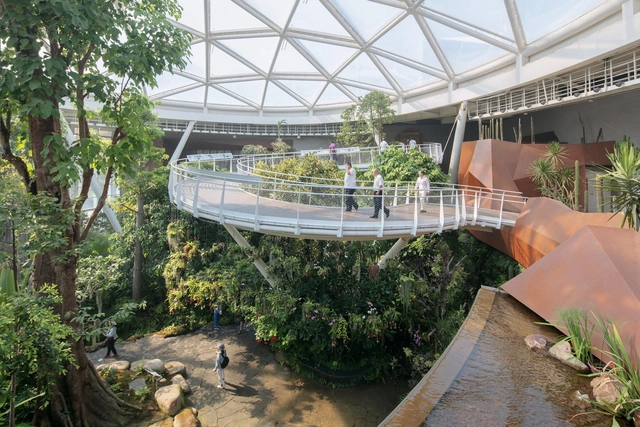
Botanic Garden in Beijing / URBANUS. Courtesy of Wang Hui
One of the most rewarding aspects of working with architecture publications is the possibility of meeting and becoming closer to the experts that are effectively transforming the discipline, either with built projects, research, experiments, theories, or even with works in other fields. In this sense, interviews perform a special role among all the different types of content published every day by ArchDaily, as we can get a closer insight into what some of the most distinguished and promising people have to say about the present and the future of architecture and cities.
With more than two hundred interviews published in our platforms, in English, Spanish, Portuguese, and Chinese, conducted in various formats – video recordings, transcripts, interviews by e-mail, video calls, or even podcasts –, it's safe to say that 2020 was a year of intensive learning during which we have become, paradoxically, closer than ever before to an inspiring group of architecture professionals.
Sinaloa is a state located in the northwestern part of Mexico bordered by the states of Sonora, Chihuahua, Durango, Nayarit, and by the Gulf of California to the west. It consists of over 58200 km² of territory and is the agricultural hub of Mexico.














.jpg?1609931383&format=webp&width=640&height=580)
.jpg?1609924103 "theOtherForest. Image © Kayhan Kaygusuz")

.jpg?1609931383)
.jpg?1606770388&format=webp&width=640&height=580)
.jpg?1606770388)