Architecture for Everyone: Reflecting on Accessibility on the International Day of Persons with Disabilities

Every year on 3 December, the International Day of Persons with Disabilities brings renewed attention to the need for inclusive, equitable environments, both socially and spatially. The 2025 theme, "Fostering disability inclusive societies for advancing social progress," highlights how persistent barriers in employment, social protection, and access to services continue to affect more than one billion people worldwide. Within this broader context, the built environment plays a decisive role: architecture can either reinforce exclusion or open pathways toward autonomy, dignity, and participation in daily life.

Architecture for Everyone: Reflecting on Accessibility on the International Day of Persons with Disabilities - Image 2 of 9Architecture for Everyone: Reflecting on Accessibility on the International Day of Persons with Disabilities - Image 3 of 9Architecture for Everyone: Reflecting on Accessibility on the International Day of Persons with Disabilities - Image 4 of 9Architecture for Everyone: Reflecting on Accessibility on the International Day of Persons with Disabilities - Image 5 of 9Architecture for Everyone: Reflecting on Accessibility on the International Day of Persons with Disabilities - More Images+ 4

As the United Nations reflects on six years of its Disability Inclusion Strategy, the conversation increasingly intersects with questions of spatial justice and accessibility in cities. Globally, many public buildings incorporate accessibility measures due to regulation, yet residential spaces, streetscapes, and everyday infrastructures often lag behind. The growing need for environments that support diverse bodies and abilities, intensified by aging populations and expanding urban systems, underscores the responsibility of architects, planners, and policymakers to move beyond minimum standards and toward more comprehensive, human-centered design approaches.
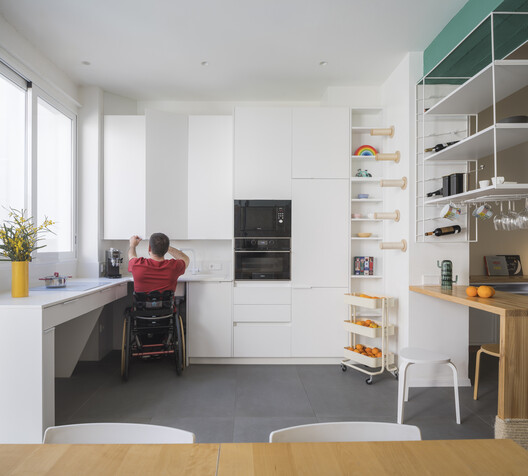
Architecture for Everyone: Reflecting on Accessibility on the International Day of Persons with Disabilities - Image 2 of 9
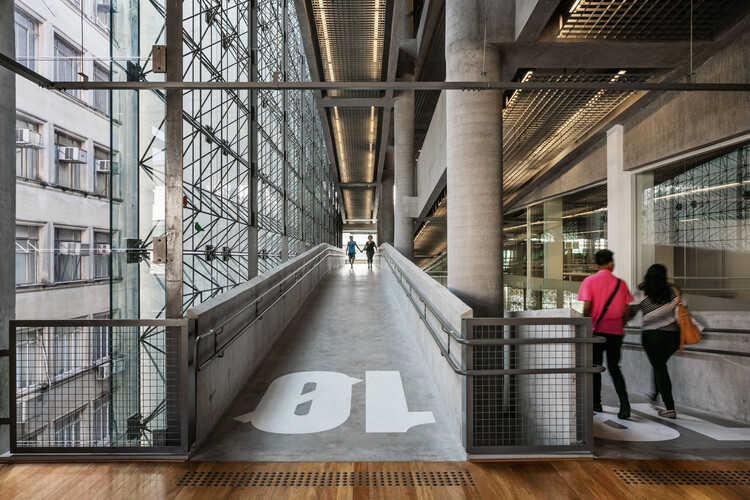
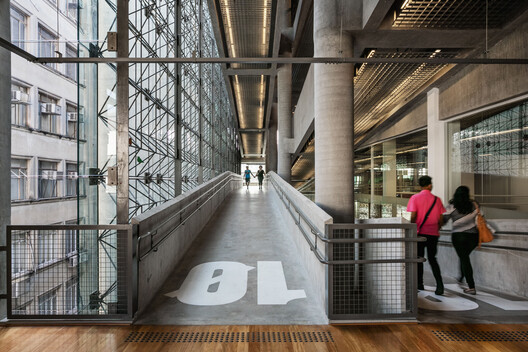
Casavera / gon architects. Image © Imagen Subliminal (Miguel de Guzmán + Rocío Romero)

Examples such as the "curb cut effect" illustrate how inclusive design strategies, initially introduced to support wheelchair users, ultimately improve mobility and safety for a wide range of people. This principle extends across architecture: when spaces are designed with empathy, flexibility, and universal access in mind, they generate benefits far beyond their intended users. In this sense, disability-inclusive design is not a niche specialization but a foundational component of resilient, future-oriented cities. It calls for architectural thinking that embraces human diversity as a starting point, ensuring environments that enable full and effective participation for everyone.


Related Article

World Autism Day: 5 Projects Crafted for Differently-Abled Bodies

Read on to discover a selection of articles published on ArchDaily that explore accessibility, universal design, and the evolving role of architecture in fostering inclusive environments.

Designing for All: Exploring Empathy, Inclusivity, Accessibility and Spatial Equity in Architecture
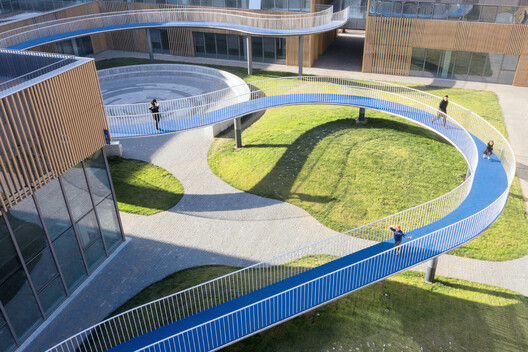
Architecture for Everyone: Reflecting on Accessibility on the International Day of Persons with Disabilities - Image 6 of 9
Tongzhou SINLOON Canal Creative District / officePROJECT. Image © Zhi Xia

How Can Buildings Work for Everyone? The Future of Inclusivity and Accessibility in Architecture
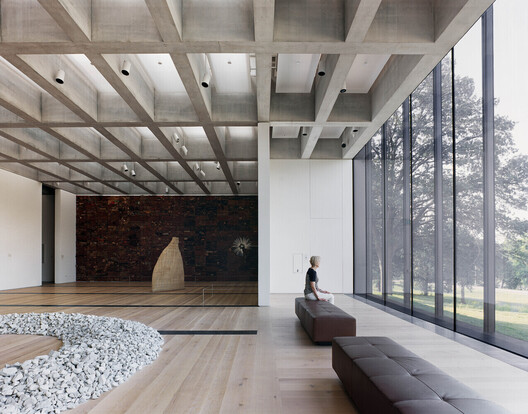
Architecture for Everyone: Reflecting on Accessibility on the International Day of Persons with Disabilities - Image 7 of 9
Saint Louis Art Museum / David Chipperfield Architects. Image © Simon Menges

The Curb Cut Effect: How Accessible Architecture is Benefiting Everybody
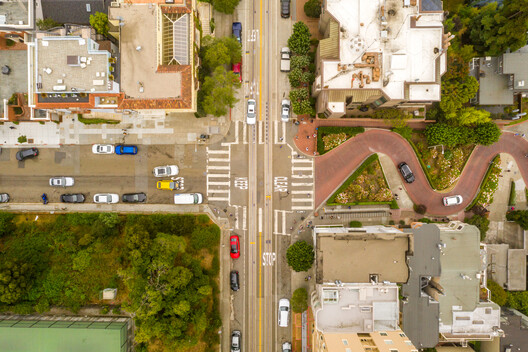
Architecture for Everyone: Reflecting on Accessibility on the International Day of Persons with Disabilities - Image 9 of 9
Aerial view of the famous Lombard Street, San Francisco, California, USA. Image © RAW-films via Shutterstock 5 / 10

Overcoming Barriers: 4 Residential Projects with Accessibility Strategies in Latin America
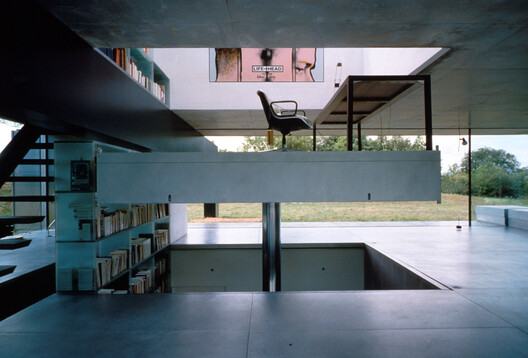
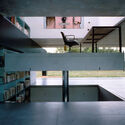
Architecture for Everyone: Reflecting on Accessibility on the International Day of Persons with Disabilities - Image 4 of 9
AD Classics: Maison Bordeaux / OMA. Image © Hans Werlemann, courtesy OMA

How Do the 7 Principles of Universal Design Help Us Create Better Architecture?
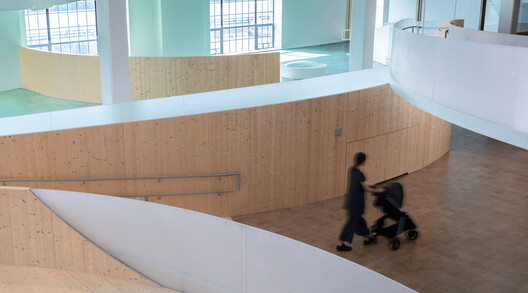
Architecture for Everyone: Reflecting on Accessibility on the International Day of Persons with Disabilities - Image 3 of 9
Bronx Children's Museum / O'Neill McVoy Architects. Image © Paul Warchol

Architecture Tailored for the Deaf and Hard-of-Hearing Community: Gallaudet University's DeafSpace Principles
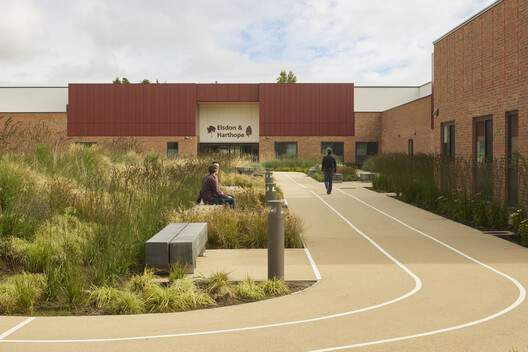
Architecture for Everyone: Reflecting on Accessibility on the International Day of Persons with Disabilities - Image 8 of 9
Sycamore at Northgate Park Hospital by Medical Architecture. Image © Martin Forster

Designing Inclusive Cities: The Role of Universal Design in Creating Accessible Urban Atmospheres
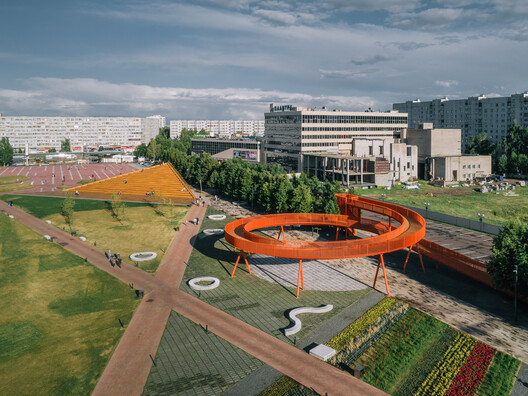
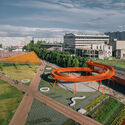
Architecture for Everyone: Reflecting on Accessibility on the International Day of Persons with Disabilities - Image 5 of 9
Azatlyk, Central Square of Naberezhnye Chelny / DROM. Image © Dmitry Chebanenko

Image gallery

See allShow less
About this author
Cite: Reyyan Dogan. "Architecture for Everyone: Reflecting on Accessibility on the International Day of Persons with Disabilities" 03 Dec 2025. ArchDaily. Accessed . <https://www.archdaily.com/1036628/architecture-for-everyone-reflecting-on-accessibility-on-the-international-day-of-persons-with-disabilities> ISSN 0719-8884

You've started following your first account!

Did you know?

You'll now receive updates based on what you follow! Personalize your stream and start following your favorite authors, offices and users.