How to visualize architectural concepts in SketchUp using D5 Lite for faster design exploration.
How to visualize architectural concepts in SketchUp using D5 Lite for faster design exploration.
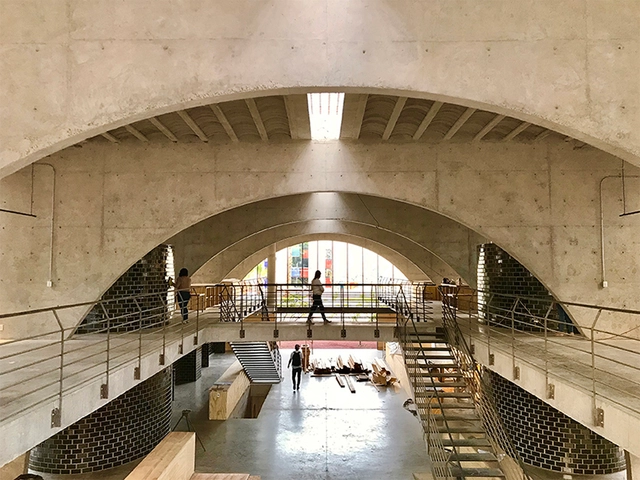
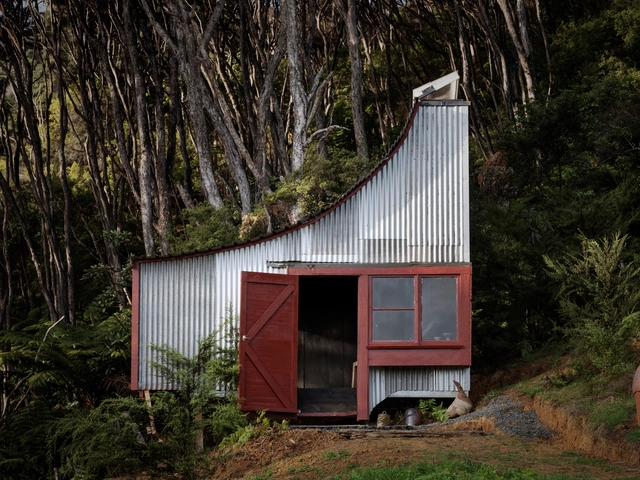

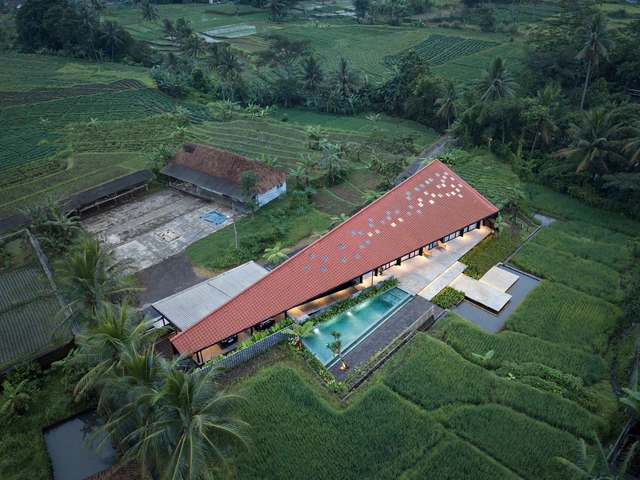


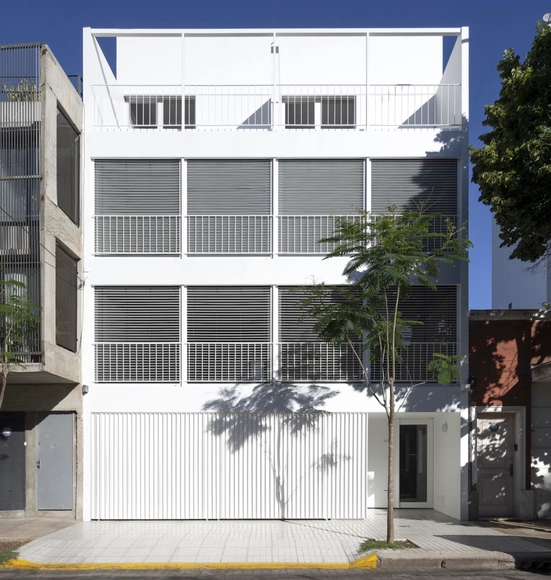
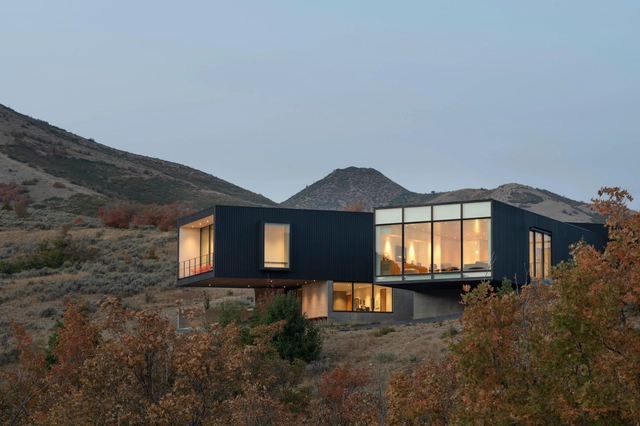
Housing is not just the place where we live. It is a reflection of our society, our culture, and our aspirations. It is a space that influences our quality of life, our health, and our well-being. And in a world changing at an unprecedented pace—where technology advances by leaps and bounds, population grows, and resources become scarce—it is crucial to reflect on how we inhabit our homes and how we can make them better.
Throughout the month of April, ArchDaily opened up the debate on the topic of contemporary housing. We extended an invitation to our readers to join the discussion on its current state and future. After reviewing an immense number of comments and opinions from construction professionals, students, and architecture enthusiasts alike, we were surprised to find a strong consensus: above all, contemporary housing speaks as much to adaptability, innovation, and diversity as it does to real estate speculation, a lack of adequate public policies, and economic inequality. Read the main viewpoints in detail below.
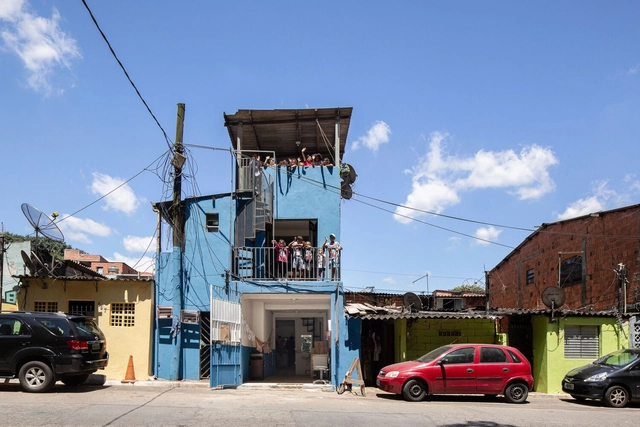

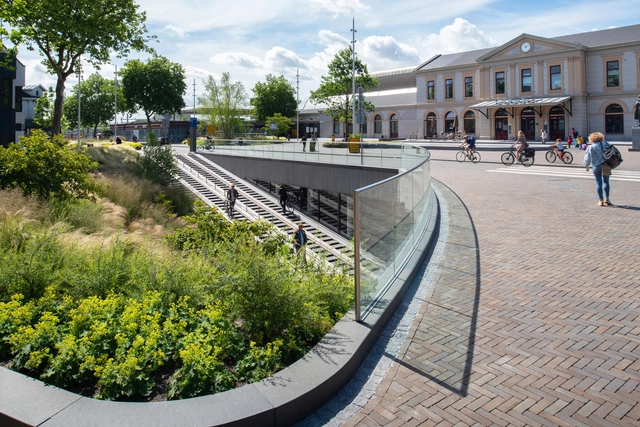
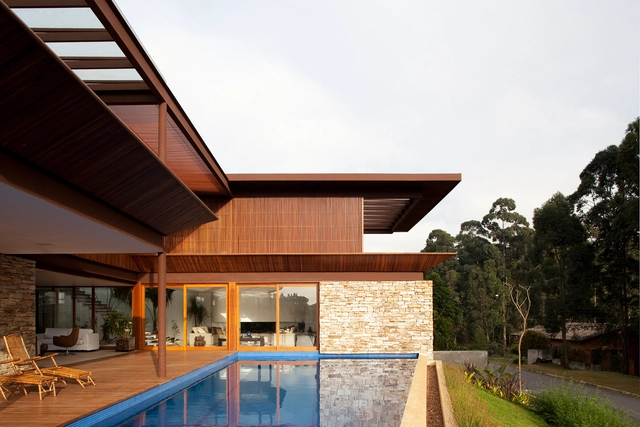
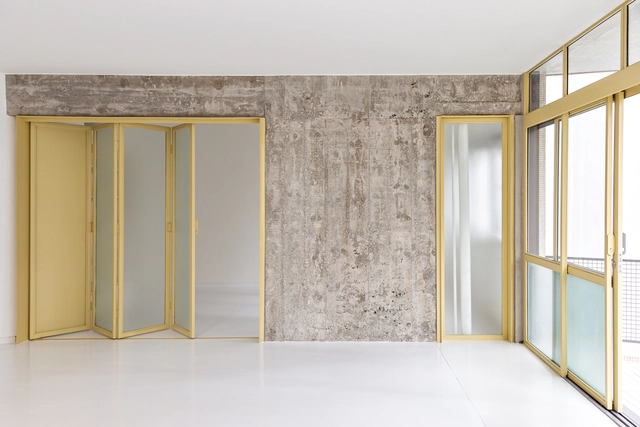
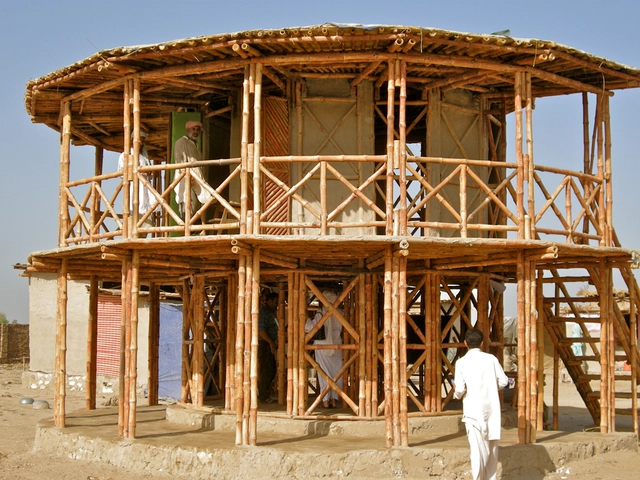
Yasmeen Lari, recognized as the first female architect in Pakistan, has had a significant impact both in her home country and internationally due to her innovative and socially conscious approach to architecture. Through a systemic approach, Lari’s work takes into consideration local culture, site-specific opportunities, and challenges. Born in Pakistan in 1941, Yasmeen Lari moved to London with her family at the age of 15. After graduating from Oxford Brooks School of Architecture, she returned to Pakistan at the age of 23 to establish Lari Associates with her husband, Suhail Zaheer Lari. The couple settled in Karachi. Here, she began to study Pakistan’s ancient towns and the vernacular architecture of earth buildings, igniting her interest in the architectural heritage and traditional techniques of her country. In 1980, she co-founded the Heritage Foundation of Pakistan with her husband, becoming instrumental in the preservation of her country’s rich cultural heritage.
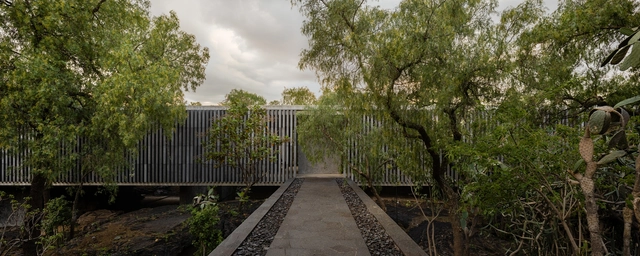

By operating in closed cycles, circular design goes beyond the traditional linear concept of "extracting, producing, consuming and discarding", and seeks to create more sustainable and efficient systems throughout the life cycle of a product. Through the principles of reduction, reuse, recycling and regeneration, it can minimize the environmental impact of a product from the very first stages of its life: with the choice of more sustainable, durable materials; by minimizing waste during production; by promoting reuse and repair during its use; and at the disposal phase, with the efficient recycling of materials that can be reintroduced to the production chain. The adoption of circular design has gained strength in the industry, but despite the many advances and initiatives, it is still rare to see concrete examples of its implementation.
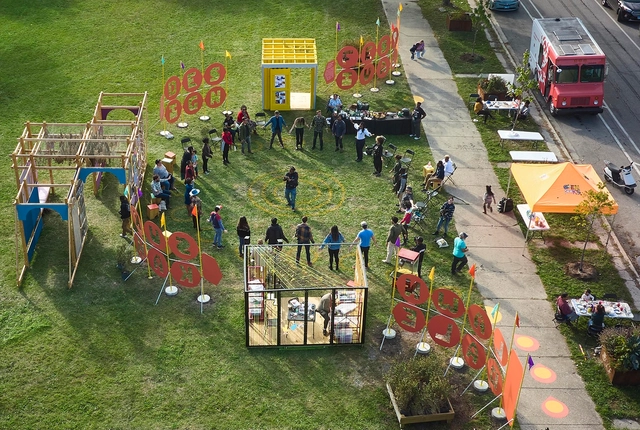
The Architectural League of New York has announced the winners of its 42nd cycle of the Architectural League Prize for Young Architects + Designers. The theme for this edition of the competition was “Uncomfortable,” asking young designers to contemplate their position while wrestling with many uncomfortable responsibilities, like challenging traditional paradigms, dismantling architectural legacies, grappling with the costs of comfort, or responding to rising ecological concerns.
Established in 1981, the competition is open to young architects and designers in an effort to recognize the visionary work of young practitioners. This year’s theme was developed by the 2023 Young Architects + Designers Committee, which included recent League Prize winners Jose Amozurrutia, Germane Barnes, and Jennifer Bonner. The jury included the committee in addition to Barbara Bestor, Wonne Ickx, Kyle Miller, and Tya Winn.