How to visualize architectural concepts in SketchUp using D5 Lite for faster design exploration.
How to visualize architectural concepts in SketchUp using D5 Lite for faster design exploration.
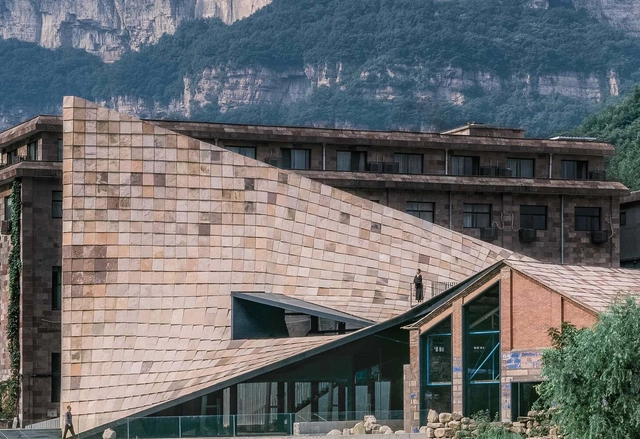

Architectural competitions have long been used to select the best designs in a viable, fair, and democratic manner, regardless of their purpose. In Brazil, the Institute of Architects of Brazil (IAB) stands out, having represented the country's architects for over a century and strongly advocating for the popularization and formalization of competitions as the primary method for commissioning public works—whether for architecture, urban planning, or landscape design. These competitions ensure that public authorities contract the best project, rather than simply the cheapest, which is common in price-based competitive bidding.
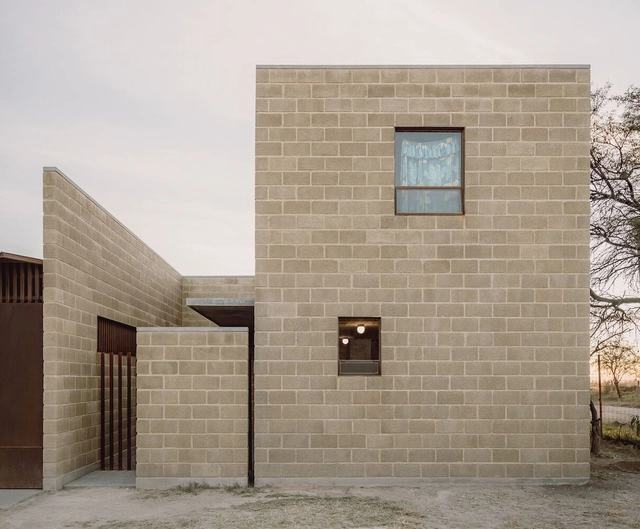
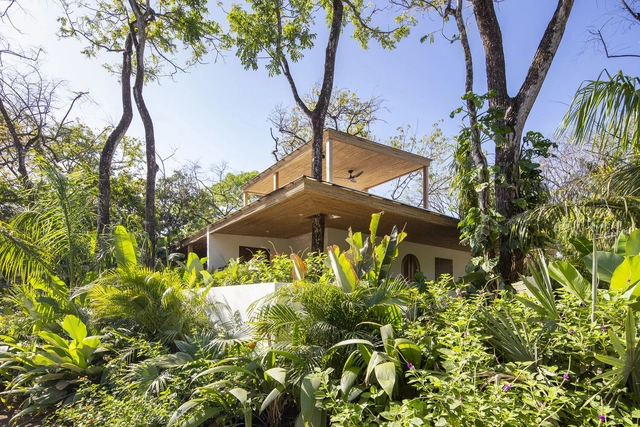

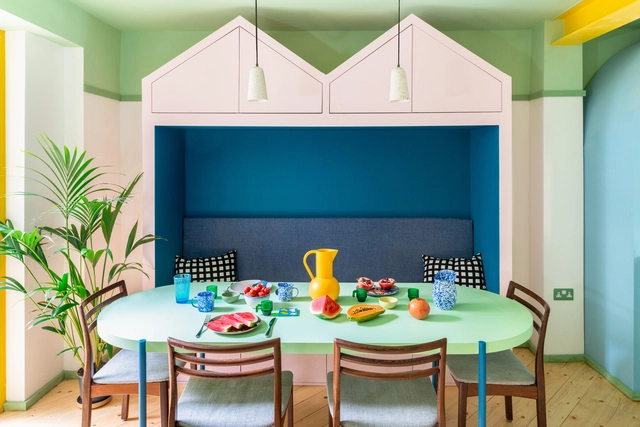
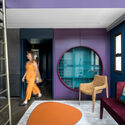
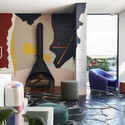
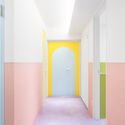
Though it has long been assumed that newborns don't see color at all, more recent studies have shown that they can indeed distinguish between different shades. And even though young minds may not fully realize what they're looking at, the impression and effect of a bright visual still elicit a potent response. This remains true throughout our lifetime: colors can influence our feelings in powerful ways. Architects and designers have long employed this to their advantage, especially when it comes to interior spaces. Whether it be to highlight specific architectural features, create certain moods, distinguish areas in open concept layouts, or brighten a room with its finishing touches, colors are a pivotal tool for professionals throughout the design process. The combination of multiple bold shades — color blocking — in particular can be a success if done right.
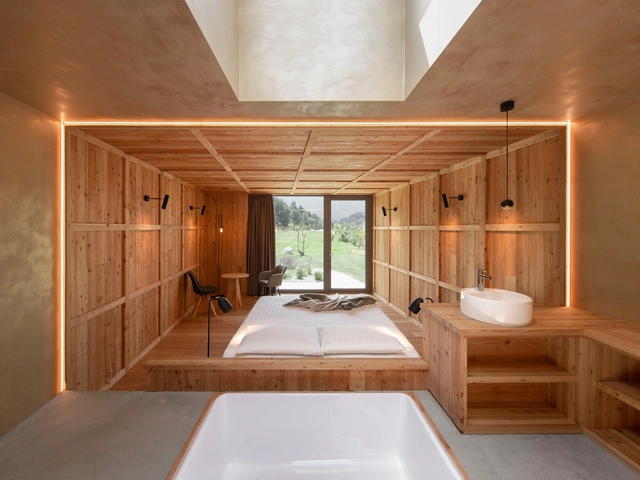
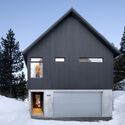
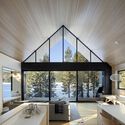
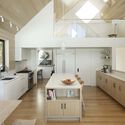
Some would say it's the fresh air, peace and quiet, and some the constant closeness to nature; nonetheless, we all agree there’s something unique about the countryside. As you step inside a farmhouse, all of these qualities can be reflected through the lense of contemporary interior design, creating a welcoming, light and calm ambiance. Known for their place in rural or agricultural settings and designed for farm living, traditional 1700’s farm houses –also known as “folk” houses– were initially influenced by their geographical conditions, enhancing the relationship with the environment. While conserving traditional approaches such as simple floor-plans, gabled roofs and large porches, farmhouse aesthetics have gone through transformations to adapt to contemporary ways of living. By reusing and using traditional rural architecture as a direct reference, we analyze how current projects follow its singular design strategies: noble materials, spaces connected to the environment, and simple and functional spaces with unique details.
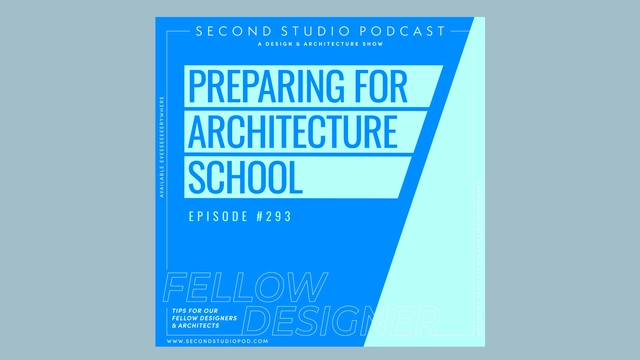
The Second Studio (formerly The Midnight Charette) is an explicit podcast about design, architecture, and the everyday. Hosted by Architects David Lee and Marina Bourderonnet, it features different creative professionals in unscripted conversations that allow for thoughtful takes and personal discussions.
A variety of subjects are covered with honesty and humor: some episodes are interviews, while others are tips for fellow designers, reviews of buildings and other projects, or casual explorations of everyday life and design. The Second Studio is also available on iTunes, Spotify, and YouTube.
This week David and Marina of FAME Architecture & Design discuss how to prepare for undergraduate architecture school. The two cover learning different skills and tools such as software programs, sculpture, drawing, and painting; learning about construction; common challenges students face; architectural education in general; dealing with negativity in the profession of architecture; and more.