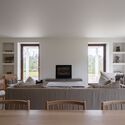
How to visualize architectural concepts in SketchUp using D5 Lite for faster design exploration.
How to visualize architectural concepts in SketchUp using D5 Lite for faster design exploration.



Architecture is a business. Whether architects openly admit it or not, running an architecture firm works just like any other company. Businesses—and their founders, leaders, and stakeholders—are influenced by real-world economic forces. You cannot make payroll on a love of the work.
In our current economic system, businesses must prioritize profitability to pay their employees a living wage, operate sustainably and ethically, and continue offering their services.

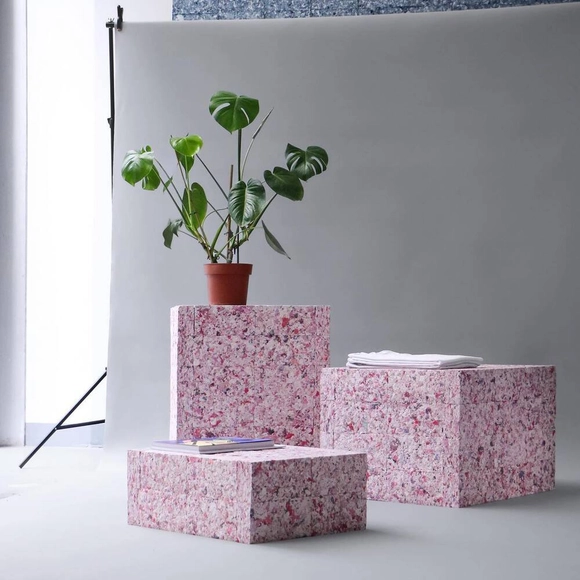
According to recent research, the global fashion industry generates around $2.4 trillion annually. This staggering figure, unfortunately, is matched by its waste statistics. It is estimated that every second, the equivalent of a garbage truck full of textile scraps is burned or sent to landfills. Considering that fabrics like polyester, which is widely used in garment manufacturing, take an average of 200 years to decompose, the catastrophic future of this model is easily foreseeable. Alarming news consistently highlights this issue, such as the images of the immense secondhand clothing graveyard in the Atacama Desert released a few years ago, or reports that famous British luxury brand Burberry incinerated £28.6 million worth of unsold clothing, accessories, and perfume last year to protect its brand, claiming the carbon emissions were offset, making the action "environmentally sustainable."
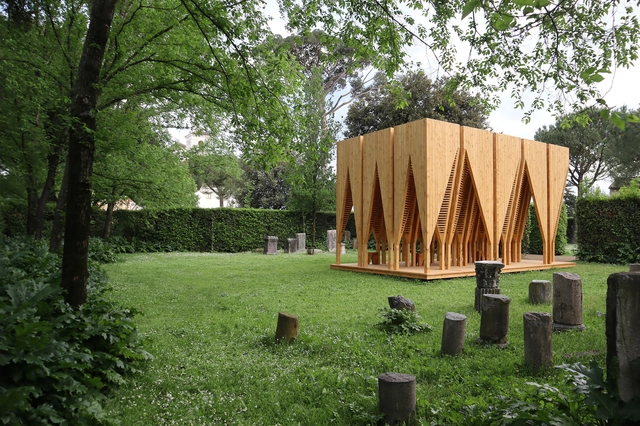
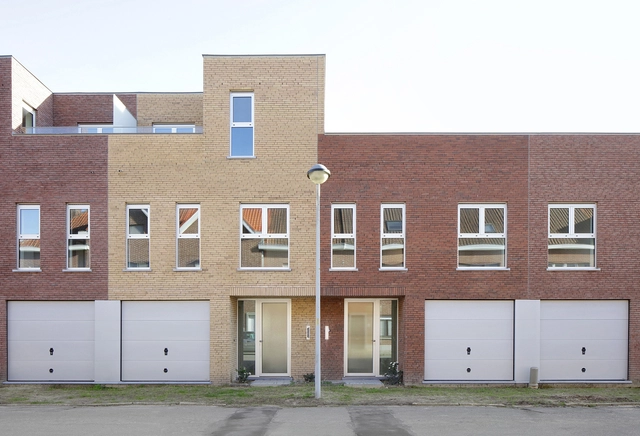


Although the architecture and construction industry has been making strides in new fields like artificial intelligence (AI), parametric modeling, virtual reality (VR), and other cutting-edge tools for years, their implementation and integration into daily design workflows remain slow. In an increasingly connected and constantly evolving world, digital tools and emerging technologies are revolutionizing how architects design and build—changing the rules of the game and expanding creative horizons. Consequently, there is an ongoing need to discuss how these technologies are being incorporated and how their use within the discipline can be further enhanced.
ArchDaily featured the topic of Design Process in July, and we didn't want to miss the opportunity to open the discussion with an invitation. We believe in the power of dialogue and the exchange of ideas. We want to hear about your experiences, learn from your successes, challenges, and mistakes—and explore together how these new tools are transforming the way you practice architecture.
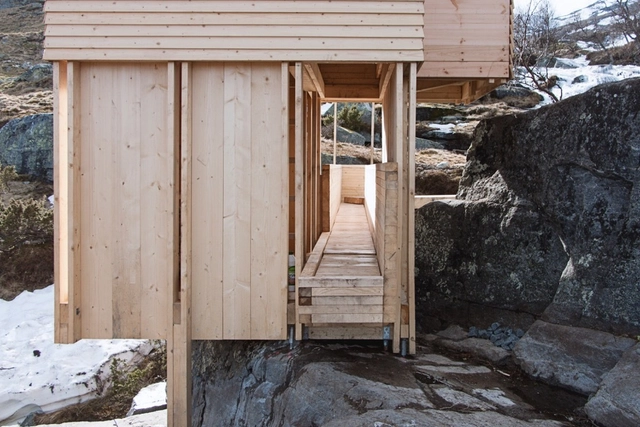
Due to its specific characteristics, the architecture of the sauna is interesting because it gives us lessons related to efficiency and the beauty of simplicity. These are generally very basic structures with a clear function, created to contain different levels of heat and humidity. Thanks to this steam bath, people can release toxins and improve their blood circulation. In addition, they are widely used in cold climates, in close proximity to nature and utilizing the presence of water.
To function, these normally airtight spaces contain a series of internal benches with different dimensions and a heat source that must reach temperatures between 80 and 90°C, including, if necessary, a chimney to expel the smoke. Wood is the material par excellence for saunas, using in most cases native species that maintain their rustic appearance and natural texture. Next, we review 9 saunas designed by architects, including some of their construction details.