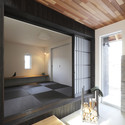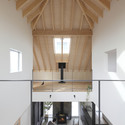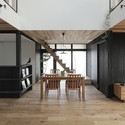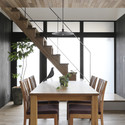
-
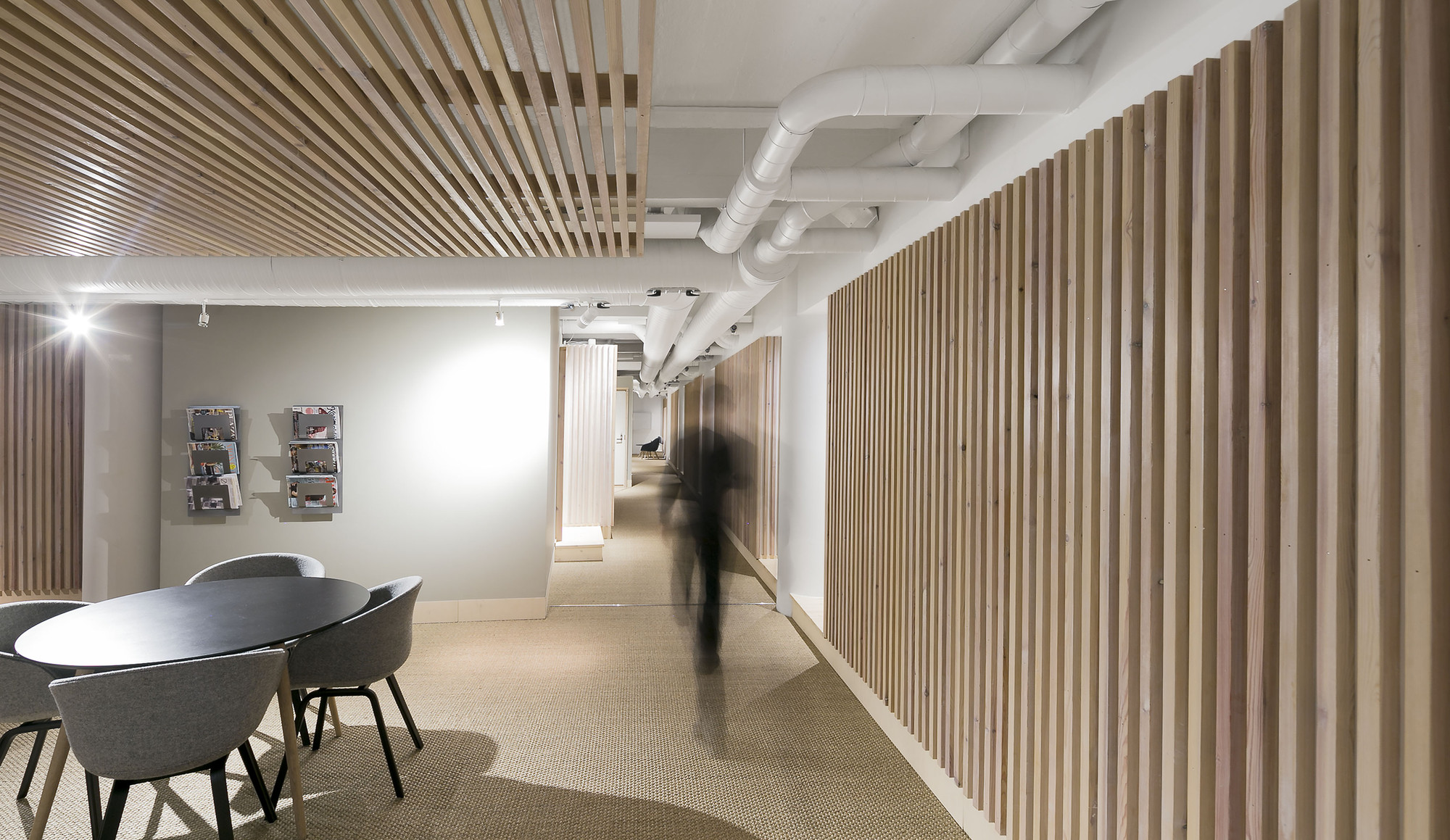
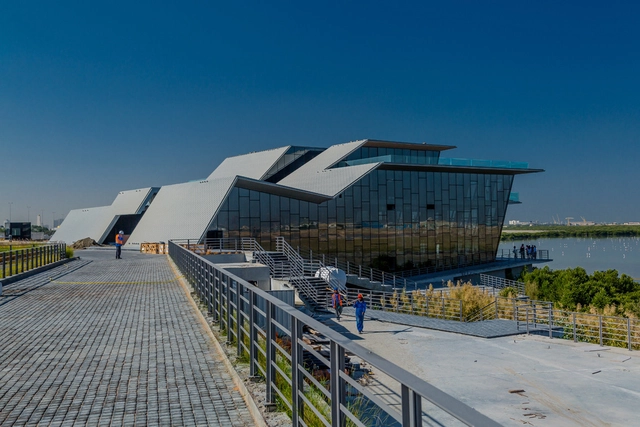
Architects: Studio Puisto
- Year: 2014
-
Professionals: Cajamäki Oy, Studio Puisto Architects


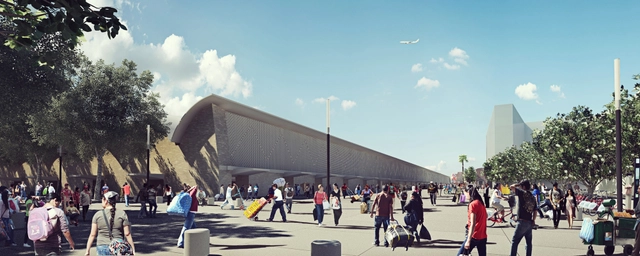
A design team led by Carlos Marín and José Muñoz-Villers has claimed first prize in Mexico City’s "La Merced" competition for their masterplan proposal to re-conceive the popular marketplace, Plaza Central La Merced. The team’s design, which beat out about 100 other entries, proposed the realization of a new public square to centralize pedestrian activity and to anchor strategies for urban revitalization, such as the reclamation of local heritage sites, the careful manipulation of natural elements, and the installation of urban furniture as a means for placemaking.

UNK Project Architects' entry for the Ministry of Culture of the Russian Federation's National Centre for Contemporary Arts (NCCA) competition centres around the interplay between art and architecture: "It’s what touches our soul and motivates us to pursue radical new ideas." Reaching the second stage of the international competition, which has been won by Heneghan Peng Architects, UNK Project Architect's proposal offers an intriguing, "almost airtight" space veiled by a monolithic façade facing landscaped urban space in the centre of Russia's capital.


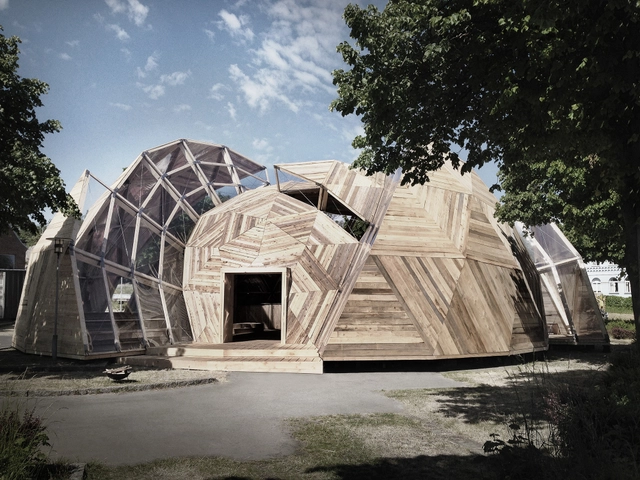
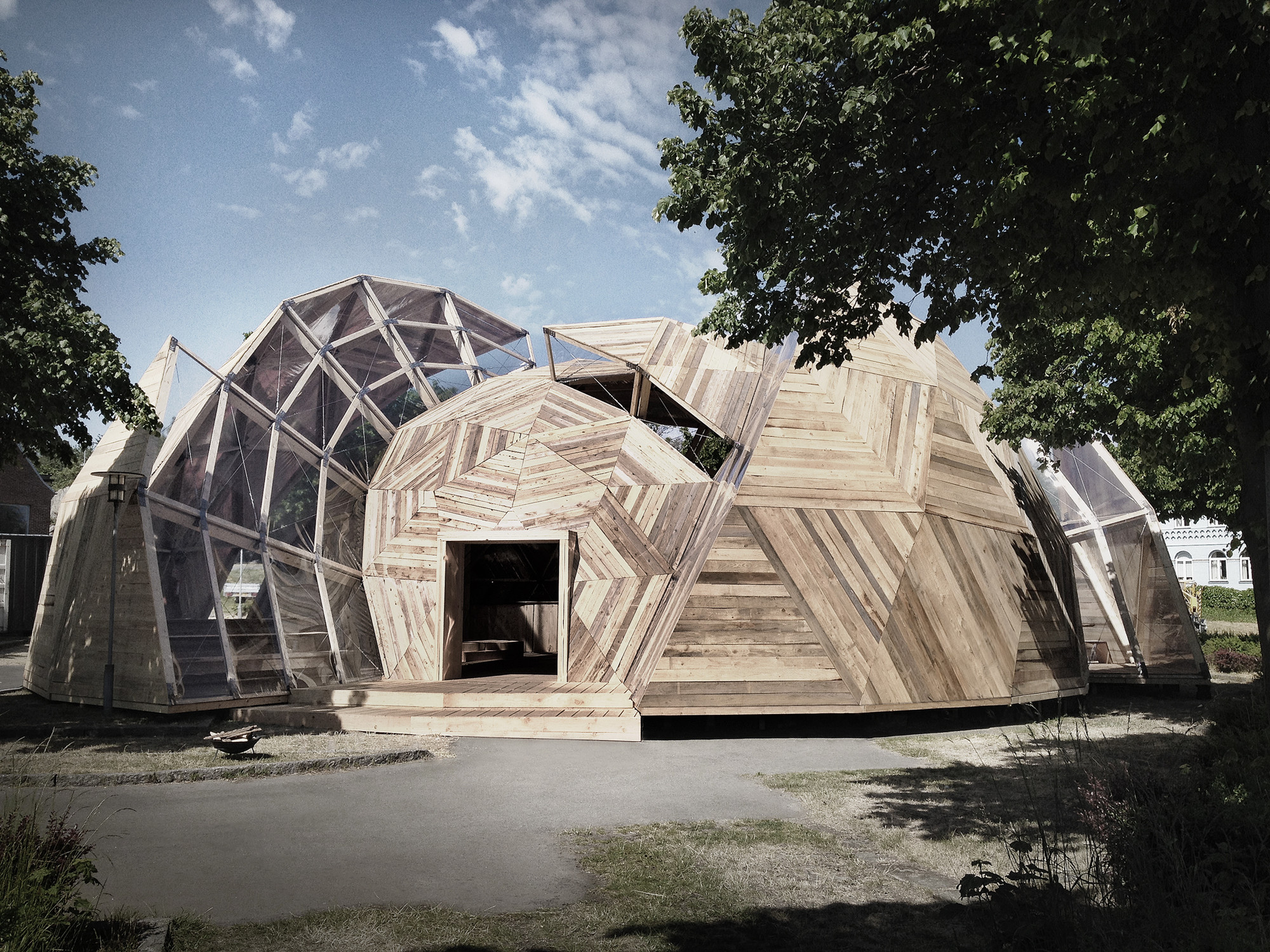
In order to generate a debate on the future of housing, Danish designers Tejlgaard & Jepsen are in the process of permanently reconstructing the People's Meeting Dome as a gift from BL (Denmark's Public Housing) and Lokale & Anlægsfonden to the Island of Bornholm and the city of Allinge. Having previously been erected twice as a temporary event space, this final incarnation of the dome will be inaugurated at the next Folkemøde (an annual gathering of Danish politicians), with the intention of becoming a community and event centre for the city.
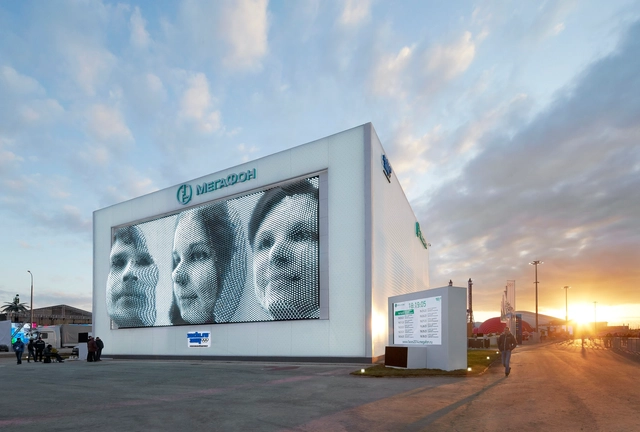
The Olympics are in full swing and, although the "Coastal Cluster" of stadiums has attracted a considerable amount of attention, there is one installation demanding interaction from every spectator. Built at the entrance of Sochi's Olympic Park is Asif Khan Studio's "MegaFaces," a pavilion that "contorts itself to recreate 3D images of the faces of visitors relayed via digital face scans made in photo booths installed within the building."
Comprised of 11,000 actuators sitting underneath the cube's stretchy fabric membrane, the installation allows for three, eight meter tall faces to emerge from the wall at a time (the faces that emerge from the side of the pavilion are enlarged by 3500%). According to the designers, this feature of the building "has been likened to a giant pin screen and a digital, architectural Mount Rushmore."


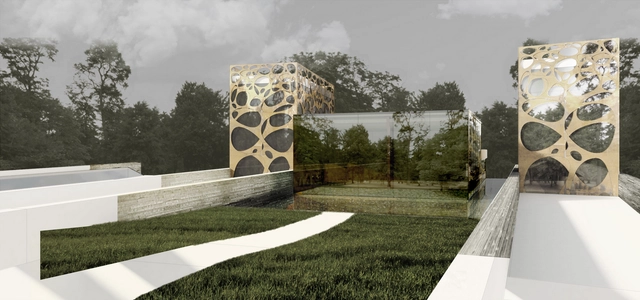
Coupdeville Architects has proposed designs for an environmentally responsible, carbon zero building in London. The earth sheltered structure is set into an existing slope on the site where it is arranged into three zones: an adult's area and a children's area both connected through larger living spaces. Following a requirement that the design provide areas "that allow the buildings occupants to be immersed on all sides by the site," all spaces are connected directly to the gardens. Not only has this allowed for optimal levels of sunlight into the rooms, but has allowed for excellent views from within and of the building.
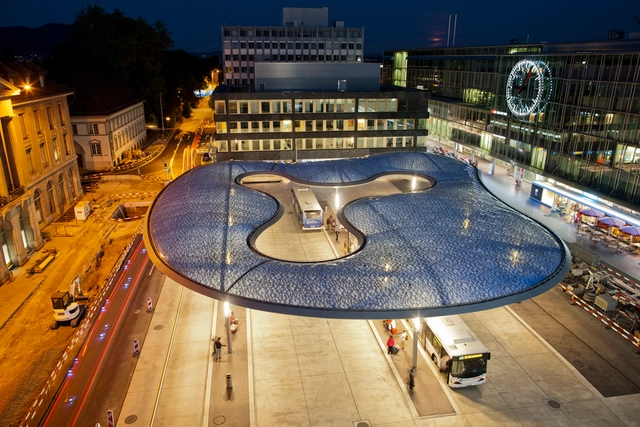
In the last two decades, the concept of urban metabolism, aiming to grasp the continuous processes of energy, material and population exchange within and between cities and their extensive hinterlands, has been subject of both extensive empirical research and, increasingly, critical discussion within the social and natural sciences. However, these interdisciplinary challenges have not yet been met with a synthetic response from the design disciplines.
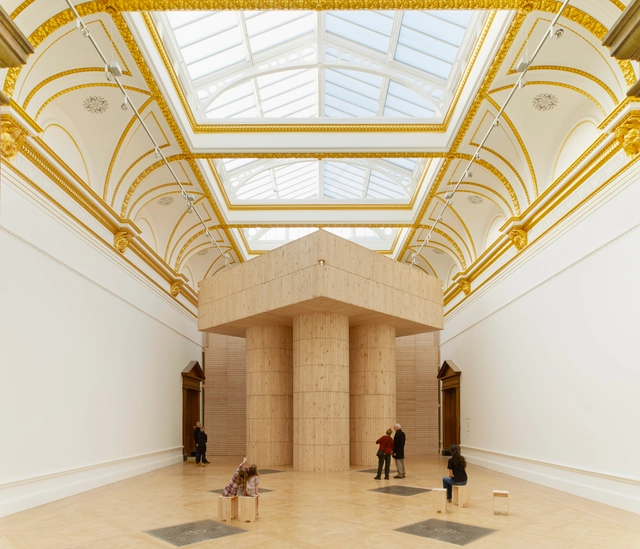
This past week London’s Royal Academy of Arts (RA) celebrated the opening of, what many claim to be, one of the most “epic” and “enchanting” exhibitions of 2014: Sensing Space: Architecture Reimagined. With a series of large scale installations by some of profession’s most acclaimed architects, such as Eduardo Souto de Moura, and Kengo Kuma, the immersive exhibition creates an atmosphere that encourages visitors to become part of the experience and open their minds to the sensory realm of architecture.
"Architecture is so often the background to our lives," stated curator Kate Goodwin. "We often don't think about it - it's practical and functional, but when does it do something more?"
A preview of the installations, after the break.
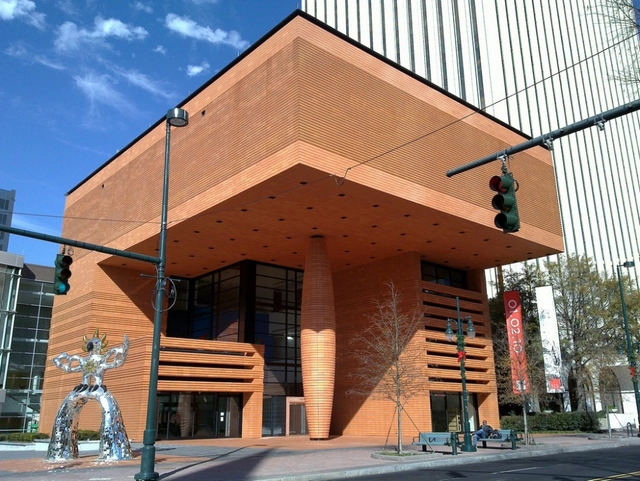
Mario Botta: Architecture and Memory is an exhibition spanning the 50-year career of internationally acclaimed architect Mario Botta, the designer of the Bechtler Museum of Modern Art building and one of the century's most fundamental contributors to postmodern architecture.