Videos
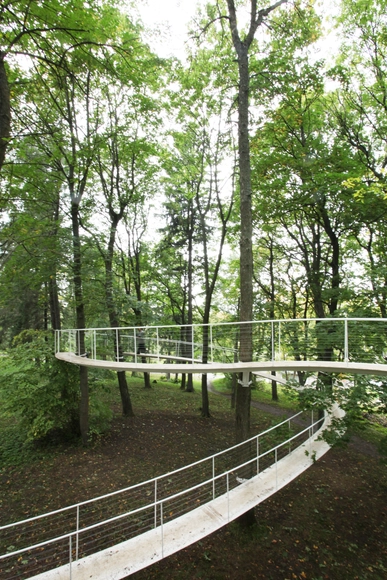
City Form Lab / Andres Sevtsuk, Raul Kalvo, Photo by Tõnu Tunnel
The main exhibition of this year’s Tallinn Architecture Biennale TAB 2015 is looking at hybrid forms of construction where cutting-edge technology and science meets the self-driven variability of material systems and where the degrees of freedom and control define an outcome of multiplicity within tolerance, trying to find a balance between the unruly and the predictable - body and building.
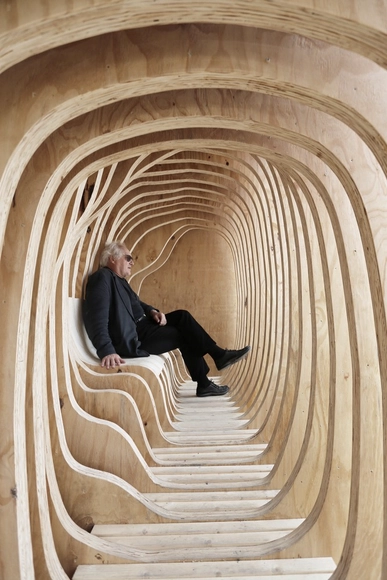
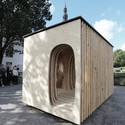
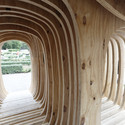
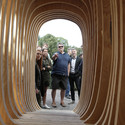
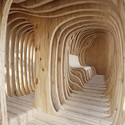
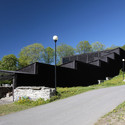
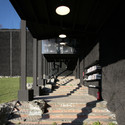
First-year architecture and urban planning students at the Estonian Academy of Arts have designed and created READER, a shelter based on the concept of removal from daily life, and focusing on oneself. Passers-by are invited to enter the shelter and “escape from the real world of problems into the fictional world of books.” And for those who don’t have a book on hand, the structure is meant to evoke the pages of a book through its ribbed wooden structure.
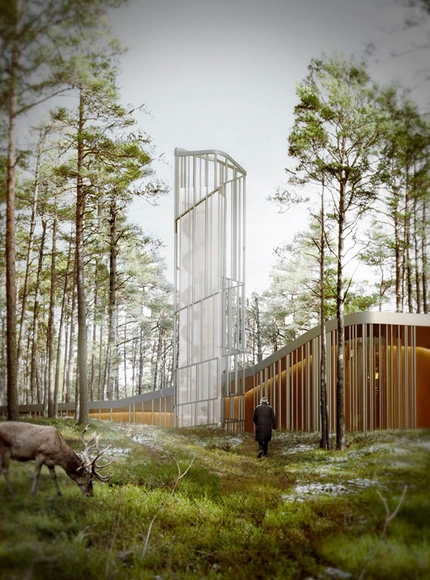
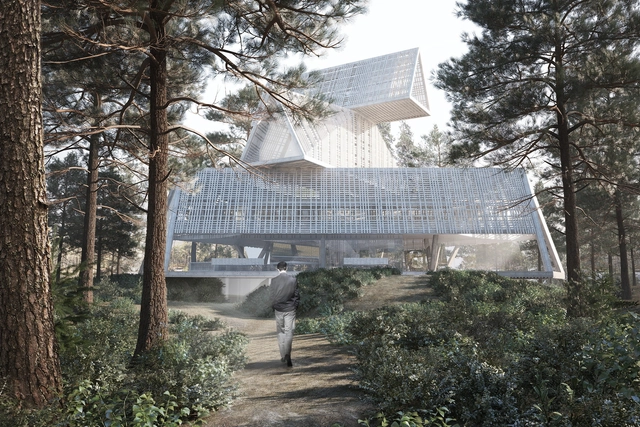
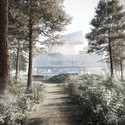
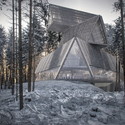
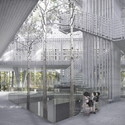
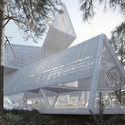
Awarded Special Mention "for its original concept and daring in thinking beyond the set bounds," OFIS Arhitekti's proposal for the Arvo Pärt Center, "MEIE AED" (Our Garden), is a combination of a pine tree, tree house, traditional house, nest, observatory, and floating bridge. A cultural center that incorporates a multitude of programs including concert space, archives, creative space, and a chapel, the building was conceived to converse closely with its forested natural surroundings.
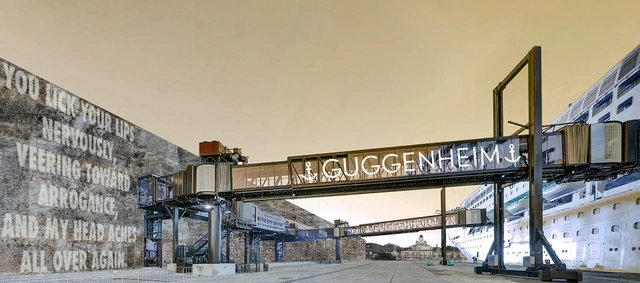
When you visit the galleries of GuggenheimHelsinki, you may have to bring a life vest. This submission to the Guggenheim Helsinki Design Competition floats the idea of a museum over water, traveling between the ports of St. Petersburg, Tallinn, and Helsinki. Proposed as a hypothetical submission to the worldwide contest, the team at OfficeUS delve into the notion of transience in the new world of architourism. The brief reads: "As a global freeport, the museum develops a completely new infrastructure, offering the strategic tax benefits of freeport art storage while enabling exhibitions of some of the most important pieces of modern art and design." Upcoming exhibits include (hypothetically) Olafur Elliasson, Yves Klein and Thomas Demand.
A team from the Moscow Strelka Institute - Izabela Cichonska, Nathan de Groot, Lindsay Harkema and Ondrej Janku - has been awarded first place in the TAB 2013 Vision Competition, Recycling Socialism. Challenged to propose a scheme for urban remediation that could diversify the concentric plan of Väike-Õismäe - one of Tallinn's three larger Soviet-era panel-apartment districts - to enhance quality of life, the winning team envisioned Dynamo: a radical plan that would reactivate the sleepy district by “recharging the ground.”
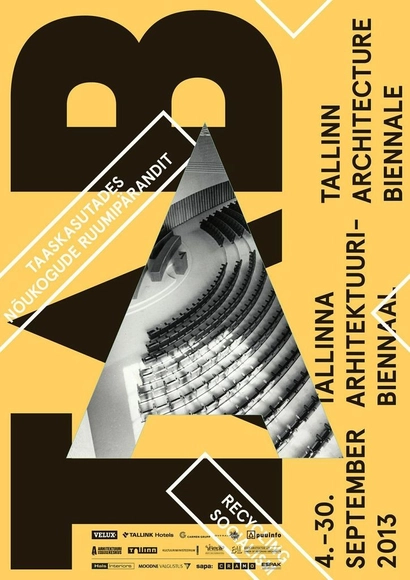
Launching September 4th, the Tallinn Architecture Biennale: Recycling Socialism will be exploring the modernist and socialist architecture from the 1960s to the 1980s in a 5-day long main program. The core events of the program are the two-day Symposium, the Curators' Exhibition, the Vision Competition Award Ceremony and the International Architecture Schools' Exhibition. With such a diverse program, this event is expected to be one of the most outstanding events in the region. Events run until September 30th. More information after the break.
Pier was part of the "lift 11" urban installations festival (www.lift11.ee). The aim of the installation was to encourage temporary uses and bring out beauty of decaying place.
Videos
Courtesy of Tallinn Architecture Biennale 2013
The topic of this year's Tallinn Architecture Biennale Vision Competition, Recycling Socialism, seeks architectural ideas and methods to envision the future of an iconic circular block-housing district in Tallinn – Väike-Õismäe ("Little Blossom Hill"). Väike-Õismäe stands apart from other similar neighborhoods in Tallinn by way of its concentric plan derived from the idea of a circle-city. The district is positioned circularly as a single, complete solution around a pond in the middle and the environment and modern-day life are still searching for a common language. More information and a video after the break.
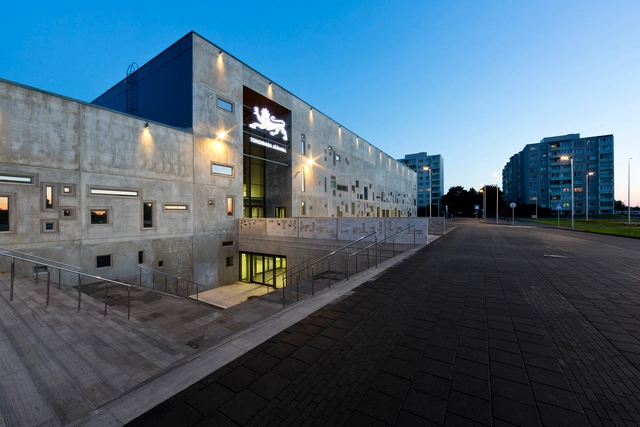
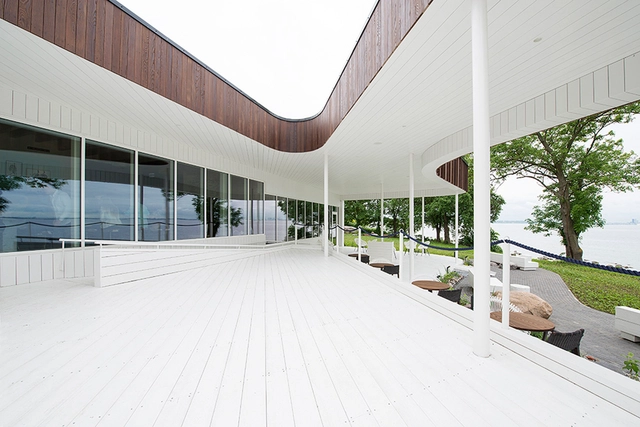
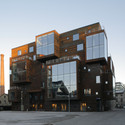
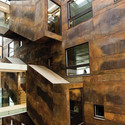
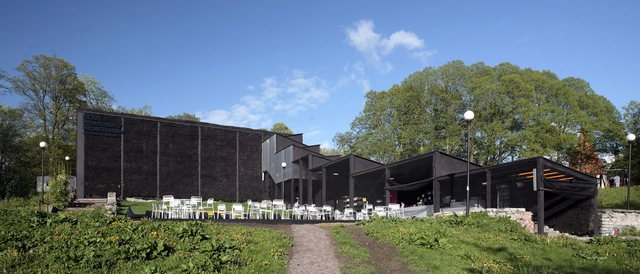
The key concept of this project was to create not only a building but also a new meaningful city space connecting the people, the place, its history and their music. The building delimits the boundaries of the plot, enclosing an expanse of green at its core: a garden that is urban yet isolated from the hubbub of the city.
https://www.archdaily.com/149451/tallinn-music-high-school-ballet-school-and-georg-ots-music-school-atelier-thomas-pucherChristopher Henry