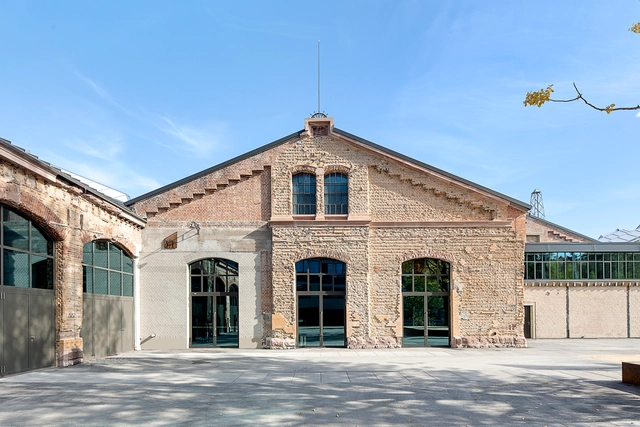


-
Architects: ATELIER BRÜCKNER
- Area: 14000 m²
- Year: 2020
-
Professionals: Bornscheuer Drexler Eisele, Wenzel + Wenzel, G2-Landschaftsarchitekten, Gauder+Gehring


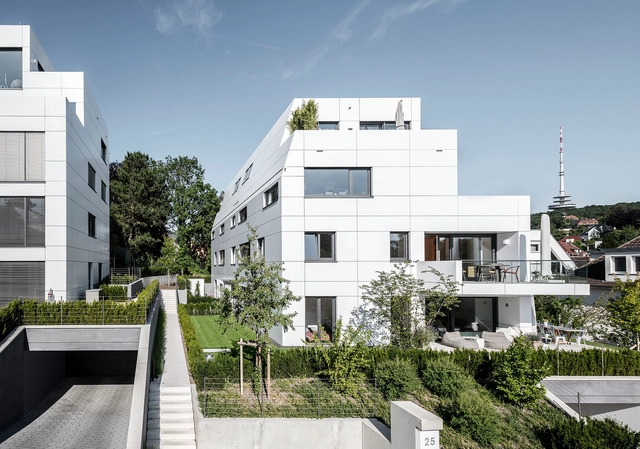
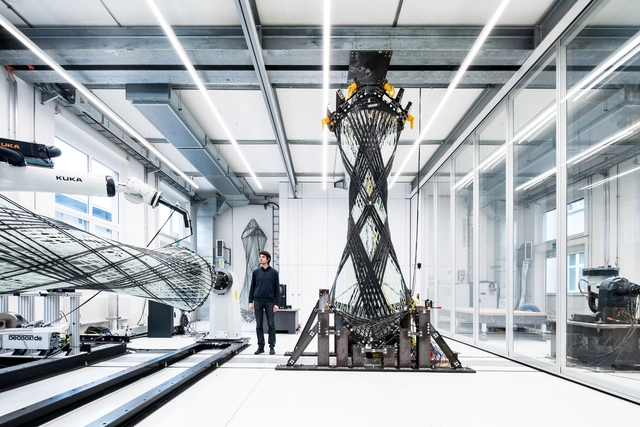
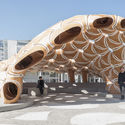
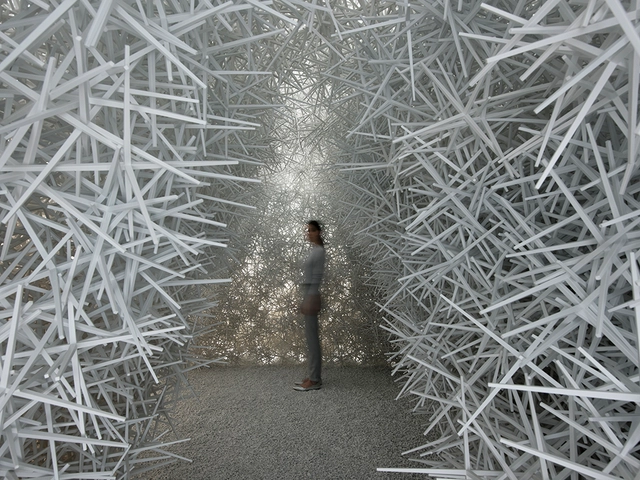
Materials and technology come together in new spaces and experiences. When looking to innovations in advanced construction, the Institute for Computational Design (ICD) and the Institute of Building Structures and Structural Design (ITKE), together with students at the University of Stuttgart, have been creating a series of experimental pavilion for many years. These structures tell a story of computational design and computer-aided manufacturing processes for advanced construction.

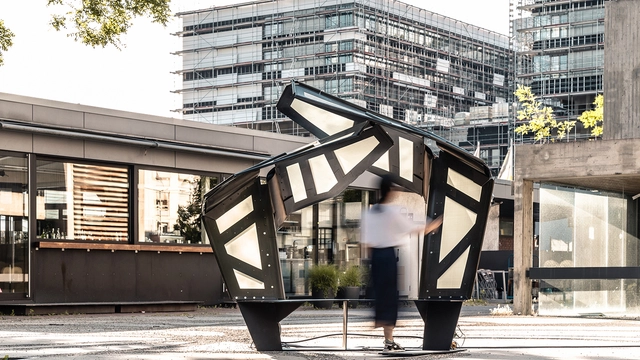
The Institute for Computational Design and Construction (ICD), the Institute of Building Structures and Structural Design (ITKE) and the Institute for Textile and Fiber Technologies (ITFT) at the University of Stuttgart have launched the ITECH Research Demonstrator 2018-19. The project aims to investigate large-scale compliant architecture.
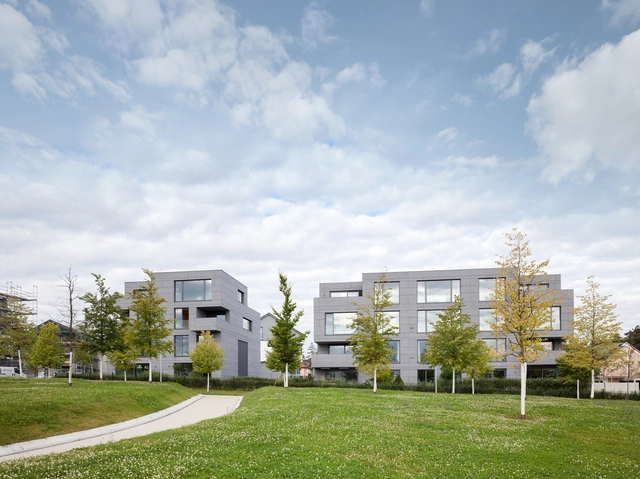

This article was originally published on March 26, 2014. To read the stories behind other celebrated architecture projects, visit our AD Classics section.
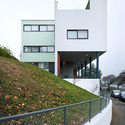
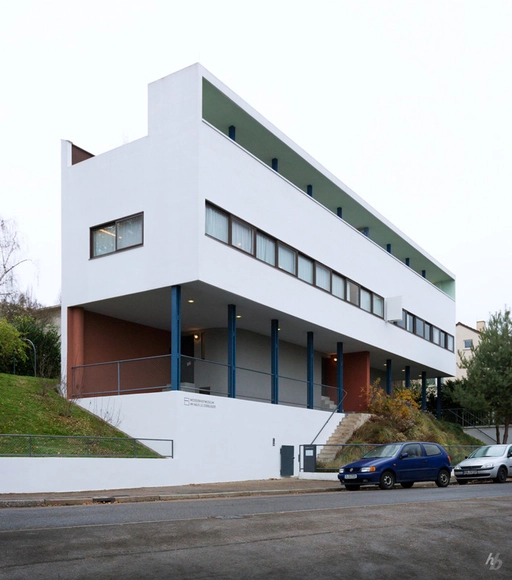
The two-family structure known as Houses 14 and 15, designed by International Style, Le Corbusier's work in Stuttgart serves as a critical prototype in the development and realization of the Swiss architect’s architectural identity, which would revolutionize 20th century architecture.
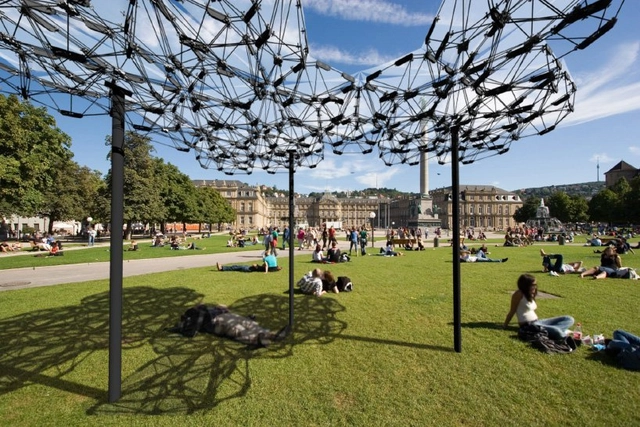
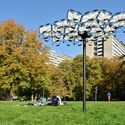
The project Cyber Physical Macro Materials was developed at the University of Stuttgart's Institute for Computational Design and Construction (ICD) to demonstrate a tangible vision of a new dynamic (and intelligent) architecture for public spaces. The agile and reconfigurable canopy is enabled by a combination of distributed robotic construction and programmable matter. Reconfigured using drones, the canopy was created with modular components that could respond in real-time to the climate or sun angles.
Gunnar Birkerts, Latvian-born architect and educator, passed away on August 15, 2017, at the age of 92. A passionate advocate of a creative process he called "organic synthesis," he leaves behind dozens of built works over three continents and influenced hundreds of architectural students and colleagues through his inquiry-based process and dynamic interactions. Eric Hill and John Gallagher, in their AIA Guide to Detroit, said of Birkerts’ architecture:
Each of his works seems to be approached as an opportunity to explore the essence of an architectural problem, resulting in a statement that often exceeds the immediate project.