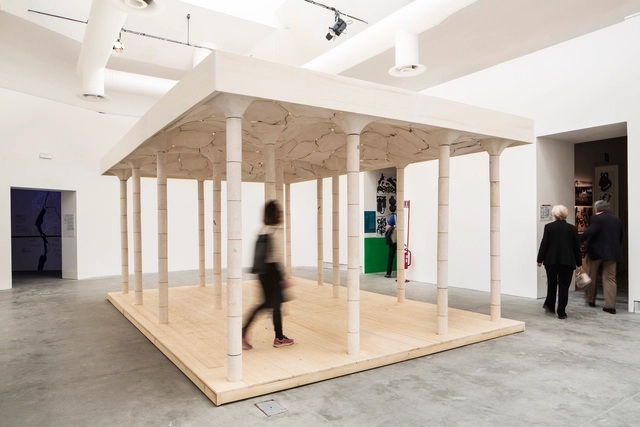
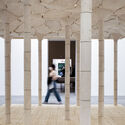
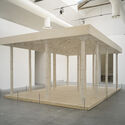
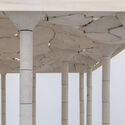
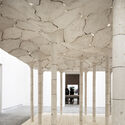
Having been invited to participate in the 17th International Venice Architecture Biennale, architecture and design practice AAU ANASTAS presents the exhibition All-Purpose, which translates the craftmanship of stone into a new form of contemporary architecture. Exhibited within the Giardini, the structure featuring an undulating parametrised stone slab supported by thin, slender columns is a material exploration that builds on the Palestinian construction tradition to create a new architectural discourse around stone.
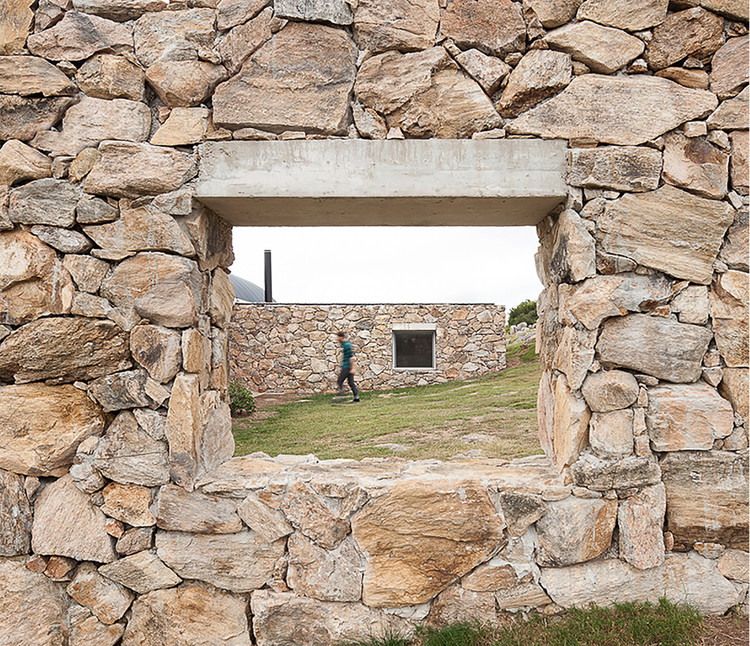
Historically, "cyclopean" referred to a building technique that superimposed large stone blocks together without any mortar. This allowed for a diverse array of structures across various civilizations, including defensive walls, talayots, navetas, nuraghes, temples, tombs, and forts. Nowadays, the term applies to any ancient structure consisting of large stones superimposed to form a polygonal shape.
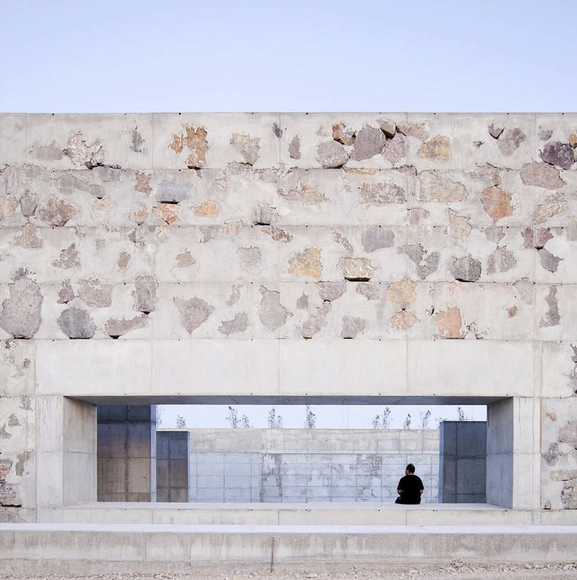
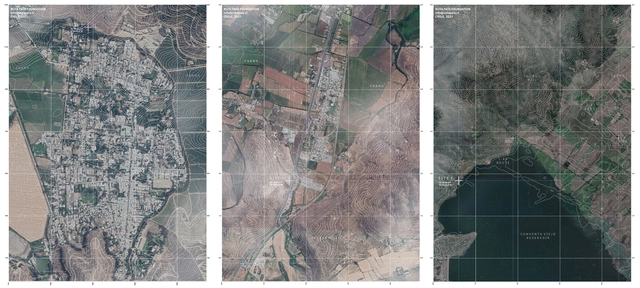
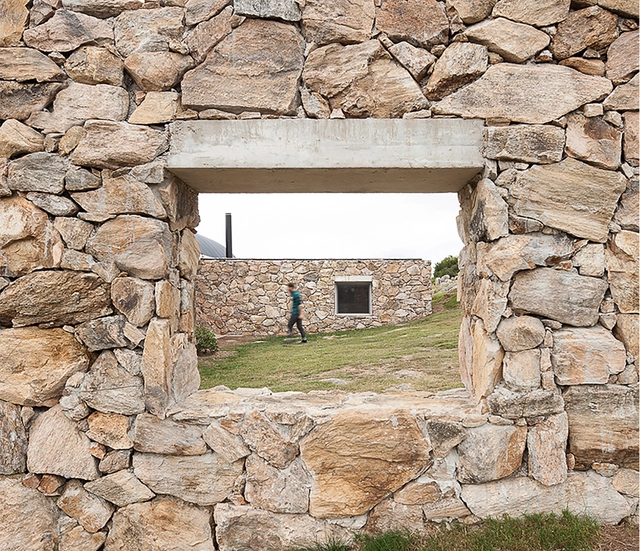
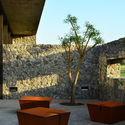
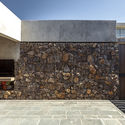
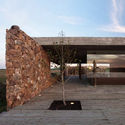
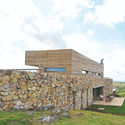
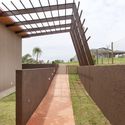
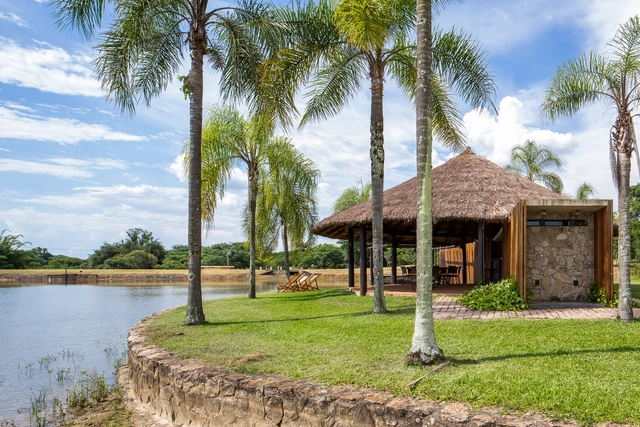
The Chilean organization Ruta Pais Foundation has invited international architects and local artisans to design a series of architectural interventions in order to create 3 artisan routes in the Chilean Central Valley: Wicker Route in Chimbarongo, Clay Route in Pomaire, and Stone Route in Pelequén.
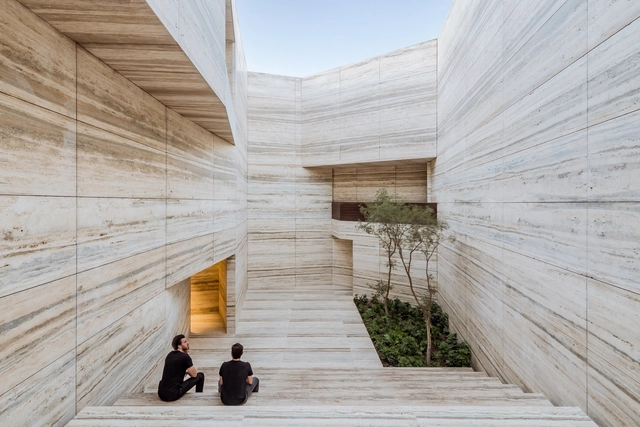
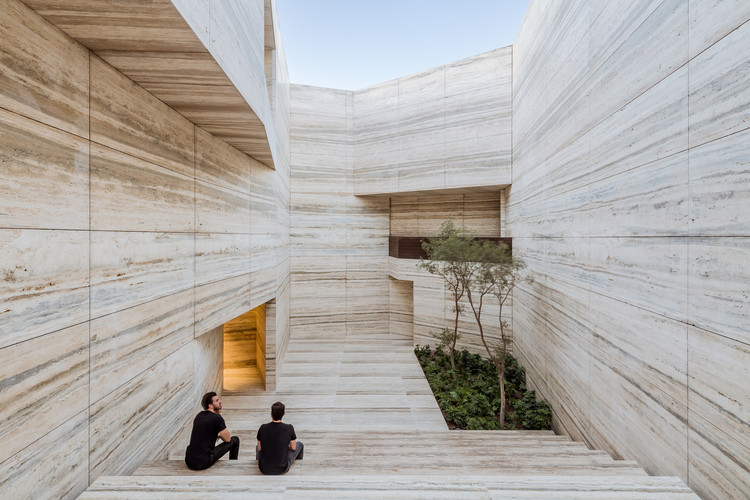
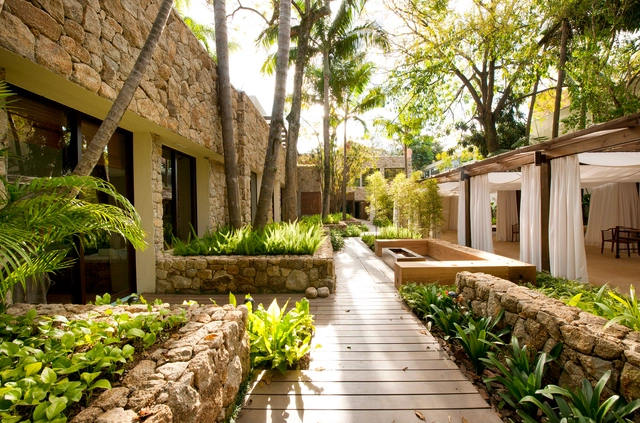
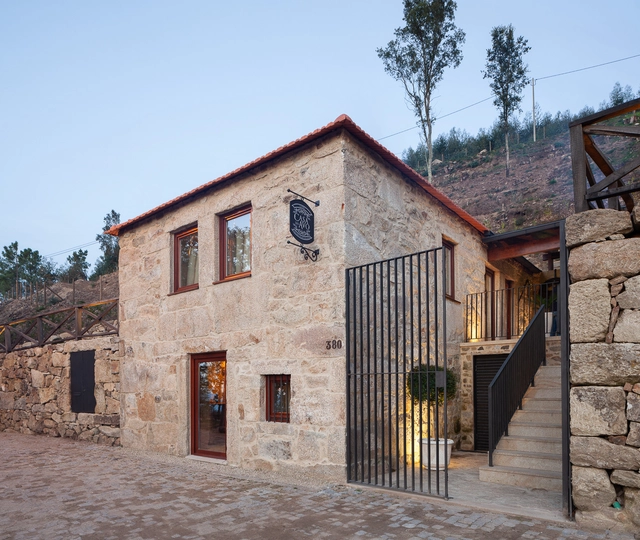
While stone has been used in construction since time immemorial, it's maintained its place in architecture thanks to its design capabilities, durability, and efficiency.
Designed by OMA / Chris van Duijn, the Department Store Galleria in Gwanggyo, south of Seoul has just opened. The store’s sixth branch is located at the center of the relatively young and new urban development.
Stone Tower Research Project. Image Courtesy of Groupwork
Groupwork, in collaboration with Jackson Coles, Eight Associates, Webb Yates, The Stonemasonry Company and Polycor, is investigating the possibilities to build large commercial buildings in stone, through the Stone Tower Research project and The New Stone Age exhibition.
This landmark exhibition at the Building Centre will explore the potential of stone to revolutionise architecture and construction in light of the current climate crisis. It may seem like an ancient building material but stone has serious sustainability credentials; with the ability to reduce a project’s embodied carbon by an incredible 90 per cent compared to typical steel or concrete frames. The New Stone Age will celebrate the sustainability, practicality and inherent beauty of the world’s oldest natural material.
Michelangelo's sculptures. The ancient Greek temples. Castle interiors and palaces. The iconic Barcelona Pavilion of Mies van der Rohe. When we approach the history of architecture and sculpture, it is inevitable that we speak of marble. Originating from a chemical reaction in limestone when exposed to high pressures and temperatures for thousands of years, this notable material is a metamorphic rock generally found in regions where volcanic activity has occurred. Its extraction, by itself, is already a spectacle.
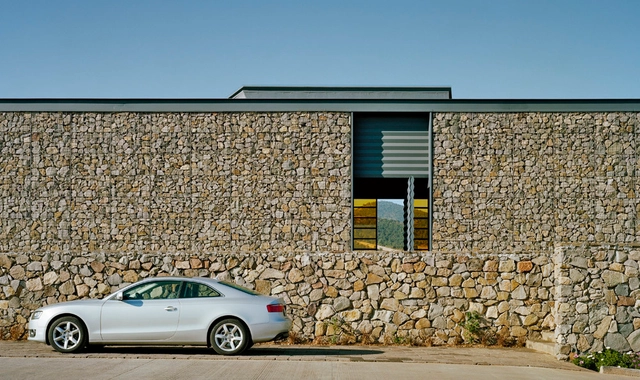
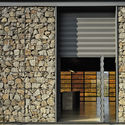
Widely used in infrastructure, gabion walls are structures made of mesh metal cages filled with stones. These permeable walls use galvanized steel wire to withstand outdoor conditions.
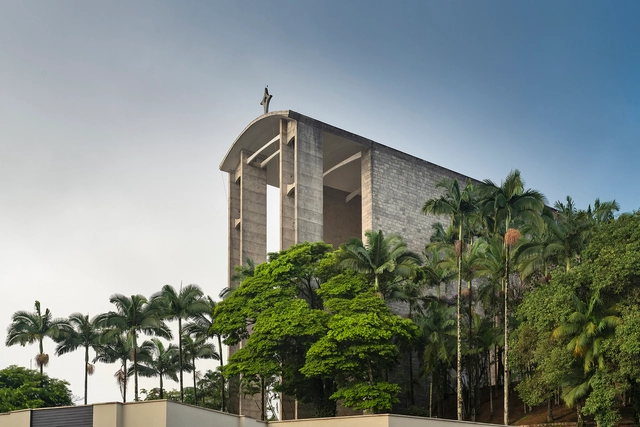
Gottfried Böhm is a German architect who was awarded the Pritzker Prize in 1986. His father, Dominikus Böhm and his grandfather Alois Böhm were both architects, as well as three of his sons, among them, Peter Böhm. Few people know that he has two projects erected in Brazil, in Brusque and Blumenau - two cities highly influenced by German culture. Photographer Ronaldo Azambuja shared with us his series of photographs of the mother church Igreja Matriz São Luiz Gonzaga in Brusque. The text was written by Angelina Wittmann, architect, and researcher.