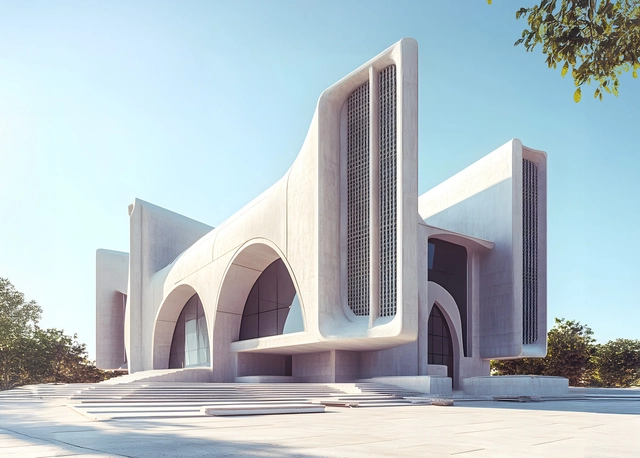
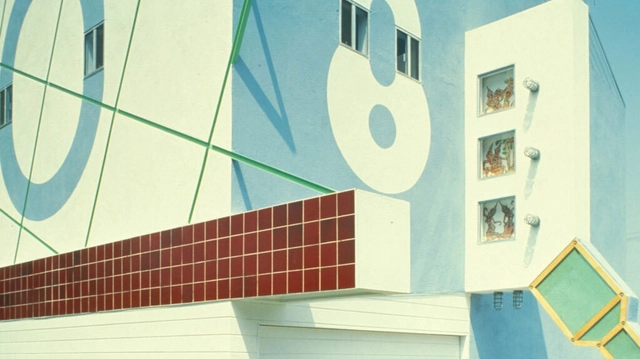
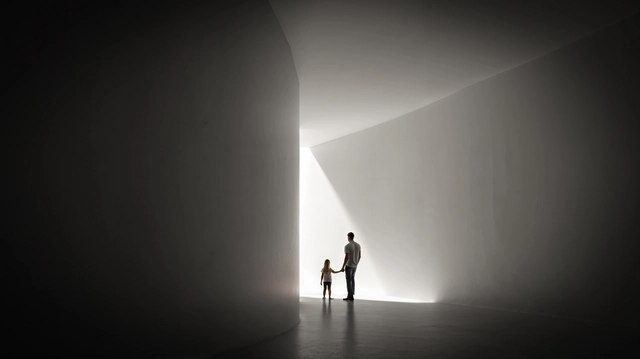
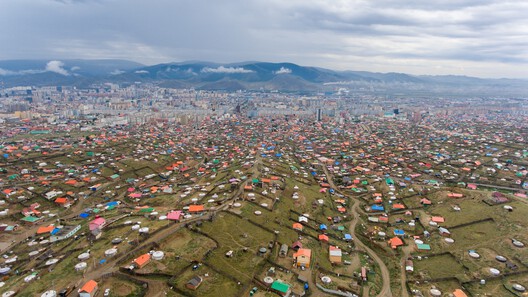
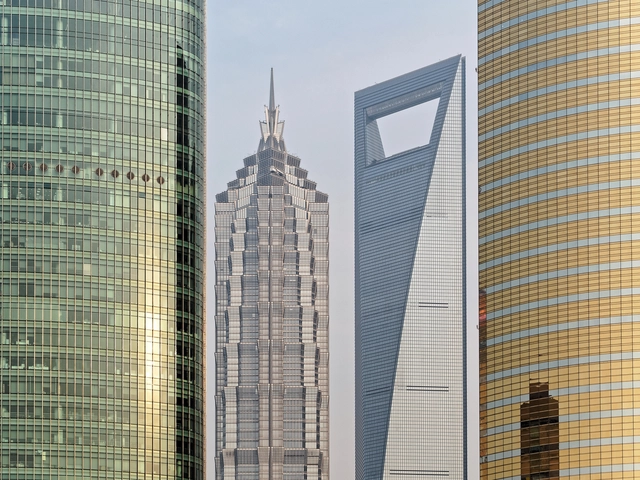
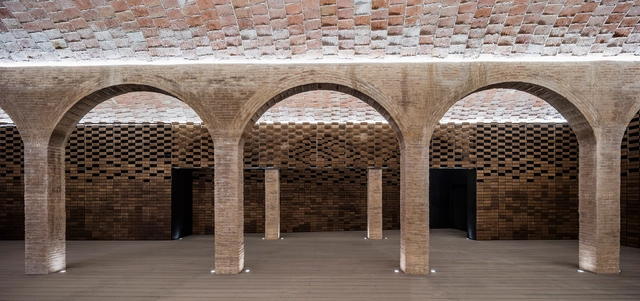
Concrete is anything but a consensus. Some love it, others hate it. It can feel as tough as granite or soft as velvet — all depending on whose hands are doing the shaping. Treated with engineering precision or a touch of artistic flair, concrete stops being just a material and starts acting alive. It plays with light, surprises with texture, and somehow gives form to silence. Although dense and structural, concrete can take on an almost immaterial presence: light, ethereal, and contemplative. In certain spaces, it seems to disappear, dissolving into the shadows or vibrating with the surrounding light. More than just a construction element, it becomes a language, capable of evoking emotion, spirituality, and time.
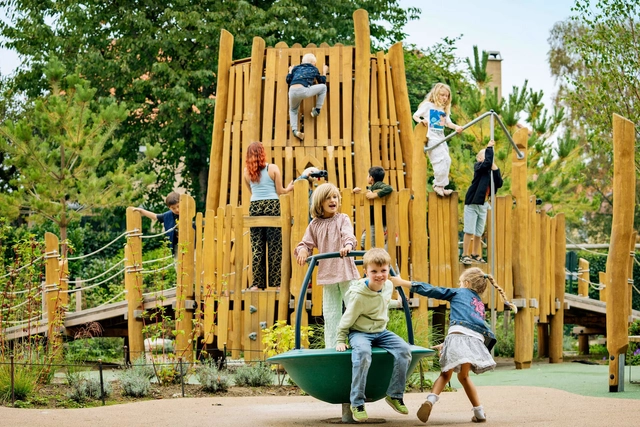
By Jeanette Fich Jespersen, MA, Head of the KOMPAN Play Institute, Head of the steering committee of the World Playground Research Institute, University of Southern Denmark, Vice-president of International Play Association, Denmark.
In contemporary architecture, façades have evolved beyond their traditional role as protective exteriors—they now serve as powerful expressions of identity, creativity, and sustainability. As the visual gateway to a building, façades play a dual role: safeguarding structures from environmental stressors while enhancing their aesthetic appeal and architectural character.
Much like interior design reflects the personality of its occupants, a façade communicates the essence of a building. It forms the first impression and serves as a canvas for architectural storytelling, often embodying the vision and creativity of the architect.
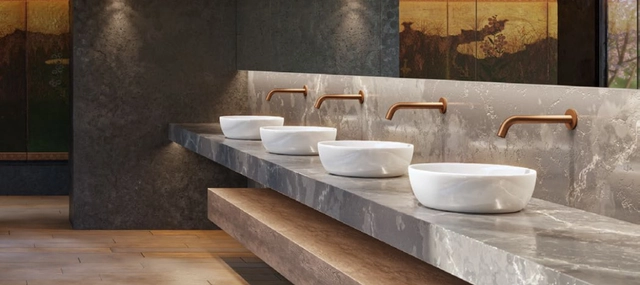
In recent decades, a quiet revolution has reshaped how we interact with the objects and systems in our daily lives. What once required cranks or rotary mechanisms, and later the press of a button, is now giving way to experiences that are increasingly fluid, intuitive, and touchless. This shift is evident in public restrooms, where minimizing physical contact promotes better hygiene and reduces the spread of pathogens. It also reflects a broader change in paradigms of comfort, accessibility, and efficiency. Touchless devices, once restricted to isolated applications in hospitals, airports, or corporate buildings, have become standard in projects that prioritize user experience and sustainability.
The 19th International Architecture Exhibition of La Biennale di Venezia features a notable presence from the SCI-Arc community, including students, alumni, and faculty. Their work appears across a range of contexts—from national pavilions to independent installations and research projects—engaging critically with this year's theme, Intelligens. The exhibition offers a compelling platform for exploring questions central to SCI-Arc's pedagogy: the future of design, the role of technology, and the possibilities of architectural experimentation.
The Museum of Emotions is an annual international design competition that tasks participants with exploring the extent to which architecture can be used as a tool to evoke emotion. The brief calls for the design of a conceptual museum with two exhibition halls: one designed to induce negative emotions; the other designed to induce positive emotions. Participants are free to choose any site of their liking, real or imaginary, as well as choose the scale of the project. The meaning of 'positive' and 'negative' is up for interpretation: What two emotions might a designer consider contrasting? How might an architect conceive spaces which elicit fear, anger, anxiety, love or happiness?
The Museum of Emotions is a 'silent' competition: that is, participants must communicate ideas without text, and must use imagery alone. No form of text, whether design descriptions, annotations or even diagrammatic labels, is permitted.
Mongolia, the world's second-largest landlocked country, spans 1.5 million square kilometers. Yet, over 50% of its population—approximately 1.7 million people—reside in Ulaanbaatar, a city that occupies just 0.3% of the nation's total land area. This disproportionate population concentration has led to significant regional development imbalances and mounting urban challenges in the capital.
In response to these issues, Ulaanbaatar has undergone a series of comprehensive urban development initiatives. Since the first master plan was introduced in 1954, six such plans have been created. The latest, the Ulaanbaatar 2040 Master Plan, includes a strategic vision to decentralize urban growth through the development of two new satellite cities—one of which is the Hunnu City project.
Humanity rarely embraces major transformations right away, often held back by fear, skepticism, or attachment to what already works. Gutenberg's press raised fears of misinformation; urban electrification drew warnings from doctors; and office computerization sparked concerns over the devaluation of human experience. Such ruptures often provoke resistance, but they tend to open space for critical reflection and innovation.
Today, with the rise of artificial intelligence and the rapid succession of technological innovations, we are living through another of these inflection points. The debate is broad, inevitable, and, as always, necessary. At the TRUE Conference 2025, hosted by Midea Building Technologies (MBT), this discussion takes on practical and strategic dimensions by linking digital advancements with tangible goals for sustainability, efficiency, and quality of life.
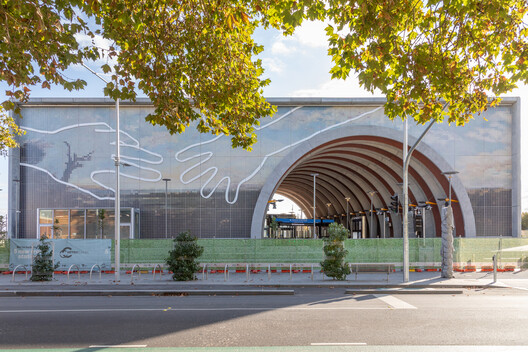
The new Arden Station in Melbourne goes beyond its functional role as a transportation hub. Opened as a key component of the Metro Tunnel project, the station expands the city's rail infrastructure by relieving pressure on other lines and improving service frequency and, at the same time, establishes itself as a defining element in the urban transformation of Melbourne's northern precincts. Located on a former industrial site undergoing revitalization, it anchors the future development of a new district projected to accommodate up to 34,000 residents and 15,000 jobs in the coming decades.
The theorist André Corboz, known for his contributions to the critical reading of territory, proposes that the cities should be understood as a palimpsest. That is, a surface continuously rewritten, where traces of previous layers remain visible even after successive interventions. For him, the city is not a static entity, but an organism in constant transformation, where historical, functional, and symbolic layers overlap. This is why working on restoration or rehabilitation projects for historical buildings is particularly complex, requiring careful thought about the approach to be taken: should extensions and renovations seek complete coherence with the original language, or assert themselves as architectural expressions of their own time?
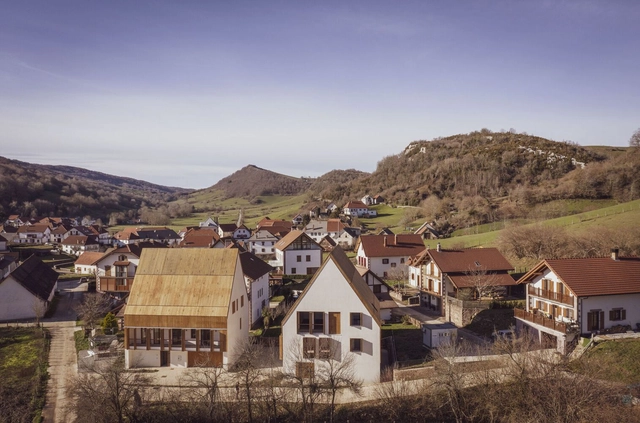
Andanzas y visiones españolas is the book in which Miguel de Unamuno collects his experiences during excursions through Spain's cities and countryside, accompanied by friends and colleagues. More than a precise geographical description, the text consists of narratives in which each region and every feature of the territory leaves a deep imprint on his thought. The literary discourse actively weaves the diversity of setting, climate, and contextualism as foundational threads, presenting the territory not only as a physical place but also as a space for reflection and contemplation. This attentive engagement with the landscape—so diverse within Spanish architecture—also resonates in the built environment, fostering in contemporary practice a sensitive adaptation to the country's varied climatic conditions, both through design strategies and material choices.
https://www.archdaily.com/1031789/context-responsive-architecture-in-spain-7-projects-highlighting-material-strategiesEnrique Tovar
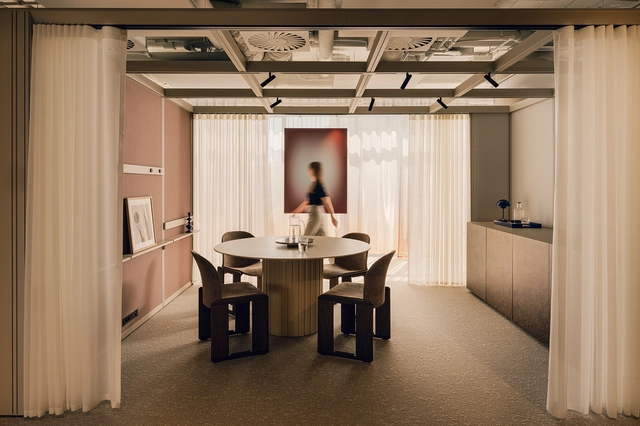
Mute, a global manufacturer of adaptable architecture solutions for modern workplaces, has opened its new headquarters in the Ambassador office building in Warsaw, managed by Hines. Covering more than 840 m², it is the first office in Europe built entirely using a modular system — one that can be freely reconfigured without generating renovation waste or CO₂ emissions.
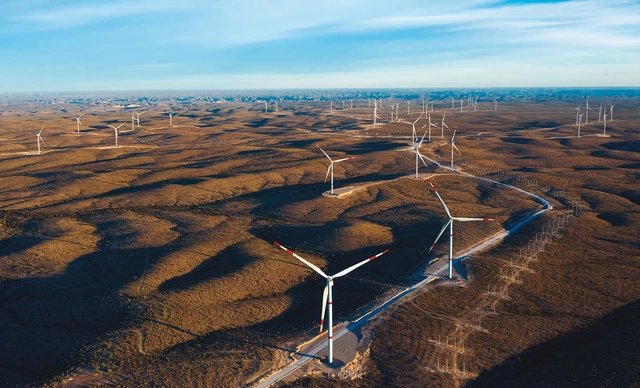
Enel, a global leader in renewable energy, launched "WinDesign", an international contest where talented professionals and students, in the domain of engineering, architecture and design, are invited to imagine and design new wind turbines. The goal is to develop turbines projects that blend more seamlessly into the landscapes that host them, thereby supporting a wider role for them in the energy transition.
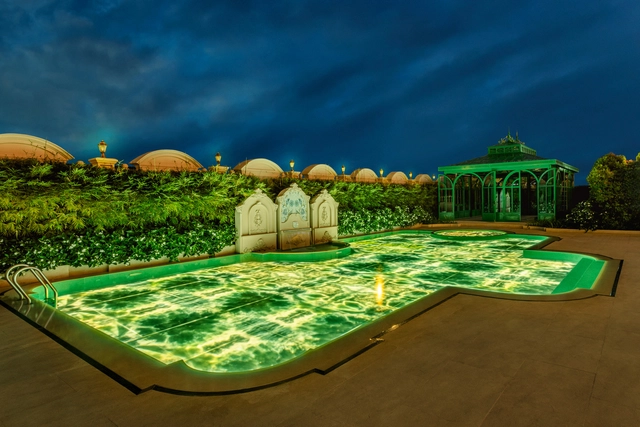
The trajectory of glass in architecture reflects the technological evolution of humankind. For centuries, it was a fragile, opaque material, restricted to small openings in churches or aristocratic residences, limited in size, with uneven transparency and a largely secondary role. With the Industrial Revolution and advances in manufacturing processes, this condition changed dramatically. From artisanal and imperfect stained glass, we now have a wide range of architectural applications, from fully glazed skyscraper facades to translucent pedestrian bridges, lightweight roofs, smart partitions, and movable elements. One of the most surprising uses, once thought to be impractical, is the direct interaction of glass with large volumes of water. Today, we see pools with transparent walls or floors that project out from buildings, float above streets, or visually merge with their surroundings, creating striking sensory experiences. A remarkable feat, especially considering that for a long time, glass was considered too fragile for submerged environments.
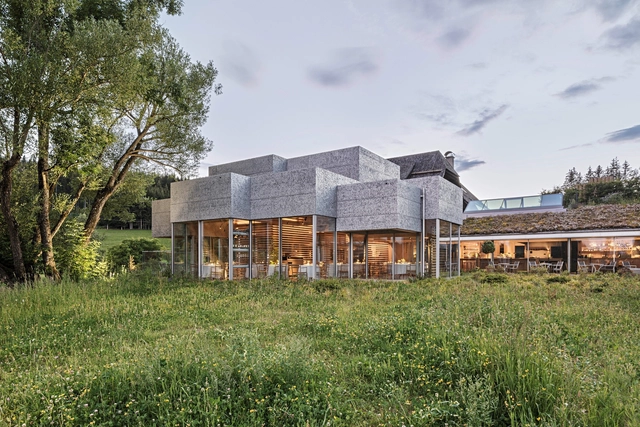
At the Steirereck am Pogusch restaurant, architecture and gastronomy seem to speak the same language: that of the sensitive transformation of raw materials. Local ingredients, like leaves, roots, and flowers, are turned into surprising dishes, where simplicity is elevated to the extraordinary. Likewise, the building, far from being a static structure, offers a unique tactile and visual experience. One of the most intriguing elements is the use of stabilized foamed aluminum panels that, rather than evoking the coldness and rigidity often associated with metal, have been manipulated to transcend their conventional characteristics. They seem to breathe, with their porous, textured surfaces absorbing and reflecting light, creating a play of shadow and brightness that evokes the lightness and organic quality of natural materials.
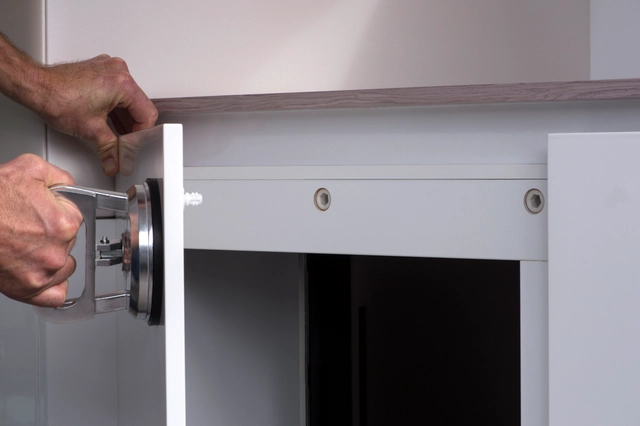
In high-end architectural design, traditional access panel fasteners like visible screws and magnetic closures often disrupt aesthetics and functionality. These outdated methods can loosen over time, lack durability, or require visible frames, making them unsuitable for premium spaces. Whether you need to access electrical systems, HVAC components, or plumbing, choosing the right installation method is crucial for a seamless integration into your space.
Early hidden solutions like French cleats and Z-clips improved appearance but introduced new challenges. These systems require sequential panel removal and extra clearance, making maintenance difficult—especially in areas needing frequent access. The unavoidable gap that appears at the top of panels also compromises the aesthetic appeal, as well as cutting out sections of panel for wall sockets.
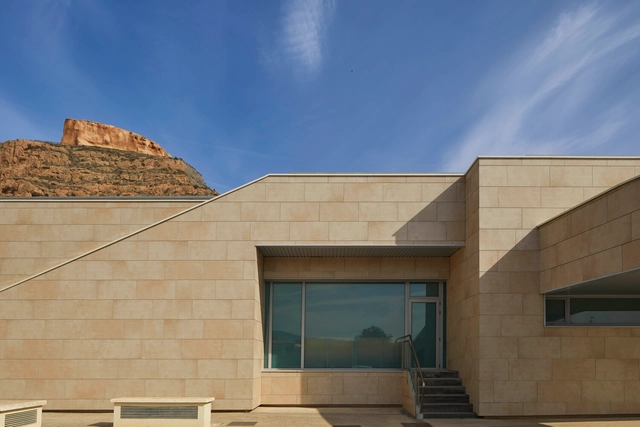
Renovation Project of Puerta de Arnedo Health Center (La Rioja). Photos: María Natali.
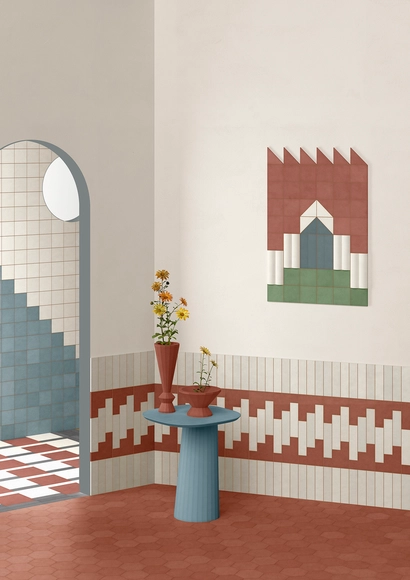
In modern architecture, materials must meet a range of functional, aesthetic, technical, and environmental demands. Gres Aragón offers ceramic tile solutions that respond to all aspects of a project—from façades and interiors to exteriors, pools, staircases, and industrial spaces—while maintaining a consistent design language.
With more than 80 years of experience and deep expertise in the extruded tile manufacturing process, Gres Aragón has established itself as a trusted partner for architects and interior designers. Its product offerings are based on four core principles: visual continuity, extreme durability, high-tech performance, and a strong commitment to sustainability.
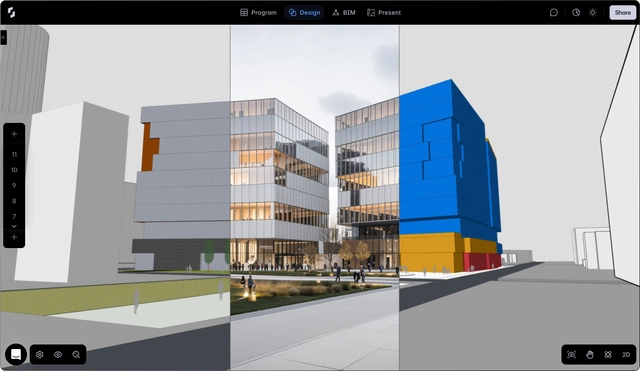
Early-stage design may be where everything begins, but without careful consideration, it's also where everything breaks down. On average, firms report that nearly 15% of all work done generates zero revenue, much of it tied to concept design. Relying on a patchwork of tools like Rhino, Excel, Revit, and Miro, architects often spend weeks swapping between platforms just to get a concept and presentation out the door. Data gets trapped in screenshots, rework piles up, and by the time the model is ready for documentation in Revit, the creative momentum is long gone. Snaptrude 3.0 Was Built to Fix that.