V-Ray is an incredibly powerful renderer — but it’s also remarkably easy to use. The number-one* 3D renderer used in architectural visualization is battle-tested and industry-proven, used daily to realize world-class products, buildings and much more. And if you like to spend the majority of your time being creative but still crave the highest quality images possible, V-Ray can help you easily and speedily render everything from your quickest concepts to your largest and most detailed 3D models.
What’s more, it works seamlessly with SketchUp’s versatile 3D modeling tools while also being built with a full set of creative tools for lights and materials. The best part, perhaps, is that you don’t need to be a rendering expert to get great results with V-Ray. This collection of six, simple, quick-start tutorials will help you learn how to use V-Ray Next for SketchUp — and give your renders a boost in no time at all.
Most architects can agree that they would prefer to spend more time designing and less time managing. Management is a vital role architects play, yet increased efficiency is always valuable. Whether it involves coordinating consultants or ensuring a job site is progressing to meet the contract documents, architects are in charge of orchestrating many moving parts throughout the life of a project. With an app like Archireport, architects can keep track of projects in the office or on site, wherever the work day may lead.
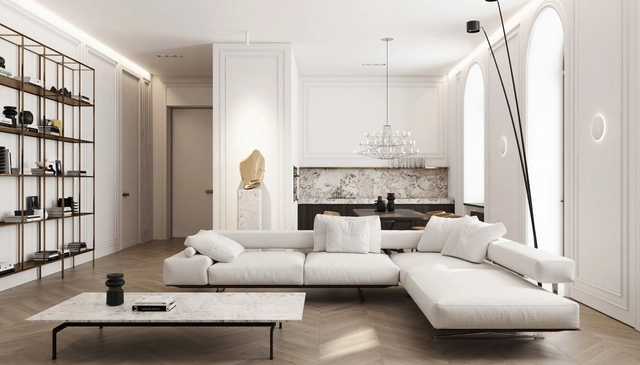
Architectural design of a space and the furniture chosen to fill it can work together to define a room's function, set a certain vibe, and make a statement. While an architect or designer may want specific furniture to create a certain look at the time of design completion, versatility is also important over the course of a building's life. Not only do the needs of building programs and inhabitants shift over time, but owners of commercial and public spaces often want the ability to react to both aesthetic and social trends to keep up-to-date.
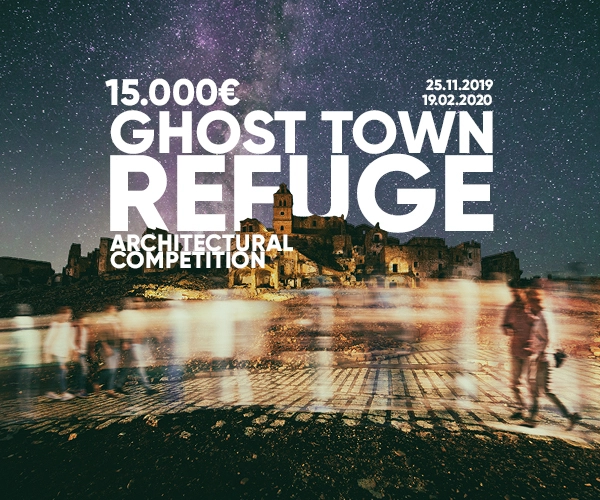
YAC - Young Architects Competitions and Cantiere delle Marche launch “Kiribati Floating Houses”, a competition of ideas aiming to design floating structures to tackle the challenges of the rise in ocean levels and climate change. A cash prize of € 15,000 will be awarded to winners. In addition, some projects will be selected to be part of an exhibition at Santa Maria della Vita in Bologna and some other projects will be selected to be part of an exhibition about the ocean exploration held by National Geographic at Palazzo Blu in Pisa. selected by a well-renowned jury made of, among the others, Kengo Kuma, Moon Hoon, Rocco Yim, Cristiana Favretto (Studiomobile), Simon Frommenwiler (HHF Architects), Fabio Roversi Monaco (Genus Bononiae), Giuseppe Zampieri (David Chipperfield Architects).
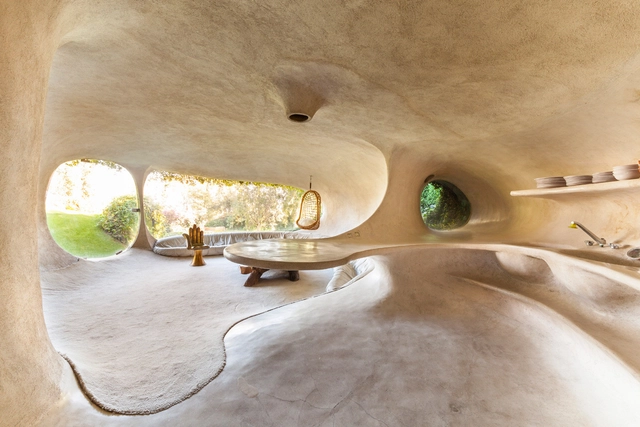
Biophilic design enhances occupant connectivity to the natural environment and continues to influence commercial architecture and interior design. Biophilia, the idea that humans innately seek connections to nature, can be reflected in a broad range of elements when it comes to design; daylighting, views of nature, and the use of organic patterns are examples of ways to include biophilic design in a space. A designer may also incorporate the careful use of natural materials such as wood products, stones, and leathers. This design aesthetic’s proven effects on building occupants’ wellbeing is evident in reduced stress for office workers, faster healing times for healthcare patients, and higher test scores for students.
The A’ Design Award’s annual Accolades reward the top designers worldwide in all design disciplines. It is a peer-reviewed, anonymously judged international award whose aim is to provide a platform for these designers to showcase their work and products to a global audience. This year's edition is still open for entries until the Late Deadline on February 28th, with winners announced on April 15th; designers can register their submissions here today!
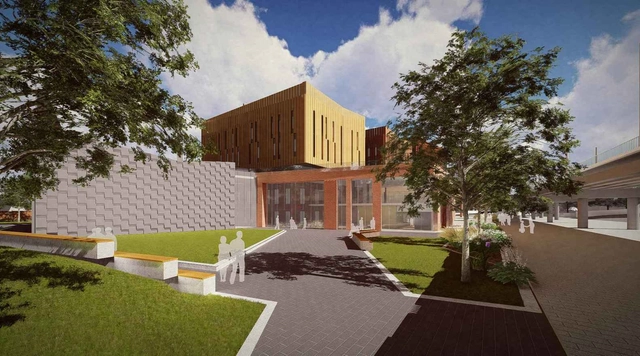
Nottingham City Hub. Image courtesy of Ares Landscape Architects Ltd.
The landscape architecture industry’s recent movement to standardize BIM workflows is a transition quite similar to its former move from hand drawings to CAD drafting. Now with BIM, landscape architects can work more closely with fellow architects, engineers, and other external collaborators on projects with structural and civil requirements. Adopting a new workflow to accommodate partners who use BIM regularly, however, isn't always a walk in the park.
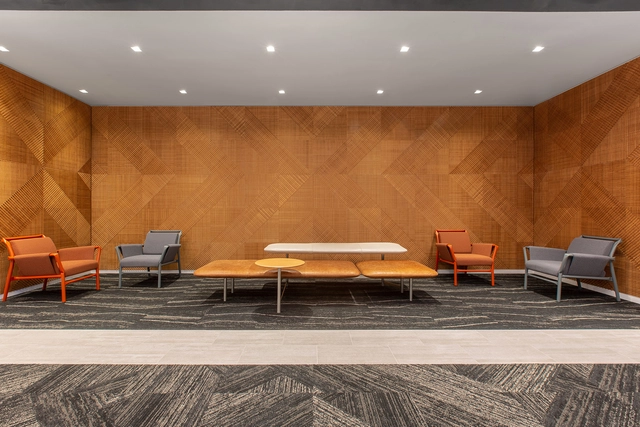
Linear patterns in interior spaces are prevalent throughout northern and western Europe. Not only to create texture but also to define space and direct the eye. Here in New York, 3-dimensional walls, ceilings, and surfaces are being utilized more and more to add contrasting form and scale to interior spaces. Moreover, the current obsession with anything mid-century modern has led to a resurgence of linear and slatted pattern-making in many forms.
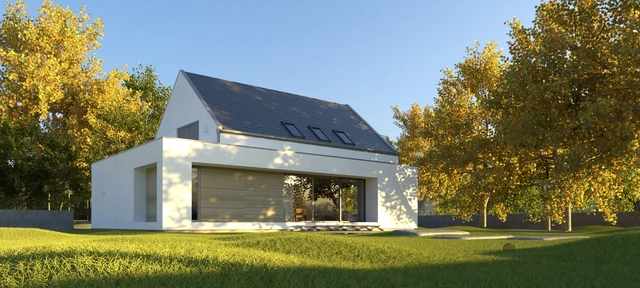
The BLL Awards for Architecture & Design comes from “Bringing light to life” which is the slogan of VELUX world brand for roof windows, which distribute daylight and fresh air into buildings through the roof. The idea of the Awards is to popularize good architecture, from architects and designers across countries in the CEE (Central and Eastern Europe) region, which demonstrates the effective distribution of daylight into buildings and the utilization of the space under the roof elements. It is a platform to showcase the work and products of architects and designers to a global audience. This year is the 6th edition of the BLL Awards, and is now open for entries. Seven countries from the CEE region are included – Bulgaria, Bosnia and Herzegovina, Romania, Serbia, Macedonia, Montenegro, and Turkey.
Customization, within the context of interior architectural design, is a resurfacing topic among cross-disciplined design firms focused on interior architecture. Since the reemergence of the Localism trend, individuals and organizations increasingly seek one-of-a-kind experiences, objects, and spaces that can help deepen their connections to their communities.
There’s a lot of buzz going on in terms of technology-driven innovation in the AEC industry. Especially the increasing use of 3D renderings and virtual reality for architectural projects is hitting every architect’s newsfeed. Photorealistic images and virtual reality walk-throughs seem to be turning into the new industry standard. That being said, for many architectural firms it seems to be hard to keep up with quickly developing new tech and thereby find ways to differentiate themselves from the competition.
The A’ Design Award was "born out of the desire to underline the best designs and well-designed products." It is an international award whose aim is to provide designers, architects, and innovators from all design fields with a platform to showcase their work and products to a global audience. This year's edition is now open for entries; designers can register their submissions here.
The Architects’ Journal's AJ Specification Awards returns for a 2nd year, celebrating successful collaborations between suppliers, manufacturers, and architects. The awards celebrate how exceptional working relationships between architects and suppliers and manufacturers lead to successful projects, showcasing standout examples of the creative use of products and materials in making great buildings. Be it to find solutions to particular design challenge, or simply to bring joy to a project, the intelligent integration of products into the design process – from the taps in a bathroom to the finishes on a façade – is an aspect of architecture that the AJ has long championed.
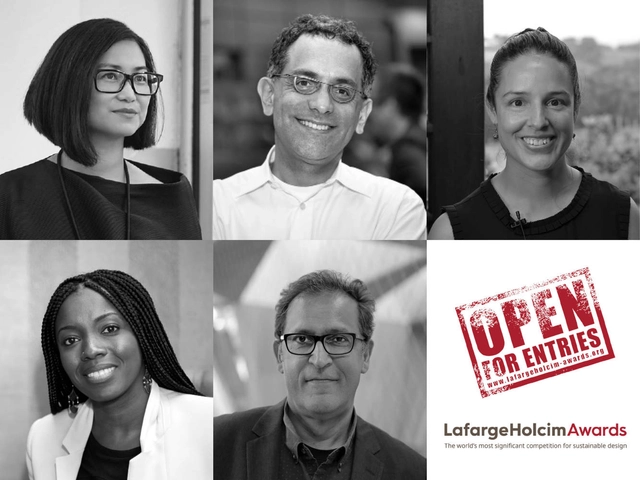
The independent juries will evaluate entries in the 6th International LafargeHolcim Awards for Sustainable Construction in five regions of the world. Each jury consists of nine experts in sustainable design and construction. The Awards seek real projects as well as bold ideas that combine sustainable construction solutions with architectural excellence. The competition offers a total of USD 2 million in prize money and is open for entries until February 25, 2020.
How can we support creative answers to current and future challenges the constantly growing population of urban areas will face in the near future? This is just one of many questions and topics which have been discussed during the international project Shared Cities: Creative Momentum in the past four years. Now the time has come to present the accomplishments. An international festival called Shared Cities: The Finale will take place on October 2nd and 3rd in the city of Prague, Czech Republic.
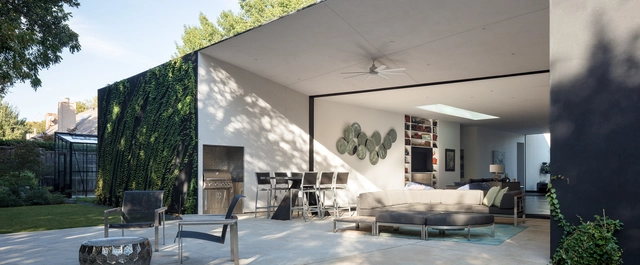
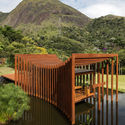
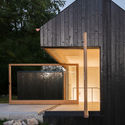
Another year, another crop of homes featuring fresh, contemporary architecture, striking décor, and seamless transitions between inside and outside spaces. Peruse our picks below to find the inspiration you need to make indoor-outdoor living part of your next home design.






.jpg?1571355421&format=webp&width=640&height=580)




.jpg?1563397527 "© Plyboo")
.jpg?1570228765 "© Plyboo")






.jpg?1568167825&format=webp&width=640&height=580)
.jpg?1568167825)
.jpg?1567131186)


.jpg?1567130803 "Prague Film Shooting. Image © Petra Hajska")
.jpg?1567131186)