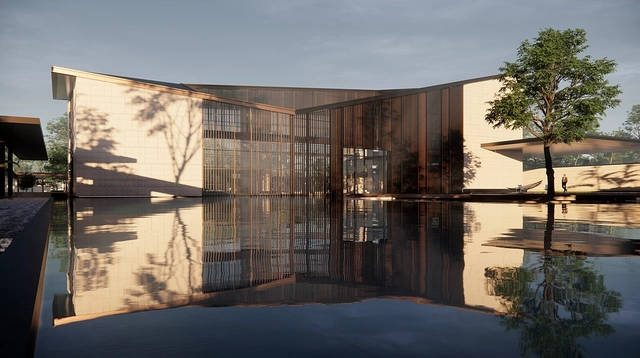
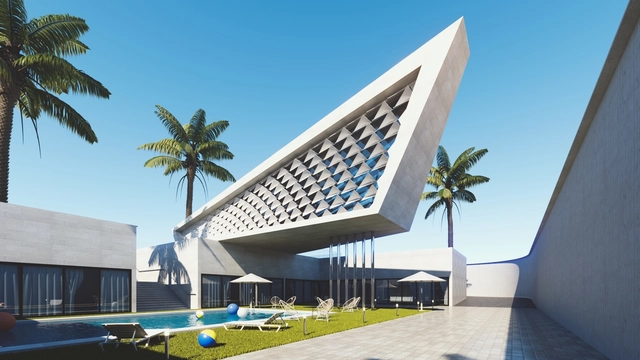
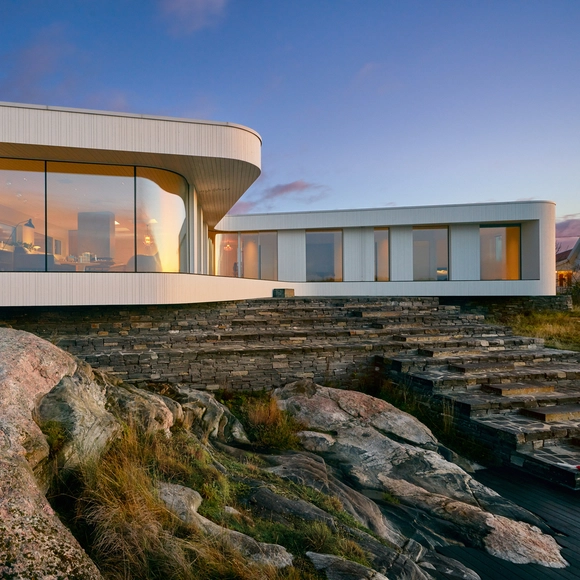
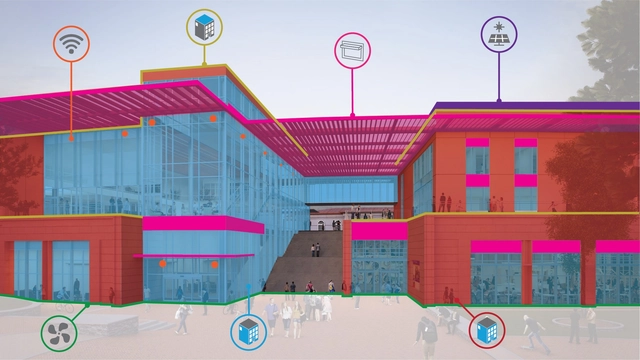
With Twinmotion 2020.1 now available, the software is fast becoming the go-to visualization tool for professionals working in architecture, interior design, urban planning, and landscaping, for everything from designing residential properties to providing VR walkthroughs of large-scale infrastructure projects. The latest release raises the bar for realism and includes new features for project presentation and review.
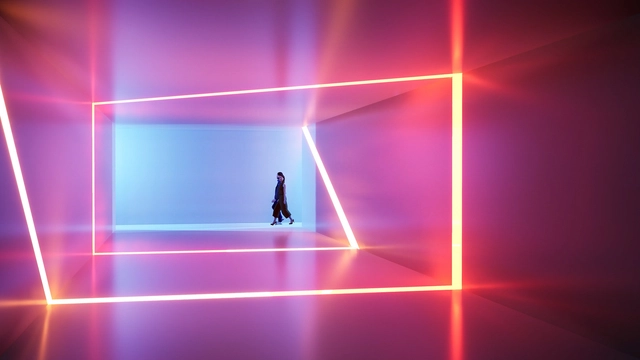
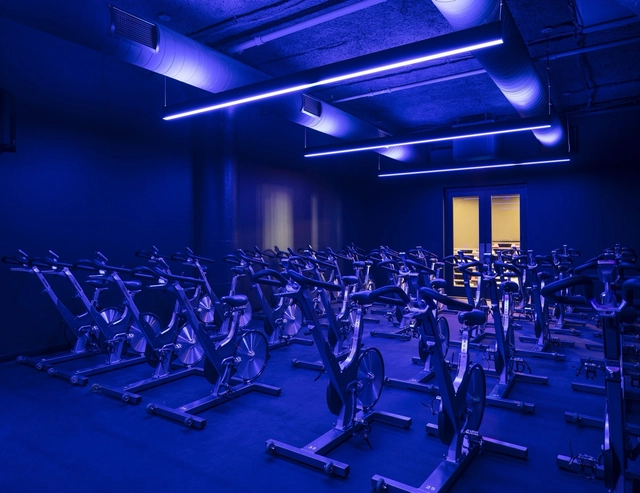
Color-tunable lighting is an exciting and relatively new lighting technology that allows users to control the color of light anytime after installation and attune lighting to individual preferences or specific application needs.
https://www.archdaily.com/934845/how-color-tunable-lighting-improves-productivityDavid Hakimi
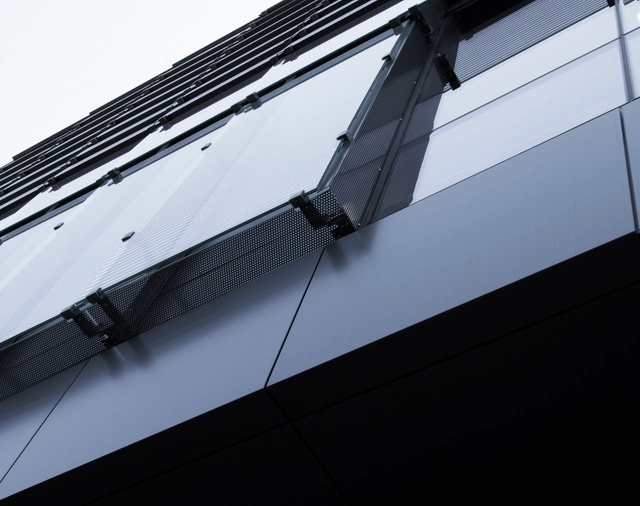
In an effort to avoid disruptions to the coming football season (and by extension, any frustration among the passionate University of Iowa Hawkeyes’ fans), the challenge facing Iowa City architecture firm Neumann Monson was to rapidly deliver and install Kinnick Stadium’s new custom glass facade, all during the team’s off-season. Ranked top among Big 10 stadiums, Kinnick opened the 2019 football season with an expanded North End Zone after careful coordination by the design, manufacturing, and construction teams throughout the project.
Architectural rendering and visualization have become crucial tools in the art of communication. From client presentations to internal design reviews, showing your 3D models in lifelike, beautiful environments can convey both practical information about the project’s development, as well as the feeling and experience of a space.
As one of the oldest building materials, dating back to at least 7500 BCE, brick is often thought of as a traditional, classic option for a building facade. Throughout its long history, however, the brick industry has changed and modernized to remain architecturally relevant. Innovations in brick construction continue to provide new opportunities for designs that combine the warmth and character of a natural material with the efficiency and aesthetics of a modern building.
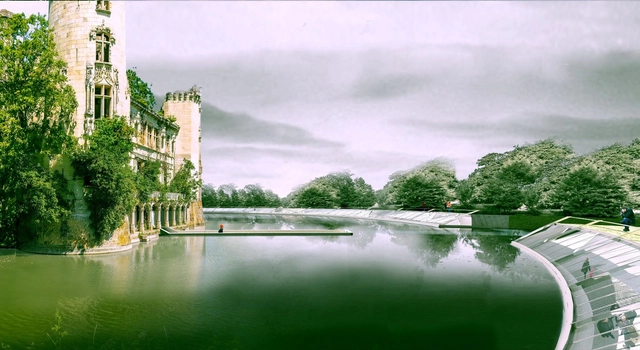
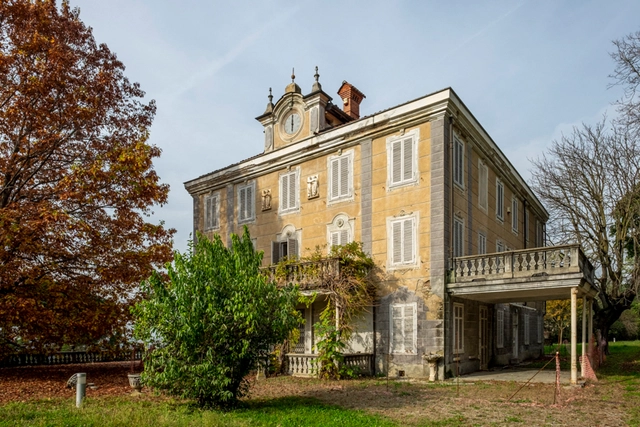
Hiroshi Toda, Mitsuki Shibairi, Kahara Mori are the three members of team D-D-D rewarded with the 1st Prize and a “Castle Choice” Mention at the COMMON RUINS international competition held by YAC - Young Architects Competitions and Mothe Chandeniers .
https://www.archdaily.com/930111/three-japanese-young-architects-to-breathe-new-life-into-an-iconic-french-castleSponsored Post
The field of architectural visualization has come a long way: It used to be a very time and cost-intensive process that only larger firms could afford and was usually outsourced to specialist companies that let their supercomputers render images for days or even weeks. Whilst this still might sound familiar to some architectural companies, the reality today is that something else is becoming the new standard in visualization: real-time rendering.
https://www.archdaily.com/934243/real-time-rendering-in-architecture-evolves-to-become-a-natural-workflow-enhancementSponsored Post
What if hiring an international architect with great skills, qualifications, and unique insights was as easy as hiring someone from upstate New York or Indiana? Architects worldwide dream of an opportunity to enter the competitive American market and it is common for young professionals to travel internationally for study or work. At the same time, many top US firms are searching for diverse new talent, yet the cost, paperwork, and bureaucracy of hiring international candidates can be discouraging. Architect-US was created to fill that gap.
The scape Landschaftsarchitekten office was founded in Düsseldorf, Germany in 2001 by Matthias Funk, Hiltrud M. Lintel, and Rainer Sachse. The firm primarily works through a young and committed team in cooperation with urban planners, architects, ecologists, and communication designers, mainly on the planning of urban landscapes. Current projects range from master plans for entire city districts to object plans for parks, pedestrian zones, squares, and streets, to detailed planning of their own street furniture systems. One of these projects was for The Viega Group, an internationally active family business in the field of mechanical and plumbing technology for sanitary and heating systems. A new seminar center is currently under construction at their headquarters in Attendorn, and Vectorworks Landmark was used to implement the landscape architecture through a BIM process.
https://www.archdaily.com/932811/how-a-landscape-architecture-firm-integrates-3d-bim-workflowsSponsored Post
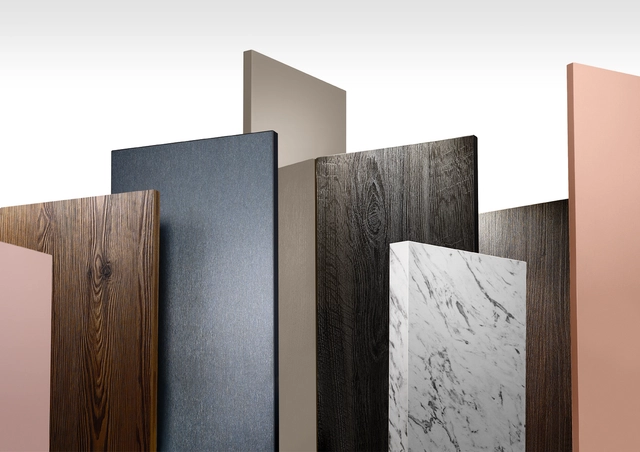
EGGER places an emphasis on the topic of digitalisation in the new collection. "We know that collections with real samples are important, but no longer sufficient, in order to advise customers optimally. This is why we have complemented our service offering with the new collection app, which combines many helpful features. This means that customers always have the collection digitally at hand", says Head of Marketing at EGGER Hubert Höglauer, summarising the comprehensive service.
Videos
Dana Alfayez: first female architect to advance to the finals at VDAY Madrid
Held each year by the IE School of Architecture and Design, Venture Day provides start-ups a chance to pitch their ideas to a panel of judges. Part of the IE accelerator program Venture Lab, the high-pressure competition gives participants just five minutes to give concise, impactful presentations. This pitch is followed by a Q&A session, after which the winners are selected by a jury.
Everybody’s talking about Grasshopper. It’s an exciting way to explore parametric and generative designs in architecture — and the ability to create and render those concepts and animations to present to clients is considerably even more impressive.
V-Ray is a trusted 3D renderer that gives Rhino users the power to render everything, from quick concepts to finished designs. It also allows designers to deliver professional-quality renders every step of the way. V-Ray for Grasshopper comes with V-Ray for Rhino, which makes it quick and easy to animate and render your parametric designs.
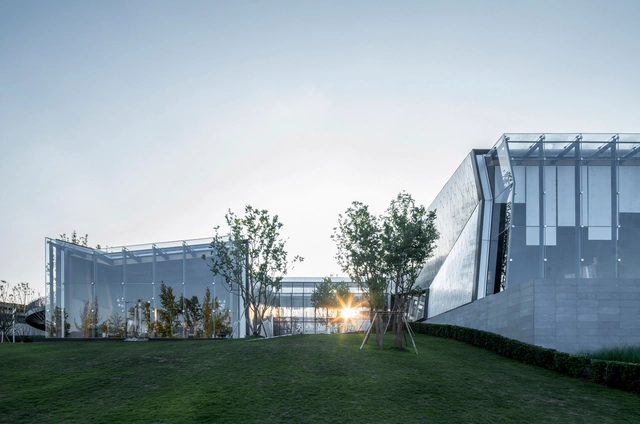
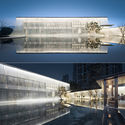
Yuanlu Community Center. Image Courtesy of A' Design Award
If you've procrastinated, now is your last chance to enter your design in the 2020 A’ Design Award Competition - the final call for entries ends February 28th, 2020 for an opportunity to showcase your work to a global audience. The international competition was "born out of the desire to underline the best designs and well-designed products" of designers, architects, and innovators from all design fields. Among other design competitions and awards, the A' Design Award stands out for its exceptional scale with over 100 design categories.
For a chance to showcase your work to a global audience, now is the time to enter your design for an A’ Design Award. The international competition was "born out of the desire to underline the best designs and well-designed products" of designers, architects, and innovators from all design fields. Among other design competitions and awards, the A' Design Award stands out for its exceptional scale with over 100 design categories.
Every working day presents new challenges for architects, fabricators and distributors. The key to success in the building industries is the optimum and timely implementation of projects and the satisfaction of clients and customers. Versatile, easy to work with materials like wood can streamline the process without sacrificing design or options. Wood, in addition to being a structural material, can also be utilized in the form of wooden composite boards and wood-based products. EGGER is a company with a history of producing multiple different types of wood products with unique purposes and applications within a design.
Today's designers have inherited unprecedented global challenges, a legacy which will require radically new ways of fashioning the buildings, places, and landscapes that harbor our diverse ways of life. The College of Environmental Design offers several introductory and advanced programs for those interested in confronting these challenges in the fields of architecture, landscape architecture and environmental planning, urban design, and sustainable city planning. Please visit UC Berkeley's Summer Programs website to view images of student work and learn more about the CED Summer experience.
Architects of today face a common task that defies intuition – how to balance building performance and strict carbon targets against cost. Sustainability in design is certainly a worthy and necessary goal, but the amount of options can be overwhelming and the costs prohibitive, especially in the eyes of owners. How can designers best convince their clients to integrate sustainability into a project? Keeping costs low and backing up decisions with fact-based analysis are solid first steps.

.jpg?1578857650 "© Neumann Monson")

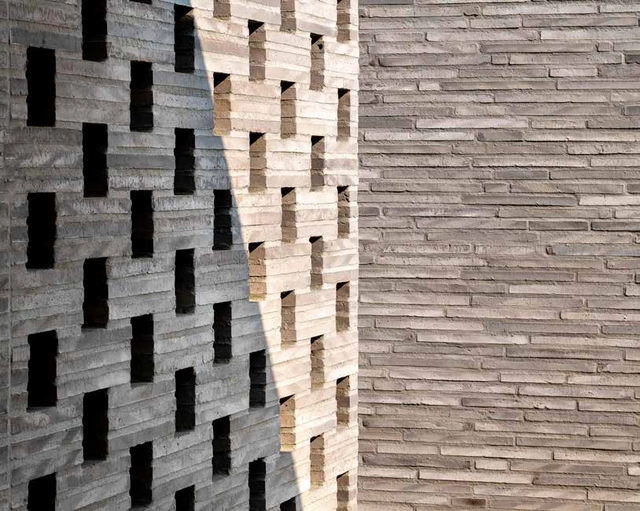
.jpg?1581563559 "Fredrikstad office. Image © Randers Tegl")
.jpg?1581563494 "Mosevænget. Image © Randers Tegl")
.jpg?1581563220 "Eufemia. Image © Randers Tegl")