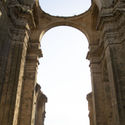
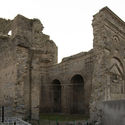
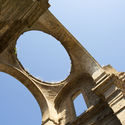
The third edition of the architecture competition Re-use Italy promotes the repurpose of a forgotten church in southern Italy, in Grottole, in the province of Matera. Facing the issue of the abandonment of small towns in Italy, the contest in partnership with, ArchDaily, KooZA/rch, Graphisoft, Wonder Grottole, with the official support of the Municipality of Grottole (Matera), Ministero per i beni e le attività culturali e per il turismo, FAI Basilicata, Matera Art Film Festiva, ANCI Basilicata, Associazione Borghi Autentici d’Italia, Ordine degli Architetti P.P.C. della provincia di Matera, seeks to reuse the “Fallen-church” and transform the ruin into a Concert Hall.
Not a month goes by without Danish architects and Danish design in the news, as design seems to be one of the primary exports from the tiny Scandinavian country. To be fair, the attention isn't a bad thing. Denmark has a rich heritage of furniture designers and architects who have transformed spatial thinking around the world. Some thoughts were so “BIG,” that they envisioned inhabiting the moon or making plans for a Masterplanet.
The new Global Master in Real Estate Development program is designed for professionals with backgrounds in various fields, from finance or economics to architecture, and from engineering to law. The aim of this degree is for students to explore the relationship between real estate development, investment and city infrastructure from a wholly global perspective. The program is based on the principles of sustainability, digital innovation and real estate technology transformation.
With Sky-Frame, the focus is what inspiration and freedom their windows can help achieve, not on the windows themselves. Rather, the spatial qualities and view potential created by the windows is what you notice. The Swiss company is the leading international supplier of frameless sliding doors that work to blend interior and exterior for a unique living experience. Featured in thousands of projects worldwide, Sky-Frame products include curved and sloped sliding doors, as well as a pivot door, to fit each individual space.
As a mid-career design-professional, what avenues exist for investigating questions and problems that arise from being embedded in practice? What opportunity is there for exploring or articulating an idea for a type of project or organizational structure that could improve professional practice?
Master of Design Studies at the Fay Jones School of Architecture and Design
There is a growing demand for specialized knowledge and skills to address emerging and critical issues that span the architecture and design disciplines. This demand is underpinned by the sustained movement in which research informs an interdisciplinary and transdisciplinary design practice. Graduate study is a way for early and mid-career design professionals to gain expertise, strategically focus and develop their career path, and even seek leadership positions. The three areas of practice framed below show how advanced design education can lead to professional development and growth.
Now that we’re all spending much more time inside due to the pandemic, we’ve had a chance to truly understand and appreciate the significant impact that windows can have on a space. Views, sun angles, and orientation of windows are all important considerations when designing a new building - and as pleasant as it is to have a connection to the outdoors, windows can also cause issues like glare and heat gain. Of course no one wants a building with windows only on one side or to have the blinds shut constantly to be able to see their computer screen, so one versatile architectural solution is to shade windows using architectural wire mesh.
Videos
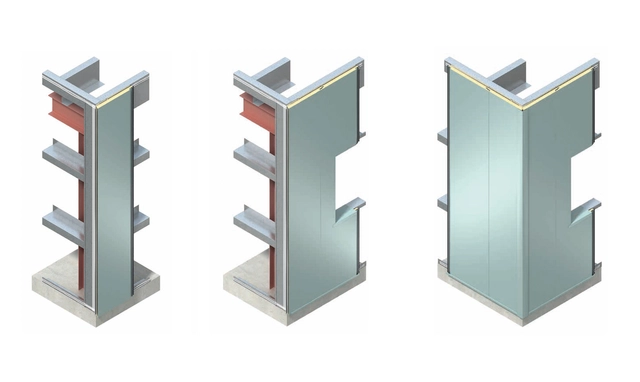
Designwall 2000/4000 / Vertical Installation. Image Courtesy of Kingspan
A building’s envelope is the first thing you notice - its defining feature, before even setting foot inside. While indisputably important, there’s much more going on than just aesthetics when designing one. There are unseen aspects and qualities that make the interior of the building safe and comfortable, which architects are constantly balancing with the visual appearance of the exterior.
Building envelopes keep out the weather, contribute to thermal and acoustic comfort, affect fire safety, and the choice of one system over another has economic, sustainability, constructability, and longevity implications to consider. In addition, there are multiple aesthetic factors a building envelope needs to address: context, color, texture, visual comfort, and overall design intent to name just a few.
"When I think about design in general, a story of families always comes to mind, especially in furniture design. Stories of people and families". Flexform has spoken with Antonio Citterio, Italian architect and designer, to delve into the design concepts that shape their 2020 Collection. Learn more here.
IE School of Architecture and Design is announcing the 7th edition of their IE Architecture+ Prize for young architects and designers, looking to attract top talent from around the world to take part in one of the school’s master’s programs for the upcoming academic year. For all those who believe that business and design are stronger together, if you graduated between 2010 and 2020 and were ranked in the top 25% of your class, you are eligible to compete for the IE Architecture+ Prize.
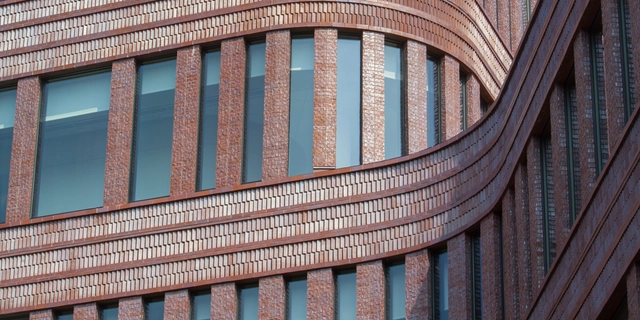
You probably see brick on a daily basis, whether it’s structuring a building, paving the road, or perhaps serving as a fireplace or chimney. But do all these applications use the same type of brick? How are the bricks supporting or being supported? What are these bricks actually made of? Brick’s versatility and ubiquitous nature mean there’s more than one answer to these questions. Even among brick’s most common applications as a building facade and/or structural wall material, there are a variety of types and construction methods employed.
Buildings are static. They serve the purpose they have been designed for. But when cities grow and the needs of the community change, this becomes a problem. Modular construction with engineered wood products like Kerto LVL are the solution, because they enable adaptable, sustainable and cost competitive designs. It is time to provide solutions to the changing needs of our cities. Time to create an urban adaptation.
The window is the architectural element that satisfies our innate need to relate to the outside space, providing us with ventilation and light. The more extensive and clean the window is, the greater the sensation of "being outside". Consequently, opening up spaces to the outside has become a common requirement for people who want and need to inhabit flexible, adaptable spaces, in contact with the air and nature. There are many ways to do this, but not all of them allow an airtight enclosure to become fully open and continuous, clearing the boundaries between both spaces.
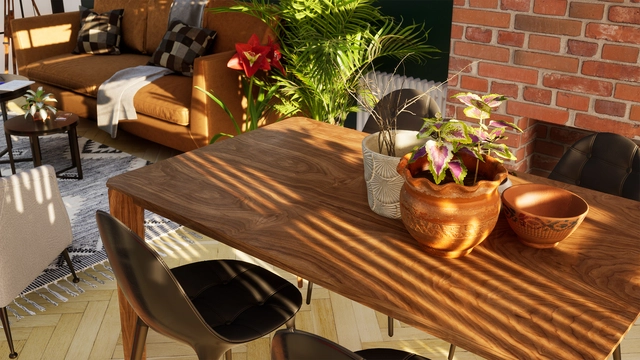
Architectural visualizations are only as good as the scene they’re placed into. No matter how fantastic your building model, if it's placed in an environment constructed of low-quality, low-poly assets, it’s not going to shine. That’s one of the reasons architects and designers have long turned to Quixel Megascans to give context to their archviz scenes.
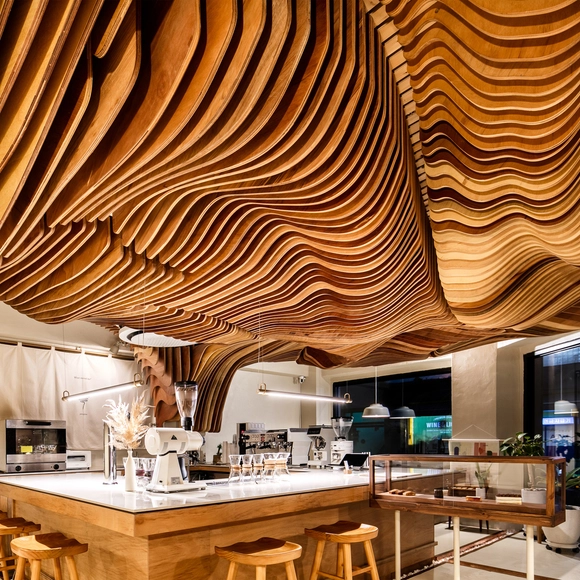
erception Cafe / Haejun Jung - Feelament. Image Courtesy of A' Design Awards
The international A' Design Awardcompetition was "born out of the desire to underline the best designs and well-designed products" of designers, architects, and innovators from all design fields. Entries each year are judged by A' Design Award's jury of hundreds of experts from around the globe including scholars, professionals, and media members. If you are selected as a winner, you'll receive a host of prizes and benefits, in addition to international prestige and recognition. Entries are being accepted now until February 28th, 2021 and a selection of winners will be featured in a post on ArchDaily after they're announced on April 15th, so register your design today for a chance to be included.
Modern timber construction is nothing short of breathtaking. The wooden arches and unique curves delight even the most creative architects. The scale and perception of a wooden building make it blend in with the decor while still remaining noticeable. The inspiration and the possibility of achieving this type of construction are now trending upward, but who has the knowledge and expertise for these projects? The province of Quebec does, a world leader in mass timber construction.
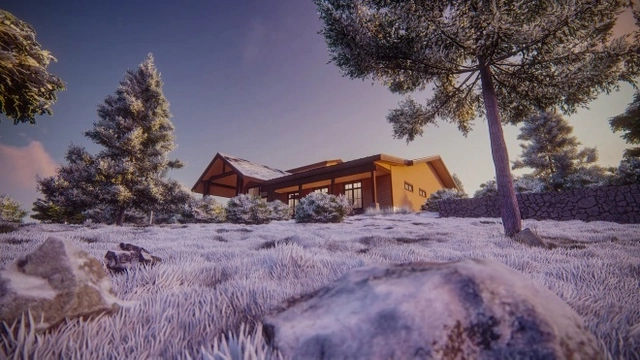
Photorealistic renderings today are the standard. They can be done quickly, cheaply, and clients expect them. But are these renderings truly accomplishing what they set out to do? Those on the forefront of new 3D design techniques argue that, as an industry, we’ve gotten stuck on conveying information, when what we should really bring to the table is emotion. Now that the playing field has evened in terms of technological capability and hyper-realism, what’s the next step? By introducing an emotional layer and creating a sense of place, renderings can provide even more value to a project, firm, client, and community.


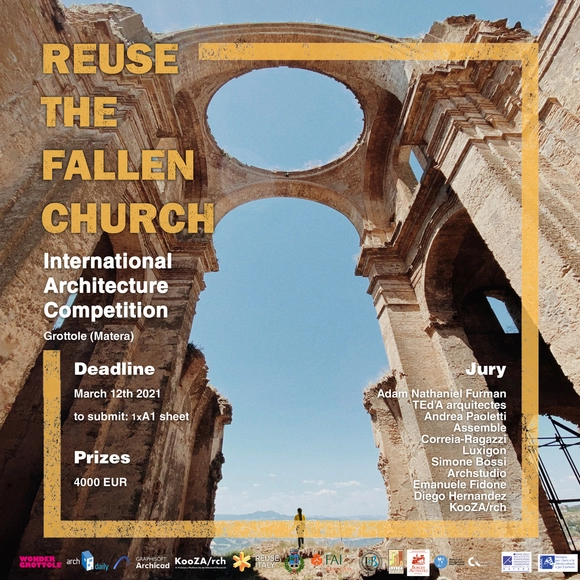
.jpg?1605615404 "Courtesy of Re-use Italy")


.jpg?1603825674&format=webp&width=640&height=580)




.jpg?1602551915 "Shimao Loong Palace Residential Landscape / Shimao Group. Image Courtesy of A' Design Awards")