
-
Architects: Foster + Partners
- Year: 2020
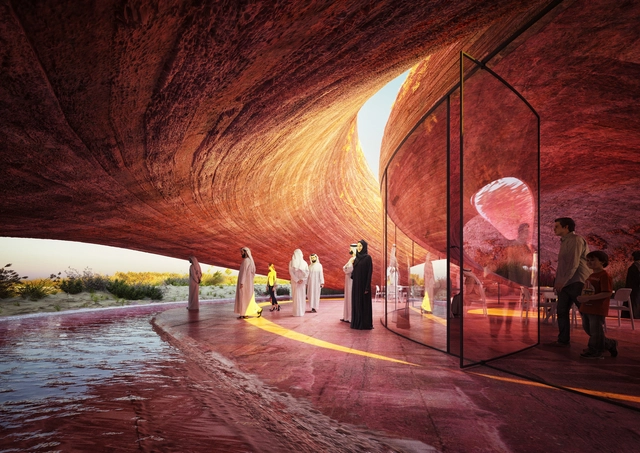
Cultural architecture is defined by shared values and exchange. It centers on humanity, civic life and a story of how societies evolve over time. Whether museums, libraries, visitor centers or monuments, these spaces tell stories about a region, culture and place. This week’s curated selection of the Best Unbuilt Architecture focuses on museums and cultural projects designed in both rural and urban settings. Drawn from all over the world, they represent proposals submitted by our readers.
Trading a diversity of typologies for a range of settings and contexts, these projects showcase many different ways to tell a story of culture. They each showcase diverse taxonomies, formal approaches and spatial organizations, from a tower in Shenzhen to a Mediterranean school in Corsica and an art center in New South Wales, Australia.

Part of ArchDaily’s mission to highlight the best Architecture in the world, we are frequently rounding up unbuilt projects submitted by our readers. In this feature, we are focusing on competition proposals, showcasing a vast variety of functions.
A master plan from Seoul, a park in Bagdad, a chapel in Rwanda and an observation deck in Italy, to name a few, each of the described schemes responds to a different brief and offers a new perspective. With countless daily submissions from all over the world, ArchDaily is seeking to feature the finest projects and ensure a platform for everyone.


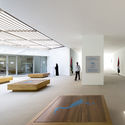
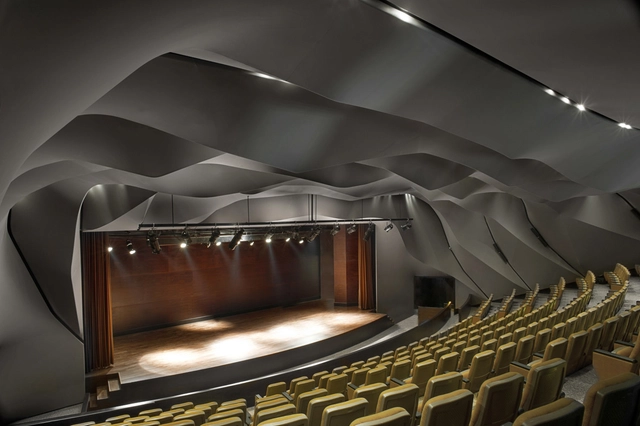
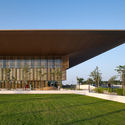
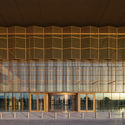
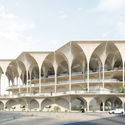
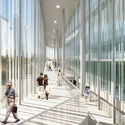
Foster + Partners has unveiled their design for the House of Wisdom, an iconic library and cultural center for Sharjah, this year’s UNESCO World Book Capital. Located on the Sharjah International Airport Road, ten kilometers from the city center, the two-story scheme “embodies a sense of clarity and lightness, with a large floating roof cantilevering on all sides of a transparent rectilinear volume.”
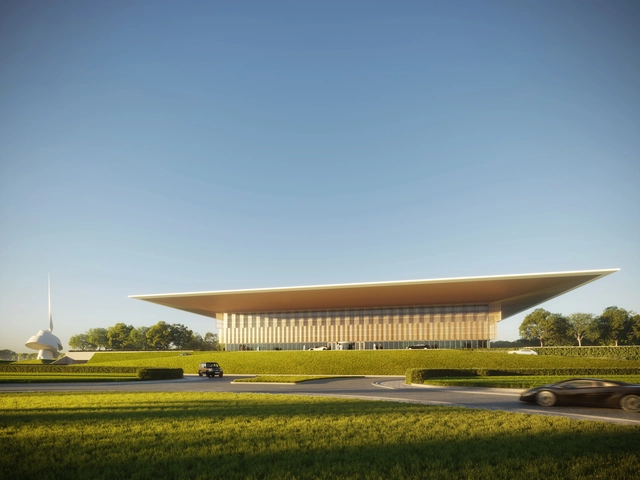
Foster + Partners has released their design for a library and cultural center alongside The Scroll, a new piece of public art by British sculptor Gerry Judah. Called the House of Wisdom, the project coincides with Sharjah being named this year’s UNESCO World Book Capital. Aiming to be a new cultural quarter in the city, the House of Wisdom was made to establish and retain connections with the outside.
.jpg?1554564958)
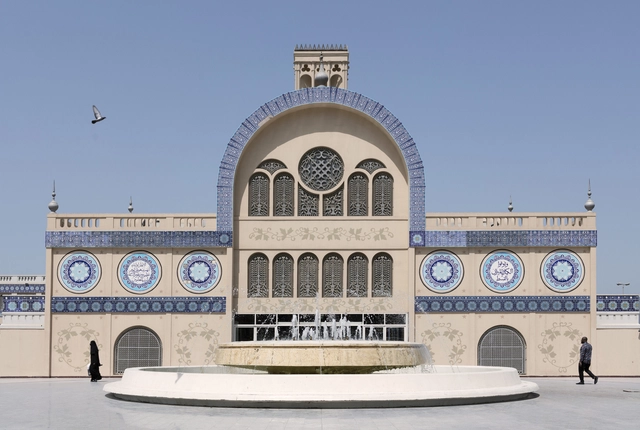
The Sharjah Architecture Triennial will open in November 2019 as "the first major platform for dialogue on architecture and urbanism in the Middle East, North Africa, East Africa and South Asia." Curator Adrian Lahoud has announced the theme of the Triennial as the Rights of Future Generations, aiming to fundamentally challenge traditional ideas about architecture and introduce new ways of thinking that veer from current Western-centric discourse.
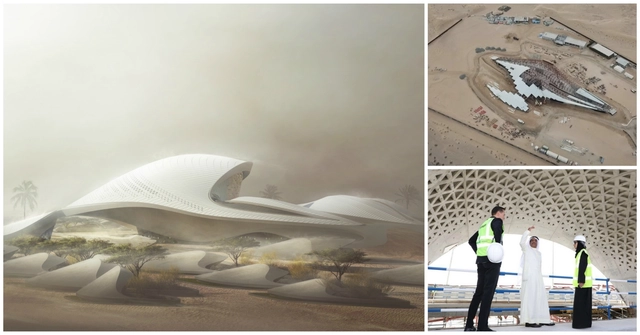
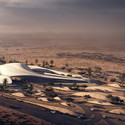
The Zaha Hadid Architects-designed Bee’ah Headquarters has topped out in Sharjah, UAE, as its structural steelwork and centerpiece concrete dome have been put in place.
With a design inspired by the form of sand dunes and oriented to optimize prevailing winds, the complex is striving for the highest standards of renewable energy and sustainable future targets, an appropriate goal for the new headquarters of the UAE's leading integrated environmental & waste management company.
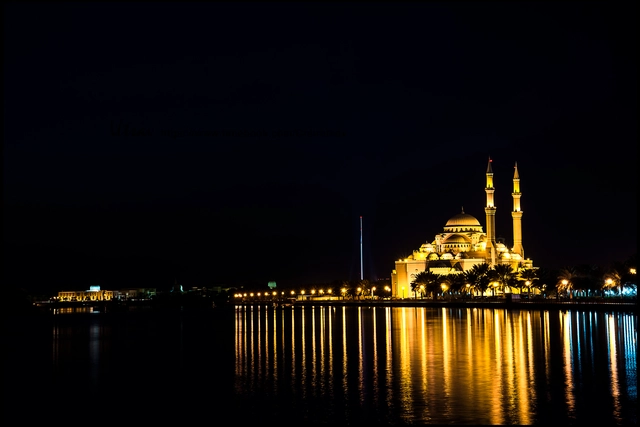
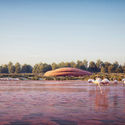
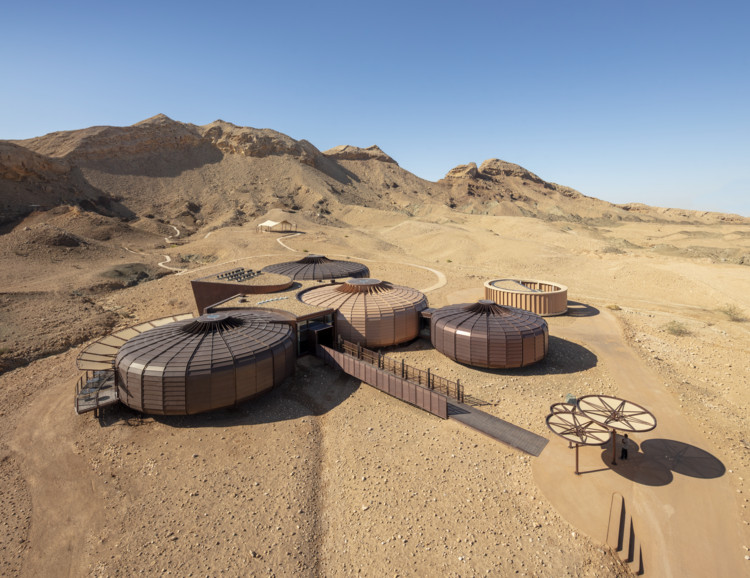
Foster + Partners have announced plans for the redevelopment of a major landfill site in Sharjah, UAE, belonging to Bee’ah – the foremost environmental energy and waste management company in the Middle East since 2007. Upon Sharjah reaching its “zero waste to landfill” target by 2020, the site is set for redundancy, sparking a proposed sustainable masterplan as an example of a circular economy and a reflection of Bee’ah’s vision of clean energy and sustainable innovation.
“We believe that this vision, as interpreted through our masterplan, represents a wonderful opportunity to demonstrate just what can be achieved at sites like this which feature in every industrialized nation on the planet,” expressed Giles Robinson, Senior Partner at Foster + Partners. “The project will also serve to further showcase Bee’ah’s waste management center as a place where innovation, environmental best practice, and good design take center stage.”
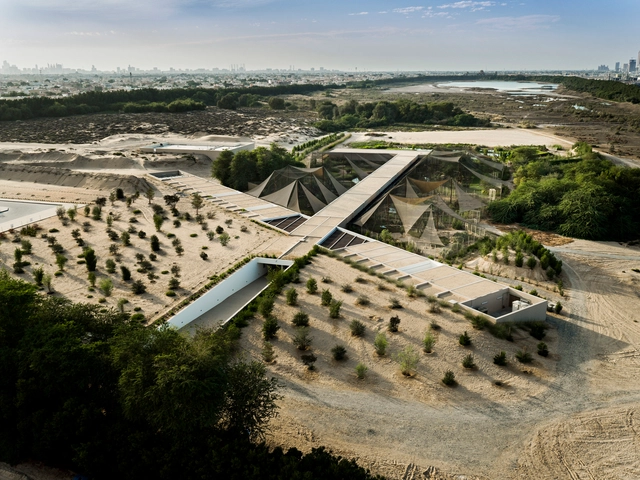


Designs have been released for Bee’ah’s new headquarters in Sharjah. The Middle Eastern environmental and waste management company commissioned Zaha Hadid Architects (ZHA), following an invited competition, to design a facility that reflects their goal to operate entirely from renewable energy sources and move towards zero waste, as well as increase their educational outreach.
ZHA’s design builds from its desert context, acting as two energy efficient “dunes” that intersect to form a central “oasis.” Watch an animated tour through the building, after the break.








.jpg?1554565621 "© Fernando Guerra")
.jpg?1554565539 "© Fernando Guerra")
.jpg?1554564989 "© Fernando Guerra")
.jpg?1554565454 "© Fernando Guerra")
.jpg?1554857742)




.jpg?1513701153 "Courtesy of Bee'ah")