


Seoul: The Latest Architecture and News
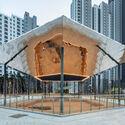
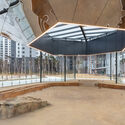
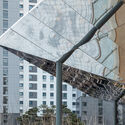
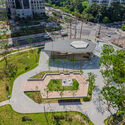
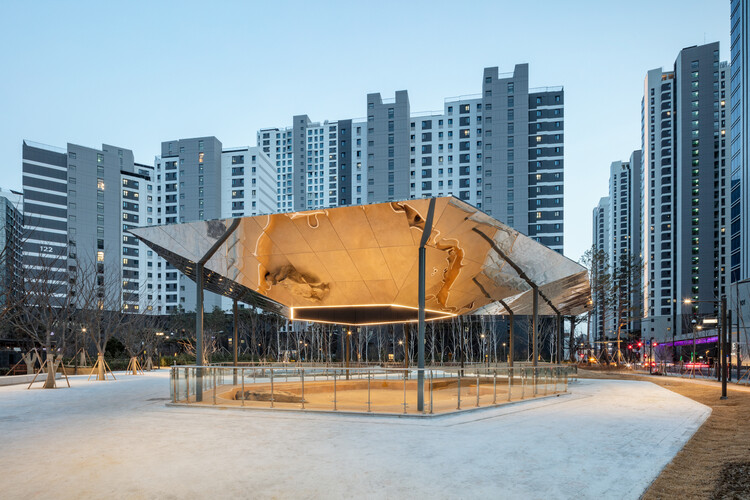
Floating Ground: A Landmark that Disappears / YZA
https://www.archdaily.com/1042196/floating-ground-a-landmark-that-disappears-yzaMiwa Negoro
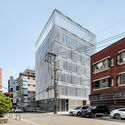
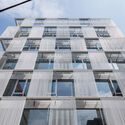
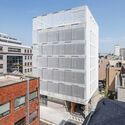
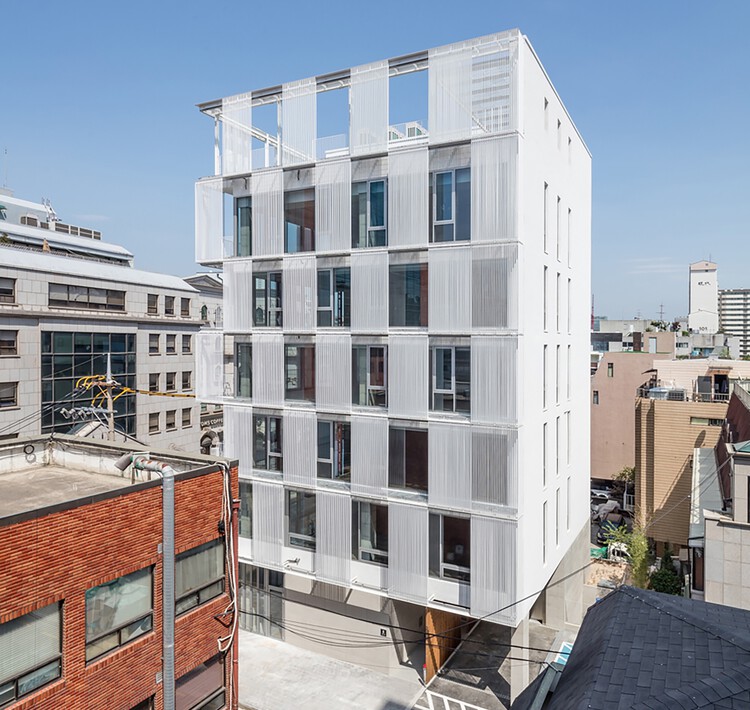
Metal Curtain Building / Hyunjoon Yoo + Partners

-
Architects: Hyunjoon Yoo + Partners
- Area: 2658 m²
- Year: 2023
https://www.archdaily.com/1041924/metal-curtain-building-hyunjoon-yoo-plus-partnersMiwa Negoro
3D Building / FHHH friends

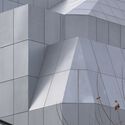
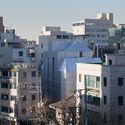
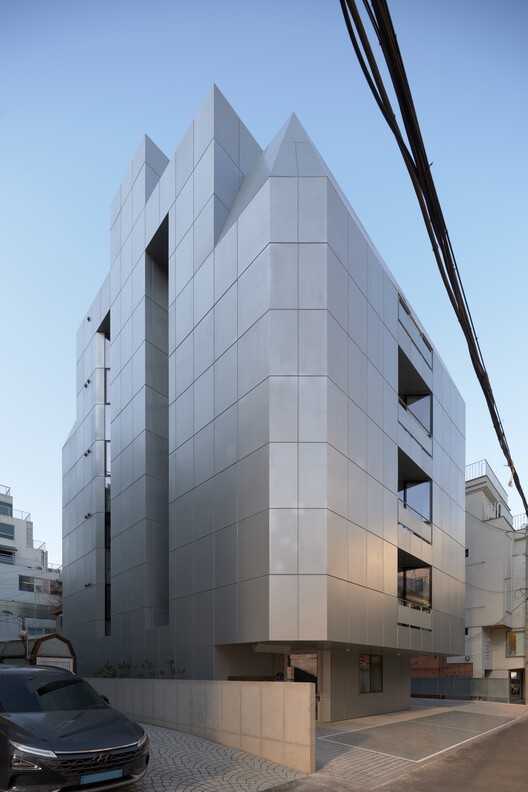
-
Architects: FHHH friends
- Area: 1270 m²
- Year: 2026
https://www.archdaily.com/1041724/3d-building-fhhh-friendsMiwa Negoro
Junohair Yangjae 1st / TYPE S

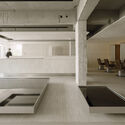
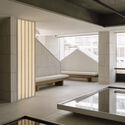
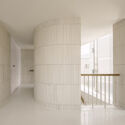
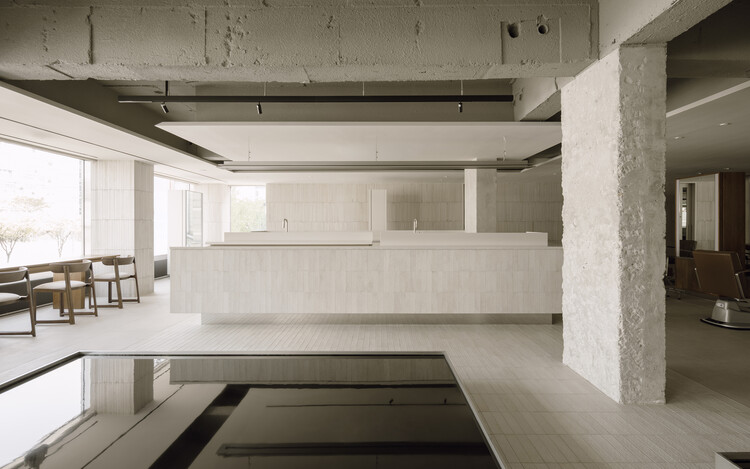
https://www.archdaily.com/1041516/junohair-yangjae-1st-type-sMiwa Negoro
The Productive Clash: Heritage Interiors, Contemporary Projects, and the Value of Imperfection

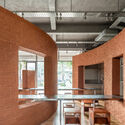
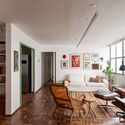
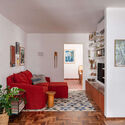
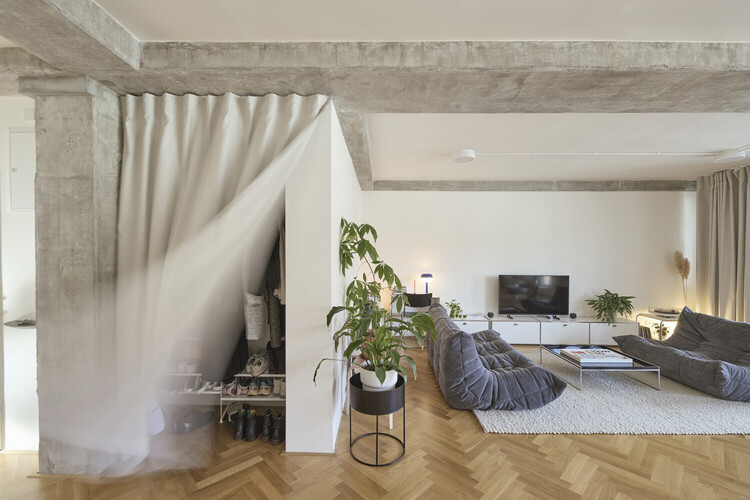
Heritage, in interiors, is increasingly rarer to be only a matter of preservation alone. More often it arrives as friction: the encounter between what a building already is—its plan logic, its scars, its structural inconsistencies—and what contemporary life demands of it.
Some of the most convincing projects today are not those that "restore" an interior back to a single moment, nor those that erase the past under a seamless new skin. They are the ones that stage a relationship between old and new—allowing contrast to do more than tell a story, and letting the clash become a pragmatic tool for construction, budget, and speed.

https://www.archdaily.com/1041461/the-productive-clash-heritage-interiors-contemporary-projects-and-the-value-of-imperfectionJonathan Yeung
Reinterpreting a 50-Year-Old Building in Myeongnyun-dong / sukchulmok + BRBB Architects

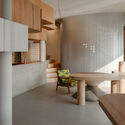
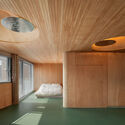

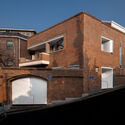
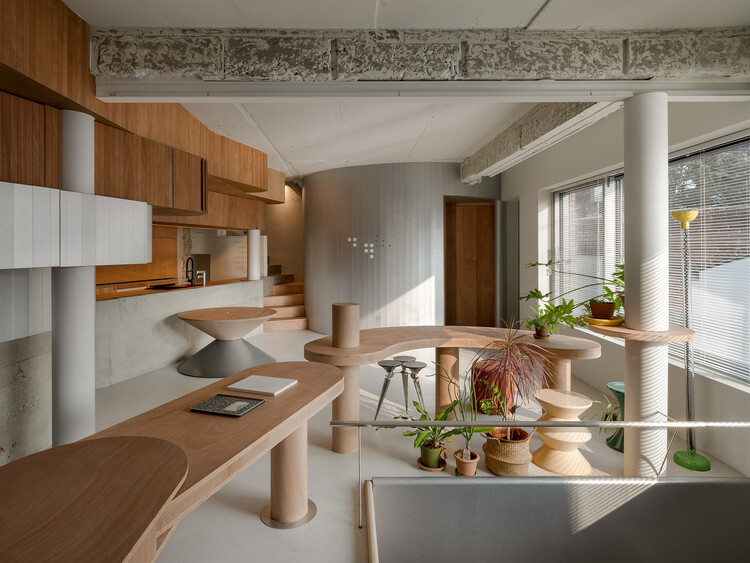
-
Architects: BRBB Architects, sukchulmok
- Area: 195 m²
- Year: 2026
https://www.archdaily.com/1041142/reinterpreting-a-50-year-old-building-in-myeongnyun-dong-sukchulmok-plus-brbb-architectsMiwa Negoro
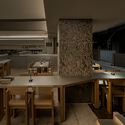
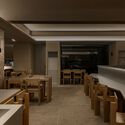
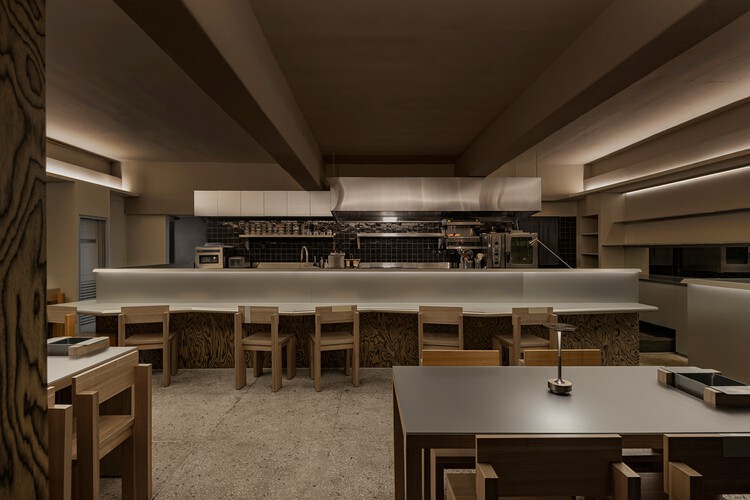
SSOC Dining / DESIGN2TONE

-
Architects: DESIGN2TONE
- Area: 109 m²
- Year: 2025
https://www.archdaily.com/1041121/ssoc-dining-design2toneMiwa Negoro
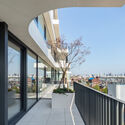
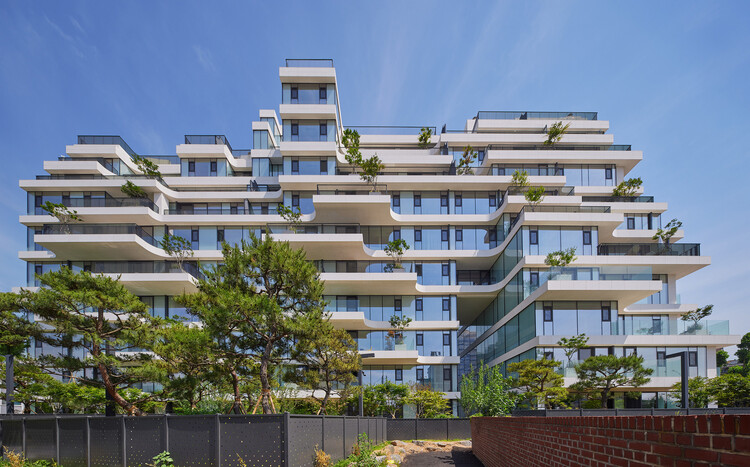
AFER Hangang / Hyunjoon Yoo + Partners

-
Architects: Hyunjoon Yoo + Partners
- Area: 16028 m²
- Year: 2024
-
Manufacturers: Eagon
-
Professionals: HYUNDAI E&C, WONWOO ENG, JUNGDO, DAEHYE, Hnc Construction Institute, +1
https://www.archdaily.com/1040863/afer-hangang-hyunjoon-yoo-plus-partnersPilar Caballero
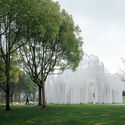
What Textiles and Translucency Bring to Public Space: 5 Lightweight Interventions

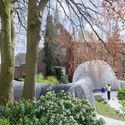
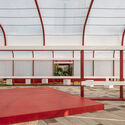
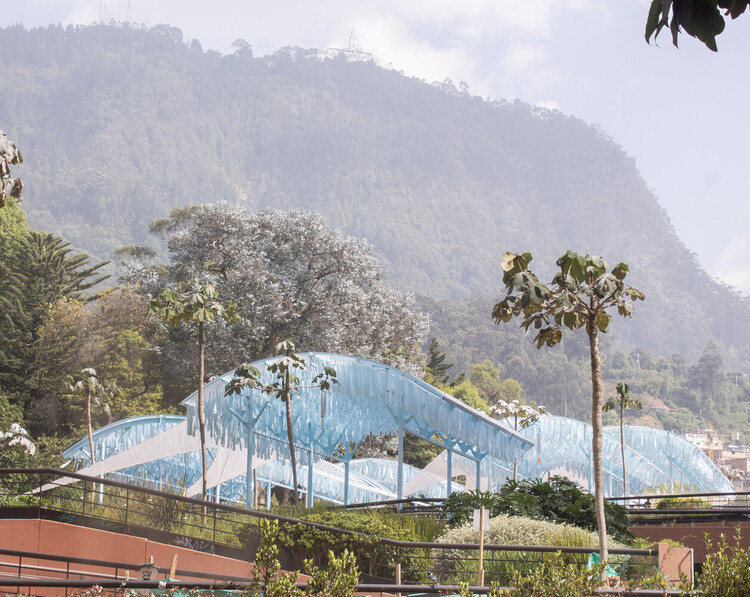
What do lightweight materials bring to public space with an ethical, ecological, and non-extractive design principle? Various textile textures offer a point of entry, being closer to the body than heavy conventional structural materials. Through its flexibility and responsiveness, it enables a form of soft enclosure rather than a fixed boundary in architectural space. Responding to minimal environmental stimuli, the fabric brings continuous movements into space. When layered or assembled, it produces gradations of density, depth, and enclosure, while recent innovative fabrication technologies extend the possibilities of its form and structural durability.
Semi-transparent materials further mediate the conditions of visual permeability and bodily experience of the space. By transmitting and filtering light, they blur clear separations between interior and exterior, solid and void, creating thresholds that are neither fully open nor fully enclosed, but constantly in negotiation. Reinterpreting structure in urban space through lightweight, translucency, and softness opens up alternative modes of spatial perception and bodily engagement.
https://www.archdaily.com/1040654/what-textiles-and-translucency-bring-to-public-space-5-lightweight-interventionsMiwa Negoro
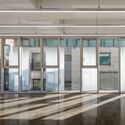
Nonhyun 169 / See Architects


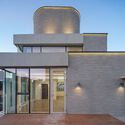
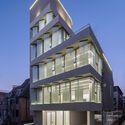
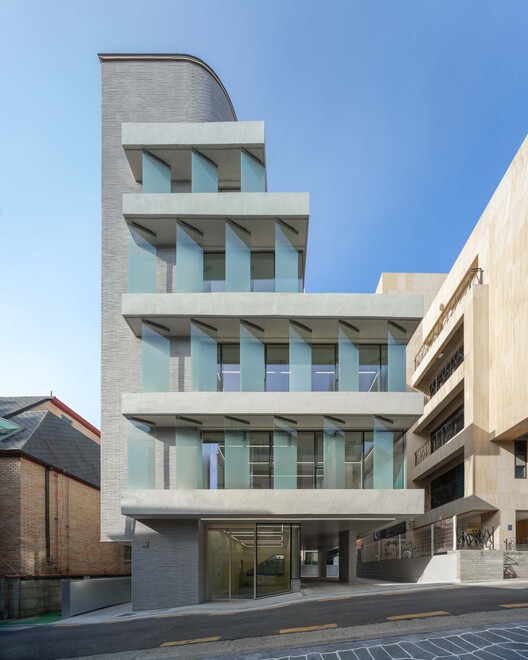
-
Architects: See Architects
- Area: 520 m²
- Year: 2025
https://www.archdaily.com/1040549/nonhyun-169-see-architectsMiwa Negoro
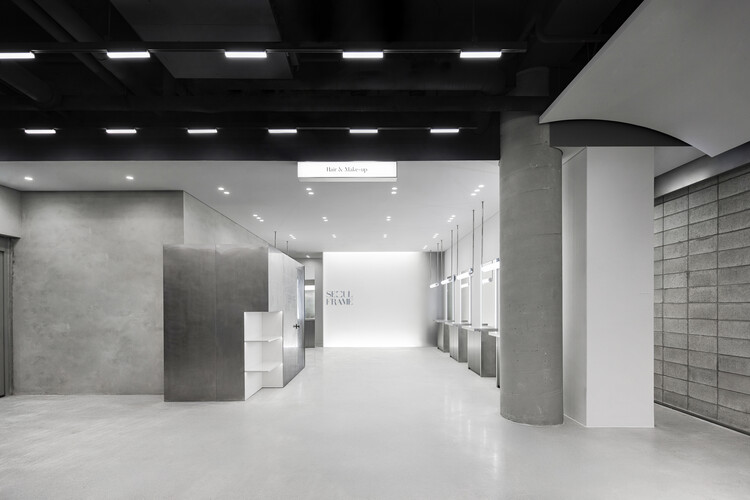
SEOUL FRAME by HE:ARTS / RVMN

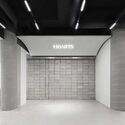

https://www.archdaily.com/1039982/seoul-frame-by-he-arts-rvmnMiwa Negoro
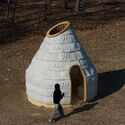
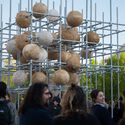
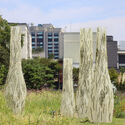
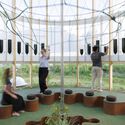
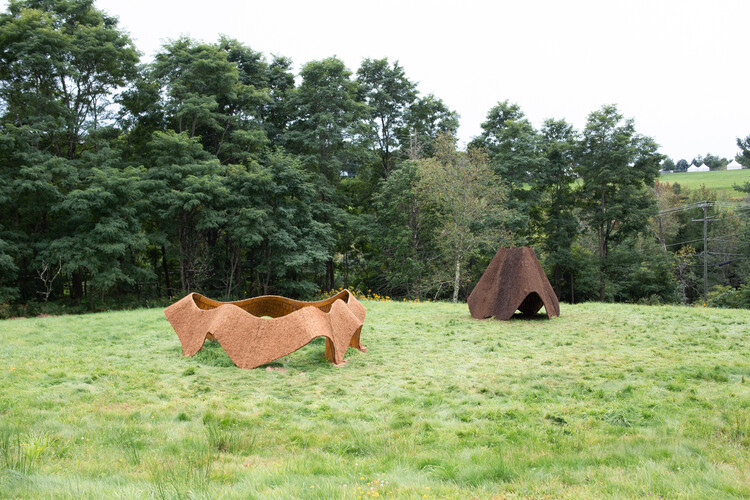
Designing with Living Matter: 5 Installations Using Bio-Based Materials and Digital Fabrication

At a time of ecological emergency, architecture cannot be separated from the extractive systems on which it depends. As the technosphere expands, linking material flows, energy consumption, and digital infrastructures, design becomes increasingly entangled in these processes. How can design practice intervene in anthropocentric systems and transform the architectural process and aesthetics through an investigation of material intelligence? More broadly, how does architecture engage with the agency and intelligence of non-human entities to rebalance the environmental burden?
https://www.archdaily.com/1039890/designing-with-living-matter-5-installations-using-bio-based-materials-and-digital-fabricationMiwa Negoro

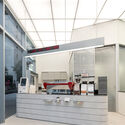


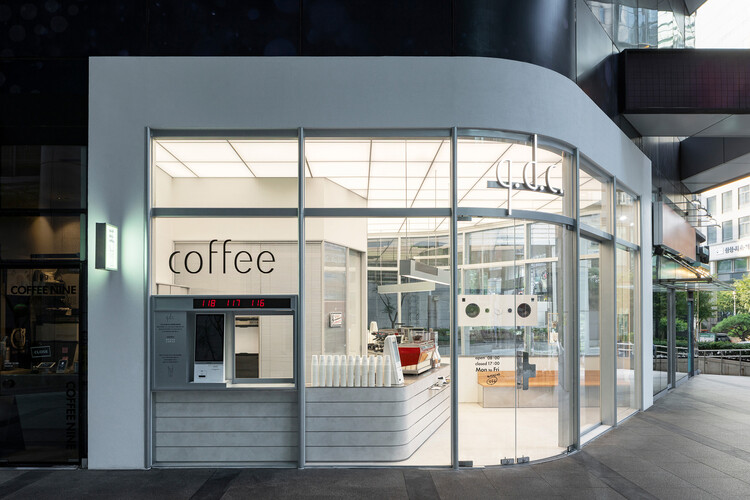
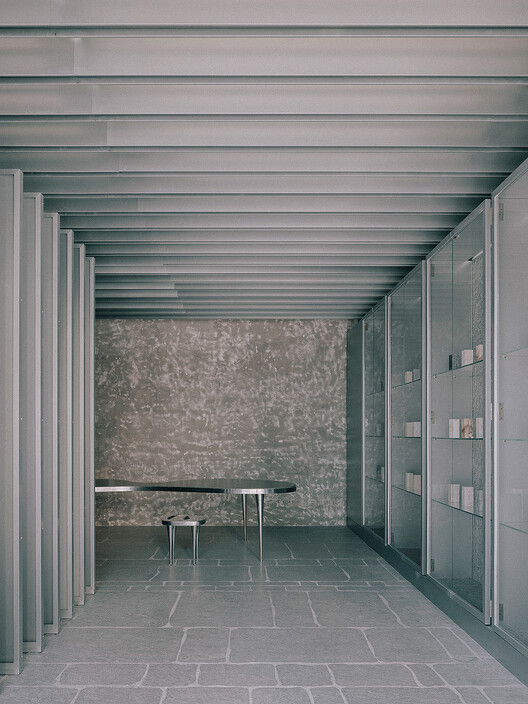
ST01 Flagship Seoul / Order Matter



-
Architects: Order Matter
- Area: 39 m²
- Year: 2026
-
Manufacturers: Bagnara, ST01
https://www.archdaily.com/1039738/st01-flagship-seoul-order-matterMiwa Negoro
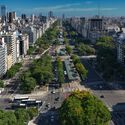
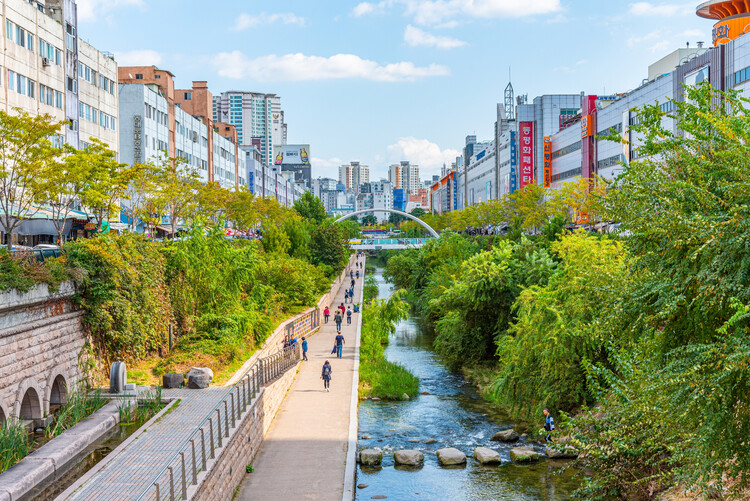
Mobility Justice: Urban Equity in an Era of Innovation

Every city contains two transportation systems. One is the visible network of roads, rail lines, sidewalks, and bus routes mapped in planning documents. The other is the invisible geography of privilege and exclusion embedded within it: the neighborhoods that received highways instead of parks, the communities whose bus routes were cut, the sidewalks that abruptly end at the edge of a district. For many years, built-environment professionals have treated infrastructure as a technical challenge. Mobility justice insists it is, fundamentally, a political one.

https://www.archdaily.com/1039450/mobility-justice-urban-equity-in-an-era-of-innovationOlivia Poston
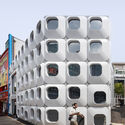
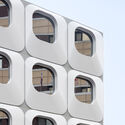
Hotel Myeongdong Station / Yong Ju Lee Architecture

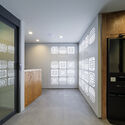
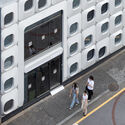
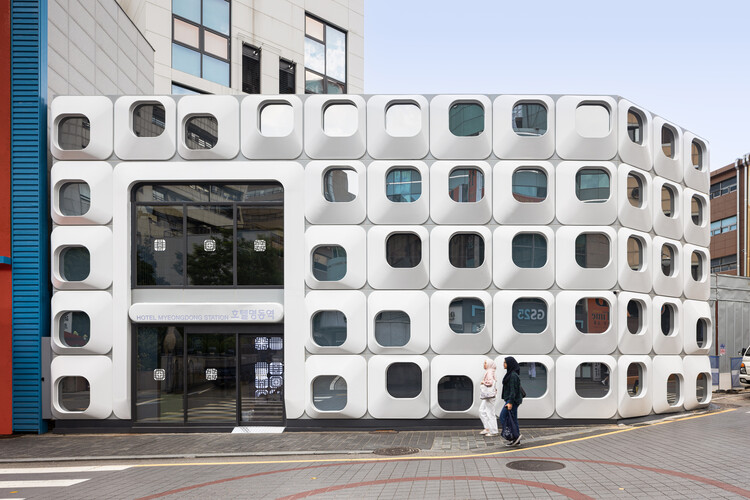
https://www.archdaily.com/1039308/hotel-myeongdong-station-yong-ju-lee-architectureMiwa Negoro
Heatherwick Studio Unveils Design for Daegyo Apartments Redevelopment in Seoul, South Korea

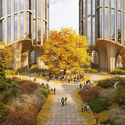
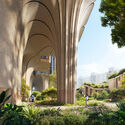
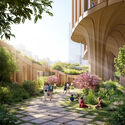
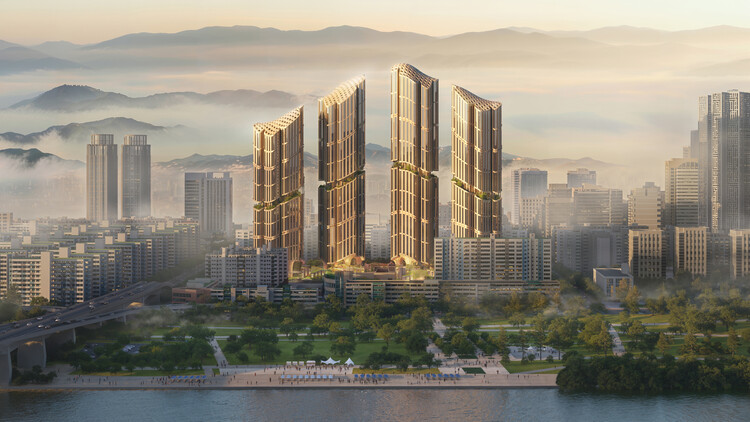
Heatherwick Studio has unveiled the first images of the design for the transformation of the Daegyo Apartments in Yeouido, Seoul. The project, the firm's first residential project in South Korea, was presented by Thomas Heatherwick to the Yeouido Daegyo Residents' Union at a meeting of their General Assembly on February 28, 2026. The development was first announced in mid-2025 as a community-led residential redevelopment, with the studio remaining involved throughout all phases of the project from concept to completion. The design is set to transform four residential buildings from 1975, aiming to establish a distinctive and appealing character, distinct from the average apartment building in Seoul.
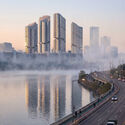
https://www.archdaily.com/1039364/heatherwick-studio-unveils-design-for-daegyo-apartments-redevelopment-in-seoul-south-koreaAntonia Piñeiro
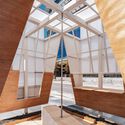
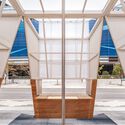
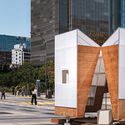
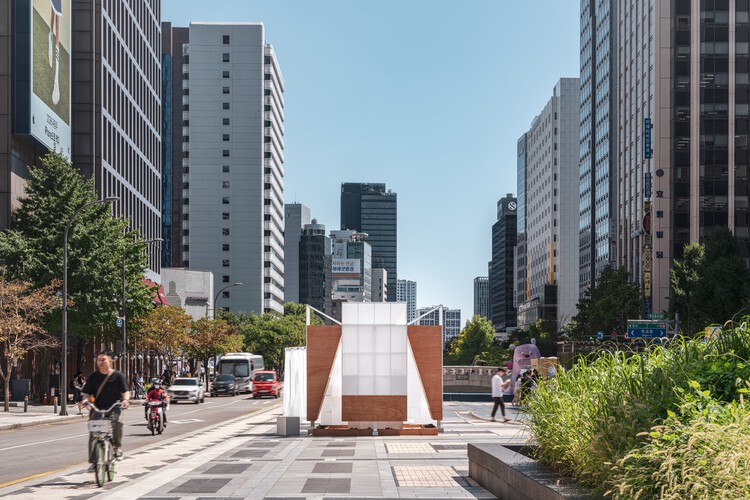
Pavilion TEUM / Kookmin University + one-aftr


-
Architects: Kookmin University + one-aftr
- Area: 12 m²
- Year: 2024
https://www.archdaily.com/1039033/pavilion-teum-one-aftrValeria Silva