This article is part of our new Opinion section, a format for argument-driven essays on critical questions shaping our field.
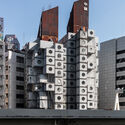
In 2022, Tokyo's Nakagin Capsule Tower was demolished, bringing an end to one of modern architecture's most recognizable experiments in adaptability. Designed by Kisho Kurokawa and completed in 1972, the building consisted of 140 prefabricated capsules attached to two concrete cores. Its architectural proposition was radical: individual capsules could be replaced as needs evolved, allowing the building to renew itself without dismantling its principal structure. Yet over five decades, the proposed replacement system was never realized. Despite various preservation efforts, deteriorating building services and difficulties in collective decision-making eventually led to its demolition.
On March 11, 2011, a massive earthquake and tsunami hit the coast of Japan at Sendai, damaging the Fukushima nuclear power plant, and taking over 10,000 lives. Over the past three years, only temporary memorial observances have been utilized to honor these victims in Sendai. To address this deficiency, MIT graduate student Beomki Lee has created a concept design for an innovative new memorial space called [ME]morial.
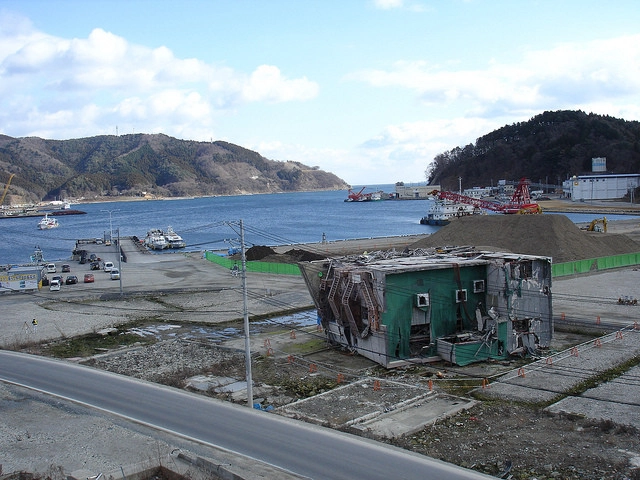
Almost 3 years after the earthquake and tsunami that devastated the North-East coastline of Japan, this article on Arcspace examines the current - unsettling - state of rebuilding in the Tōhoku region. According to former residents and architects working for Architecture for Humanity, plans neither address what the people want nor sufficiently provide protection in the event of a similar disaster. Furthermore, with Japan now preparing for the 2020 Olympics, it seems the Tōhoku region is being neglected. Read more on the story here.
The most recent Architecture for HumanitySendai relief update comes just in time to celebrate AFH’s 12th Birthday. We here at ArchDaily want to wish AFH a Happy Birthday and thank them for the 12 years of innovation and service they have provided our communities and the profession.
Design Open Mic, led by Cameron Sinclair and Chapters Coordinator Frederika Zipp, updated staff and attendees on their current relief efforts in response to the Sendai earthquake in Japan. Currently a Program Advisory Board has been assembled and Architecture for Humanity is continuing to focus their efforts on developing a rebuilding strategy and implementation process.