1. ArchDaily
  2. Sasaki Associates

Sasaki Associates: The Latest Architecture and News

Sasaki Unveils Design for Sunqiao, a 100-Hectare Urban Farming District in Shanghai

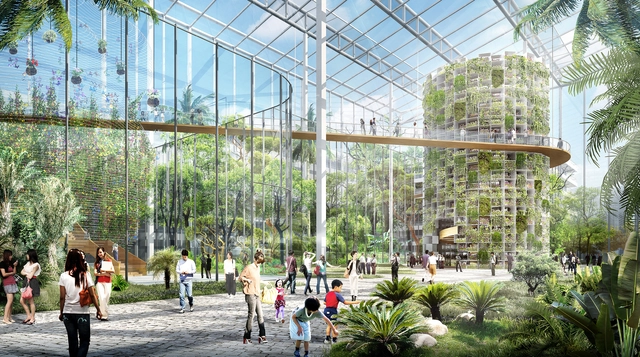
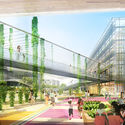
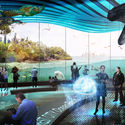
With nearly 24 million inhabitants to feed and a decline in the availability and quality of agricultural land, the Chinese megacity of Shanghai is set to realize the Sunqiao Urban Agricultural District, a 100-hectare masterplan designed by US-based firm Sasaki Associates. Situated between Shanghai’s main international airport and the city center, Sunqiao will introduce large-scale vertical farming to the city of soaring skyscrapers. While primarily responding to the growing agricultural demand in the region, Sasaki’s vision goes further, using urban farming as a dynamic living laboratory for innovation, interaction, and education.

Sasaki Unveils Design for Sunqiao, a 100-Hectare Urban Farming District in Shanghai - SustainabilitySasaki Unveils Design for Sunqiao, a 100-Hectare Urban Farming District in Shanghai - SustainabilitySasaki Unveils Design for Sunqiao, a 100-Hectare Urban Farming District in Shanghai - SustainabilitySasaki Unveils Design for Sunqiao, a 100-Hectare Urban Farming District in Shanghai - SustainabilitySasaki Unveils Design for Sunqiao, a 100-Hectare Urban Farming District in Shanghai - More Images+ 12

Bruce C. Bolling Building by Mecanoo and Sasaki Wins 2017 Harleston Parker Medal

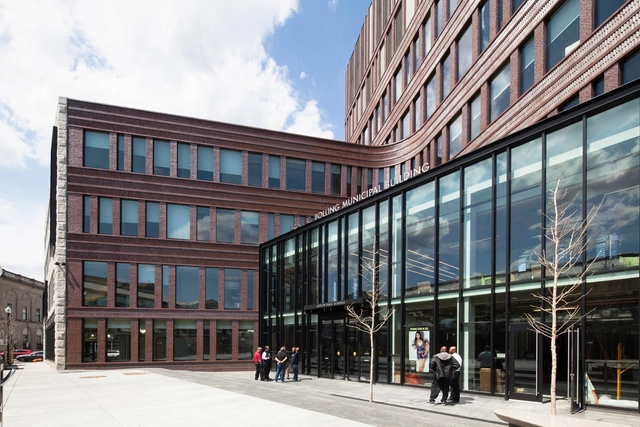
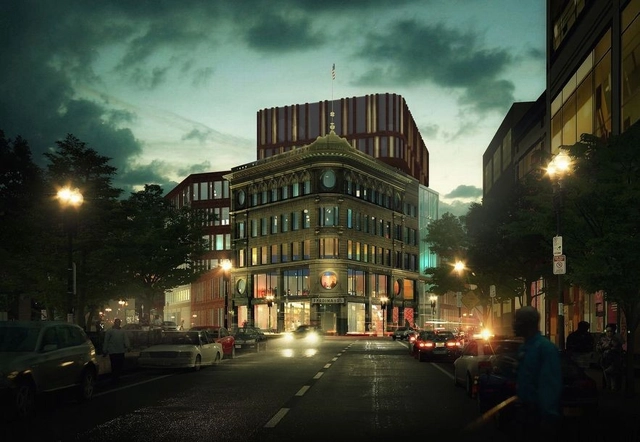
The Boston Society of Architects (BSA) has announced announced Mecanoo and Sasaki as the winners of the 2016 Harleston Parker Medal for their design of the Bruce C. Bolling Municipal Building. Awarded each year by the BSA and the City of Boston, the prestigious award honors “the single most beautiful” building or structure built in the metropolitan Boston area over the past 10 years.

SOM, LMN Architects Among Winners of AIA Urban Design Honor Awards

In addition to the 18 architectural projects selected as recipients of the 2017 Institute Honor Awards, the American Institute of Architects (AIA) have also named 5 projects as winners of the 2017 Institute Honor Awards for Regional & Urban Design.

Sasaki’s "Forest City" Master Plan in Iskandar Malaysia Stretches Across 4 Islands

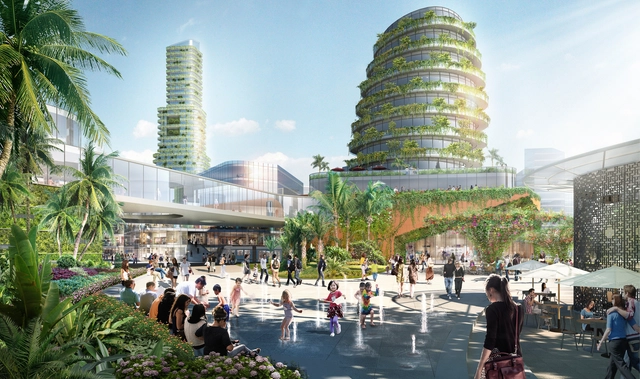
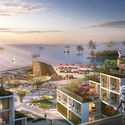
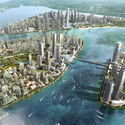
Located on four man-made islands in Iskandar Malaysia, “Forest City” is set to be South-East Asia’s largest, mixed use green development. Designed by Sasaki Associates, the master plan has an estimated investment of S$58.3 billion (US$40.9 billion) and is expected to bring around 220,000 jobs to the area. Located near the economic centers of Southeast Asia, the new Forest City is ideally placed to become a hub of commerce and culture. Designed to encourage live/work culture, it is composed of “financial institutions, high-tech research and development facilities, headquarter offices, and a variety of creative industries that establish an innovative and sustainable employment base for the region,” write the architects. Read more after the break.

Sasaki’s "Forest City" Master Plan in Iskandar Malaysia Stretches Across 4 Islands - SustainabilitySasaki’s "Forest City" Master Plan in Iskandar Malaysia Stretches Across 4 Islands - Sustainability, Balcony, Cityscape, CoastSasaki’s "Forest City" Master Plan in Iskandar Malaysia Stretches Across 4 Islands - Sustainability, Cityscape, CoastSasaki’s "Forest City" Master Plan in Iskandar Malaysia Stretches Across 4 Islands - Sustainability, CoastSasaki’s Forest City Master Plan in Iskandar Malaysia Stretches Across 4 Islands - More Images+ 18

A Walk Along the Bayou: An Award-Winning Proposal Aims to Reinvent Houston’s River

A Walk Along the Bayou: An Award-Winning Proposal Aims to Reinvent Houston’s River - Featured Image
02 Mile Aerial Perspective - Downtown. Image Courtesy of UH College of Architecture

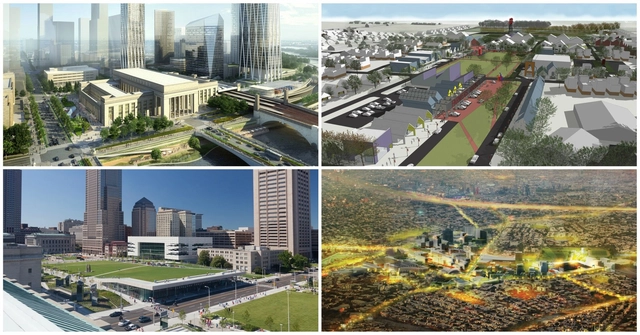
Nearly 9,000 kilometers separate Venice, Italy from Houston, Texas, and yet, both cities are bound by a simple connection: the coexistence of the urban fabric with the waterfront. This connection was brought to life this summer through The University of Houston’s exhibition at the Venice Architectural Biennale's Time Space Existence Event: RISKY HABIT[AT]: DYNAMIC LIVING ON THE BUFFALO BAYOU. Awarded the Global Art Affairs Foundation (GAAF) Award for Best Exhibition, the exhibition showcased the complexities and potential of the city's relationship with its waterfront. To better understand Houston’s waterfront and the changing relationship between the city and its river we visited the site ourselves. Read after the break to see what it’s like to talk a walk along the Bayou, and to find out what the Houston river project can learn from similar undertakings in Chicago, Des Moines, and Newark.

A Walk Along the Bayou: An Award-Winning Proposal Aims to Reinvent Houston’s River - Image 1 of 4A Walk Along the Bayou: An Award-Winning Proposal Aims to Reinvent Houston’s River - Image 2 of 4A Walk Along the Bayou: An Award-Winning Proposal Aims to Reinvent Houston’s River - Image 3 of 4A Walk Along the Bayou: An Award-Winning Proposal Aims to Reinvent Houston’s River - Image 4 of 4A Walk Along the Bayou: An Award-Winning Proposal Aims to Reinvent Houston’s River - More Images+ 45

It's "Time For Strategic Architecture"

In an article for the New York Times, Alexandra Lange discusses a number of US projects which are "transforming, but not disrupting," their respective communities. In this vein, she cites Mecanoo and Sasaki Associates' new Bruce C. Bolling Municipal Building in Roxbury, Boston, as a prime example of a new kind of architecture which "comes from understanding of past civic hopes, redesigning them to meet the future." Examining some of the key concepts that make for successfully integrated community buildings, such as the creation of spaces that actively forge personal connections, Lange concludes that perhaps it is now "time for strategic architecture."

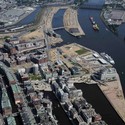
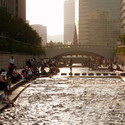
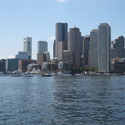
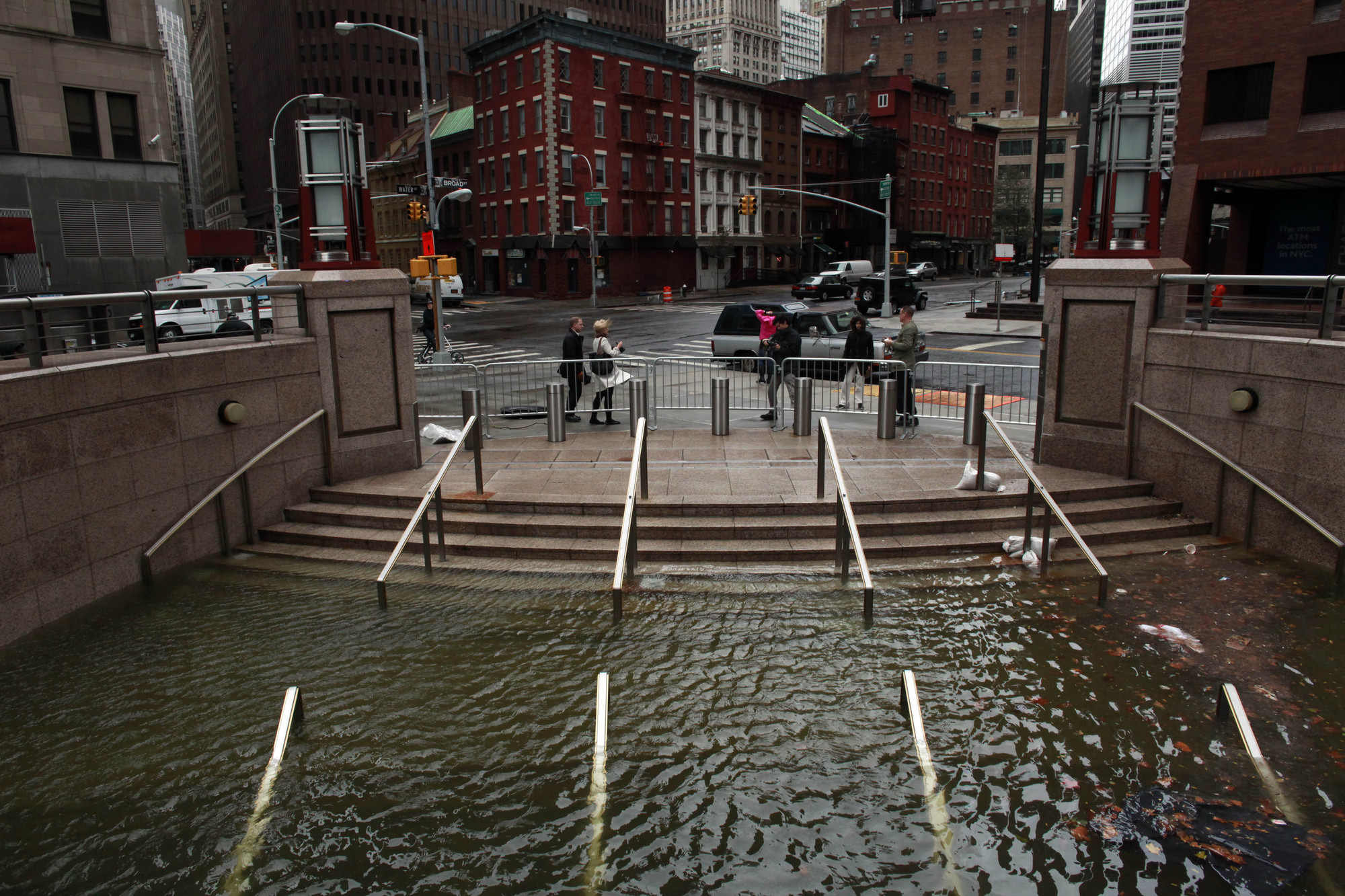
Case Studies in Coastal Vulnerability: Boston, Seoul, Hamburg, Bangladesh & New York

Subscriber Access | 

This article originally appeared in the latest issue of ArchitectureBoston as “Troubled Waters."

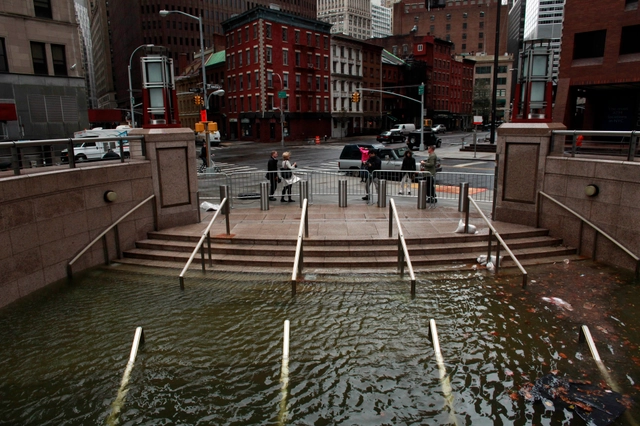
The challenges of sea-level rise cross boundaries of all sorts: geographic, political, social, economic. Proposed mitigation strategies will also necessarily shift and overlap. Here, we present five case studies from across the globe that offer intriguing ways—some operational, some philosophical—to address the threats associated with climate change. Drawing on a research initiative focused on vulnerabilities in Boston, a team at Sasaki Associates developed these additional design-strategy icons to illustrate the layered approaches. They are adaptable, the better to meet the unique demands of each coastal community.

Case Studies in Coastal Vulnerability: Boston, Seoul, Hamburg, Bangladesh & New York - Image 1 of 4Case Studies in Coastal Vulnerability: Boston, Seoul, Hamburg, Bangladesh & New York - Image 2 of 4Case Studies in Coastal Vulnerability: Boston, Seoul, Hamburg, Bangladesh & New York - Image 3 of 4Case Studies in Coastal Vulnerability: Boston, Seoul, Hamburg, Bangladesh & New York - Image 4 of 4Case Studies in Coastal Vulnerability: Boston, Seoul, Hamburg, Bangladesh & New York - More Images+ 6

Masterplan for National Creative Cluster / Sasaki Associates

Subscriber Access | 
Masterplan for National Creative Cluster / Sasaki Associates - Image 15 of 4
Courtesy of Sasaki Associates

The masterplan for the National Creative Cluster by Sasaki Associates integrates the urban form with the surrounding landscape by creating a series of green wedges, interspersed within the urban clusters and forming a series of community parks. Located near Songzhuang, a quiet village on the outskirts of Beijing, the success of the district is tied to its openness, where people can interact in both structured and spontaneous ways to exchange ideas and have constructive dialogue. More images and architects’ description after the break.

Water Works Park / Sasaki Associates

Subscriber Access | 
Water Works Park / Sasaki Associates - Image 7 of 4
Courtesy of Sasaki Associates

Sasaki Associates, with RDG Planning & Design and Applied Ecological Services (AES), were recently announced as the winning team of the Water Works Parkitecture Competition. The international design competition entailed the creation of a conceptual plan for Water Works Park to form dynamic relationships between the river, the watershed, and the community. Education and the connection between the river and the community were highly stressed in Sasaki’s winning proposal. More images and architects’ description after the break.

A Vision Plan for the Dead Sea / Sasaki Associates

Subscriber Access | 
A Vision Plan for the Dead Sea / Sasaki Associates - Image 24 of 4
View towards Dead Sea

The detailed master plan for the Jordan Development Zones Company (JDZ) by Sasaki Associates encompasses 40 square kilometers of land along the north and east coast of the historic Dead Sea. Over the past 15 years, the Kingdom of Jordan has focused on a balanced approach towards development and preservation in order to capitalize on increased tourism and to provide improvements to local existing communities. In 2008, a development authority was created to establish a detailed master plan as a sustainable framework for existing committed lands, future development parcels, infrastructure provisions, and natural resources protection. The resulting master plan establishes a comprehensive and site specific approach to the social, economic and environmental sustainability issues facing this stunning setting. More images and project description after the break.