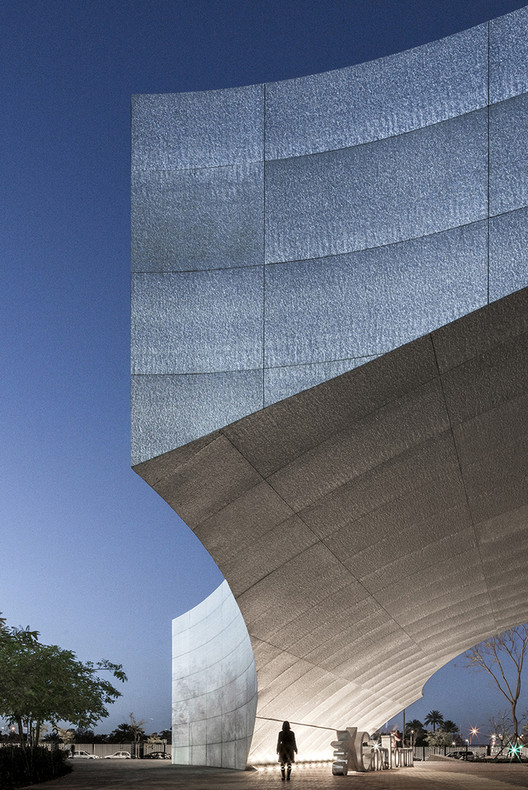
Modular coatings for facades and enclosures typically deliver fast and efficient solutions. However, many times they lack richness and character since they are repeated infinitely, without relating to the architectural design and its different functions and requirements.
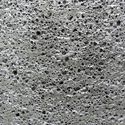
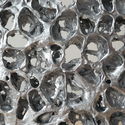
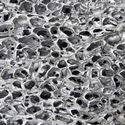
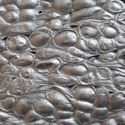
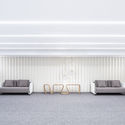
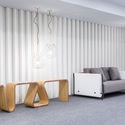
These aluminum foam panels are manufactured through an air injection process in molten aluminum, which contains a fine dispersion of ceramic particulate. These ceramic particles stabilize the air bubbles, and create aluminum foam panels which provide an interesting level of detail and variability, generating unique facades with different levels of texture, transparency, brightness, and opacity. These ultralight panels can be used as flat architectural sheets, are 100% recyclable and available in standard sized formats up to 3.66 meters long (custom longer panels also available).
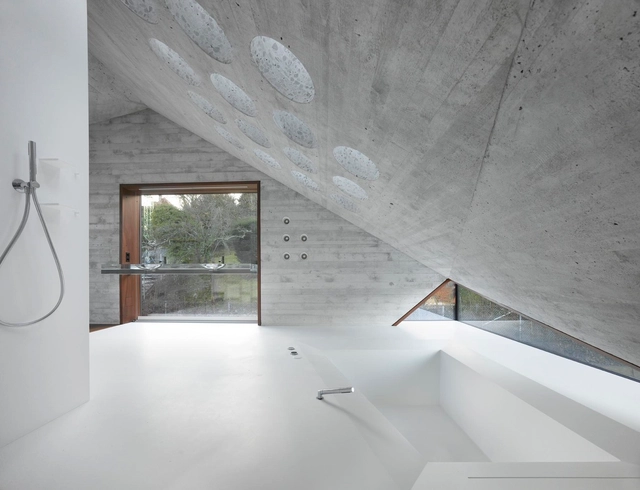
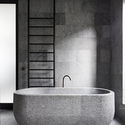
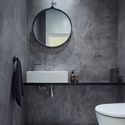
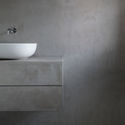
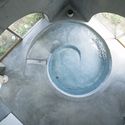
Béton brut or "raw concrete" is a naturally porous material that provides many advantages for the design and build of a bathroom. As a waterproof and pressure-resistant material, it is easy to clean, doesn't deteriorate, prevents bathroom fungus and is low maintenance. Attractive as it is functional, concrete is versatile for both on-site furniture and wall coatings, floors and even shower trays. In addition, due to its thermal mass, concrete is an excellent material for floor heating.
Pro Tip: There are a variety of concrete finishes, but for the safety of daily bathroom users, you must add a surface sealer and a certain percentage of traction to avoid slippage.
Below, we've compiled 26 concrete bathrooms that find intimacy in béton brut.
This collection is one of many interesting content groupings made by our registered users. Remember you can save and manage what inspires you on ArchDaily account. Create yours here.
https://www.archdaily.com/914939/best-concrete-bathrooms-brutalism-in-intimate-spaceMartita Vial della Maggiora
Architects' general ignorance about the needs and requirements of people with special needs is worrisome. Beyond complying with mandatory regulations (different in each country), the quality of life for different-abled people depends on specific and daily factors that go beyond a railing or a ramp, and are often left in the hands of professionals who have never dealt with such issues.
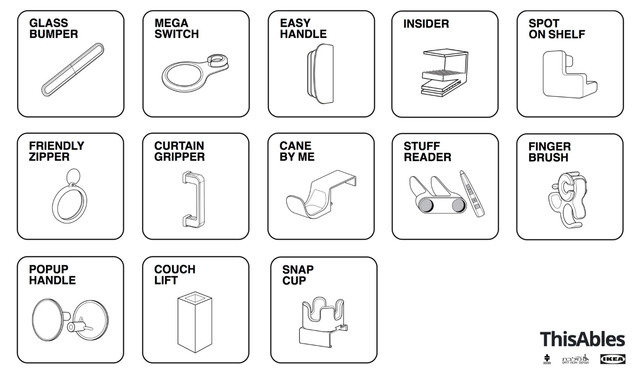
This Ables, a project developed by IKEA and the non-profit organizations Milbat and Access Israel, provides an excellent resource for how to create an equitable design in the smallest and simplest of details. From door handles that are can be opened with a forearm to a couch lift that enables users to sit down and get up easily, these 13 products are available to the general public on ThisAbles.com. Some products can even be 3D-printed independently.
See the video below for more details of the project.
Back in 2008, ArchDaily embarked on a challenging mission: to provide inspiration, knowledge, and tools to the architects tasked with designing cities. In an effort to further align our strategy with these challenges, we recently introduced monthly themes in order to dig deeper into topics we find relevant in today’s architectural discourse. From architects who don't design to reframing climate change as a global issue, we are celebrating our 11th birthday by asking 11 editors and curators to choose ArchDaily's most inspiring articles.
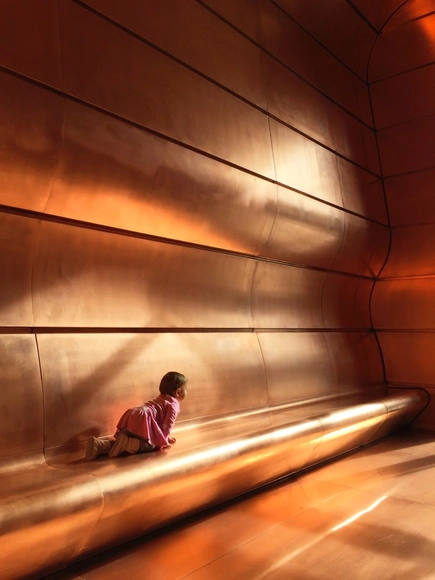
This renovation project by Peter Ebner and friends ZT GmbH is about the history of a place and changing tastes and times. It is about not needing a large scale to radically improve the space around. It is about the beauty and character of the city with its reflected sparkling life, gloomy evening sky, raindrops and lights of passing cars. It is about people who are mostly in a hurry, but who still sometimes stop for a few seconds to take note of a special, glittering room.
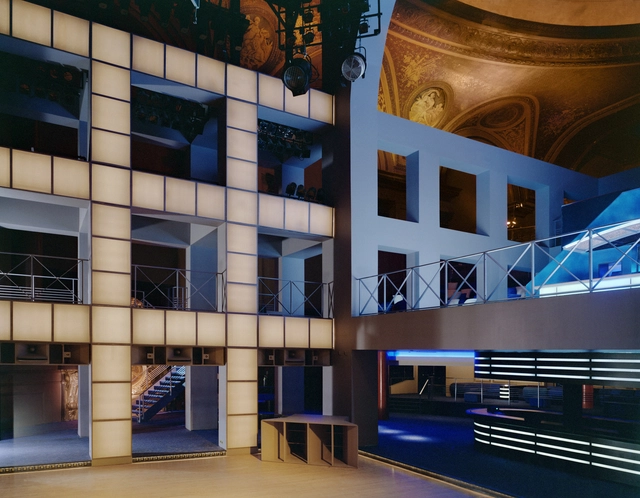
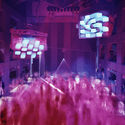
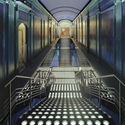
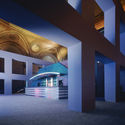
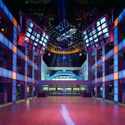
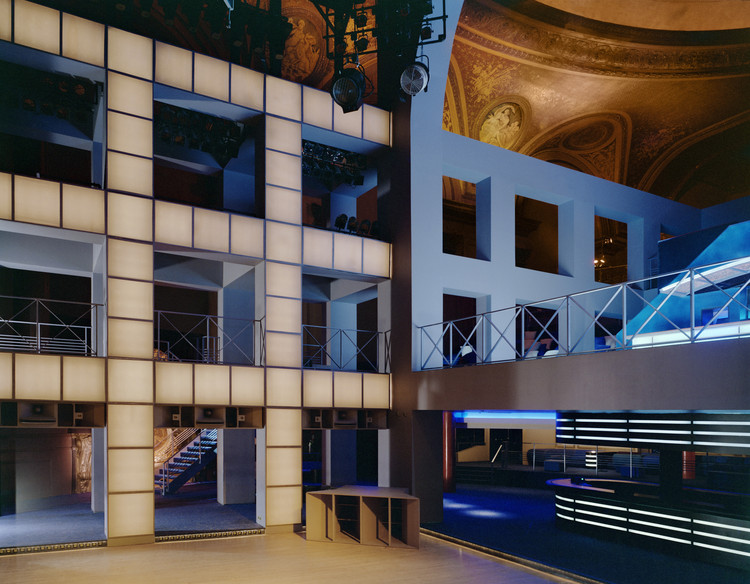
In May 1985, an old theater and concert hall opened its doors to the public for the opening of a brand new nightclub in New York City. Located on 126 East 14th Street, the project was commissioned by entrepreneurs Steve Rubell and Ian Schrager, owners of the also famous club Studio 54, and was conceived as a vibrant and luminous independent structure arranged inside a rather classic shell, which appears as a beautiful backdrop behind the clean geometry of Isozaki.
As The New York Times pointed out in its May 20, 1985 edition: 'Arata Isozaki is at once a great eminence of Japanese architecture and a source of some of its freshest thinking. And all sides of Mr. Isozaki are visible in the Palladium'.
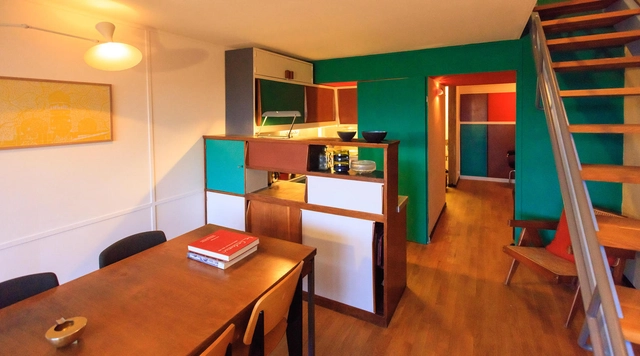
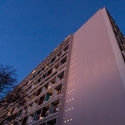
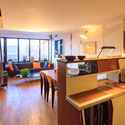
Mohr purchased the apartment in 2016 and embarked on a journey of demolition, measurement, and extensive renovation including lowering ceilings and moving walls in order to recreate the interior likely envisioned by Le Corbusier.
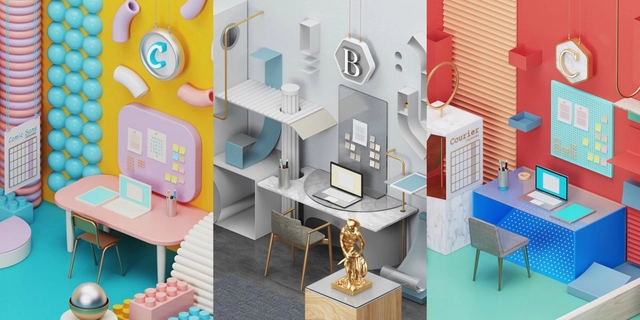
As many architects know, fonts have their own personality - so to use them as inspiration for office decors isn’t as crazy as you might think. Typography has the ability to instantly tell a narrative to the reader before needing to read the words, hence why we can take the decision-making behind which font to use in a project or scheme very seriously. They can hold the utmost importance in graphic design and architecture, as we often find ourselves displeased if the font is inefficient or disproportionate (take comic sans for example).
Seven unique, iconic fonts have been used as a base for each of the interior design projects below. Using their heritage, connotations, and style of the typography, HomeAdvisor have stylised each of the rooms to embody their identities and make us question their character.
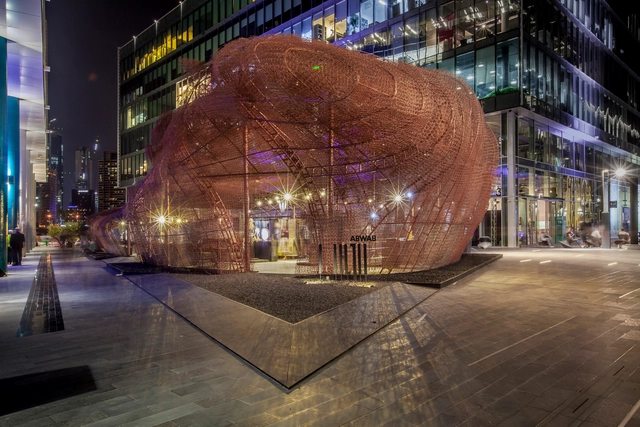
A commitment to the environment is at the core of Fahed + Architects philosophy, so it was necessary to create a structure out of 100% recyclable material from the local waste management company, Bee’ah. The outer skin of the pavilion is a mesh of entwined bedsprings that naturally lends itself to an organic form, floating amongst the surrounding buildings.













.jpg?1551976274&format=webp&width=640&height=580)





.gif?1521085238)
.jpg?1521083782 "© Zhi Xia")
.jpg?1521083906 "© Zhi Xia")
.jpg?1521083730 "© Zhi Xia")
.jpg?1521083823 "© Zhi Xia")
.jpg?1521083772)