As the technical requirements of building envelopes have evolved, fire performance has become a key criterion in the design of ventilated facades. Given this situation, analyses no longer focus solely on the individual reaction of materials, but also on the joint response of the entire building envelope under possible scenarios of external fire propagation.
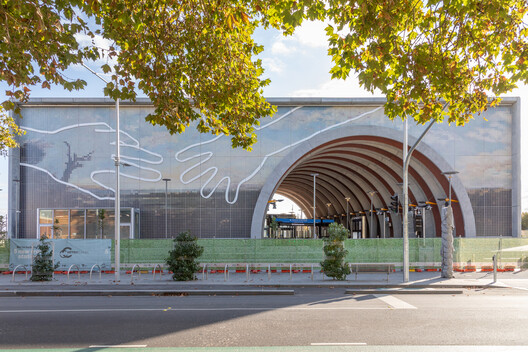
The new Arden Station in Melbourne goes beyond its functional role as a transportation hub. Opened as a key component of the Metro Tunnel project, the station expands the city's rail infrastructure by relieving pressure on other lines and improving service frequency and, at the same time, establishes itself as a defining element in the urban transformation of Melbourne's northern precincts. Located on a former industrial site undergoing revitalization, it anchors the future development of a new district projected to accommodate up to 34,000 residents and 15,000 jobs in the coming decades.
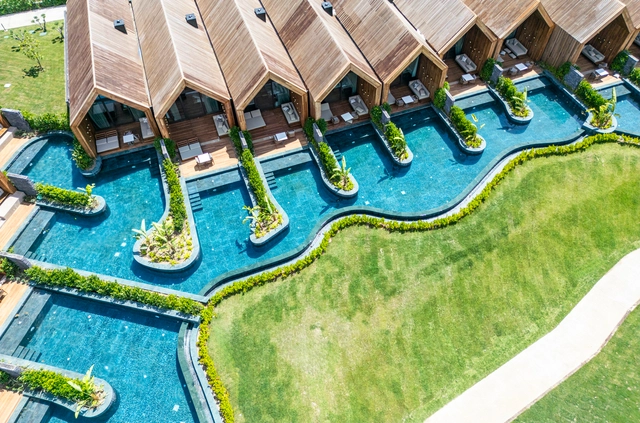
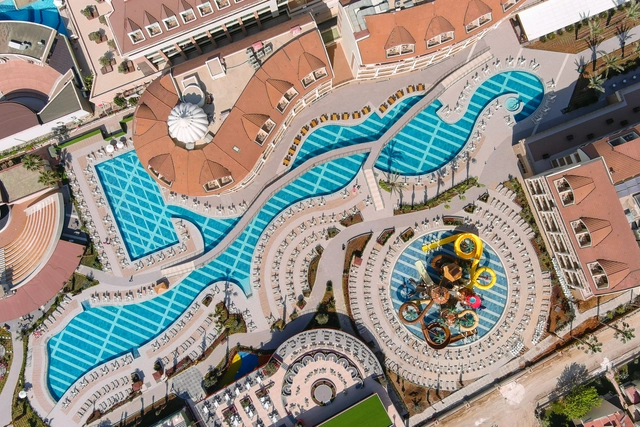
Pools have always symbolized luxury, leisure, and social interaction. Beyond their aesthetic appeal—where water dances across textures, movements, and reflections—they also serve functional purposes, providing relaxation, exercise, and entertainment. Their history dates back over 5,000 years to the Great Bath of Mohenjo-Daro in the Indus Valley (modern-day Pakistan), possibly used for rituals and communal practices. Later, the Greeks and Romans refined the concept, creating elaborate pools for bathing, sports, and social gatherings. The famous Roman baths, often heated and adorned with intricate mosaics, laid the foundation for modern spa and wellness culture, reinforcing the relationship between architecture, water, and quality of life.
During the Renaissance, pools were primarily associated with elite properties, but by the late 19th and early 20th centuries, public pools became more common, driven by urbanization and the promotion of hygiene. The rise of Olympic swimming competitions in the early 1900s further popularized the concept, leading to increased construction of both private and competitive pools worldwide. Today, pools continue to evolve, incorporating advanced materials and designs that enhance safety and sustainability. Whether for recreation, aesthetics, or well-being, pools remain a central element of modern architecture and lifestyle.
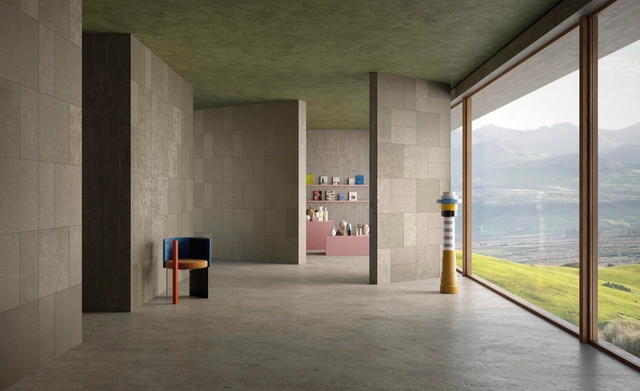
A surface does more than simply cover a space—it transforms it, infusing personality, rhythm, and soul. It evolves from being a mere backdrop to becoming an active element that shapes the atmosphere through the interplay of material, form, and light. The balance of the touch, the thickness, incisions, tones, and luminous reflections can transform surfaces into sensory experiences. Textures can evoke stability or lightness, grooves introduce dynamism, colors define moods, and light sculpts depth and movement. Ceramic, with its aesthetic and functional versatility, is particularly well-suited to this role, offering architects a broad palette of creative possibilities.
Serapool, a leading brand in porcelain pool tiles and complementary porcelain products, has been innovating and producing sustainable design solutions for residential, spa and wellness centers, hotels, water parks, and Olympic-size pools globally for 40 years. The brand's holistic approach to pool design has led to a comprehensive porcelain collection that includes pool tiles, stair nosings, pool copings, porcelain pool grates, infinity tiles, concealed overflow handles, terrace nosings, and rain channels. With years of expertise in the industry, the company stands as a leading example of innovation, consistently delivering safe and long-lasting products.
When it comes to buildings, there are several factors that contribute to creating something truly luxurious: attention to detail, use of premium, high-quality materials, and unique designs. Lately, the environmental impact of building decisions has also entered heavily into this equation, and the development of a luxury project requires all steps and products to take sustainability into account. At One Za'abeel, the new addition to the Dubai skyline, the careful choice of all solutions, manufacturers and surfaces had a direct influence on the final look and atmosphere of the building, which aims to be an urban landmark and raise the standard of buildings in the UAE.
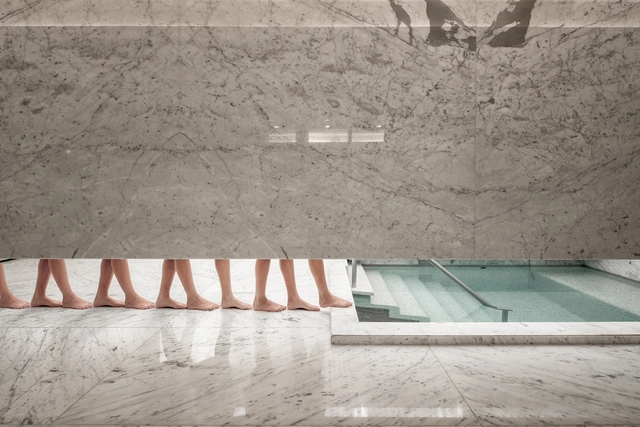
The skin absorbs matter, and the world is contemplated, touched, heard, and measured through our bodily existence. Juhani Pallasmaa, a Finnish architect known for propagating sensory architecture, defends the notion that, unlike vision, touch is the sense of proximity, becoming a main axis by covering the entire body. It is a fact that, when speaking of touch, the first image that comes to mind is usually contact with hands. However, there are other ways to feel architecture that can be developed in projects, such as the touch of bare feet on a particular surface.
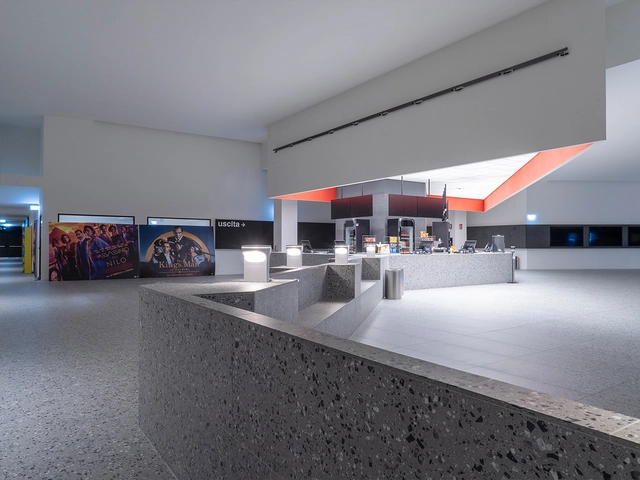
Arcadia Cinema / DW9. Image Courtesy of Iris Ceramica Group
In the context of the pandemic, where several businesses were forced to close temporarily, movie theaters across the world were among the most affected. Fast forward more than two years later, and the lingering effects of COVID-19 are still present, marking a turning point in the traditional cinema experience. But even as attendance is still not close to pre-pandemic levels, certain segments of moviegoers are enjoying the benefits of the giant screen, comfortable seats, massive speaker systems and theater snacks.
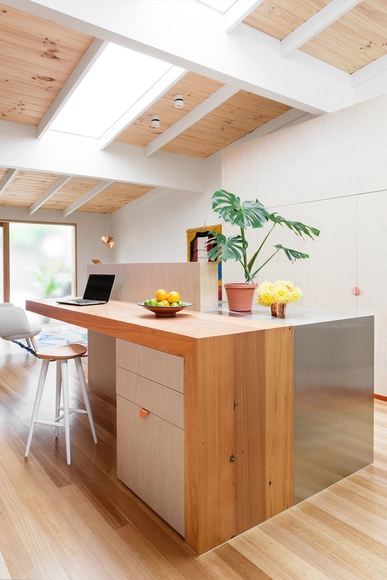
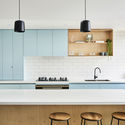
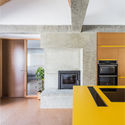
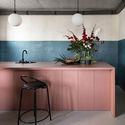
One of the most practical and functional spaces of any residential project is the kitchen. Its artificial surfaces – be it countertops, kitchen benches, or coverings – contain most of the space's equipment. Thus, it’s essential to build kitchens with the most resistant and hygienic materials. Aside from these requirements, it's also important to pay attention to aesthetics and profitability, while adapting the space to the dynamics of each family.
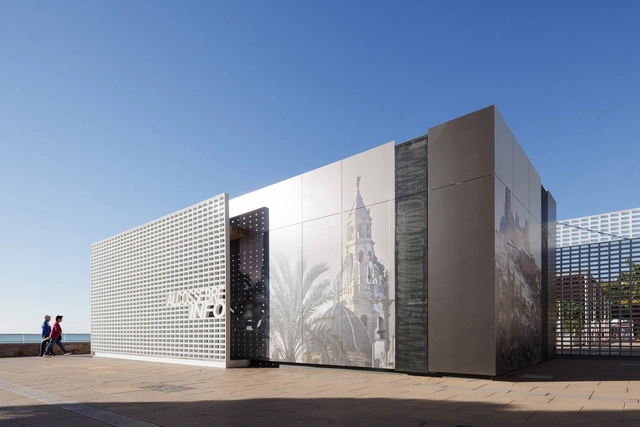
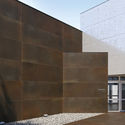
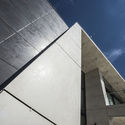
The ventilated façade is a construction solution that uses a double enclosure distanced from each other by a support structure to generate an air chamber for ventilation. This operation creates a chimney effect that activates air currents by convection, improving the acoustic and thermal insulation of the building, and increasing its energy efficiency.
Due to its nature and manufacturing, the 3.5 mm porcelain tile is a great choice for ventilated façade cladding. Its high resistance to weathering, dimensional stability, and lightness reduce the support structure requirements. It weighs 3 times less than a traditional porcelain tile and allows large formats, up to 3.6 meters, reducing the number of joints. It also delivers high color stability, impact resistance, and low maintenance over time.
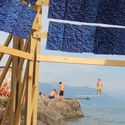
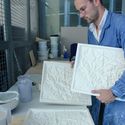
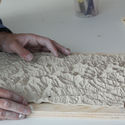
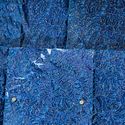
The Pavilion d’Eau, designed by EPFL architecture student Alexander Wolhoff, was constructed in Lake Geneva, Switzerland. The pavilion is a product of six months of research, prototyping, and coordination with different local and academic organizations done in conjunction with LHT3 labs. The exterior of the octagon pavilion has a structural aesthetic, while the interior -- only accessed by wading in the water -- is ornamental, clad in handmade ceramic tiles.
The UNESCOWorld Heritage Site municipality of Saint-Saphorin en Lavaux allowed for the temporary pavilion in the waters of Lake Geneva. The project is designed to touch the landscape lightly, not affecting the natural lake bed. The pavilion is comprised of materials including lake stones, wood, and porcelain tiles. To ensure a minimal and reversible impact on the site, the footings of the pavilion are made of seven gabions, metal cages filled with stones collected from the lake.





-5.jpg?1556247201 "Cortesía de CHC")