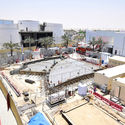
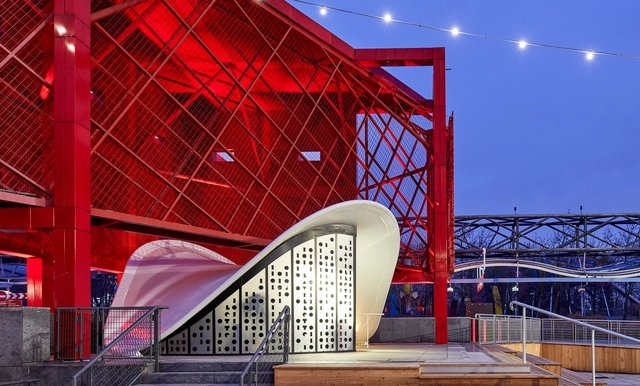
Bernard Tschumi's HyperTent, a hyperbolic paraboloid structure, is the latest addition to the iconic Parc de la Villette. Prompted by the opening of L'Espace Chapiteaux, a space for contemporary circus performances, the new ticket booth located on the podium of Folie L4, originally a music venue, carefully negotiates its presence within the context. The morphology of the project allows for the two structures to coexist without interfering. At the same time, the materiality of the HyperTent makes for an iconic presence in juxtaposition with the adjacent folie.
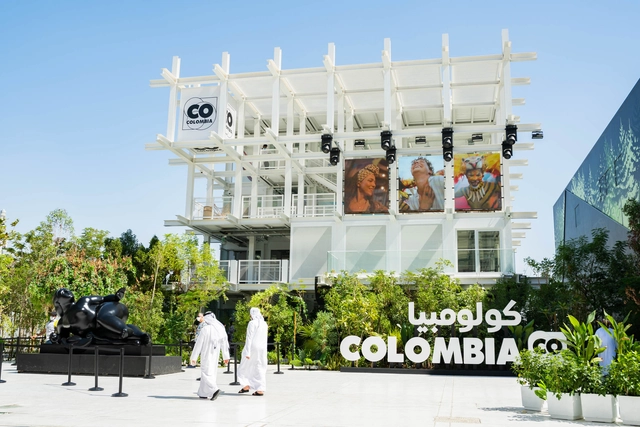
The ColombiaPavilion at Expo 2020 Dubai is thought of as an artefact with the ability to tell the past, present and future stories of the country's culture through its music. Supported by its geography and its cities, the pavilion designed by Pacheco Estudio de Arquitectura intersperses dense vegetation with water, representing the great biodiversity of its plant and animal world, and is composed of a reticular structure in three dimensions symbolising the urban centres that are constantly growing.
By proposing a route from the vegetable and aquatic floor to the open ceiling, the artefact is quickly identifiable from a distance and seeks to remain in the memory of those who visit it as a fresh, open space that reveals itself to all and finds itself in constant development.
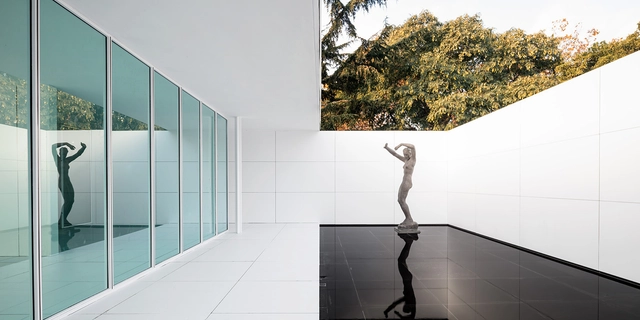
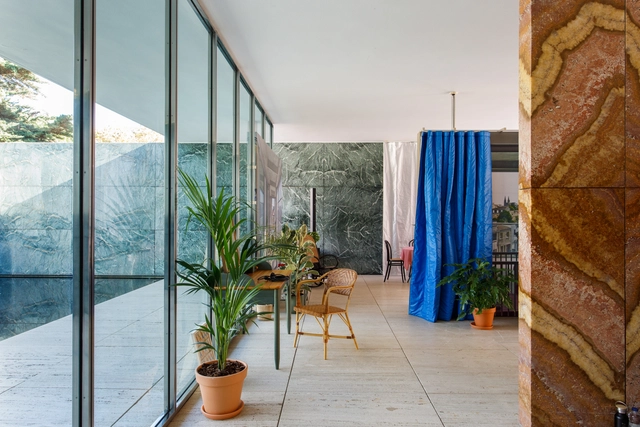
In 1929, Ludwig Mies van der Rohe and Lilly Reich design the German National Pavilion for the 1929 Barcelona International Exhibition. The official reception for the exhibition was held there, presided over by King Alfonso XIII and the German authorities. From then on, the story is well known to everyone. A symbolic work of the Modern Movement, the Pavilion has been extensively studied and interpreted, and has inspired the work of several generations of architects.
Over the past year, NFTs have entered the realm of architecture, prompting conversations over the role of the profession in the future digital economy. From the design of digital real-estate to exhibitions and architecture events exploring its value for the practice and established architecture firms embracing the new medium, NFTs have been embraced by the profession as the promise of a new form of creative production. Discover a round-up of architecture's experiments with NFTs so far, together with a series of Archdaily articles shedding light on the topic.
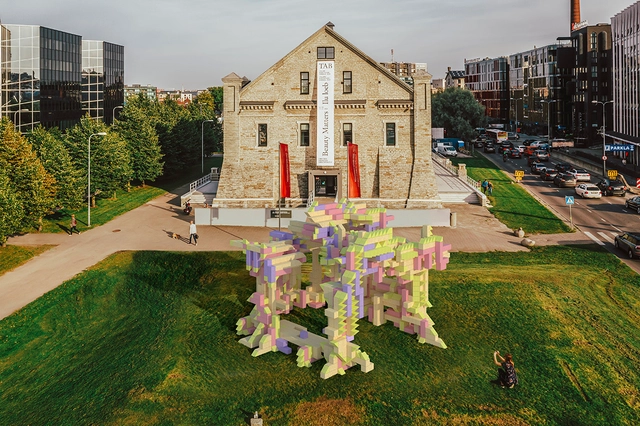
Due to unexpected circumstances, The Tallinn Architecture Biennale announced a new winning proposal for its Installation Programme Competition: Fungible Non-Fungible Pavilion by iheartblob, a new "decentralized and systematic" approach towards architectural design which allows the community to be both designers and investors, contributing to a structure that evolves over time. TAB 2022 will take place during September – October 2022, with the opening week on the 7th–11th of September.
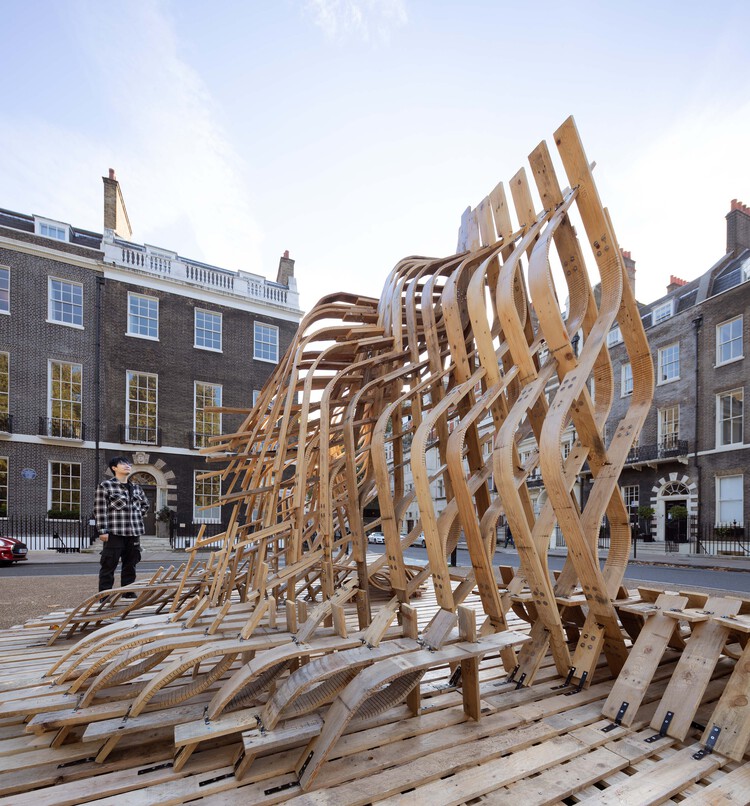
In collaboration with architecture practice Hassell, Architectural Association's Association's Emergent Technologies and Design (EmTech) programme created a reclaimed wood pavilion, exploring the convergence of computational design, new construction technologies, and material reuse. Titled Re-Emerge, the project addresses the issue of limited material resources, exploring the architectural potential of material recycling in the context of generative design.
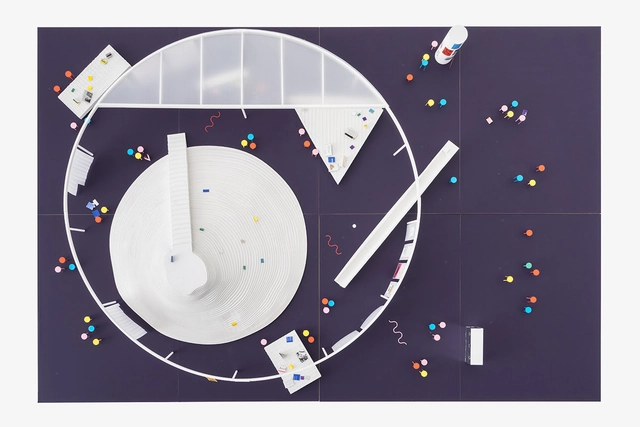
EU Pavilion, a research practice exploring the relationship between architecture and European institutions, presents eight proposals for the first European Pavilion at the Venice Biennale. European architectural and artistic practices were invited by curators Anna Livia Friel, Marco Provinciali, Benjamin Gallegos Gabilondo, Nicolò Ornaghi and Francesco Zorzi to reimagine the national pavilion, the defining spatial and symbolic paradigm of the Biennale. The speculative project aims to explore architecture’s potential in supporting the European project and helping define the identity of this culturally diverse transnational organization.
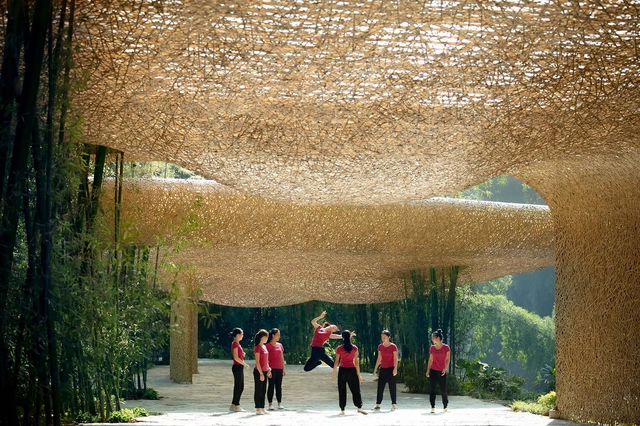
Bamboo is a very resistant, versatile, and sustainable natural building material, which can be used to build structures and decorative elements. This article explores its diverse applications in a selection of projects for public spaces.
The Build Better Now virtual pavilion opened to the public during COP26, showcasing seventeen sustainable projects that demonstrate the built environment's opportunities for addressing the climate crisis. The initiative, run by UK Green Building Council, comes as a global call for climate action, highlighting the AEC's industry's commitment to sustainable practice on a worldwide stage, particularly since this year the COP26 dedicated a day to buildings and cities.
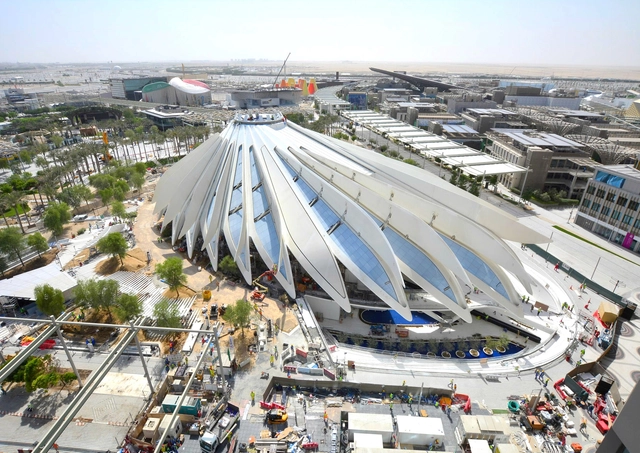
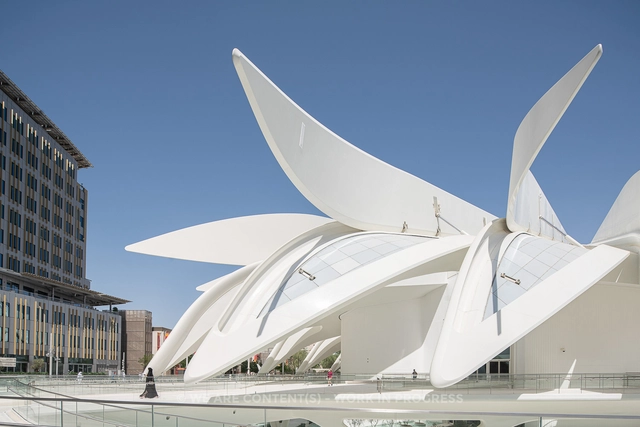
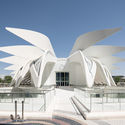
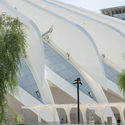
A "symbolic interpretation of the flow of movement", Calatrava’s design for the UAE Pavilion at the 2020 Expo Dubai is a 15,000 square meters immersive and multisensory experience. Images recently shot by Stephane Aboudaram highlight a structure of 28 automated cantilevered wings, that open and rotate at a range of 110 and 125 degrees. Moreover, these photos also show a central skylight, that mimics the logo of this year’s expo.
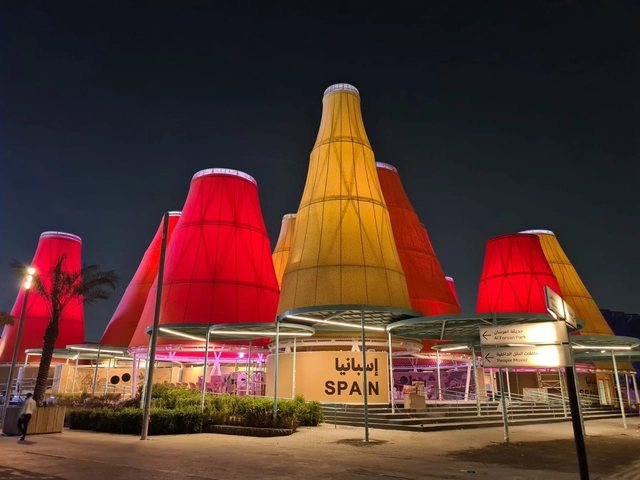
Under the motto of 'Intelligence for life', the Spanish Pavilion at the 2020 Expo in Dubai seeks to synthesize "our ingenuity, our creativity and our innovative capacity as essential tools to preserve life and biological diversity as well as to build a sustainable future". The architectural project entrusted to the studio Amann-Cánovas-Maruri is located in the "Sustainability" thematic area, close to what will undoubtedly be one of the largest meeting points: Al Wasl Square and the UAE Pavilion designed by Santiago Calatrava.
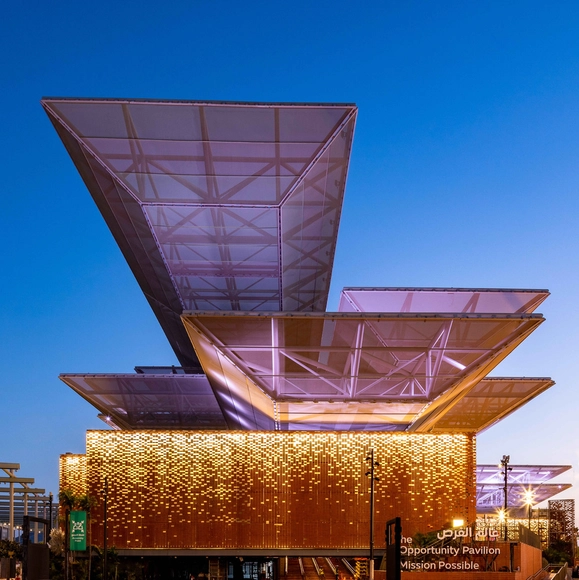
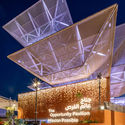
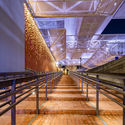
Designed by AGi Architects, Mission Possible, Expo 2020 Dubai's Opportunity Pavilion offers social and cross-cultural engagement through a universal and urban platform. Opportunity is one of the three main themes of this year's expo, alongside Sustainability and Mobility, which explore how we can "unlock the potential of individuals and communities, highlighting that each of us has a role to play in creating positive change". The structure resembles a large public plaza with a universal architectural identity since the feature has transcended generations, cultures, and eras.
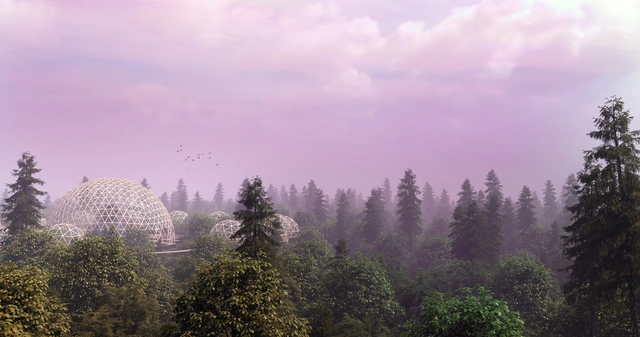
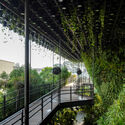
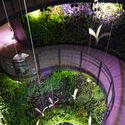
The SingaporePavilion for Expo 2020 Dubai illustrates the city's aspiration towards a sustainable future that merges architecture, nature, technology and culture. Under the title "Nature.Nurture.Future", the pavilion designed by WOHA Architects and landscape design practice Salad Dressing showcases a sample of Singapore's urban environment that epitomizes its City in Nature vision. The multi-layered green space creates a self-sufficient ecosystem highlighting ideas of sustainability and resilience through the marriage of technology and nature.
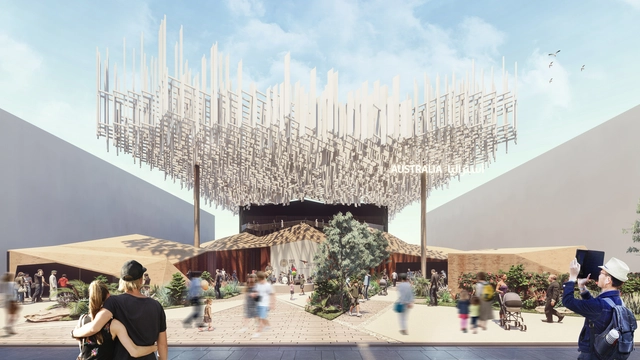
Brisbane-based architecture firm bureau^proberts has unveiled its design for the Australian Pavilion at Expo 2020 in Dubai, UAE. The pavilion serves as a cultural contribution with large social space that translates Australia’s distinctive landscape and skies through a cloud-like form suspended over folding timber. The structure "captures the local sensibility" by highlighting the welcoming and warm nature of the Australians through the central and sheltered gathering area.
Skidmore, Owings & Merrill (SOM) has collaborated with University of Michigan Taubman College to create the SPLAM [SPatial LAMinated timber], a robotically-fabricated timber pavilion for the 2021 Chicago Architecture Biennial. The pavilion employs prefabricated framing panels manufactured using robotic technology, and will serve as an open-air education facility and gathering space for a school in Chicago. The pavilion was inaugurated on September 17, with the opening of the Chicago Biennial, and will remain on display until December 18th.
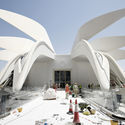
Spanish architect and engineer Santiago Calatrava has unveiled the design of the UAE Pavilion at Expo 2020 in Dubai, UAE. The 15,000 square meters pavilion stands as a "symbolic interpretation of the flow of movement", designed with carefully curated lines and spaces that blend with its surroundings of greenery, shaded arcades, and cantilevered wings. The national monument is set to create an immersive, multisensory experience for visitors from both an architectural standpoint, as well as integrated cinematic features, introducing them to the history, culture, and futuristic innovations of the UAE.
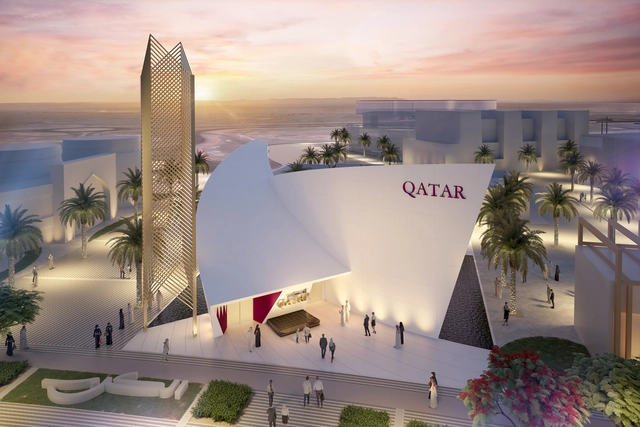
Spanish architect and engineer Santiago Calatrava has unveiled the design of the QatarPavilion at Expo 2020 in Dubai, UAE. The design is inspired by the four elements represented on the Coat of Arms of Qatar and will include two main galleries and exhibition spaces, providing visitors with engaging, inclusive, and interactive environments.




























.jpg?1632206620&format=webp&width=640&height=580)
.jpg?1632206607 "© Kendall McCaugherty © Hall+Merrick Photographers")
.jpg?1632206604 "© Kendall McCaugherty © Hall+Merrick Photographers")
.jpg?1632206620 "© Kendall McCaugherty © Hall+Merrick Photographers")
.jpg?1632206620)