
-
Architects: Benoit Rotteleur Architecte
- Area: 45 m²
- Year: 2020
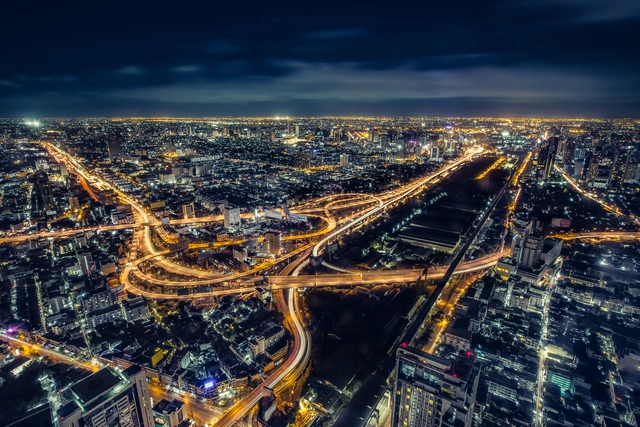
Our cities, vulnerable by nature and design, have generated the biggest challenge that humankind has to face. With the vast majority of the population expected to settle in urban agglomerations, rapid urbanization is going to raise the issue of adaptability with future social, environmental, technological and economic transformations.
In fact, the main problematic of the decade questions how our cities will cope with fast-changing factors. It also looks into the main aspects to consider in order to ensure long-term growth. In this article, we highlight major points that help future-proof our cities and create a livable, inclusive and competitive fabric that adapts to any unexpected future transformation.
Stefan_Tuchila_COPYRIGHTFRE_SOHO__36_K1_6388.jpg?1596477299&format=webp&width=640&height=580)
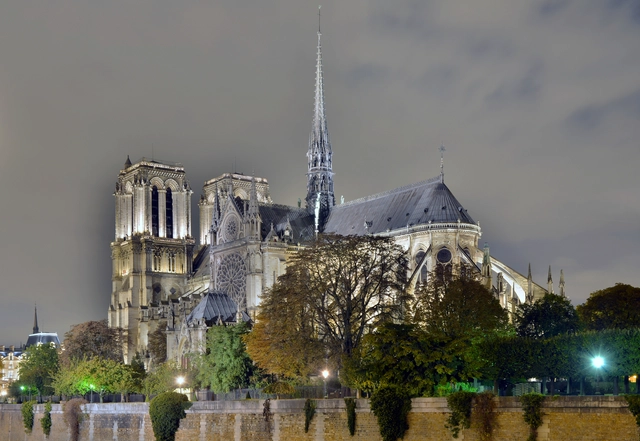
The spire of the Notre Dame cathedral, destroyed during the fires of 2019, will be restored according to the original 19th-century Gothic design, as reported by French President Emmanuel Macron. Built in 1860, to replace the original structure removed in 1792, the spire, not exactly a medieval structure, was designed by Eugène Viollet-le-Duc who found inspiration in the original architectural epoch of the Cathedral.


.jpg?1594644701 "April 2019. Image © Erieta Attali")



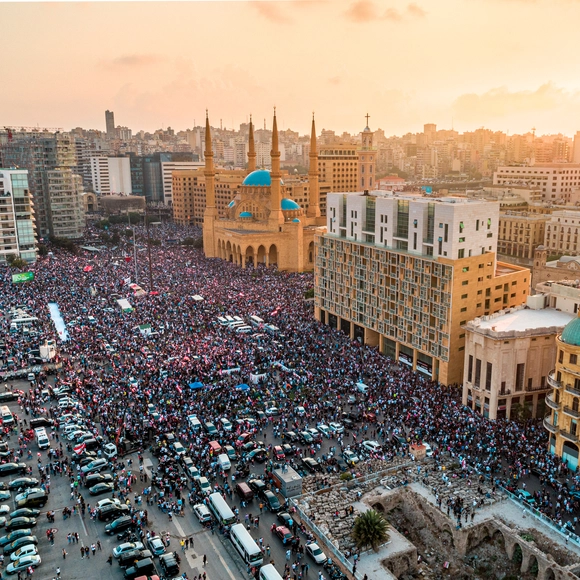
"Public space" is a legal terminology that tackles the notion of land ownership, suggesting that this type of parcel does not belong to anyone in particular, but to the state itself. Open, free, accessible to all, and financed by public money, these spaces are not only the results of planning, but the consequences of the public practices they hold. Actually, people define how public space is used and what it means.
Protests - powerful political tools for change - from the March on Washington in 1963, the Arab Spring in the early 2000s to recent Black Lives Matter Movements, are altering the world. In times like these, while people still need to "take their issues to the streets" to be heard and seen, public spaces have resurfaced as a topic of discussion.

.jpg?1588639826&format=webp&width=640&height=580)
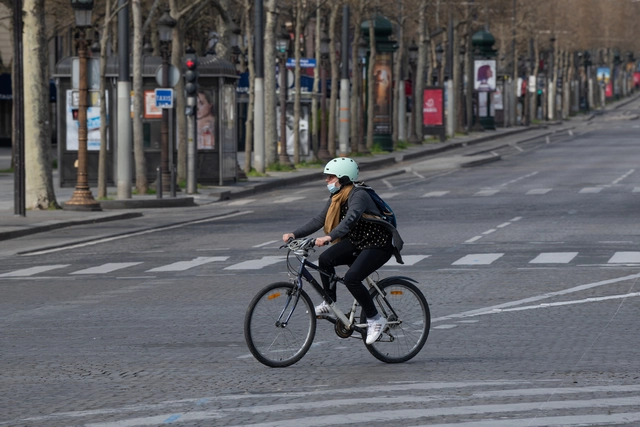
Paris, just like Milan, is planning on keeping its streets car-free after the coronavirus lockdown. Mayor Anne Hidalgo announced plans to maintain the anti-pollution and anti-congestion measures introduced during the confinement period, as the city reopens.
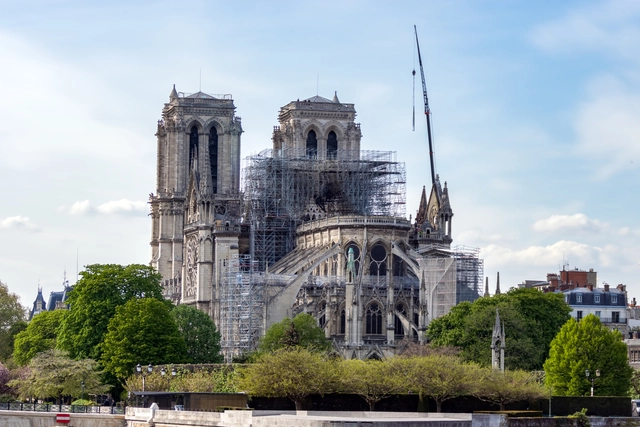
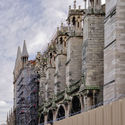
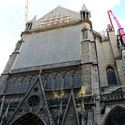
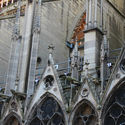
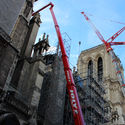
Due to the global pandemic, restoration works of the Notre Dame in Paris have been paused. For security reasons, all operations have been halted by French officials. While the consolidation of the cathedral was completed, the reconstruction of the spire and the roof as well as the removal of the melted scaffolding, have been interrupted.
Takuji_Shimmura_COPYRIGHTFREE_E2_1J4A2763.jpg?1596477722 "© Takuji Shimmura")
Stefan_Tuchila_COPYRIGHTFREE_E1_51_K1_6531.jpg?1596477619 "© Stefan Tuchila")
Stefan_Tuchila_COPYRIGHTFREE_E1_E2_07_K1_6394_v2.jpg?1596477854 "© Stefan Tuchila")
Stefan_Tuchila_COPYRIGHTFRE_40_K1_6381.jpg?1596477101 "© Stefan Tuchila")
Stefan_Tuchila_COPYRIGHTFRE_SOHO__36_K1_6388.jpg?1596477299)




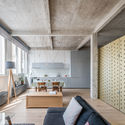
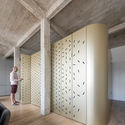
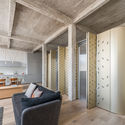
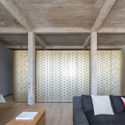














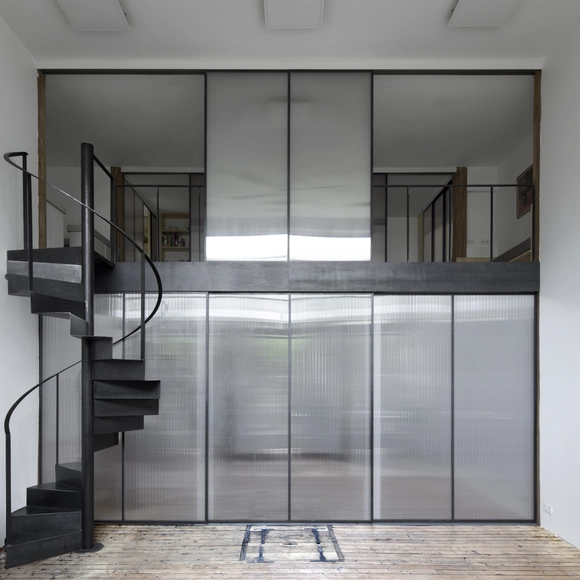




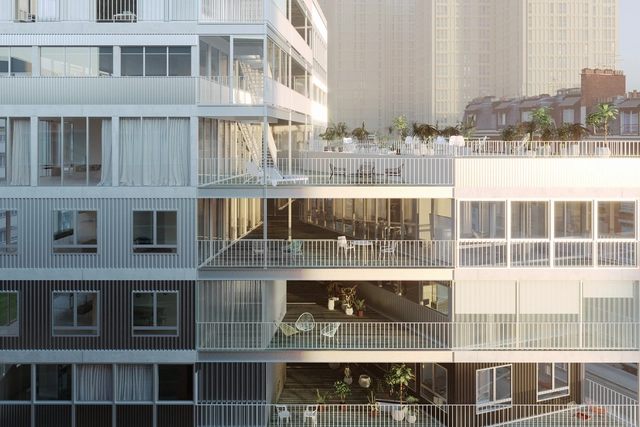


.jpg?1588640214 "© Yohann Fontaine")
.jpg?1588639867 "© Yohann Fontaine")
.jpg?1588639515 "© Yohann Fontaine")
.jpg?1588639316 "© Yohann Fontaine")
.jpg?1588639826)