
Paris: The Latest Architecture and News

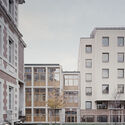
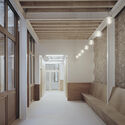
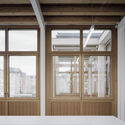
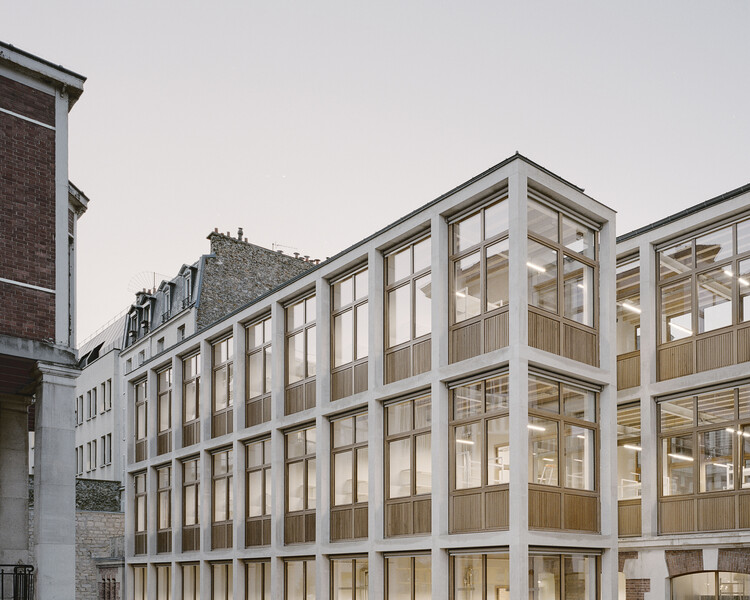
Maison de la Chine Dorms / Atelier FCJZ + Coldefy
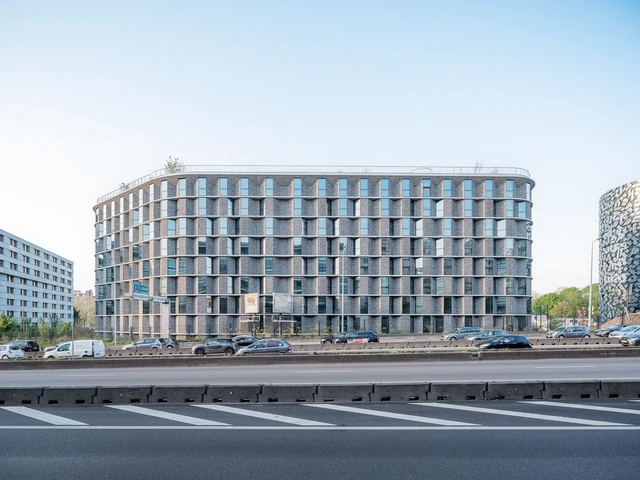

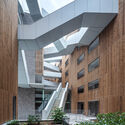
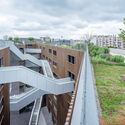
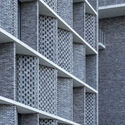

-
Architects: Atelier FCJZ, Coldefy
- Area: 8287 m²
- Year: 2023
-
Professionals: AEDIS Ingénierie, S2T, Le Sommer Environnement, Base, Behal, +4
https://www.archdaily.com/1000203/maison-de-la-chine-atelier-fcjz-plus-caauJuly Shao
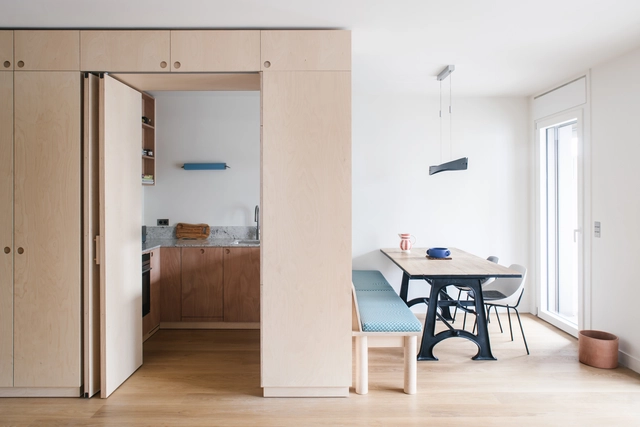
Segur Flat / faire


https://www.archdaily.com/1000126/segur-flat-faireValeria Silva
Exploring the Cultural and Political Implications of Brutalist Buildings in Modern Paris
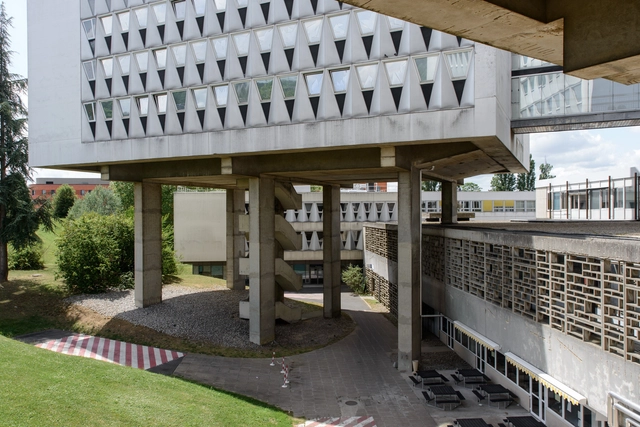
Brutalist Paris by Nigel Green and Robin Wilson is a book that expands upon their previous collaborative effort, the Brutalist Paris Map (2017). The text's insightful critique and sharp photography provide a detailed examination of Brutalism's historical, political, and cultural significance, with a particular emphasis on its innovative communal design. Through a meticulous analysis of the public spaces of the selected buildings, including their orientation, materials, and facades, Green and Wilson revisit the movement's legacy and its contribution to the field of architecture.
https://www.archdaily.com/999854/exploring-the-cultural-and-political-implications-of-brutalist-buildings-in-modern-parisDanae Santibañez
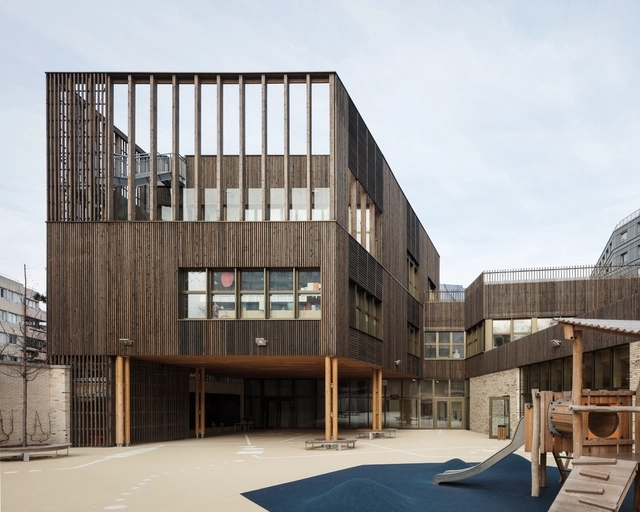
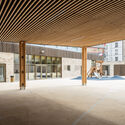
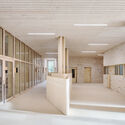
Jeanne d’arc Nursery School / La Architectures + Atelier Desmichelle Architecture


-
Architects: Atelier Desmichelle Architecture, La Architectures
- Area: 1753 m²
- Year: 2019
-
Professionals: Gaujard Technologie, Mecobat, E² Ecallard (, CdB Acoustique
https://www.archdaily.com/999311/jeanne-darc-nursery-school-la-architectures-plus-atelier-desmichelle-architectureThuto Vilakazi
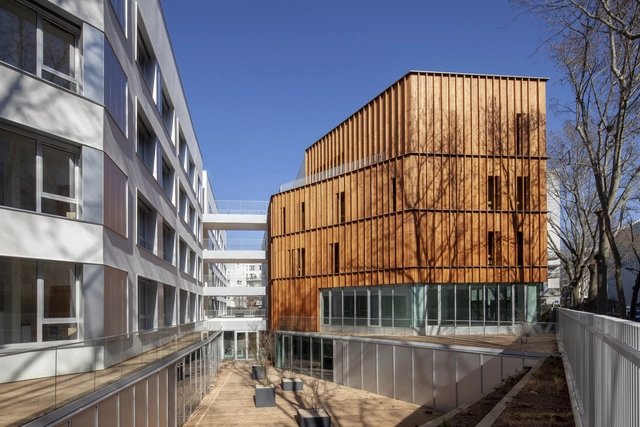
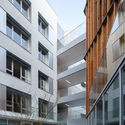
Student Residence in Paris / NZI Architectes

-
Architects: NZI Architectes
- Area: 3600 m²
- Year: 2021
-
Manufacturers: Sto, Kawneer, Sikkens
-
Professionals: EVP, AGIRACOUSTIQUE, Moteec, Bouygues Bâtiment Ile-de-France Habitat Social
https://www.archdaily.com/961153/student-residence-in-paris-nzi-architectesValeria Silva
The Centre Pompidou Signs a Partnership Agreement to Develop a Contemporary Art Museum in Saudi Arabia and South Korea

The Centre Pompidou is an arts and culture institution that has been present in Paris since the late 1970s. It houses the Public Information Library, the largest museum for modern art in Europe, and a center for musical research. This month, the institution signed a partnership agreement to create a museum of contemporary art in Saudi Arabia with the Royal Commission of AlUla (RCU). Additionally, the establishment signed a similar partnership agreement to develop a modern and contemporary museum in Seoul, South Korea, with the Hanwha Culture Foundation.
https://www.archdaily.com/998881/the-centre-pompidou-signs-a-partnership-agreement-to-develop-a-contemporary-art-museum-in-saudi-arabia-and-south-koreaNour Fakharany
The Safety of Light: A Short History of Light in Public Spaces
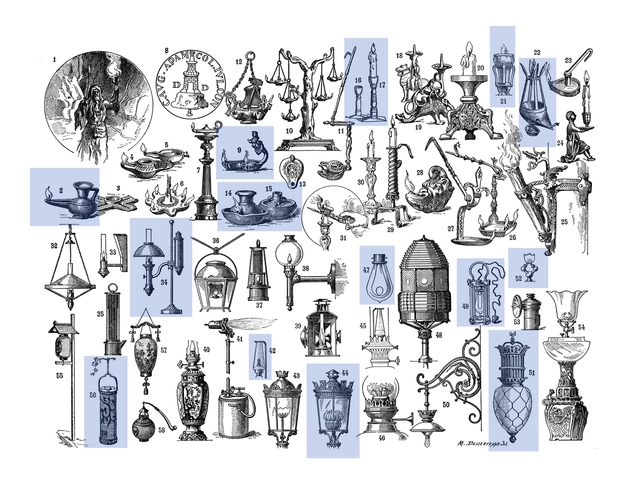
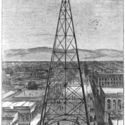
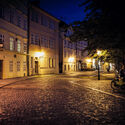
The simple activity of taking a walk in the evening can easily turn from a relaxing leisurely activity to a dangerous endeavor by removing just one element from the streetscape: public lighting. While not often recognized as defining aspect of urban environments, artificial illumination has played an essential role in defining the character of modern cities. Crime control, the appeal of nightlife, the rise of the shop window, revolutionary movements, utopias, and ideals of social equity are all concepts whose development is tightly linked to the history of public lighting. Technological advancements over the past centuries have continuously shaped the appearance and symbolism of streetlamps. Still, the this element has remains a constant throughout its history.



https://www.archdaily.com/998418/the-safety-of-light-a-short-history-of-light-in-public-spacesMaria-Cristina Florian
Sunlight Shadows for Slow but Colorful Façade Movements with Pierre Brault
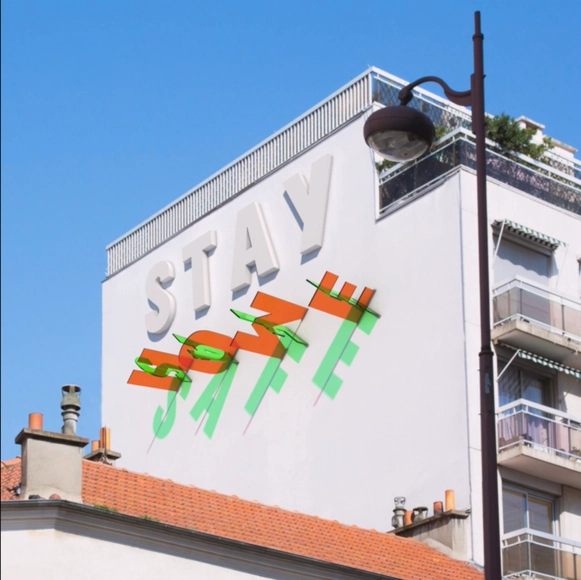
When transparent facade elements deliberately evolve from the course of the sun, we can explore a fascinating slow movement in stark contrast to the hectic urban street life on the ground. Especially the French designer Pierre Brault has responded to the accelerated rhythm of our society with facade installations that combine the principle of the sundial with colorful pop design. His three-dimensional works made of recycled colored plexiglass mesmerize through simple but dramatic movements of colored shadows. In the interview, Brault explains his inspiration, the experimental approach and his interest in working responsibly with material.
https://www.archdaily.com/998225/sunlight-shadows-for-slow-but-colorful-facade-movements-with-pierre-braultThomas Schielke
The Centre Pompidou Debuts the Largest Retrospective of Norman Foster’s Work in Paris
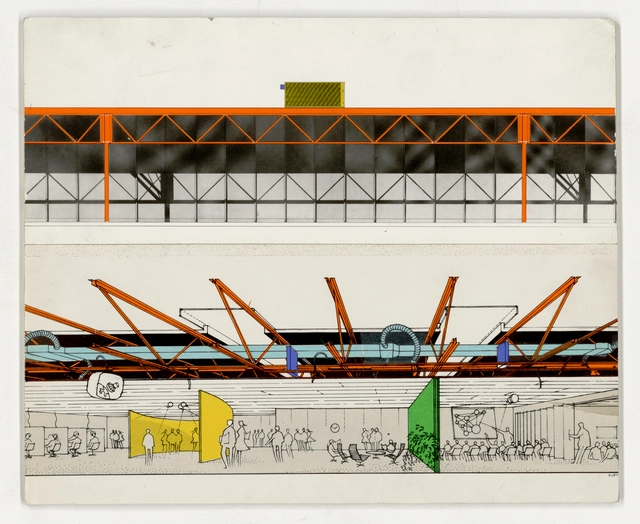
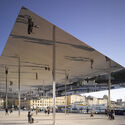
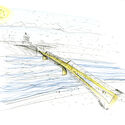
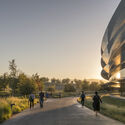
In May this year, The Centre Pompidou in Paris will debut the largest retrospective of Norman Foster's work from the past six decades. The exhibition spans nearly 2,200 square meters, exploring the various phases of the renowned architect’s career. Essential works including the Hong Kong and Shanghai Baking Corporation's headquarters (Hong Kong, 1979–1986), the Carré d'Art (Nîmes, 1984–1993), the Hong Kong International Airport (1992–1998), and the Apple Park (Cupertino, United States, 2009-2017) will be on display.
Foster + Partners, the Norman Foster Foundation, and Norman Foster are working to develop and execute the full retrospective. Through the lenses of the seven chosen themes: Nature and Urbanity, Skin and Bones, Vertical City, History and Tradition, Planning and Location, Networks and Mobility, and Future, the exhibition is set to become a full compilation of the architect’s work.

https://www.archdaily.com/998114/the-centre-pompidou-debuts-the-largest-retrospective-of-norman-fosters-work-in-parisNour Fakharany
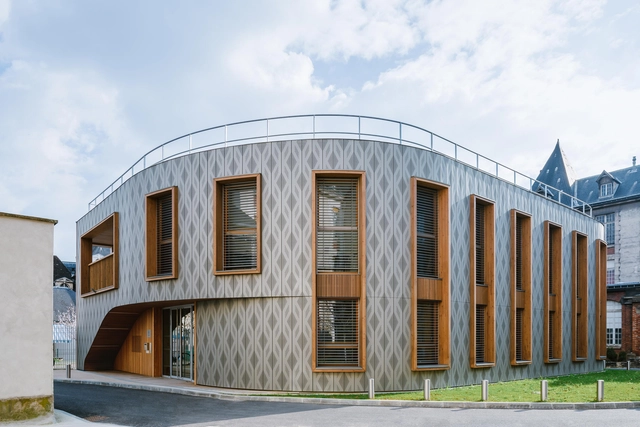
Saint-Louis kindergarten / Janez Nguyen Architects + Linia A&U


-
Architects: Janez Nguyen Architects, Linia A&U
- Area: 600 m²
- Year: 2021
-
Manufacturers: LIGNOTREND, elZinc
-
Professionals: Oregon, Pouget Consultants
https://www.archdaily.com/997870/saint-louis-kindergarten-janez-nguyen-architects-plus-linia-a-and-uThuto Vilakazi
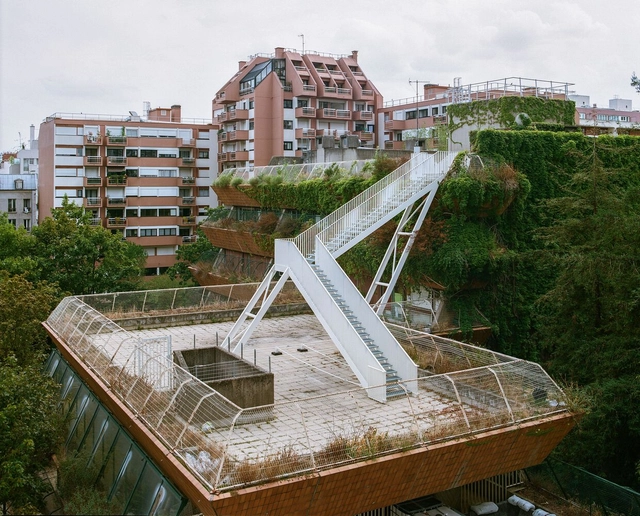
Belvedere Stairs / Bertrand Taquet Architectes

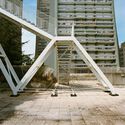

-
Architects: Bertrand Taquet Architectes
- Year: 2022
-
Professionals: Général Métal Edition
https://www.archdaily.com/997596/belvedere-stairs-bertrand-taquet-architectesAndreas Luco
Wood and Rammed Earth Nursery / Atelier Régis Roudil Architectes
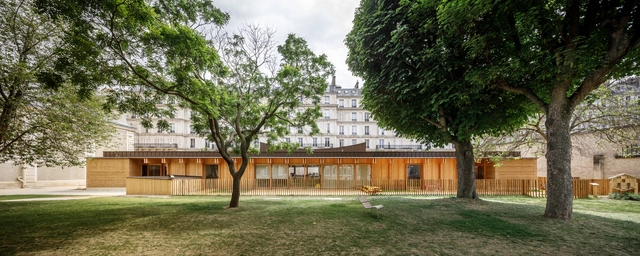


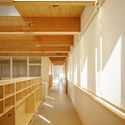

https://www.archdaily.com/996902/wood-and-rammed-earth-nursery-atelier-regis-roudil-architectesPaula Pintos
Grand Palais Ephémère / Wilmotte & Associés Sa
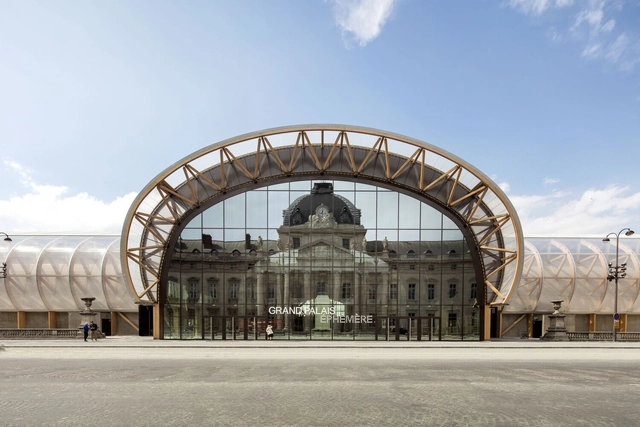


-
Architects: Wilmotte & Associés Sa
- Area: 10000 m²
- Year: 2021
-
Manufacturers: Trimo
-
Professionals: Lamoureux, Chabanne Ingénierie, CSD, Socotec, Mathis
https://www.archdaily.com/969443/grand-palais-ephemere-wilmotte-and-associes-saClara Ott
Snøhetta Paris Designs New French Asylum Courts That Inspire Safety in Montreuil
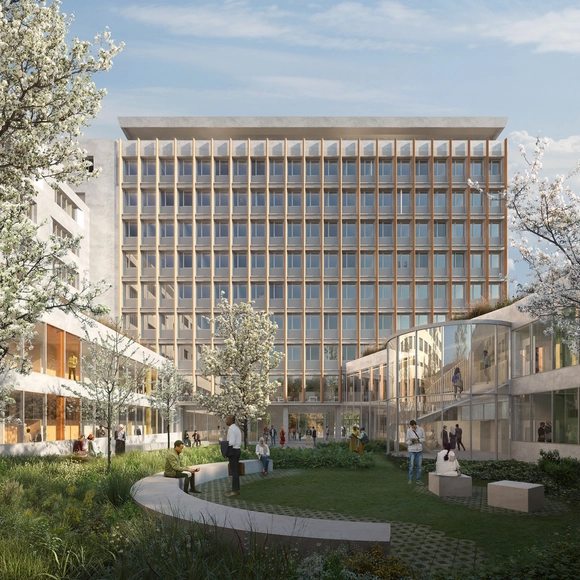
Snøhetta, the Norweigan-based architecture and landscape practice, has been chosen to re-imagine the French Asylum and Administrative Courts of Montreuil. The proposal puts together both institutions on one site, surrounded by luscious green areas and a biophilic landscape. Set to begin construction in 2024, and be completed by 2026, the project includes the design of the buildings, landscape, wayfinding, interior, and furniture.


https://www.archdaily.com/996627/snohetta-designs-new-french-asylum-courts-that-inspire-safety-in-montreuilNour Fakharany
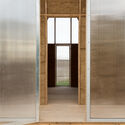
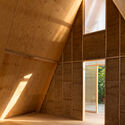
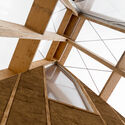
Aire De Repos Shelter / Atelier Craft


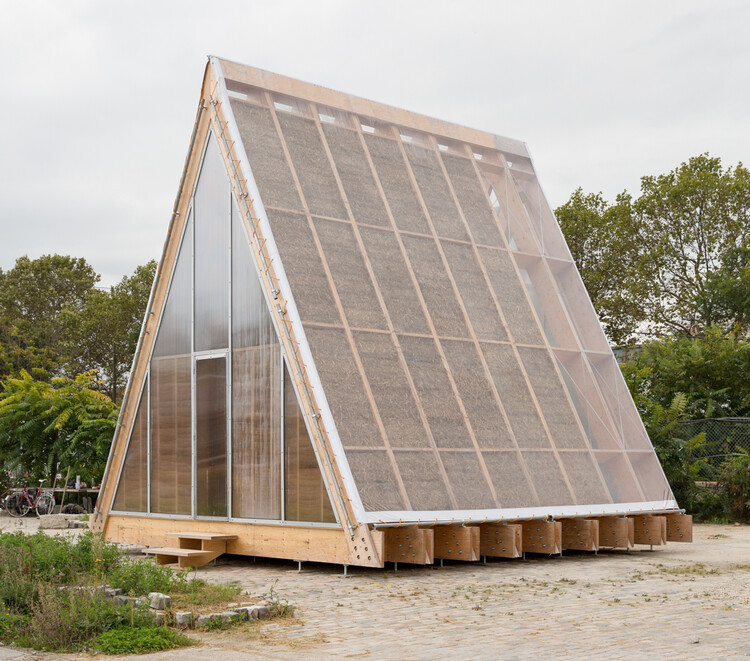
-
Architects: Atelier Craft
- Area: 49 m²
- Year: 2021
https://www.archdaily.com/974332/aire-de-repos-shelter-atelier-craftPaula Pintos
The Rural vs. The Urban: The Postcolonial City of Dakar in the Film Touki Bouki
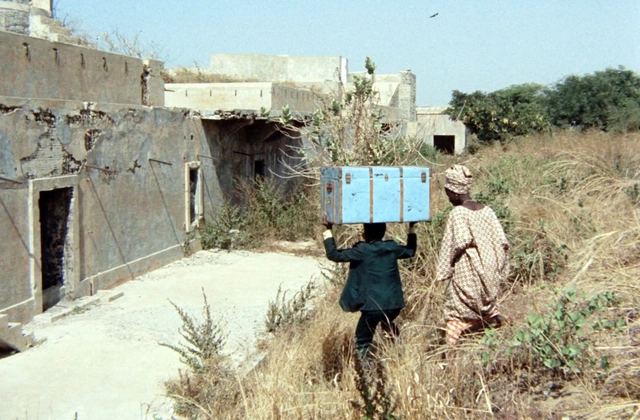
Simultaneously gripping, disconcerting, and chaotic, Djibril Diop Mambéty’s Touki Bouki is an exhilarating cinematic ride. The 1973 drama — the first full-length film by the Senegalese director — is the fantastical narration of a young couple in Dakar, eager to escape the Senegalese capital for the allure of Paris. It’s a character-driven film in many ways, primarily centered on the couple’s adventures, but it is also a subtle visual examination of the urbanism of post-independence Dakar, where the city and its architecture are essential fixtures in a surreal storyline.


https://www.archdaily.com/995305/the-rural-vs-the-urban-the-postcolonial-city-of-dakar-in-the-film-touki-boukiMatthew Maganga
Etam Paris Store / MVRDV
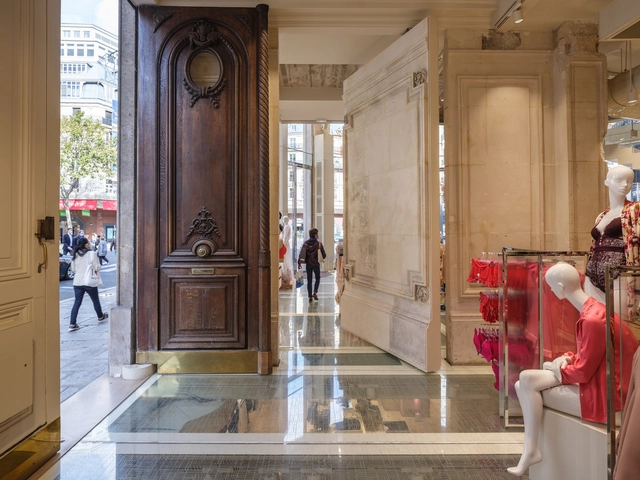


-
Architects: MVRDV
- Area: 350 m²
- Year: 2020
-
Professionals: Khephren, GAMA Ingenierie, BMF, B27 INGENIERIE, Ateliers AUAV
https://www.archdaily.com/995378/etam-paris-store-mvrdvPaula Pintos