-
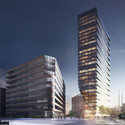
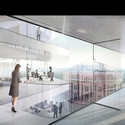
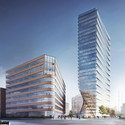
Architects: G8A Architecture & Urban Planning
- Year: 2014
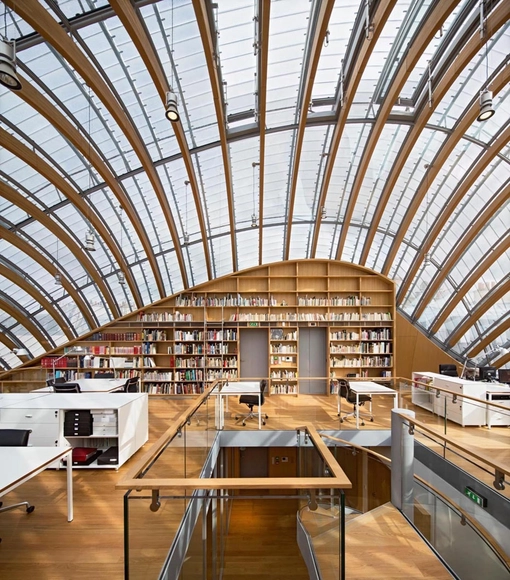
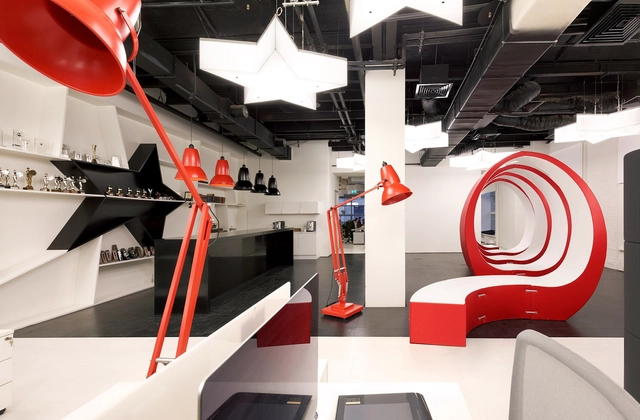
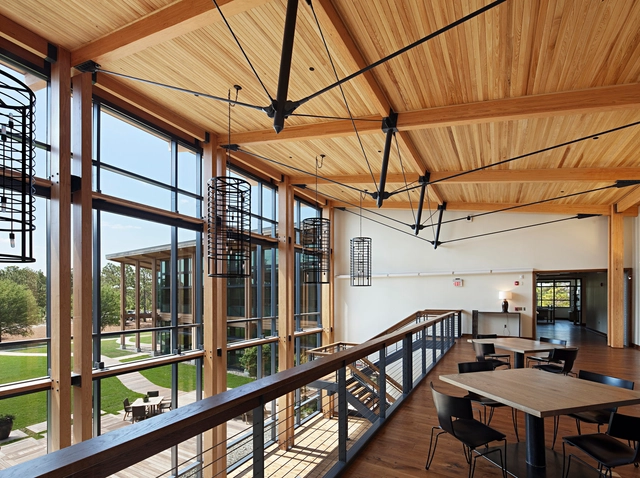
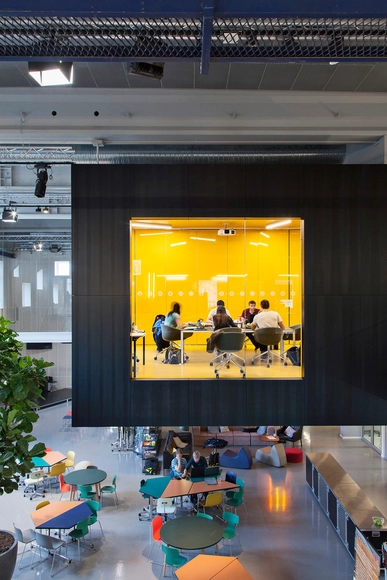
Workplace design has undergone a radical transformation in the last several decades, with approximately seventy percent of today’s modern offices now converted to open plans. However, despite growing concerns over decreases in worker productivity and employee satisfaction, the open office revolution shows no sign of slowing down. The open office model has proliferated without regard for natural differences in workplace culture, leading to disastrous results when employees are forced into an office that works against their own interests. If we are to make offices more effective, we must acknowledge that ultimately, design comes out of adapting individual needs for a specific purpose and at best, can create inviting spaces that reflect a company’s own ethos.
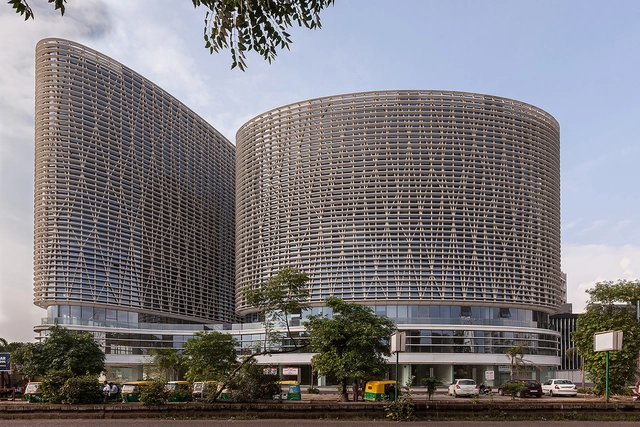
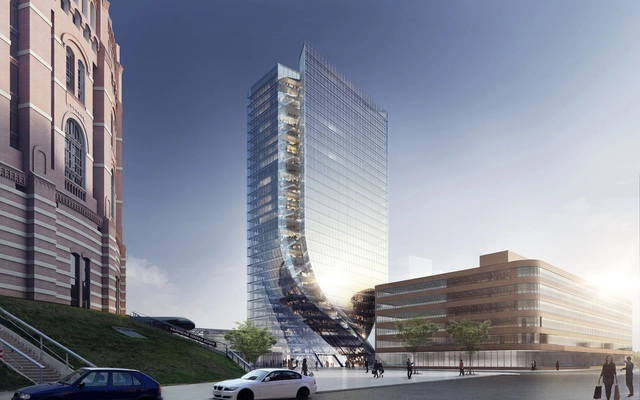
The latest competition entry, "Gate 2 Tower" from Pichler & Traupmann Architekten examines the relationship formed between a high-rise building and its local and global surroundings to create a cohesive design that bridges the problematic gap between these different scales. Employing unconventional methods, Gate 2 Tower features geometries that not only create unique interactions, but also inform each other.
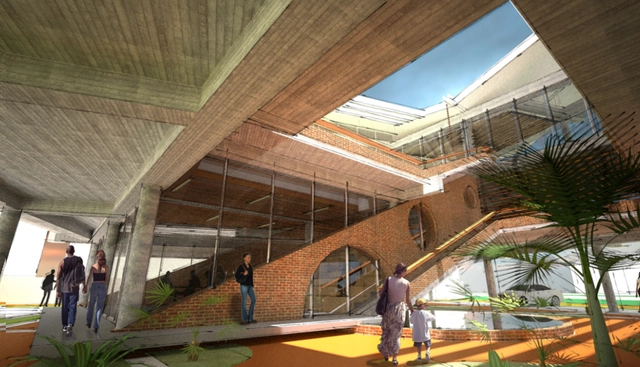
International design firm NLÉ has recently shared its competition-winning design for the financial headquarters of the microfinance bank Credit Direct Limited. Located in Lagos, Nigeria, in the Ikeja district, the bank’s design abandons the forbidding presence of most financial institutions for one that is open and welcoming. This decision not only invites clientele inside, but creates opportunities for adaptation to the tropical weather of Lagos.

Paolo Venturella Architecture has been commissioned to design a proposal for an Italian office building. The inventive structure uses existing contextual information, such as the grid of the city and an abandoned soccer field on which it sits, to drive its parametric design. The resulting building not only makes use of an otherwise forgotten plot of land, but fits precisely into the urban fabric of the existing city layout, using its grid to shape the building.
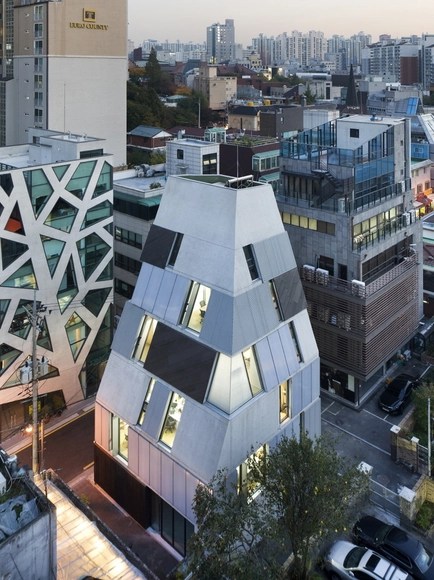
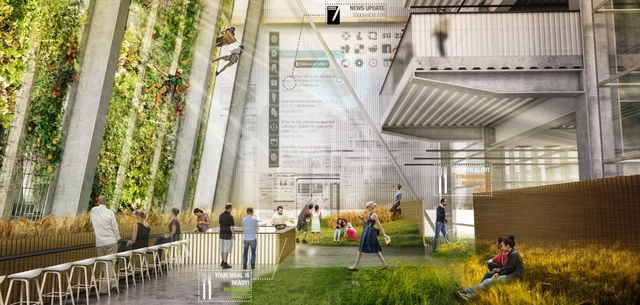
The winners of Metropolis Magazine's Workplace of the Future 2.0 Design Competition have been announced. This year's competition challenged participants to redefine the idea of the office, illustrating their interpretation of the evolution of workplaces within the next 15 years.
Although their approaches are different, each of the winning designs, selected from 153 entries, shows innovation in how they develop new office prototypes by employing technological ingenuity, maintaining much of the same construction while providing different experiences to suit the employees' unique needs. The winning entry (Organic Grid +) and the runner-up (the Hybrid Office) both reflect architecture which is highly receptive to its inhabitants.
Learn more about the winners after the break.
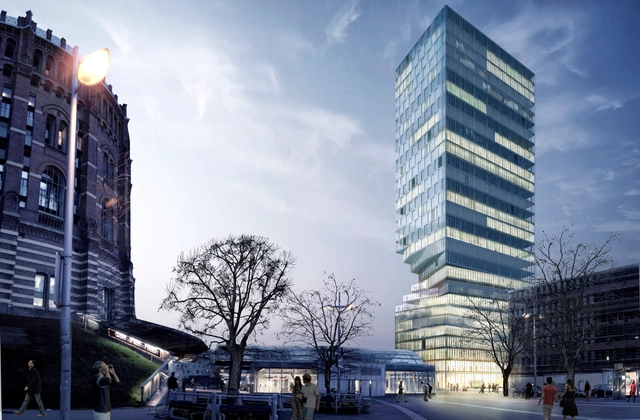
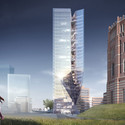
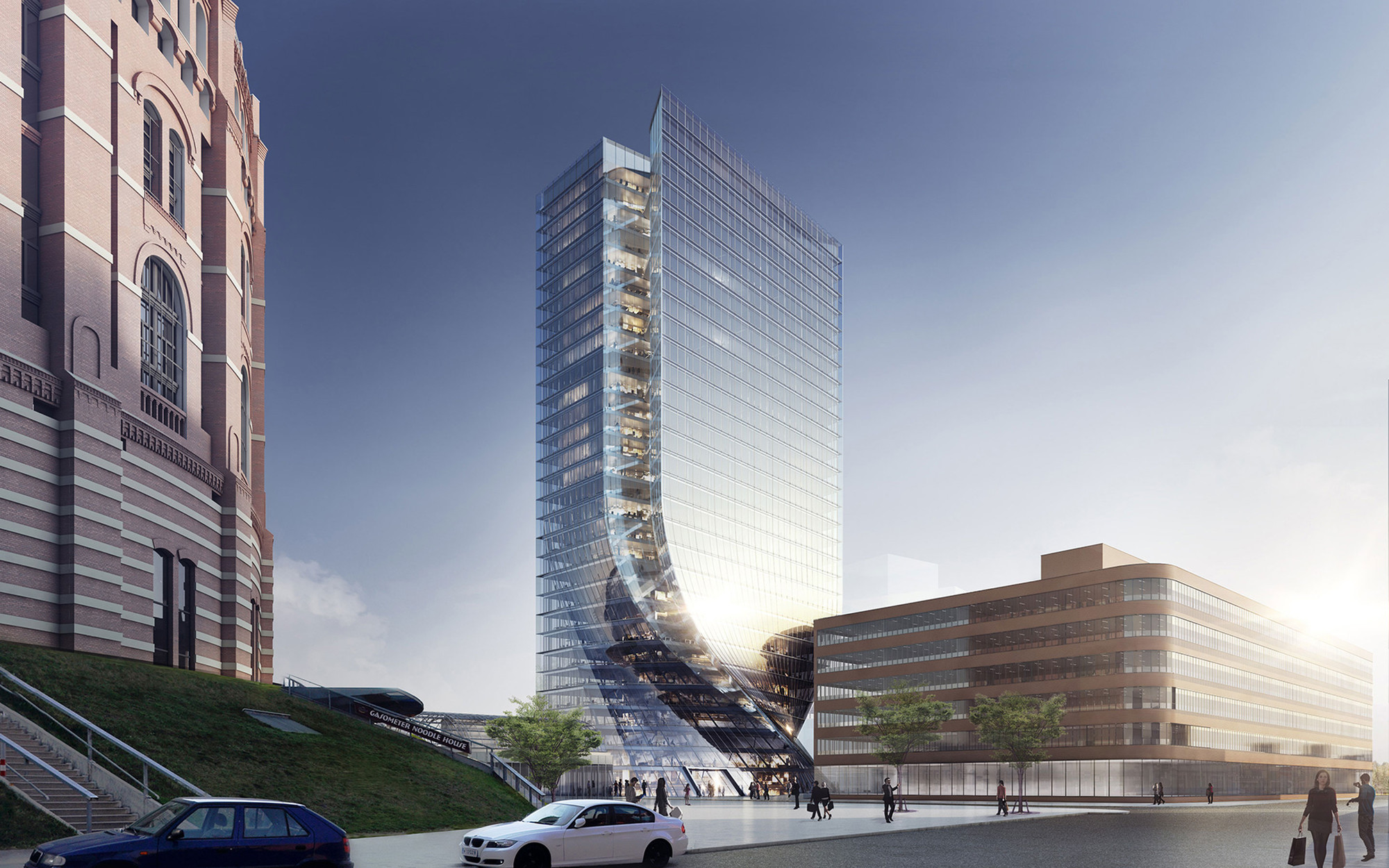
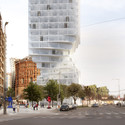
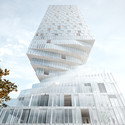
MVRDV has been announced as winner of a two-stage, BAI-backed competition for a new “spatially-flexible” tower with a twisting “hourglass figure” near Vienna’s world famous Gasometers. The 110-meter “Turm mit Taille” (Tower with Waist) was shaped to minimize the effect of the building’s shadow cast onto neighboring buildings and an adjacent metro station.