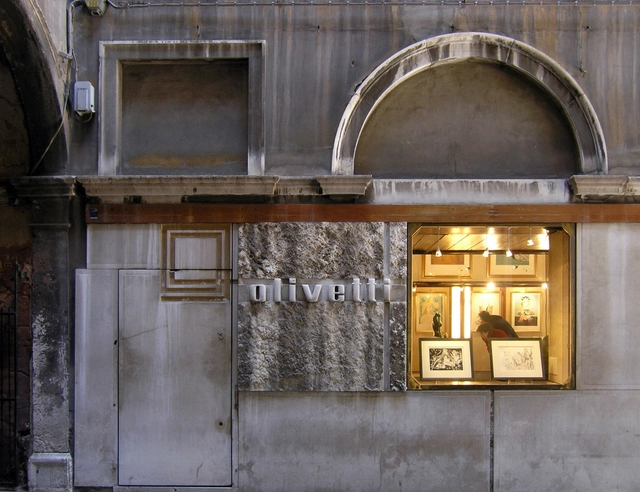
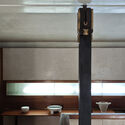
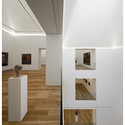
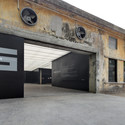
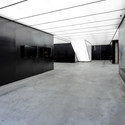
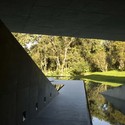
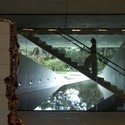
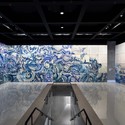
Tucked discreetly beneath the colonnade of Saint Mark's Square in Venice, Carlo Scarpa's Olivetti Showroom exerts a quiet yet unmistakable presence. Though often overshadowed by the grandeur of nearby landmarks—St. Mark's Basilica, the Clocktower, the Loggetta, and the Procuratie Vecchie—it attracts a particular kind of visitor: those who seek out one of Scarpa's architectural gems hidden in plain sight. Modest in scale but rich in detail, the showroom is meticulously maintained by FAI (Fondo Ambiente Italiano), the National Trust for Italy.
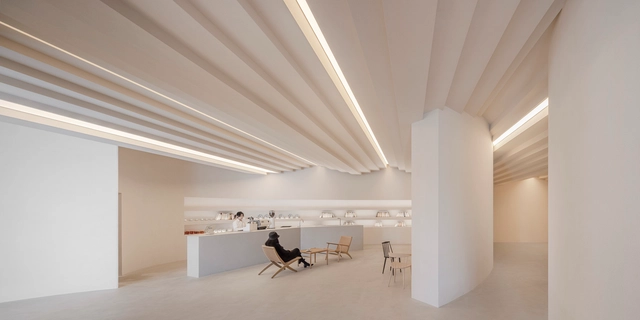
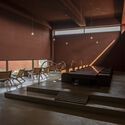
Cafés in museums and galleries do more than provide convenience — they have become an essential part of today’s cultural experience. As Claire Bishop explains in her idea of the “expanded aesthetic experience,” cultural spaces now include hybrid environments that encourage new ways of engaging, socializing, and reflecting. In this context, cafés are not just places to rest; they extend the visit on both sensory and symbolic levels, offering moments of interaction and contemplation in carefully designed settings. By blending architecture, art, and hospitality, they help create immersive and welcoming atmospheres — a concept already hinted at by Brian O’Doherty, who viewed exhibition spaces as an integral part of the artwork itself.
Before the emergence of AI, the internet, and TV— books and manuscripts were the primary vessels of knowledge. These artifacts, now echoing voices from the past, have played a fundamental role in shaping our shared legacy. A pivotal moment in this evolution came in the 15th century with Gutenberg's invention of the printing press, which revolutionized access to information and laid the groundwork for the democratization of knowledge. As a result of their historical and cultural significance, many early manuscripts and incunabula (books printed during the earliest period of typography) have been preserved in libraries and often remained in the shadows.
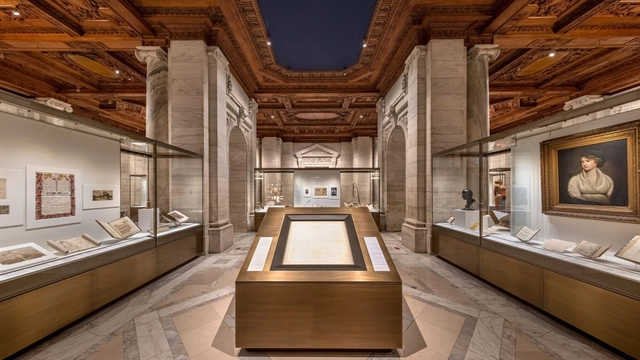
Worldwide, libraries have started unveiling these collections to the public, driven by a growing openness to showcase their 'treasures'. This allows a broader audience to appreciate the richness of these historical materials. While this effort fosters a deeper understanding of cultural heritage, it also introduces several challenges. One of the most critical is preservation, which must be carefully balanced with functional considerations. Key decisions include selecting and designing display case solutions, such as those from Goppion, that harmonize with the interior design and layout while providing effective protection.
https://www.archdaily.com/1021983/from-vault-to-exhibition-the-role-of-display-cases-in-the-worlds-librariesEnrique Tovar
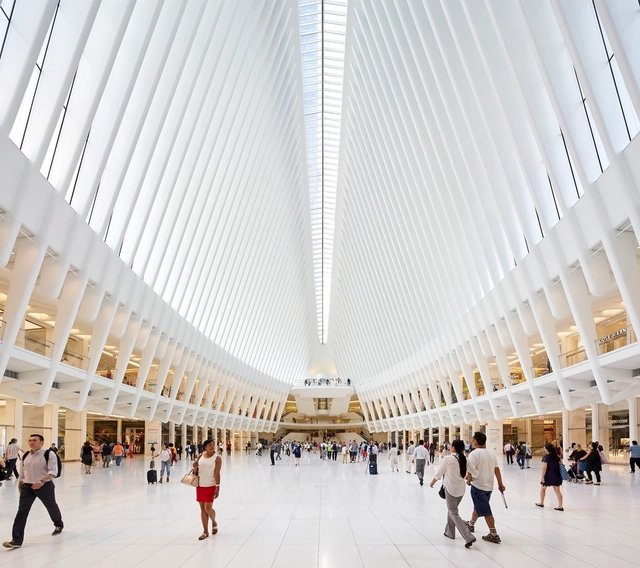
Contemporary cityscapes vary greatly from their early precedents, hosting urban life in sprawling interior spaces like mega-hotels, shopping malls, and transportation hubs. Soaring atriums and expansive concourses are now a normal part of the urban experience, allowing for public activity 'inside' the city. Interiors and urbanism are often considered at far ends of the spatial spectrum, with architecture serving as a mediator between the two. The growing significance of 'interior urbanism' in the functioning of the built environment demands the question - how can cities be reinvented from the inside out?
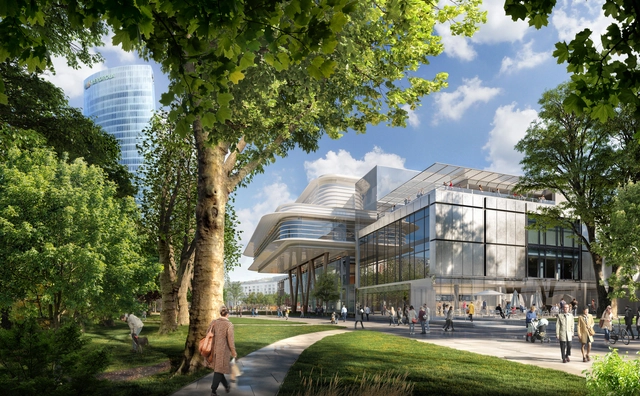
Technological in its image, humanistic in its approach and ecological in its sustainability, the project combines architectural quality, urban sensitivity and social responsibility to raise a luminous landmark in the historic heart of Bilbao - Bilbao Fine Arts Museum Extension. Image Courtesy of Foster + Partners
The Bilbao Fine Arts Museum remodeling and expansion project was attributed to Foster + Partners following an international competition in 2019. Now the construction phase was initiated with a breaking ground ceremony on November 17th. The project includes the restoration of the existing 20th-century building and the expansion of the currently available spaces with a new public atrium and a contemporary art gallery organized in a floating pavilion. The design also highlights the relationship between the city and the museum by creating a new pedestrian path that runs from north to south. The path connects the original 1945 building, the 1970s extension, and a new visitor center while making the site more permeable at the street level.
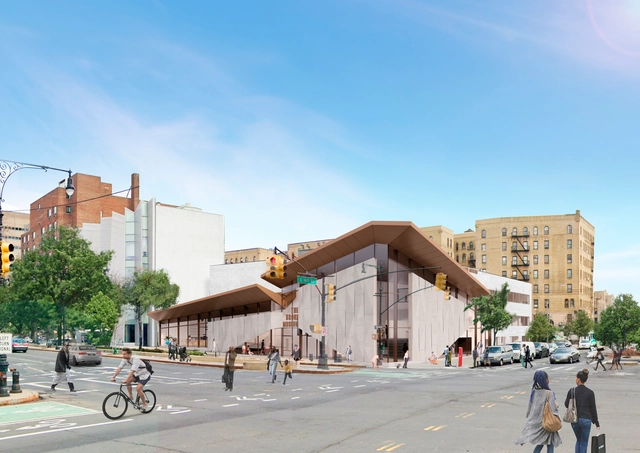
New York-based firm Marvel revealed schematic designs for The Bronx Museum's new multi-story entrance and lobby, as part of the museum's revamp for its 50th anniversary. With a budget of USD $26 million and slated for completion in 2025, the renovation will relocate the access on the Grand Concourse Street, one of the most iconic The Bronx boulevards, and focus on the cohesion of the multiple sections for a fully accessible route through all of the galleries. Coinciding with this announcement, the Museum reinvented its brand identity and website for the first time in over two decades to reflect its ethos as a vital space at the intersection of art and social justice in New York City.
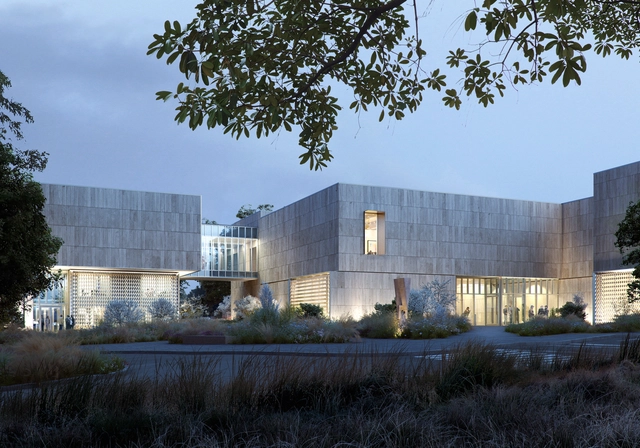
The construction of the new building of Palmer Museum has begun. Located at Penn State, USA, and scheduled to open in the spring of 2024, the new 6600 square meters complex will expand nearly double the space of the current gallery to host the growing collection of more than 10,000 pieces. The design features a series of pavilions, educational areas, and courtyards to boost accessibility to the art collections for students, staff, and the public. The construction aligns with the 50th anniversary of the museum along with a multitude of events, including the exhibition of Allied Works' pieces of the design process for the new Palmer Museum.
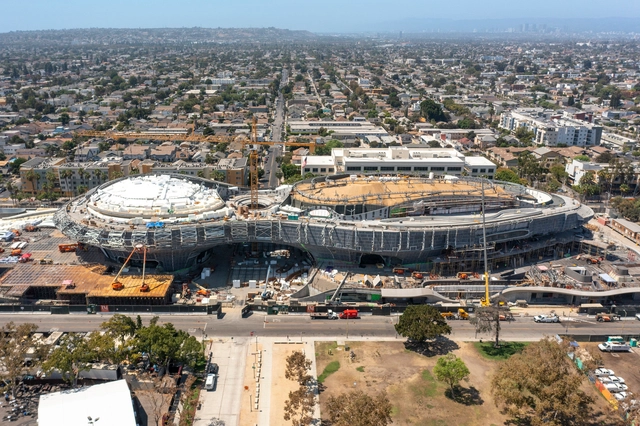
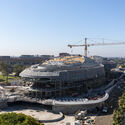
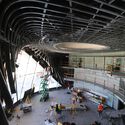
Scheduled to open in 2025, the Lucas Museum of Narrative Art in Los Angeles’s Exposition Park, reveals the latest details in the construction and addition of artwork. The first of its kind, the Lucas Museum, founded by filmmaker George Lucas and his wife Mellody Hobson, will be devoted to all forms of visual storytelling, including painting, photography, sculpture, illustration, comic art, performance, and video. Designed by Ma Yansong of MAD Architects with Michael Siegel of Stantec, the five-story and 27900 square-meter building will feature a gallery space, two state-of-the-art theaters, and dedicated spaces for learning and engagement, dining, retail, and events.
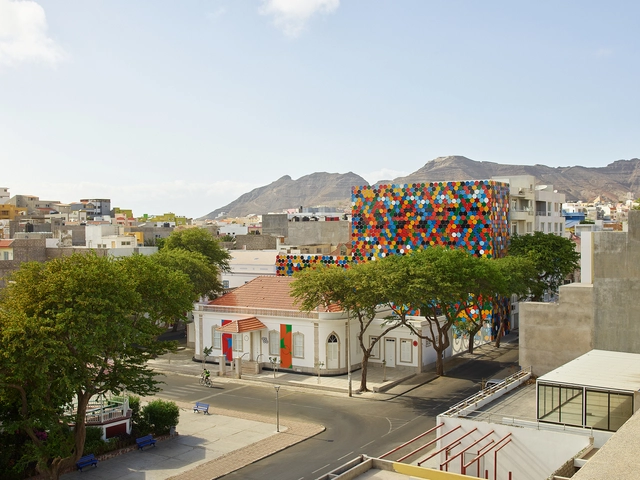
There are two ways to get to Cape Verde, by sea or sky. Either way, we are surprised by the landscape of immense rocky masses sprouting from the Atlantic’s navel before setting foot on land. Unpopulated until the middle of the 15th century, the volcanic archipelago is made up of ten islands, nine of which are currently inhabited, with unique characteristics in each one of them — some more touristy, like Sal, others more rural, like Santo Antão — and a version of Kriolu Kabuverdianu, which is not the official language (Portuguese occupies this place), but which is by far the most widely spoken.
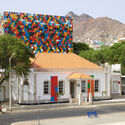
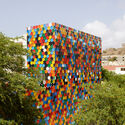
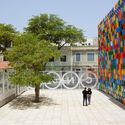
São Vicente is the second most populous island in the country and makes up the northern insular group called Sotavento, along with Santo Antão, Santa Luzia, São Nicolau, Sal and Boa Vista. Its largest city, Mindelo, has a port vocation and has historically been the point of departure and arrival for people and goods. Marked by traffic, the city is a place of passage and intense cultural exchanges. It is also home to the first museum built in the country, the National Centre for Art, Crafts and Design — CNAD.
Museums play a key role in the preservation and dissemination of culture and knowledge. They can exhibit works of art, documents, photographs, historical artifacts or even plants and trees. Although today there are entirely virtual exhibition spaces, the primary functions of traditional museums are the conservation and protection of objects, which are invaluable due to their historical relevance, rarity or market value. From simple “Do not touch” signs to tape, security guards, or glass displays, each object receives a type of protection that is in accordance to its needs. These types of protection, in turn, must consider both the safety of the object, whilst also allowing for its appreciation and conservation, creating a controlled environment for the exposed object that preserves it indefinitely.
"Is a museum defined by its collection? Or by its architecture? In The Art Museum in Modern Times, Charles Saumarez Smith suggests it is both and still something more". Lauren McQuistion, an architectural designer and Ph.D. Candidate in the Constructed Environment at the University of Virginia School of Architecture discusses in her Architect's Newspaper piece, Saumarez's book, exploring the notion of a modern museum.