
-
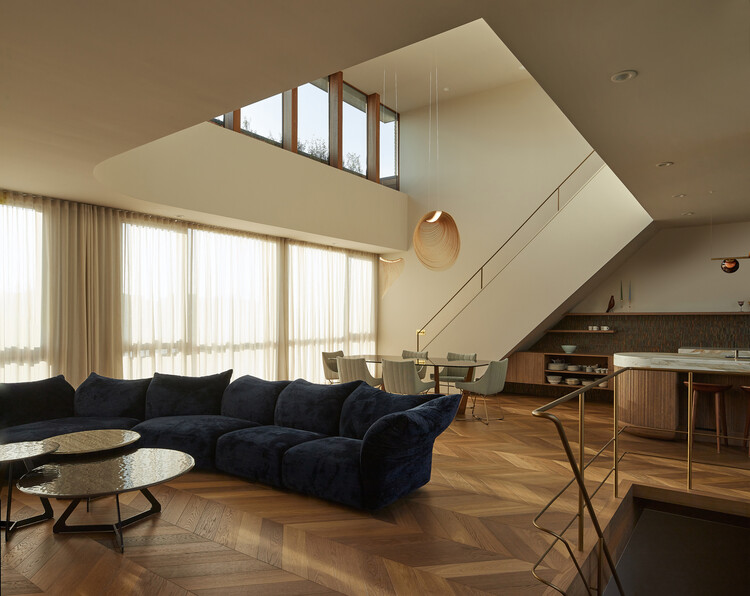
Architects: Pelletier De Fontenay
- Year: 2024
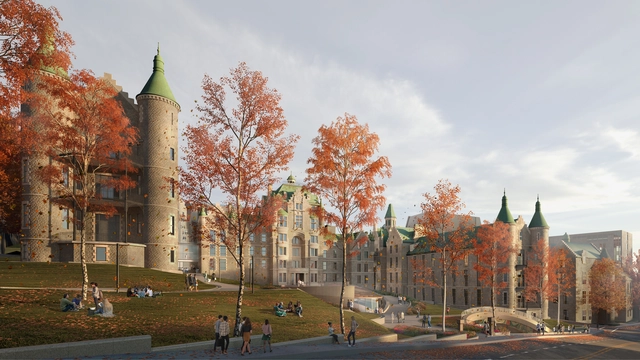
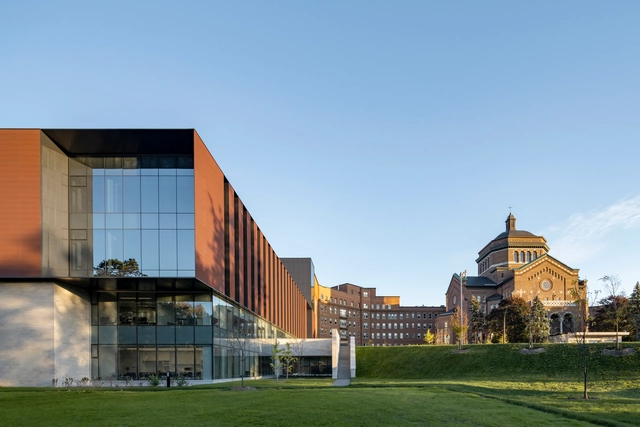
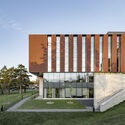
Diamond Schmitt and Lemay Michaud have just revealed the plans for a significant revitalization and expansion project for McGill University. Based at Montreal’s Royal Victoria Hospital Site for the University, the project aims to create a sustainability research and innovation center. The New Vic project is slated to open its doors in 2027, breathing “new life” into several historically significant buildings.


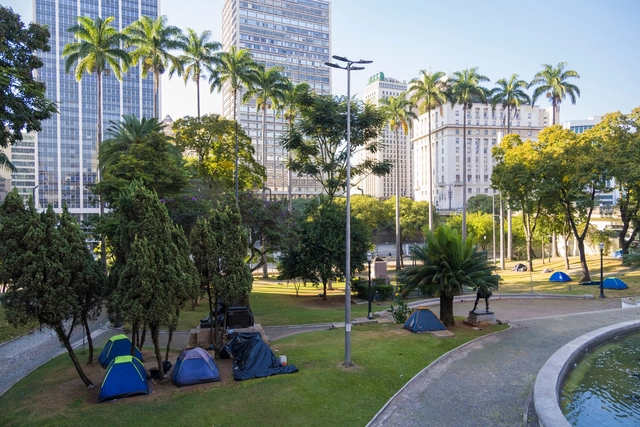
Architecture Without Borders Quebec (AWBQ) has made public the catalog of practices “Architecture + Homelessness: Inclusive Practices for a Supportive City.” The publication, publicly available in both English and French, is created to encourage architecture and design practices that have the potential to contribute to the well-being of people experiencing homelessness. The catalog is part of an ongoing research project initiated by AWBQ and supported by the Government of Quebec and the City of Montreal.

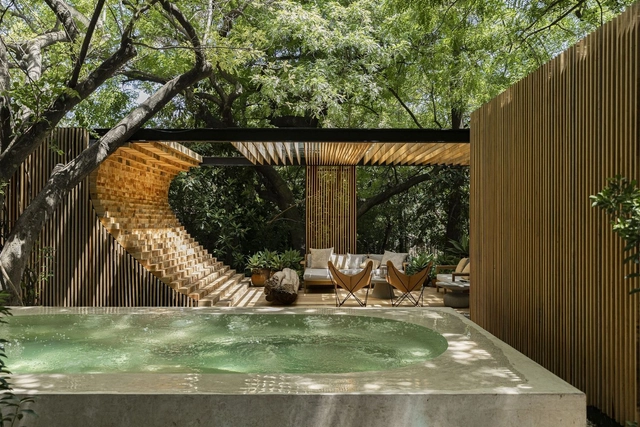
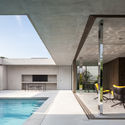
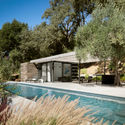
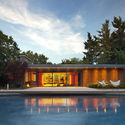
Residential swimming pools are nothing new, but they have become an unique component of modern living. Increasingly popularized, pools became a status symbol and a residential recreation element. Today, private swimming pools can be found across the world, and in many different climates. As more pools were built, so too were structures that could house equipment and pool amenities, as well as guest rooms or living quarters. These “poolhouses” were designed as spaces for accommodation, storage, and maintenance.

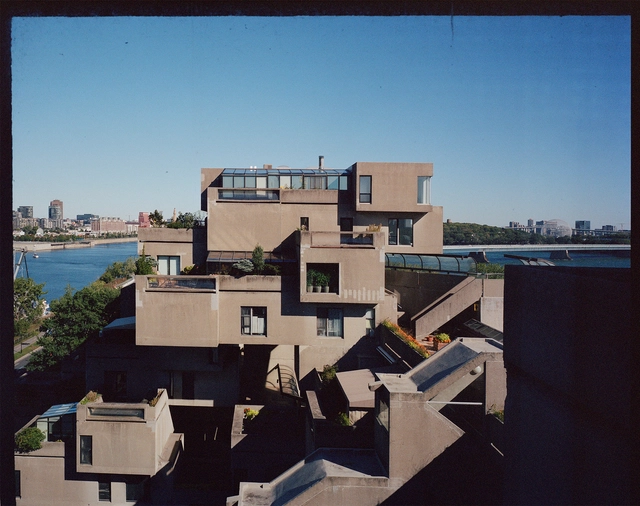
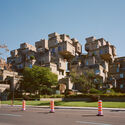
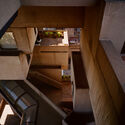
Habitat 67, designed by the Israeli-Canadian architect Moshe Safdie as the Canadian Pavilion for the World Exposition of 1967, was originally intended as an experimental solution for high-quality housing in dense urban environments. Safdie explored the possibilities of prefabricated modular units to reduce housing costs and allow for a new housing typology that could integrate the qualities of a suburban home into an urban high-rise.
Reflecting on the project’s significance in “A look back at habitat ’67” Safdie stated that “Habitat ‘67 is really two ideas in one. One is about prefabrication, and the other is about rethinking apartment-building design in the new paradigm.” [1]