September 22nd marked the start of fall in the Northern Hemisphere. This season of the year is excellent for architectural photography due to the effects of nature, which delights us with wonderful red and orange foliage. To mark the beginning of this season, we have created a selection of 10 works captured in fall by prominent photographers such as Francisco Nogueira, Jorge López Conde, and Steve Montpetit.
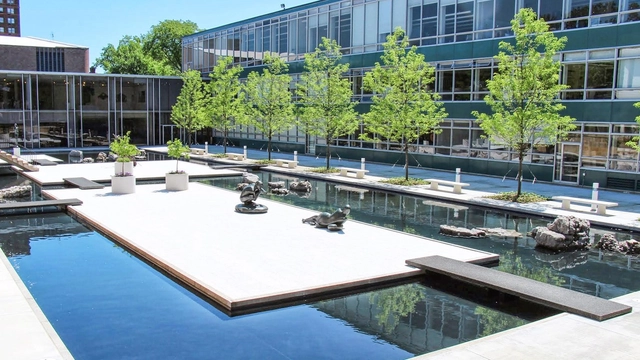
WSU McGregor Memorial Conference Center | courtesy of Jeff Dunn
For most of the 20th century, Detroit was our nation’s economic dynamo. This heritage is reflected in the treasure trove of outstanding historic homes, buildings, and factories that still define the cityscape. While Detroit has struggled into the 21st century, its role as a center for architectural innovation is undiminished. With stunning early 20th-century mansions, grand Art Deco skyscrapers, and surprising mid-century masterpieces, the Motor City has more to offer than most realize. Explore the Cranbrook Academy of Art, Lafayette Park, Eastern Market, private homes, and special projects by local preservation organizations. Learn about how Detroit is rebounding while experiencing the innovative and seminal works of great architects like Eliel Saarinen, Daniel Burnham, Cass Gilbert, John Burgee, Albert Kahn, Minoru Yamasaki, and Mies van der Rohe along the way.
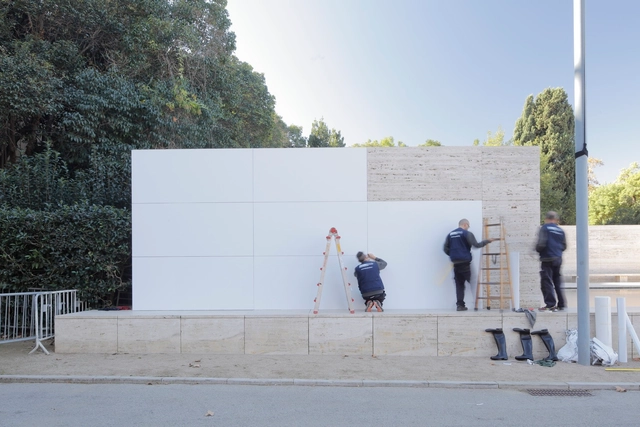
Mies van der Rohe’s Barcelona Pavilion is being transformed into a “1:1 scale model” of itself in a new exhibition designed by Anna and Eugeni Bach titled “mies missing materiality.”
Over the next week, the iconic structure – the longest standing temporary pavilion in modern architectural history – will be completely covered with white vinyl, obscuring the beautiful marble, travertine, steel, chrome, and glass for which it is recognized.
The project sets to prompt discussion about the role of material in the original design, as well as the symbolism of the white surface within modern architecture.
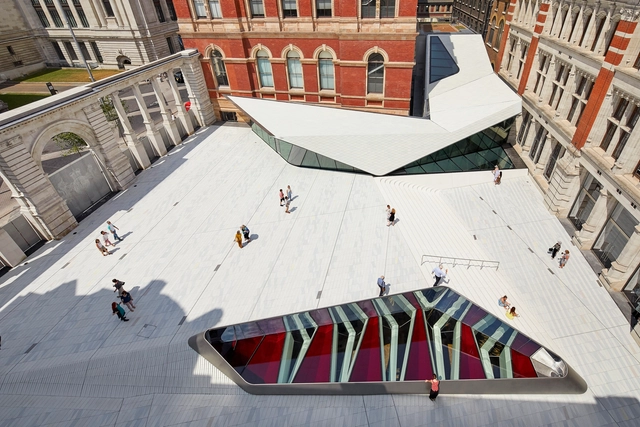
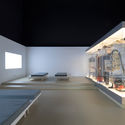
Their challenge was in considering the forms and ways that their selection "might extrapolate out from the cropped photographic frame into a spatial and lifestyle construction across a larger, horizontal site" – in this case, a field of plinths, the size and positioning of which is a direct reference to the footprint of Mies van der Rohe's 1947 plan for the IIT Campus in Chicago.
https://www.archdaily.com/880306/in-horizontal-city-24-architects-reconsider-architectural-interiors-at-2017-chicago-architecture-biennialAD Editorial Team
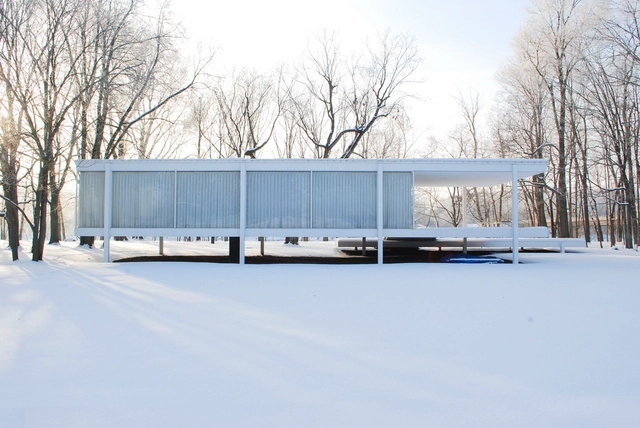
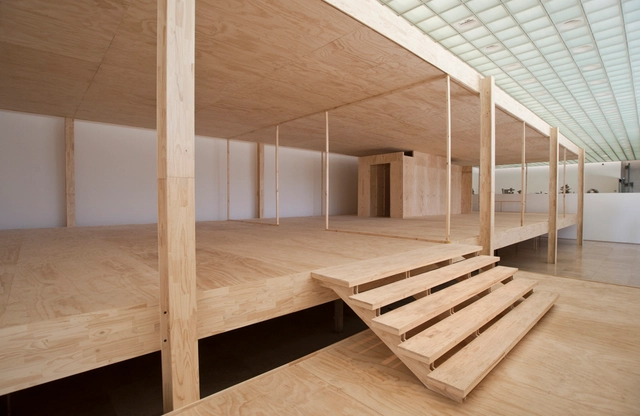
In December 2010, Manuel Peralta Lorca completed the work "Welcome Less Is More," a wooden reconstruction of Mies van der Rohe's Farnsworth House that was installed inside the Patricia Ready Gallery in Santiago, Chile. This September, a new version of this work will be mounted in the hall of Santiago's Museum of Contemporary Art, under the name "Home Less is More."
In the following story, the artist tells us about the process of reinterpreting this icon of modern architecture in wood and how a team of carpenters—who agreed to immerse themselves in the philosophy of Mies—was fundamental to completing the challenge.
https://www.archdaily.com/878665/how-an-artist-constructed-a-wooden-replica-of-mies-farnsworth-housePola Mora
There is always something new to say about Mies van der Rohe’s Barcelona Pavilion. Sometimes we uncover an unknown detail, other times an intervention is revealed or we discover a new lens to observe it. The latter is the case with Spanish architect and audiovisual creator Fernando Ayuso, who wanted to pay homage to this historical work.
What is the relationship between art and architecture? What makes a great space for art? How do buildings inform what and how we see? Leading architects will be in conversation with museum directors, gallerists and artists to discuss major international projects and the role of architecture in shaping the cultural landscape.
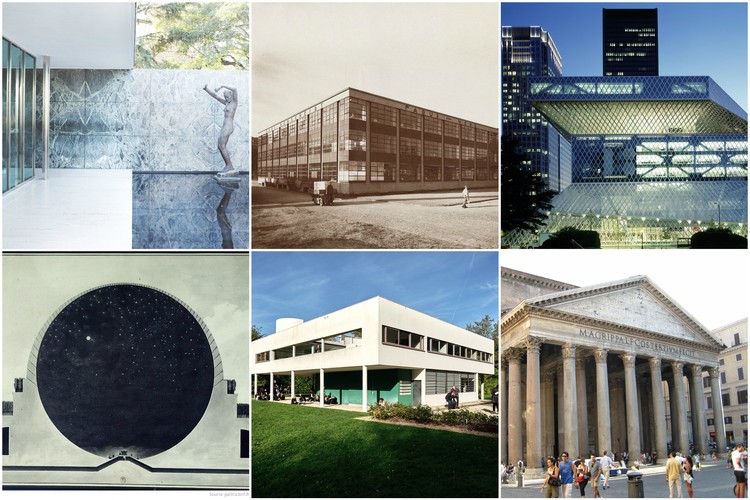
You’re a chipper young first-year student, still soft and tender in the early stages of your induction into the cult of architecture. Apart from fiddling with drafting triangles and furiously scribbling down the newfound jargon that is going to forever change how you communicate, you often find yourself planted in a seat, eyes transfixed to a projector screen as your professor-slash-cult-leader flashes images of the architecture world's masterpieces, patron saints, and divine structures.
Soon, you develop a Pavlovian response: you instinctively recognize these buildings, can name them at once and recite a number of soundbites about their design that have lodged themselves in your brain. Your professor looks on in approval. Since we here at ArchDaily have also partaken in this rite of passage, here are 15 buildings that we all recognize from the rituals of architecture school.
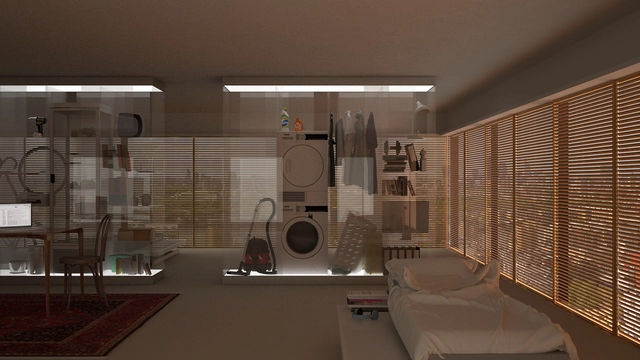
Interior design by REAL Foundation for Common Stock: Sharing as Luxury, the fourth tower in the Derivative Architecture series. Image Courtesy of Real Foundation
The Chicago Architecture Biennial is the largest platform for contemporary architecture in North America, and the blog invites designers and other contributors to express their perspectives in a range of formats. The 2017 exhibition, entitled Make New History, will be free and open to the public between September 16, 2017 and January 6, 2018.
Chicago Architecture Biennial (CAB): We want to start by noting that REAL foundation, which stands for "Real Estate Architecture Laboratory," is not a typical design practice. You design spaces, but you also make books, exhibitions, a magazine, and tools for advocacy. Why?
Jack Self (JS): The REAL foundation is an unusual model for an architectural firm. We're a normal architectural practice, but we are governed by a very strict set of conditions that allow us to pursue certain political and economic ideologies. We see the social role of the architect, as well as the structure of the architectural firm, as a subject for design as much as buildings.
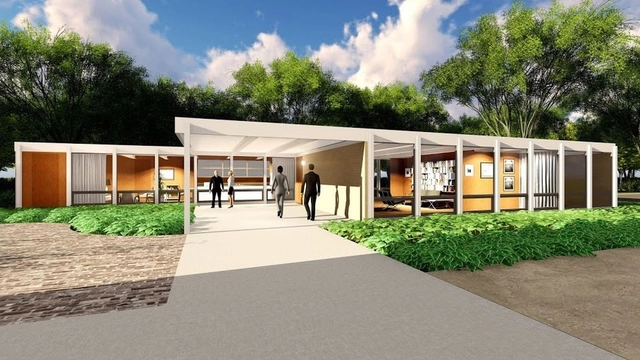
As Mies van der Rohe’s adopted city, Chicago and its surrounding area are home to more of the Modernist architect’s projects than anywhere else in the world, from Crown Hall to Federal Center to the Farnsworth House. Perhaps for that very reason, the McCormick House, located in the Chicago suburb of Elmhurst, is one of the lesser known projects in the architect's’ oeuvre – despite being one of just three single-family homes in the United States completed by Mies.
Built in 1952 for Robert McCormick Jr. – the owner of the land where Mies' 860-880 N. Lake Shore Drive was constructed – the house was moved down the street in 1994, where it was attached to the newly built Elmhurst Museum of Art via a 15-foot-long corridor. While its relocation allowed the building to remain in good care over the next 23 years, it also obscured the home’s front facade, “camouflaging one of the most prized objects in the museum's collection.”
But that’s all about to change, thanks to an upcoming restoration that will remove the offending corridor, allowing the original architecture to shine once again.
In the tenth episode of GSAPP Conversations, Jorge Otero-Pailos (Director of the Historic Preservation Program at Columbia GSAPP) speaks with Francine Houben, founder and creative director of the Dutch practice Mecanoo. Recorded before the school's annual Paul S. Byard Memorial Lecture, their conversation centers on her practice's work to renovate and redevelop the Martin Luther King Jr. Memorial Library in Washington D.C., Mies van der Rohe's last building and only library project.
https://www.archdaily.com/874332/francine-houben-mecanoo-on-washington-dc-central-library-a-balancing-act-between-mies-van-der-rohe-martin-luther-king-jrAD Editorial Team
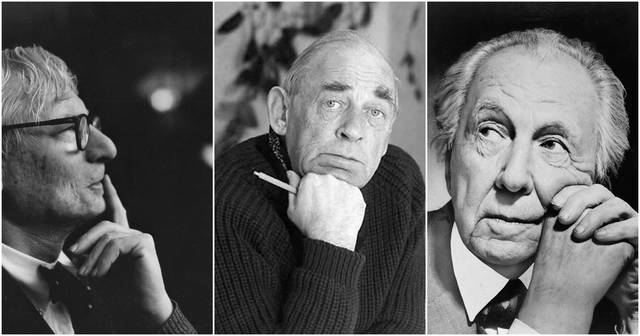
Famous architects are often seen as more enigma than person, but behind even the biggest names hide the scandals and tragedies of everyday life. As celebrities of a sort, many of the world's most famed architects have faced rumors and to this day there are questions about the truth of their private affairs. Clients and others in their studios would get a glimpse into an architect’s personal life, but sometimes the sheer force of personality that often comes with creative genius would prevent much insight. The fact remains, however, that these architects’ lives were more than the sum of their buildings.
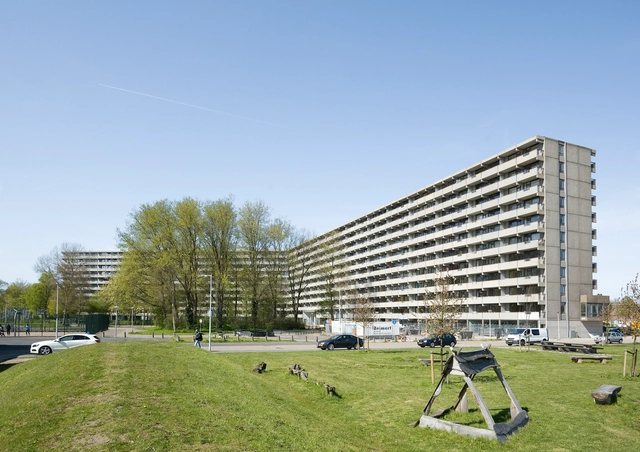
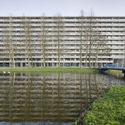
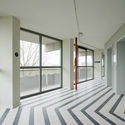
One of the largest residential buildings in the Netherlands, the complex was saved from the wrecking ball through its transformation into a rejuvenated framework called a “Klusflat," within which inhabitants could renovate their apartments by themselves. This is the first time the award has been given to a renovation of an existing building.
What did Pritzker Prize winner Frank Gehry get when he designed the Stata Center, an exuberantly whimsical academic complex for MIT? A very large check, plus a major lawsuit, alleging negligence and breach of contract due to rampant leaks, mold, cracks, drainage problems and sliding ice. Sometimes the most inspired designs can go awry. And when they do, some clients lawyer up. Here are 9 fascinating examples.
Mies van der Rohe’s seminal Barcelona Pavilion is one of the most well-loved structures in the history of architecture, a de facto pilgrimage site for architects and architecture lovers around the world. Now, even those unable to make the trip have the opportunity to get a tour of the beautiful structure, thanks to a new virtual walkthrough produced by The Mies van der Rohe Foundation.
“Our instincts could be summed up by the words of Peter Smithson: ‘things need to be ordinary and heroic at the same time,’” said Jury Chairman Stephen Bates. “We were looking for an ordinariness whose understated lyricism is full of potential’.”
Through April, the jury members will visit each finalist project to evaluate the buildings firsthand and to see how they are used by the public. The Prize Winner will be announced in Brussels on May 16.
One of architecture’s greatest tales – the commission of Mies van der Rohe’s seminal Farnsworth House – is set to receive the Hollywood treatment. As reported by Showbiz 411’s Roger Friedman, the story of the home’s construction will be taken on by actors Jeff Bridges (as the architect) and Maggie Gyllenhaal (as Dr. Edith Farnsworth), who last teamed up for 2009’s acclaimed Crazy Heart.
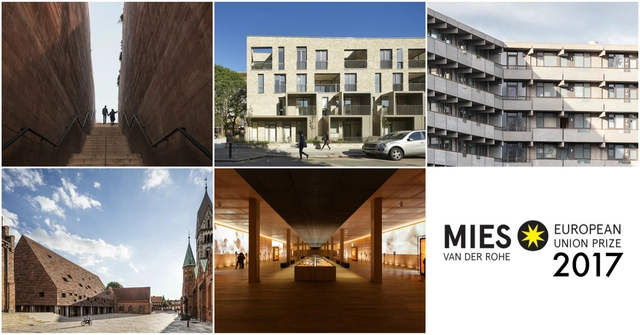
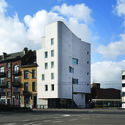
The European Commission and the Mies van der Rohe Foundation have announced the 40shortlisted works that will compete for the 2017 European Union Prize for Contemporary Architecture – Mies van der Rohe Award. The jury has chosen from 355 nominated works and the shortlist highlights the opportunities and the trends of today’s European territory: cities, housing, heritage, and memory. The five finalists will be announced in mid-February and the winner and the Emerging Architect in mid-May.
A third of the works tackle the challenge of contemporary architecture in relation with built heritage and a third of the work tackles the contemporary challenges of housing. The management of the historic urban landscape will be among the priorities highlighted by the ‘European Year of Cultural Heritage' in 2018.
"I would want the shortlisted schemes to demonstrate an interest in making places, in exploring convention and known typologies, in celebrating the pleasures of everyday use by a consideration of detail and an unspoken resistance to the current global tendency towards a self-referential architecture, one that belies context and the act of inhabitation." - Stephen Bates, Chairman of the Jury.



















.jpg?1494051634)