Focusing on competition entries, this week’s curated selection of the best-unbuilt architecture from our readers' submissions, highlights projects from across the globe, presented part of international contests. Some are winners, some are not but all of the featured schemes have an intriguing conceptual approach, and a different story to tell.
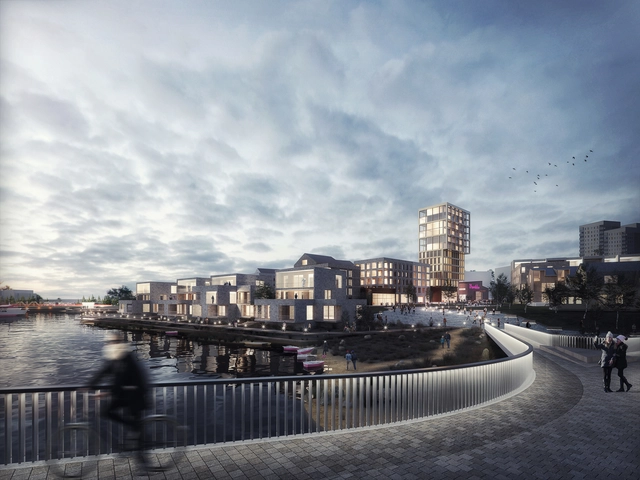
Tackling diverse programming, the entries include an urban public housing proposal in South Korea, the Dianju Village Library in China and a new Future-Oriented Neighborhood in Finland combining urban and sustainable living. Moreover, the article showcases rare and unconventional functions like a hospital for psychiatry & neurological diseases in Turkey and an intervention on a famed Oscar Niemeyer site.
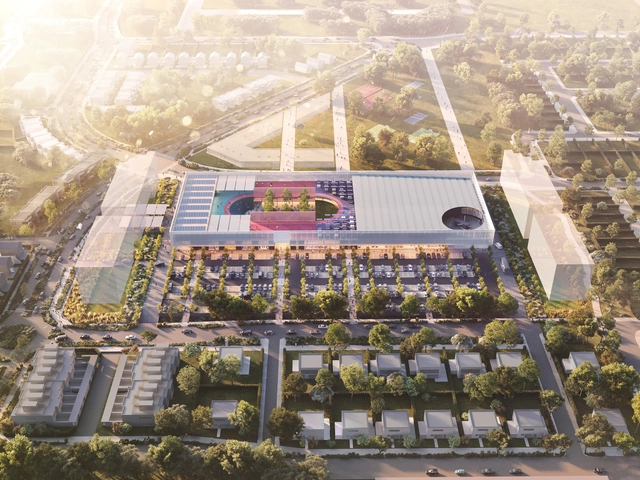
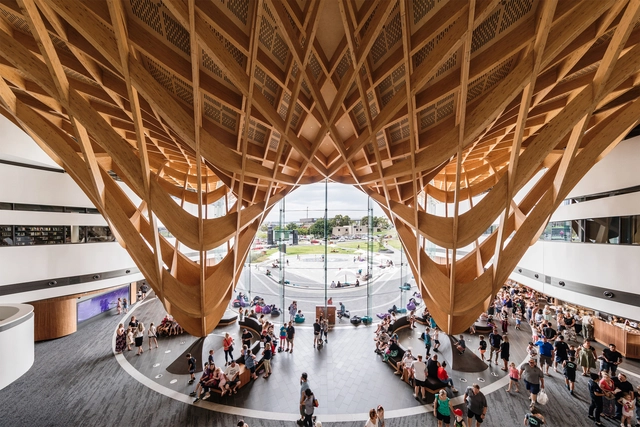
OMA is designing a 10,000-square-metre shopping center integrated with community spaces in Melbourne, Australia. Entitled the Wollert Neighborhood Centre, the project is located in Wollert, Whittlesea, one of Victoria’s fastest-growing regions, in the suburbs of Melbourne.
Australian architecture is rooted in the land. From environmental and climatic concerns to the country's unique cultural background, the built environment down under is defined by a history of connections to local contexts. Today, Australian architecture has also come to embrace a multicultural identity, with a new class of cultural projects showcasing how contemporary buildings and structures are being designed for the future.
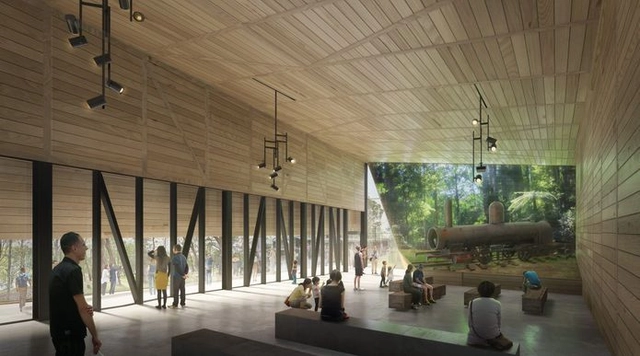
Architecture practice TERROIR has designed a new visitor center for Victoria’s Puffing Billy Railway in Australia. The $20 million project is sited within the Dandenong Ranges, 40 kilometres east of Melbourne. TERROIR were shortlisted from an open tender as one of five firms to compete in a design competition. The studio's strategy was to focus on creating a visitor experience anchored within the authentic sights, smells and sounds of the railway.





















.jpg?1584402646 "© Peter Clarke")
.jpg?1584401314 "© Peter Clarke")