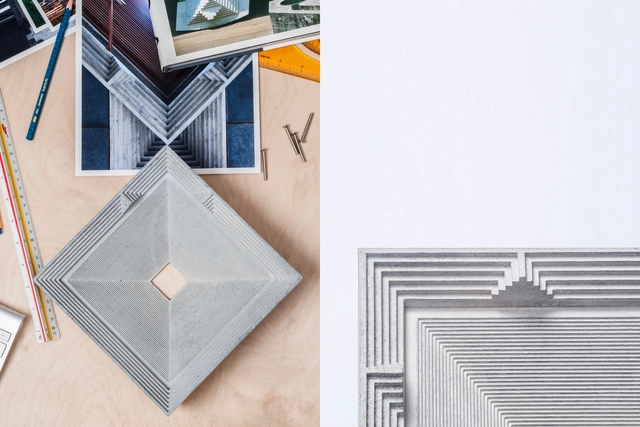
Material Immaterial Studio has unveiled MIRAGE, a series of concrete furniture hardware inspired by the works of architect Carlo Scarpa.


Material Immaterial Studio has unveiled MIRAGE, a series of concrete furniture hardware inspired by the works of architect Carlo Scarpa.
.jpg?1489775474&format=webp&width=640&height=580)
This article is part of our new series "Material in Focus", where we ask architects to share with us their creative process through the choice of materials that define important parts of the construction of their buildings.
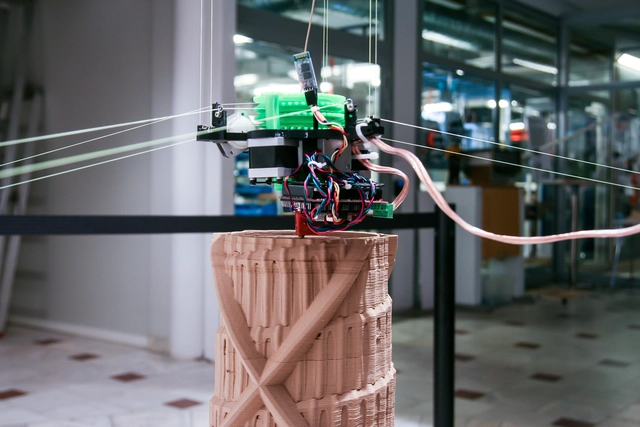
Sliperiet, Umeå Arts Campus has developed a new type of 3D printer that features increased printing flexibility at a lower cost. Called Hangprinter. The system is suspended by a series of thin fishing lines, it does not require a frame or rails, but rather, it can be attached to any stable surface, for instance, a ceiling.
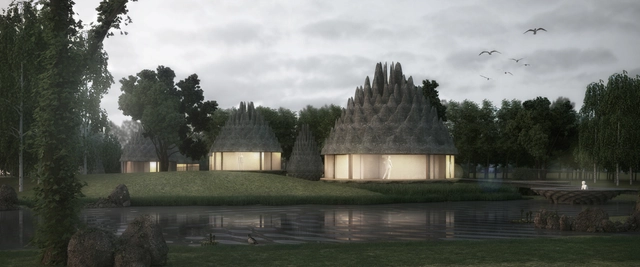
Focussing on prefabricated and sustainable means of construction, Italian practices 3GATTI Architecture Studio and OFL Architecture have envisioned an airy forest resort and spa in the historical region of Kurzeme, Latvia. The Pinecones Resort does its name justice by the spiky cone-like units that inhabit the site, made possible through the use of an inflatable roof constructed from ETFE, a lightweight polymer film.
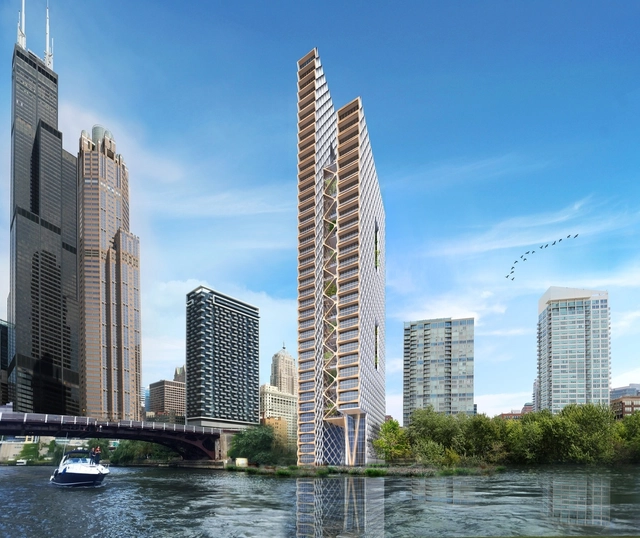
A new piece of bipartisan legislation has been tabled by The United States Senate and House of Representatives named the Timber Innovation Act. The bills were put forward to further the development of tall timber buildings in the US, thereby supporting the nation’s considerable timber market and the rural manufacturing jobs it entails.
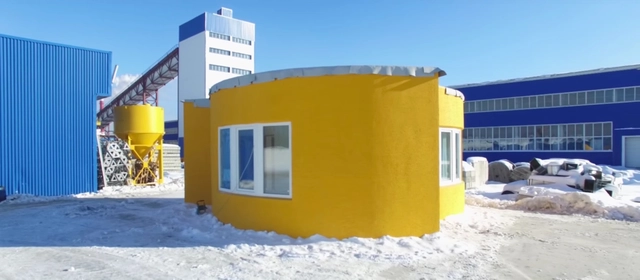
In recent times, 3D printing technology has made some great strides in its production content and quality, and now it has successfully printed the world’s first liveable house in Stupino, Russia. Responsible for this feat are San Francisco 3D printing startup Apis Cor, and Russian real estate developer PIK, who began the project in December of last year.
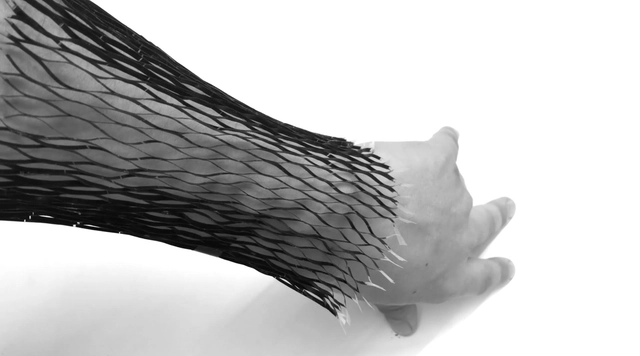
Researchers at MIT’s Self-Assembly Lab have recently developed an adaptable material that reacts in response to changes in heat. Known as Heat-Active Auxetics, the material functions in a similar manner to the pores on human skin, tightening and loosening based on exposure to various temperatures.
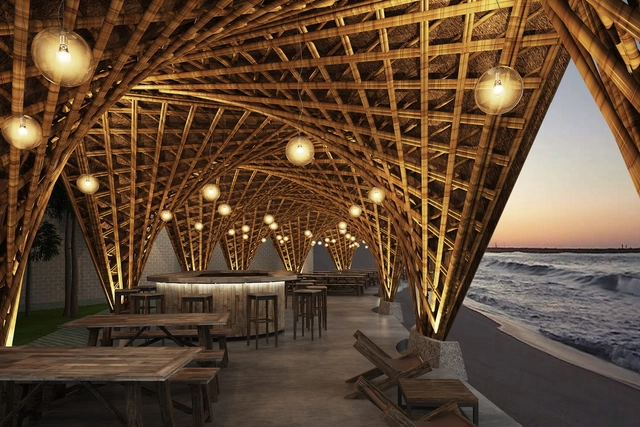
Vo Trong Nghia Architects (VTN Architects), has revealed plans for a remote resort located on a private beach on a tiny island in the Ca Ba Archipelago of Vietnam. The exclusive resort will consist of a series of structures constructed of the firm’s trademark material, bamboo, and will accommodate up to 160 guests. The resort will be located 2 hours from the nearest airport and accessible only by boat, ensuring visitors will be treated to an exclusive experience within the island’s tropical environment.
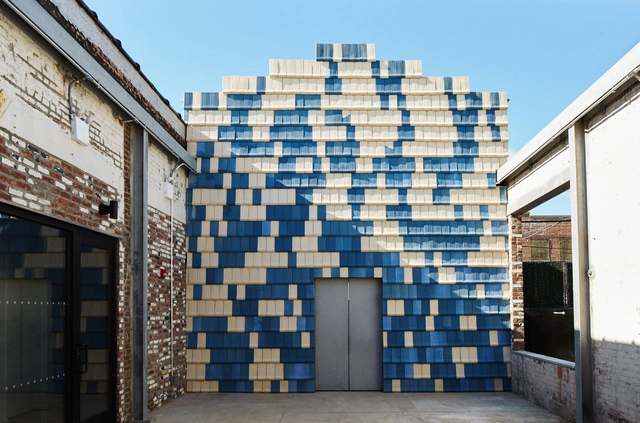
London-based architecture collective Assemble is set to transform an outdoor courtyard at A/D/O in Brooklyn into a ‘model factory’ to explore utopian ideals of work. The Turner Prize-winning architects will use their first site-specific installation in the U.S. entitled ‘A Factory As It Might Be’ to depict a vision of how society should build and function using abundant, malleable materials.
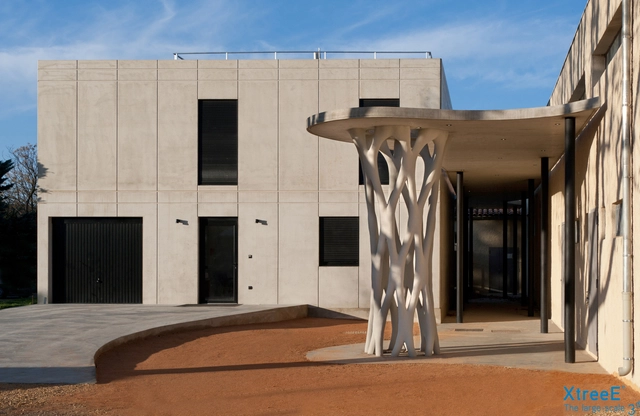
While large-scale 3D printing for architecture continues to be a busy area of research, France-based company XtreeE has been using 3D printed concrete in projects since 2015. Their latest creation is an organic truss-style support structure for a preschool playground in Aix-en-Provence.
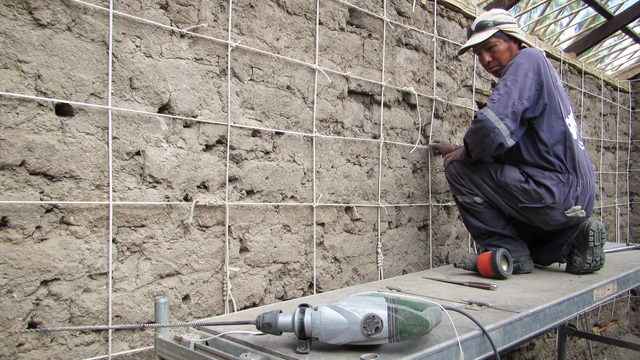
In the city of Belén, Chile, as a part of the second phase of a Training Program for the Restoration of Facades in Belén, two historically important structures were recently completely restored. The project was financed by the Regional Government of Arica and Parinacota and SUBDERE (Undersecretariat of Regional and Administrative Development), in partnership with the Altiplano Foundation.
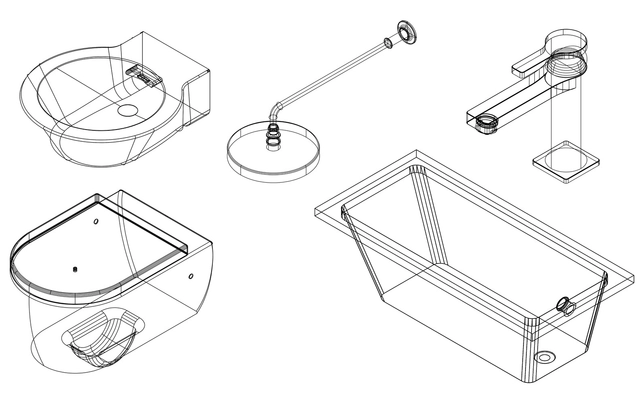
In order to support the design work of our readers, the company Porcelanosa Grupo has shared with us a series of .DWG files of its various bathroom products. The files include both 2D and 3D drawings and can be downloaded directly from this article.
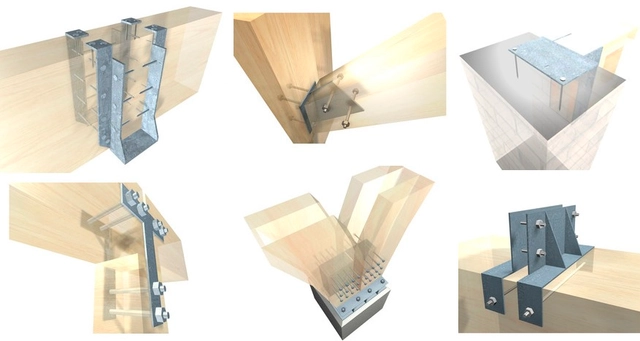
When designing wooden structures, it’s very important to consider joints and reinforcements that will allow them to stay together and upright. These connectors not only allow for adhering wood to wood but also let you anchor wood elements to brick and concrete walls.
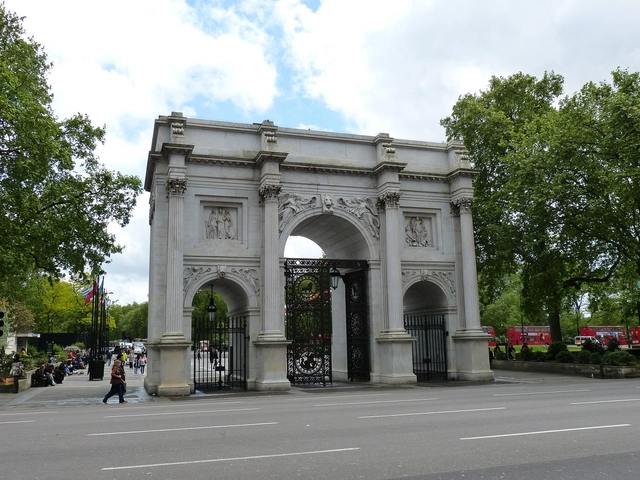
Researchers at Princeton University’s Department of Civil and Environmental Engineering have discovered that hydroxyapatite, the primary compound found in human teeth and bones, can be used to help preserve the condition of marble, which is prone to cracking and deteriorating as a result of the effects of pollution and the weather.
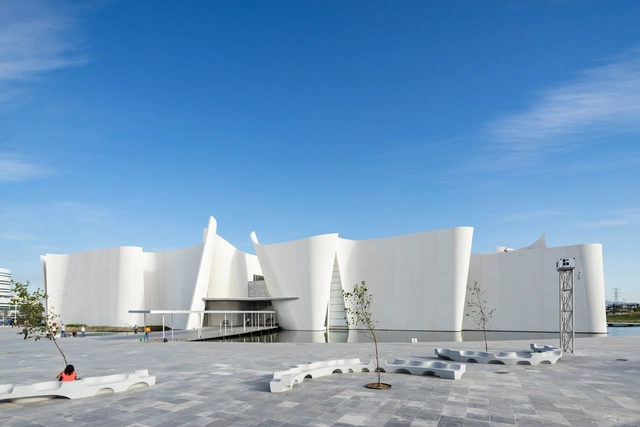
This article is part of our 'Innovative Materials' series where we ask architects about the creative process behind choosing the materials they use in their work.
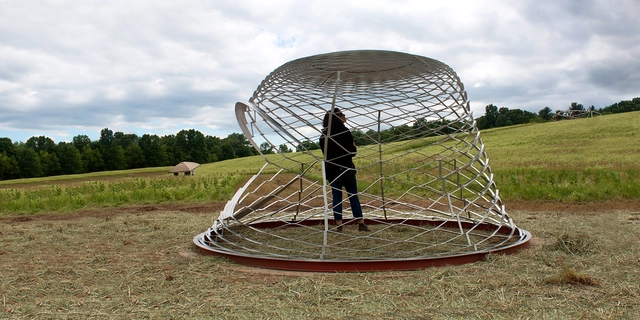
This article was originally published by Autodesk's Redshift publication as "Haresh Lalvani on Biomimicry and Architecture That Designs Itself."
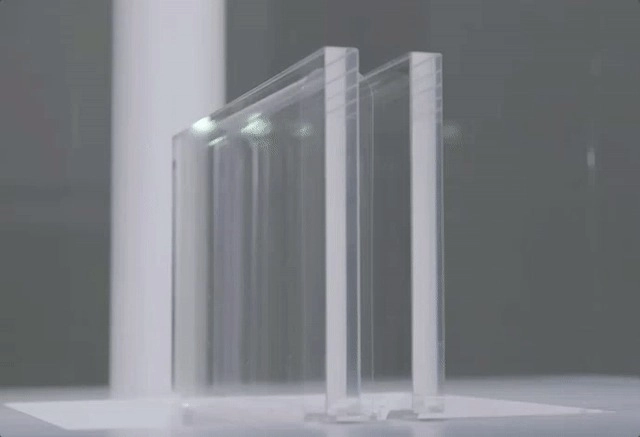
Superthin, flexible glass sounds like something out of a fantasy world – but in fact, it’s something many of us already use everyday as screens for our smartphones and watches. In this video from the Science Channel’s How It’s Made, the intricate process for creating this material, produced by glass manufacturer Schott, is revealed. Watch as the components of the glass are carefully measured out and blended before being melted and reformed into ultrathin sheets.
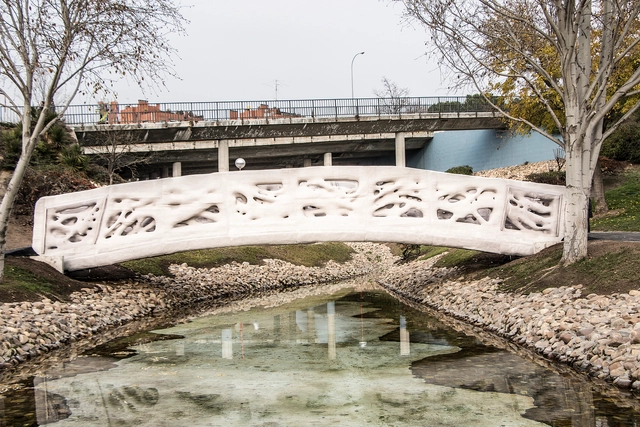
The first 3D printed pedestrian bridge in the world opened to the public on December 14 in Madrid. Led by the Institute of Advanced Architecture of Catalonia (IAAC) in a process that took a year and a half from its conception, the structure crosses a stream in Castilla-La Mancha Park in Alcobendas, Madrid.