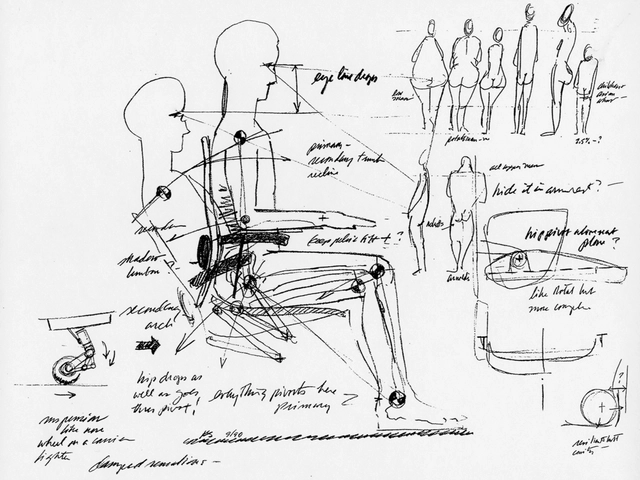
It's common sense: a good design is based on people and what they really need. As architects, are we deepening enough to give the correct answers to the requirements we face in each project?


It's common sense: a good design is based on people and what they really need. As architects, are we deepening enough to give the correct answers to the requirements we face in each project?
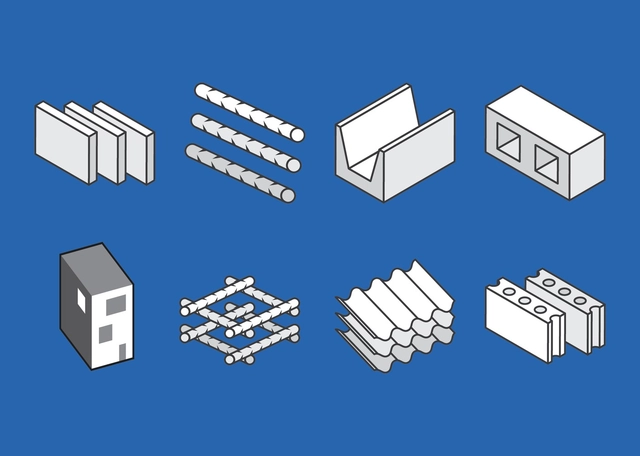
Online courses have gained more and more recognition in the past couple of years. In addition to the flexibility and convenience of learning wherever and whenever you want, they provide access to content from well-respected professors and colleges. In the field of architecture and construction, online courses have grown exponentially. Last year, we compiled a list that focused mainly on constructive and material techniques. This time we selected 15 online courses covering a range of subjects. We hope this selection of courses can help you with your next project.
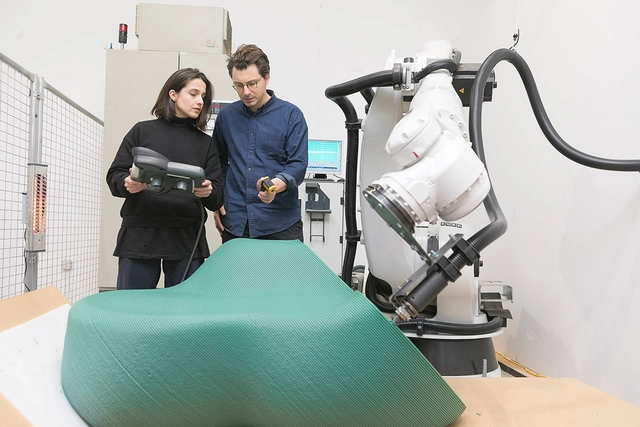
The New Raw has launched the Zero Waste Lab in Thessaloniki, a research initiative where Greek citizens can upcycle plastic waste into urban furniture. Part of the larger Print Your City project, the project utilizes a robotic arm and recycling facilitates to create custom furniture pieces that close the plastic waste loop. The initiative aims to use flakes from recycled products to redesign public spaces within the cities.
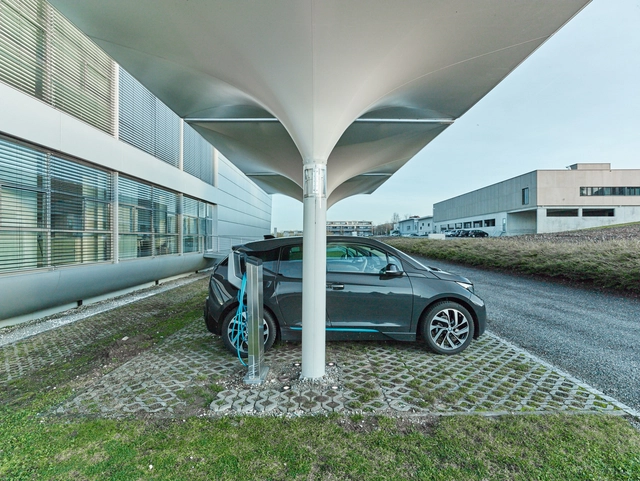
In recent years, solar energy has become a very popular method to power electric vehicles. This emerging technology has motivated the development of new architectural typologies. An evident evolution of traditional gas stations, it could be foreseen that solar-powered charging stations will begin to significantly grow in numbers in our cities in both public and private spaces.

Since its discovery in 8700 B.C., copper has been one of the most used metals in the history of humankind. It has a variety of uses from coins and weapons to statues and even architecture. One of its first architectural uses was in Ancient Egypt for the massive doors of the temple to Amen-Re at Karnak in 300 B.C.
The versatility of the material continues in architecture to this day, allowing for a variety of unique designs and uses. The innovative, efficient, and lightweight material is versatile in its use, ranging from facades to roofs, interior applications, and high tech solutions. Sustainable in its natural form, the material is 100% recycled. As the state of architecture becomes more focused on sustainability, copper becomes the ideal material for the buildings of today.
Below, we’ve selected 7 projects that use architecture's original bling.
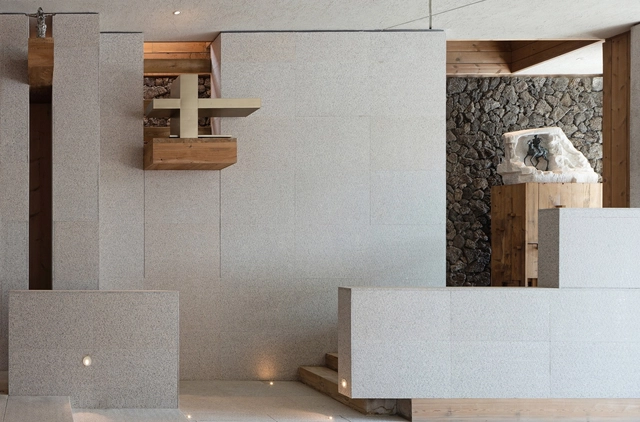
In this project, we hope everywhere is full of the scenery, picture, light, mood and life, so very greedy to show all the content in the project, so we are very greedy to show all the content in this project.
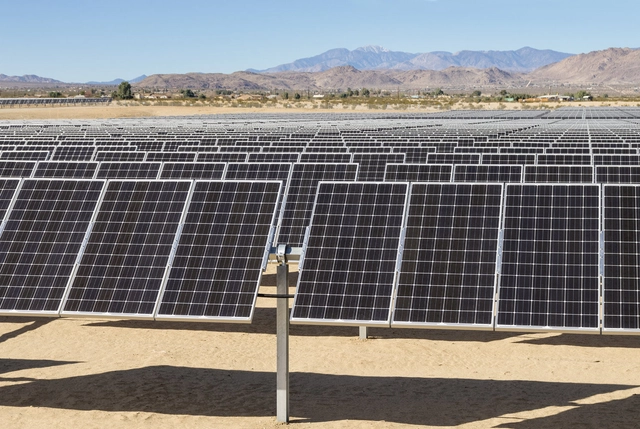
The California Building Standards Commission has approved a new rule starting in 2020 that requires all new homes built in the state to include solar panels. As the first of its kind in the United States, the new rule includes an incentive for homeowners to add a high-capacity battery to their electrical system. The move hopes to help meet the state's goal of sharply reducing greenhouse gas emissions while drawing all electricity from renewable energy sources.

With the right configuration of materials and shapes, small enclosure, such as bathrooms, have unending design potential. Progressively, architects and designers are striving to make washrooms more welcoming and attractive places for its users. Often times we will hear clients ask for their bathroom to be somewhat of a personal spa. This week we have compiled 10 compelling images of bathrooms from all over the world. Bathrooms whose materials, patterns, colors, shapes, and textures begin to tell a story. Below, photographs by Peter Clarke, José Hevia, and Erieta Attali.
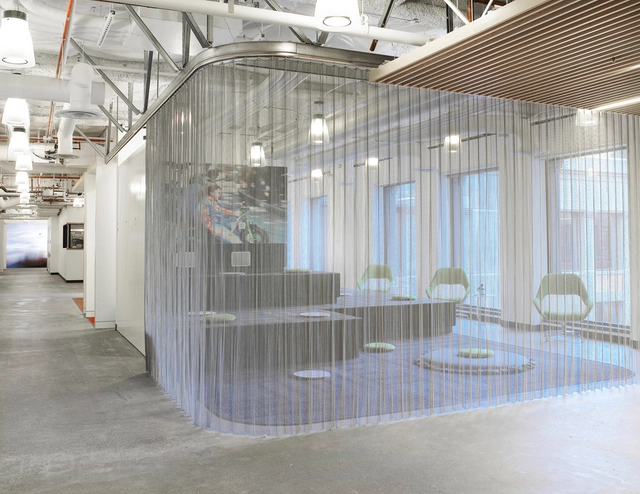
Using coiled wire fabric to divide interior spaces allows for both open and non-invasive partitioned areas. The installations add texture but maintain a soft, semi-opaque appearance. These functional room dividers are composed of coiled wire fabric woven into different thicknesses, which provide a flexible design and moldability.
Today we will highlight its use as an operable room divider, but coiled wire fabric can also be used as a ceiling treatment, exhibit and retail displays, wall coverings, artistic elements, and much more.
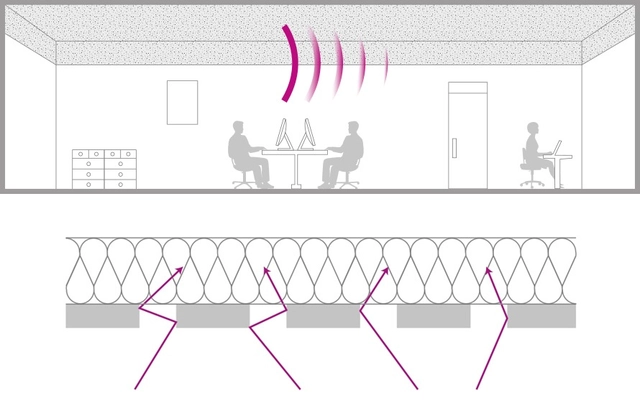
There are many ways to solve the acoustic comfort of the interior spaces we design, using materials and solutions of different prices and appearances. Perforated cardboard gypsum boards are an economical and efficient option to incorporate into projects, absorbing the sound and reducing the noise level generated by the reverberation through different patterns and shapes.
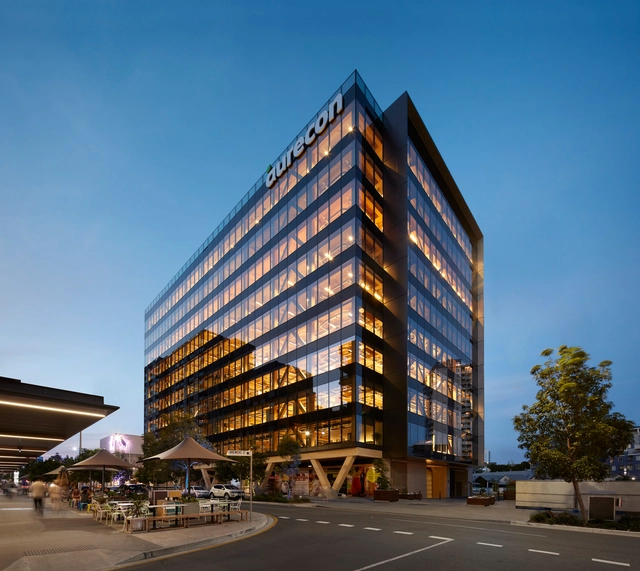
Australia’s largest engineered timber commercial building has opened in Brisbane, designed by Bates Smart. At 10 stories, and 45 meters in height, the “25 King” open plan office complex is the tallest timber structure in Australia, and “establishes new frontiers in the design of commercial buildings.

Home automation, or Domotics, is a set of technologies applied to a residence to control lighting, climate, entertainment systems, and appliances. Its systems allow for efficient management of energy consumption, security, accessibility, and the general comfort of the building, becoming an important issue to consider when designing, building, and living.
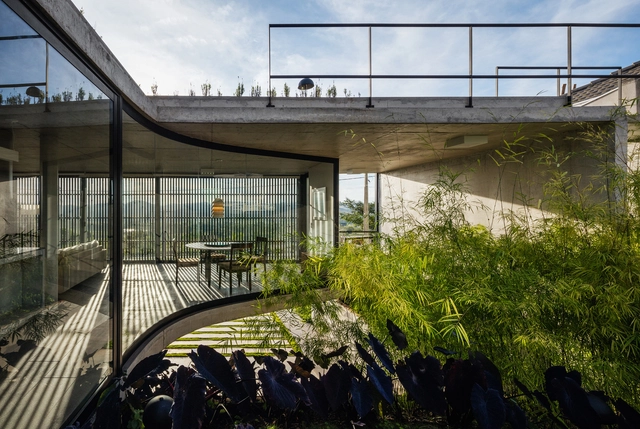
Concrete may be the material most associated with modern Brazilian architecture; high resistance to compression and, when armed, capable of assuming various forms. Its plasticity has made it a favorite material for some of Brazil's most expressive architects of the last century.
Today, it is still widely explored in the architectural production of Brazil, either for its structural robustness, ease of maintenance, or aesthetic value.
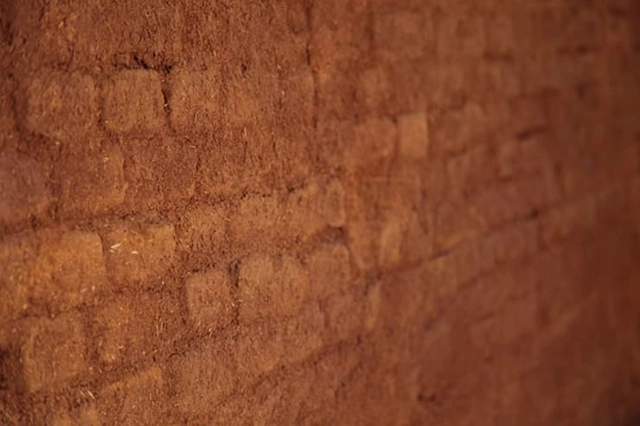
The use of earth plaster is very common in natural buildings; it is the same mixture used in adobe. Though easily made, its use is not widely known. Rafael Loschiavo, from Ecoeficientes, teaches the step-by-step method for bringing a new life to a run-down wall without the need for major renovations.
.jpg?1540932376&format=webp&width=640&height=580)
Surely every architect has wondered how the fluid but complex forms of the architecture of Zaha Hadid Architects are brought to reality. And it's beautiful to see how an initial conceptual idea –probably drawn as a quick sketch– materializes in precise and detailed planimetric drawings.
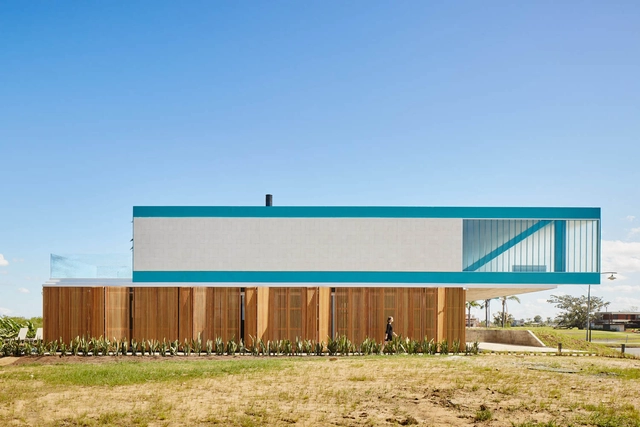
Metallic elements have been used in architecture and civil construction for hundreds of years, either as decorative elements, coverings or even to reinforce masonry structures. However, it is only in the second half of the eighteenth century that the first bridges emerge whose structure was entirely made of cast iron. A century later, iron was replaced by a more resistant and malleable alloy, still used today in architecture: steel.
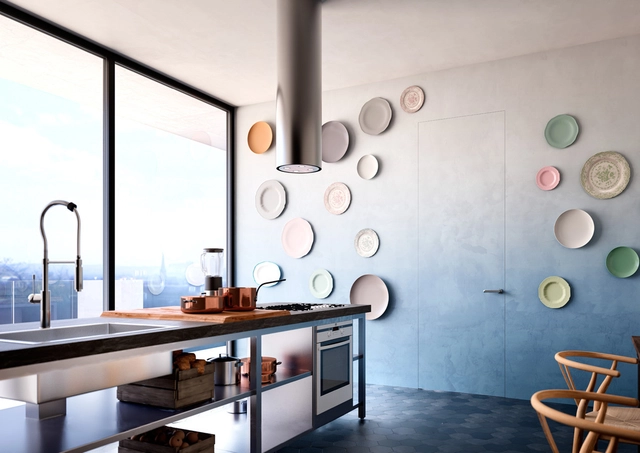
Sometimes a door can be a huge headache in a project. Think of a continuous, clean facade... having a door in the middle of it can ruin the clarity of the design. But a door need not be the traditional wood-paneled, brass-knobbed portal most of us are used to, much less an eyesore.
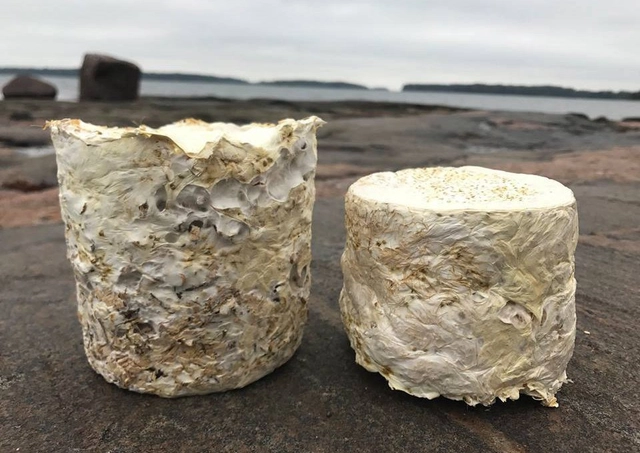
UK entrepreneur Ehab Syed has developed a mushroom-based insulation with his company Biohm, embodying techniques that are “completely natural, biodegradable and vegan.”