Marcel Gautherot

BROWSE ALL FROM THIS PHOTOGRAPHER HERE

How Labor Shortages Are Reshaping Architecture

Audio available

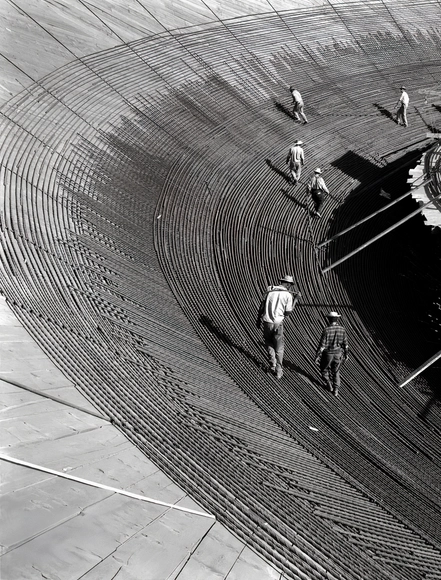
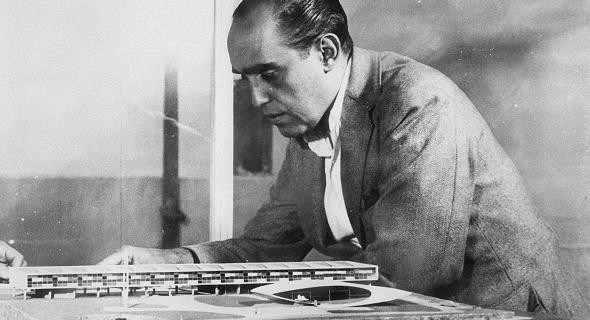
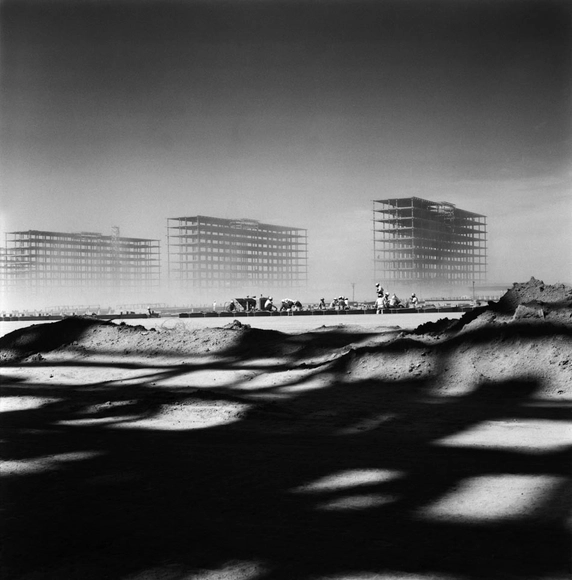
Building a city from scratch is no easy task. It never has been, and it never will be. The very idea of creating something that would otherwise develop and grow gradually demands resources, organization, and, above all, labor. This was the case in 1958, when Brazil's Central Plateau became one of the largest construction sites of the 20th century for the building of Brasília. Tens of thousands of candangos (migrants coming predominantly from northeastern Brazil, many without prior technical training) arrived to build an entire capital in just over three years, under then-president Juscelino Kubitschek's motto of achieving "fifty years of progress in five." Oscar Niemeyer's architecture and Lúcio Costa's plan would not have been possible without the assumption that enough workers were available and willing to endure low wages and extremely harsh conditions to transform concrete and curves into a national symbol.

How Labor Shortages Are Reshaping Architecture - More Images+ 3

Lessons from Relocating and Building New Capital Cities in the Global South

Subscriber Access | 

The relocation of a capital city is a complex urban decision with various dimensions and consequences for both the old and new capital. It can be driven by political, economic, societal, and other factors, and has urban and architectural implications for residents. These include factors such as location, planning, building design, the purpose of the old capital, climatic conditions, and separating the political/administrative hubs from cultural and economic cities.

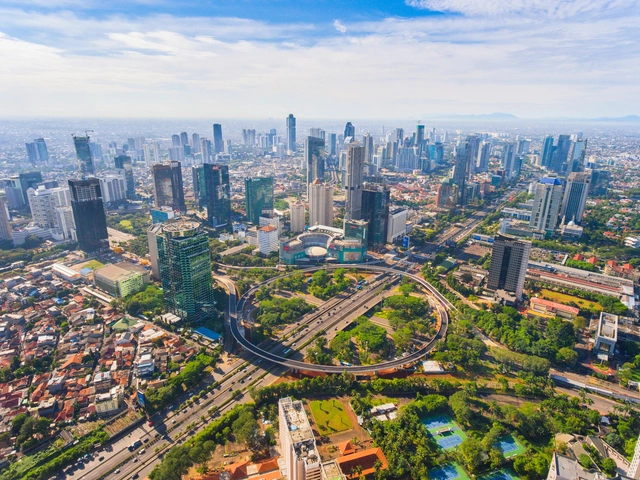
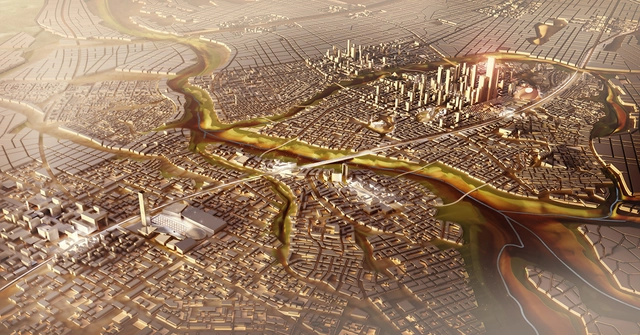
In light of the ongoing urban discourse, countries like Egypt are constructing a new capital city to alleviate population and urban stress on Cairo. Similarly, Indonesia is planning a new capital in response to challenges faced by Jakarta, such as pollution, traffic congestion, and rising sea levels. It is valuable to examine other countries in the global south that have relocated their capital cities, noting the architectural and urban lessons learned from their experiences.

Lessons from Relocating and Building New Capital Cities in the Global South - More Images+ 3

Architecture Classics: National Congress / Oscar Niemeyer

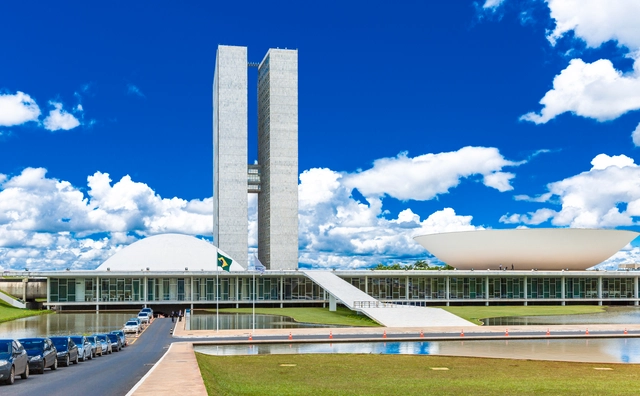
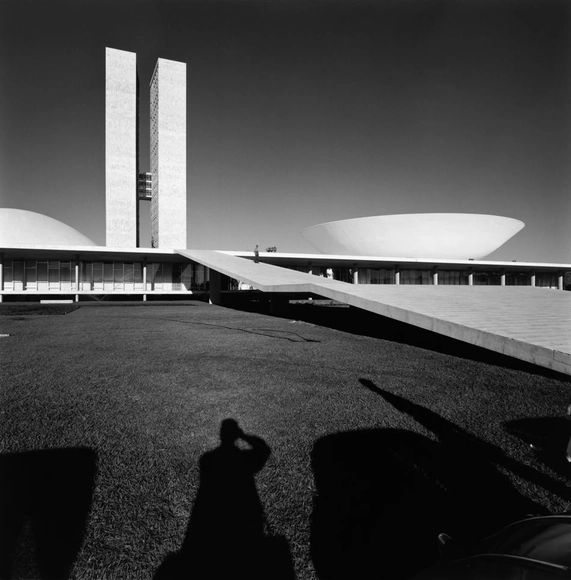
Located at the head of the abstract bird-shaped city plan by Lúcio Costa, and as the only building within the central greensward of the eastern arm of the Monumental Axis, the palace of the National Congress (Congresso Nacional) enjoys pride of place among Oscar Niemeyer’s government buildings in Brasília. The most sober of the palaces on the Plaza of the Three Powers, the National Congress reflects the strong influence of Le Corbusier, while hinting at the more romantic and whimsical forms that characterize Niemeyer’s trademark Brazilian Modernism.

Architecture Classics: National Congress / Oscar Niemeyer - More Images+ 8

Scaffolding: From Auxiliary Equipment to Primary Function

Subscriber Access | 

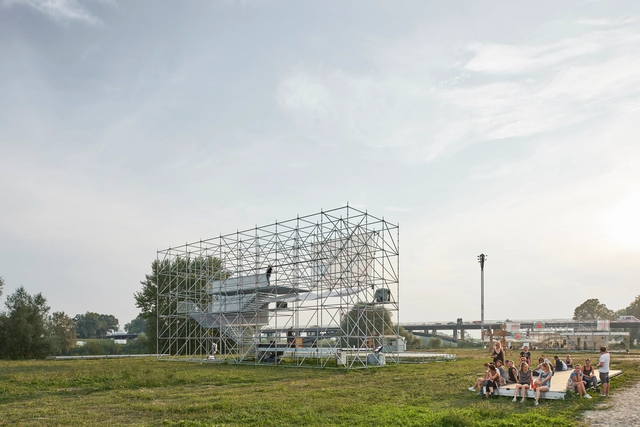
Little has been said about the contribution of scaffolding to the history of construction. These structures are generally treated as mere equipment and, as a result, their records are very scarce. Without scaffolding, however, it would be almost impossible to construct most of the buildings we know. Scaffolding allows workers to reach and move materials at difficult points in a construction, providing safety and comfort. But in addition to its role as a support structure for buildings, we have also seen that scaffolding can be used for mobile, temporary, and even permanent structures. Below, we explain its history and possibilities for use.

Spotlight: Oscar Niemeyer

Spotlight: Oscar Niemeyer - Image 23 of 4
Cathedral of Brasília. Image © Gonzalo Viramonte

Oscar Ribeiro de Almeida Niemeyer Soares Filho, or simply Oscar Niemeyer, (December 15, 1907 – December 5, 2012) was one of the greatest architects in Brazil's history, and one of the greats of the global modernist movement. After his death in 2012, Niemeyer left the world more than five hundred works scattered throughout the Americas, Africa, and Europe.

Spotlight: Oscar Niemeyer - More Images+ 20

Fantastic Images of Architecture in the Fog: The Best Photos of the Week

Subscriber Access | 

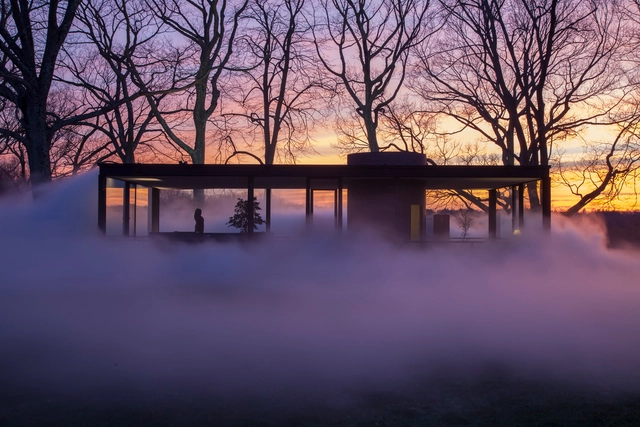
Taking photographs in fog can be an experience as chaotic as it is enchanting. Although working with this phenomenon can be risky, since fog dramatically modifies the available light and the atmosphere of a scene, if you know how to take advantage of it, the result can lead to perfect photographs. Below is a selection of 10 images from prominent photographers such as Kevin Scott, Richard Barnes, and Koichi Torimura.

Fantastic Images of Architecture in the Fog: The Best Photos of the Week - More Images+ 5

Open Call: US Searches for Architect to Design New Embassy Compound in Brasília

The United States Department of State (DOS) has released a request for information (RFI) in search of architects interested in designing a New Embassy Compound (NEC) in Brasília, the federal capital of Brazil. The (up to) $350 million, design-bid-build project will be located on a 4.86 hectares (12 acres) site near the seat of the Brazilian Government within the city's planned "Diplomatic Sector." All proposals must take in considering the site's conditions, the city planning context and the architectural significance of Brasilia as a 1956 urban planned city and now UNESCO World Heritage Site. More details after the break.

6 Politically Motivated Cities Built From Scratch

Subscriber Access | 

Threatening to end Cairo’s 1,046 year dominance as the country’s capital, earlier this month the government of Egypt announced their intentions to create a new, yet-to-be-named capital city just east of New Cairo. The promise of the more than 270 square mile ‘new New Cairo’ has attracted headlines from around the world with its sheer scale; a $45 billion development of housing, shopping and landmarks designed to attract tourism from day one, including a theme park larger than Disneyland. And of course, the plans include the promise of homes - for at least 5 million residents in fact, with the vast number of schools, hospitals and religious and community buildings that a modern city requires - making the new capital of Egypt the largest planned city in history.

The idea of building a new capital city has appealed to governments across history; a way to wipe the slate clean, stimulate the economy and lay out your vision of the world in stone, concrete and parkland. Even old Cairo was founded as a purpose built capital, although admittedly urban planning has changed a little since then. It continues to change today; see the full list of different ways to build a totally new city after the break.

6 Politically Motivated Cities Built From Scratch - More Images+ 39

A Year Without Oscar

It's been exactly one year since the world first mourned the passing of a great master of 20th century architecture: Oscar Niemeyer. 

After 104 years of life, the renowned architect left a profound legacy. His works  - known for their impressive curves, embrace of  light, and profound relationship to their surroundings - made him an icon. Not just in Brazil, but the world.

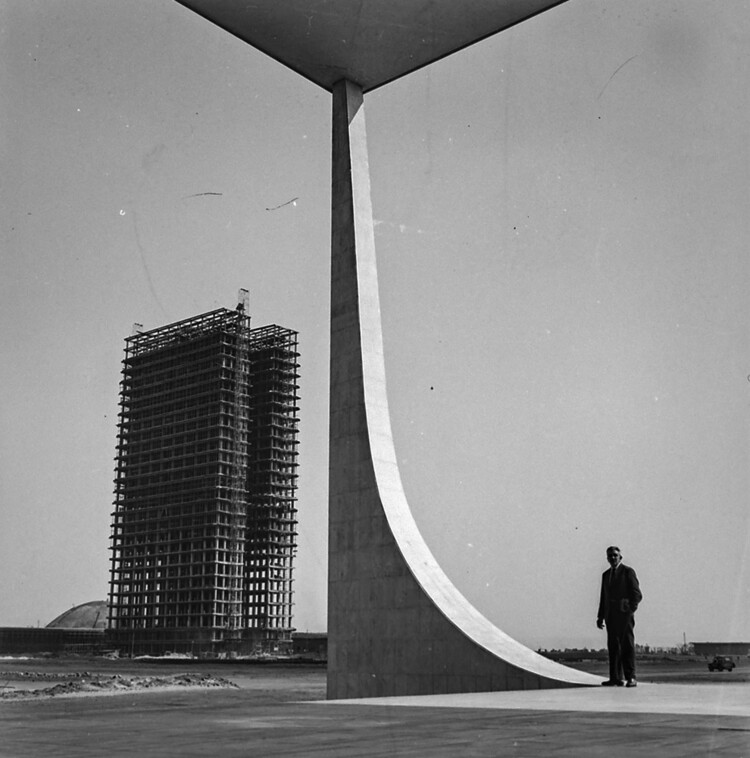
The Construction of Brasilia, photos by Marcel Gautherot

Brasilia, the federal capital of Brazil and icon of the brazilian modernism. Initially planned by the urbanist Lúcio Costa for 500,000 inhabitants (now lives more than 2,5 million people). Construction began in 1956 and included the most remarkable buildings designed by Oscar Niemeyer, reason why Brasilia is the only city in the world built in the 20th century to be awarded the status of Historical and Cultural Heritage of Humanity by UNESCO.

To honor the work of Oscar Niemeyer, we present after the brake some of the photos taken by the franco-brazilian photographer Marcel Gautherot during the construction of Niemeyer's emblematic buildings. Such as the Palácio do Planalto, Palácio de Alvorada (official residence of the President of Brazil), the Cathedral of Brasilia and the National Congress of Brazil.