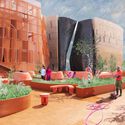
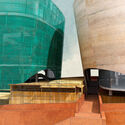
Innovative materials play a crucial role in shaping the future of architecture. They offer not only novel ways to craft buildings but also sustainable and efficient solutions to address pressing environmental challenges. Architects and designers are now more than ever exploring and integrating innovative materials into their projects. By harnessing the unique properties of these materials, they create structures with new visual languages while also being environmentally friendly.
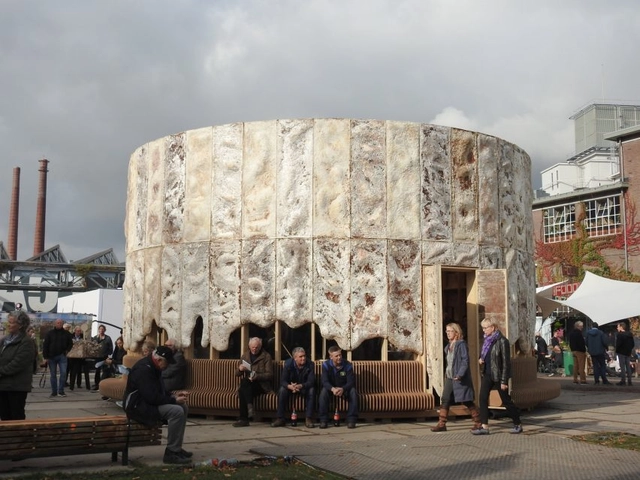
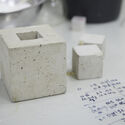
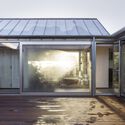
As part of our year-in-review, we reflect on the innovative materials that were featured. These materials delved into the concepts of recycling agro-waste, adapting bio-based products, transforming local materials, and decarbonizing concrete. The objective was not only to offer alternatives to traditional construction practices but also to help reduce carbon emissions and promote a more sustainable built environment. In this dynamic field, these materials demonstrate the potential to revolutionize building design and construction in diverse contexts, paving the way for a more sustainable and resilient future.
The built environment represents, for most of us, the background of everyday life, and yet, when we look at a building, we rarely understand what it is made of. In doing so, we also fail to understand its impact on us and on the larger systems of nature. Office Kim Lenschow aims to draw attention to this and to provoke critical thinking in relation to architecture and the materials that make it. By focusing on small-scale, mostly residential projects, the office seeks to reveal this hidden narrative of materials and cultivate more awareness and engagement with the structures surrounding us. For their involvement in the exploration of materials and sustainable development, Office Kim Lenschow has been selected as one of the ArchDaily 2023 New Practices. Every year since 2020, ArchDaily has curated and highlighted emerging offices that bring a new perspective to the field of architecture and design.
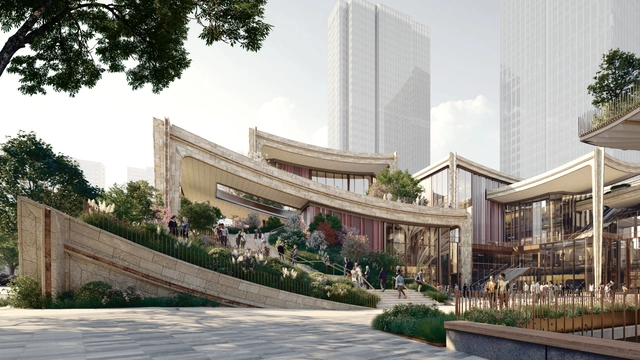
Heatherwick Studio has revealed the design of a new shopping district in the historic city of Xi’an in Shaanxi, China. The proposal aims to highlight the city’s rich heritage of ceramic-making and, through this, to create a sensory experience for visitors in opposition to the restricted act of online shopping. Spanning over 1115,000 square meters, the development features a mixture of functions, from offices, apartments, and a hotel, to a variety of green spaces, rooftop terraces, gardens, and a sunken terrace, all doubling as social spaces. The project is under construction and scheduled for completion in 2024.
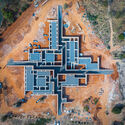
Sir Peter Cook and Gavin Robotham’s CRAB Studio has unveiled the design for a new cultural center to be constructed in New Delhi, India. Located on the site of a former quartzite quarry, the BRIJ offers facilities for the visual, performing, literary, and culinary arts as well as a new arts academy. The scheme, aiming to promote interactions between artists and audiences via an immersive environment, is designed by CRAB Studio, now led by Gavin Robotham, and CP Kukreja Architects (CPKA) as Executive Architect.
The architecture and construction industry has undergone a transformation with the integration of various digital tools, now indispensable to the design process. The welcoming of technologies has effectively streamlined operations, enhanced efficiency, and elevated design quality. This digital shift, however, has resulted in a digital divide that goes beyond accessibility to tools and software. It also encompasses the crucial aspect of integrating traditional and indigenous communities into the urban development landscape. Can advancing technology support the growth of vernacular architecture? Can indigenous building practices find a place in the vision for a digitalized future?
As we understand it today, the sustainable architecture movement began to take shape at the end of the 20th century. Essentially, it responds to growing concerns about environmental degradation, energy consumption, and resource scarcity. In this global discourse on sustainable architecture, wood has long been celebrated as a symbol of environmental consciousness and decarbonization. As one of the most widespread building materials, it has gained popularity with the rise of this movement. This is because trees absorb carbon dioxide during their growth, which stays in the wood during its construction use, keeping it out of the atmosphere.
Tropical Africa boasts vast forests that cover 3.6 million square kilometers of land in West, East, and Central Africa. These forests provide valuable timber resources that significantly impact sectors, such as the furniture, fuel, and paper industries. However, interestingly, timber is seemingly absent in the contemporary architecture of the countries in this region. While architectural taste plays a role, the main reasons for this absence can be attributed to the wood industries' inability to meet the requirements of availability, affordability, aesthetic appeal, durability, and climatic and structural performance of timber. The wood industry in tropical Africa is mainly composed of informal and small-scale operations, focused primarily on sawing logs rather than refining wood for architectural or structural purposes. Despite this, the large number of informal enterprises in the region presents an opportunity to reshape the wood industry and utilize the local forestry resources to construct timber buildings.
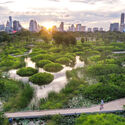
In an age where humanity's detrimental impact on the environment has become increasingly evident, the concept of rewilding is emerging as a powerful approach to conservation and ecological restoration. In line with growing attention on landscape architecture in recent years, the idea of removing human intervention from our natural surroundings in order to restore a stable equilibrium seems to offer a low-effort, ethereal way to right fundamental climate wrongs. But is a lack of meddling in nature really all there is to rewilding, and how does this relate to architecture and design? We look at key concepts, applications, and examples to find out.
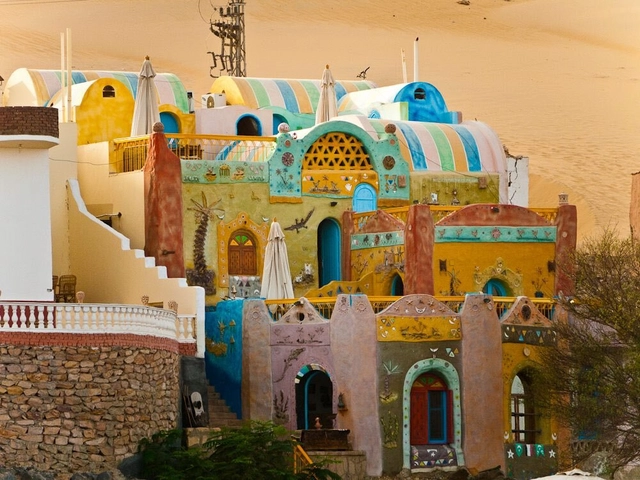
African societies' cultures are intrinsically linked to color. From fabrics to clothing, products, sculptures, and architecture, various societies explore rich and vibrant colors that are vivid, expressive, and joyful. Through different shades, hues, contrasts, motifs, and ornamentations, colors are embraced as an unspoken language, a palette for storytelling, and a sense of cultural identity. Although the use of color in African societies may seem decorative on the surface, it is extremely symbolic, with a deep sense of history behind it. Traditional African architecture is a prime example. Ethnic societies have endowed their homes with color through ornaments and motifs, expressed it with religious and cultural patterns, employed it on facades to tell familial stories, and created labyrinths of communal architecture that not only celebrate color but explore its ethnic meaning.
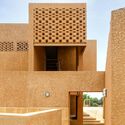
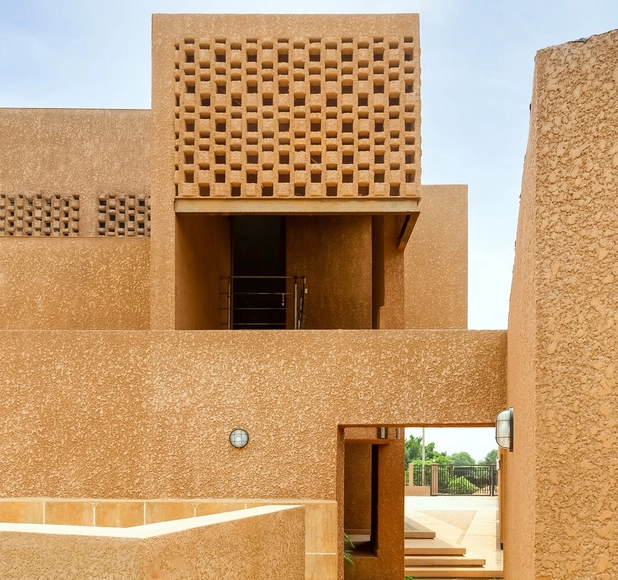
In Lagos, a city with a complex urban fabric that includes historical buildings and vast interpretations of contemporary architecture, lies PatrickWaheed Design Consulting (PWDC). This design practice, Co-led by Adeyemo Shokunbi, aims to contribute to a Nigerian architectural language through the renaissance of local materials. Through explorations anchored in local laterite, they have developed the material as a modern finishing technique, investigated its potential as a natural dye, discovered new ways to employ its thermal properties, and now build the research prospect of other local materials. I had the opportunity to speak with Architect Shokunbi, who discussed the initial inspirations and investigations during the construction of two building projects (Mad House & Abijo Mosque) in Lagos. These projects brought the Laterite finishing technique to life and now help build the case for a Nigerian architectural language.
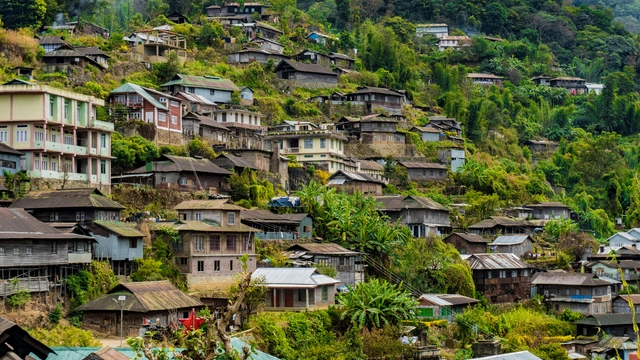
India recently overtook its sub-continental neighbor, China, to become the most populous country in the world with a demography of over 1.4286 billion people. As data from the United Nations also estimates an annual population growth rate of 0.7%, the country’s built environment is set to interact with a new discourse of demography and present its own perspective on how to build for billions. It is set to engage with new challenges of infrastructure, transportation, and adequate housing, which on the surface will force cities to constantly expand as a response to these dynamic needs. However, a critical look at the population distribution within the country reveals that the majority of Indians still live in rural areas as it caters to 65% of the population despite increasing rural-urban migration. This suggests a nudge in a different direction. One where the design and development of the rural areas take precedence over the cities. One that explores architecture in rural areas, its relationship with the cities, and its future as a primary framework to house the exploding population.
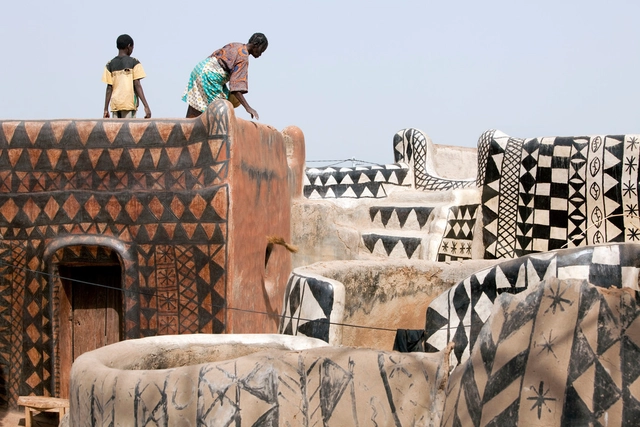
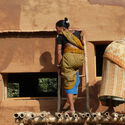
In the south of Burkina Faso, sharing borders with the northern environs of Ghana is Tiébélé; a small village exhibiting fractal patterns of circular and rectangular buildings, housing one of the oldest ethnic groups in West Africa; the Kassena tribe. With vernacular houses dating back to the 15th century, the village’s buildings strike a distinctive character through its symbol-laden painted walls. It is an architecture of wall decoration where the community uses their building envelope as a canvas for geometric shapes and symbols of local folklore, expressing the culture’s history and unique heritage. This architecture is the product of a unique form of communal collaboration, where all men and women in the community are tasked with contributing to the construction and finishing of any new house. This practice serves as a transmission point for Kassena culture across generations.
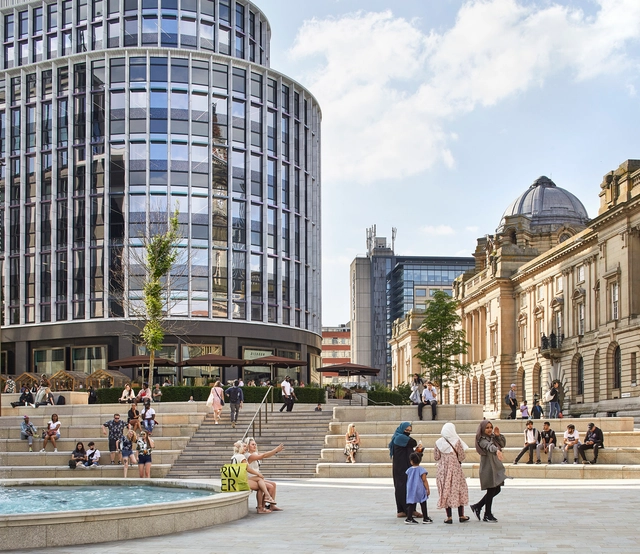
In his latest TED Talk, Thomas Heatherwick decries a condition affecting areas of the city defined by monotonous buildings, or what he calls “an epidemic of boringness.” While recognizing the functionality which drove these designs, he states that functionality alone cannot ensure that the structures become active parts of urban life, as they often fail to provoke an emotional response from passers-by. Heatherwick explains that, in his view, this emotional function, or the ability of buildings to mean something to their users and visitors, is essential. When it succeeds, architecture can positively contribute to the quality of life and well-being of its residents, promote social cohesion and contribute to a sense of identity. So how can architecture provoke a positive emotional connection and provide an enjoyable backdrop to the communities it serves?
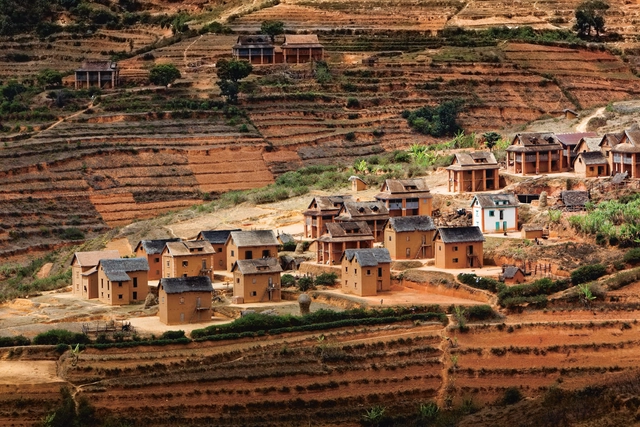
As the challenges posed by climate change increase in number and intensity, it also heightens the need to find sustainable building practices that connect to ecosystems and livelihoods rather than harm them. While often overlooked in the search for innovation, vernacular architecture can offer answers to contemporary issues. This type of architecture not only relies on readily available locally sourced materials but also on indigenous knowledge of local conditions like sun orientation, wind patterns, ventilation needs, and the behavior of materials in time. Dr. Sandra Piesik, director and architect of 3 ideas, and founder of HABITAT Coalition, explores this potential in her newest book, 'Habitat: Vernacular Architecture for a Changing Climate.'
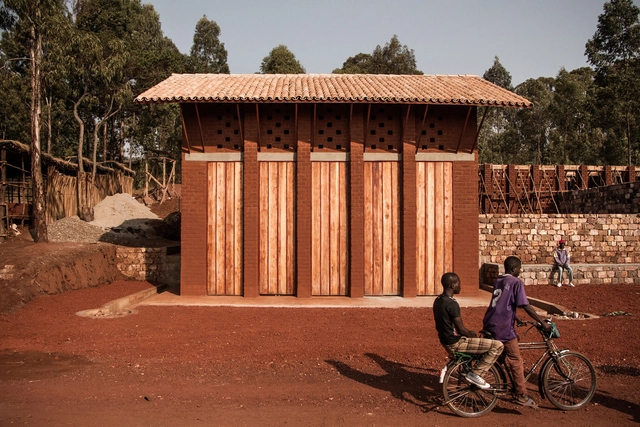
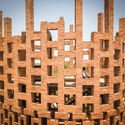
Library of Muyinga. Image Courtesy of BC Architects
Nowadays, the understanding of our building culture and the application of local construction methods may seem like a distant and obsolete concept given the role of industrialization and globalization in the construction industry. We can now obtain almost any material from around the globe just by searching the internet for a distributor in our region. But this practice has important implications for our society, from the loss of architectural identity to environmental costs related to high CO₂ emissions associated with the processes of extraction, manufacturing, transportation, and disposal of these materials.
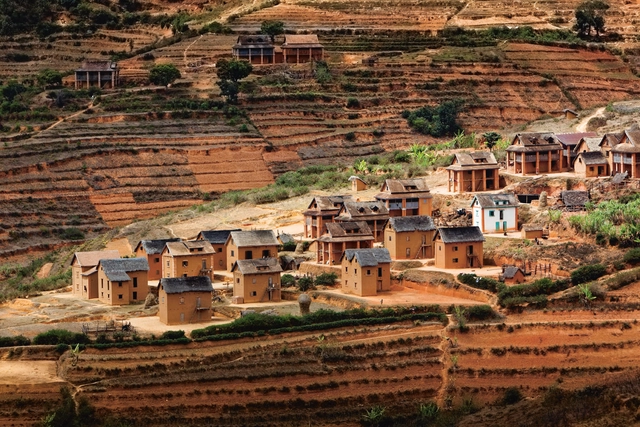
The increasing global need to reduce our carbon emissions and use materials in more efficient ways has led us to research and learn about the origin of our region's resources, eventually leading to better understanding their applications within a circular economy approach. But why not look right under our feet? Soil is one of the most common materials on the planet, and when it is locally sourced, it does not generate considerable amounts of embodied CO₂. It seems that after industrialization, we have forgotten that building with earth was for many years a viable construction method for our ancestors in different parts of the world. We spoke with Nicolas Coeckelberghs, one of the four founders of BC Materials, a worker cooperative based in Brussels that has been working with earth, rediscovering its use, and sharing its knowledge on a global scale while working with a local conscience.
https://www.archdaily.com/999074/building-with-waste-transforming-excavated-earth-into-architectureEnrique Tovar
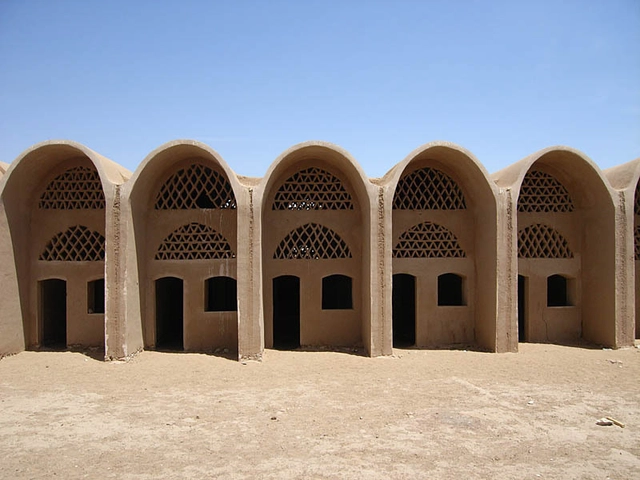
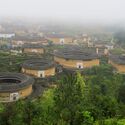
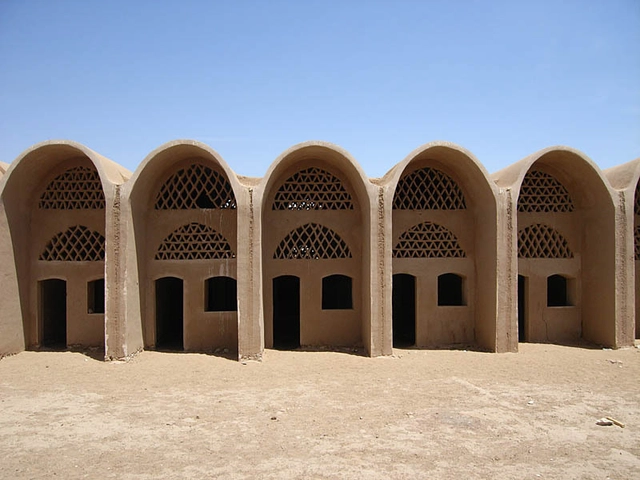
Archaeological endeavors aimed at exploring the civilizations of the past have revealed a commonality across the world. A form of architecture developed independently on every continent. Evidence shows that Neolithic communities used fertile soils and alluvial clay to construct humble abodes, creating humankind’s first durable and solid building material. Earth architecture was born at a very early age in human history. The techniques soon suffered a gradual decline as lifestyles changed, cities grew, and industrialized materials flourished. Does earth architecture have a place in the 21st-century world?
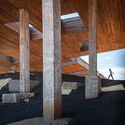
"It's all about attitude and adjusting to the existing circumstances", explains Boonserm Premthada, when asked about his conceptual process. Founder of Bangkok Project Studio, and one of today's most influential Thai figures in architecture, Premthada has been the subject of Bêka & Lemoine's latest documentary, ‘Big Ears Listen With Feet’. The film highlights the personal story of the architect, unveiling all the events and happenings that shaped his unique identity and sensibility. "Deaf from birth", the short movie looks at how the architect's disability led him to listen in a different way, learning from elephants. who "despite their large ears [...] perceive sound mostly through their feet."
ArchDaily had the chance to talk with Boonserm Premthada, during Milan Design Week 2022 at the DAAily bar. Recipient of the Design Prize 2021|22 for social impact curated by designboom, the architect shared insights about his beginnings, his office as well as his creative approach, and his projects.
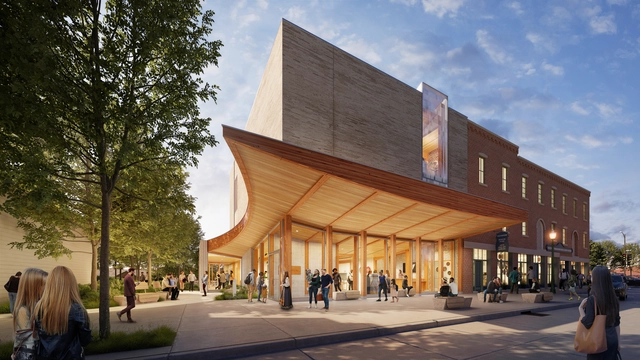
Snøhetta unveiled the design of a new building and landscape design for the Vesterheim campus in Decorah, Iowa. The campus, which also contains the National Norwegian-American Museum and Folk Art School, explores the diversity of American immigration through the lens of the Norwegian-American experience. The new 8,000-square-foot building, known as “the Commons,” is set to become the entry point and main gathering space for the cultural campus. Aside from anchoring the site, the intervention also aims to strengthen the site’s connection to the city. The building is scheduled to be completed in the Summer of 2023.