Cities are inseparable from fast-paced lifestyles. Rising rents and “not-that-small” apartments characterize urban environments, perpetuating the chase for “bigger, faster, and more”. As economies develop and human needs grow, buildings are erected at alarming rates to rush toward progress. The risks of urban living are gradually being exposed, raising questions about more intentionally-driven actions. One way to return to slower lifestyles is by returning to slow architecture.
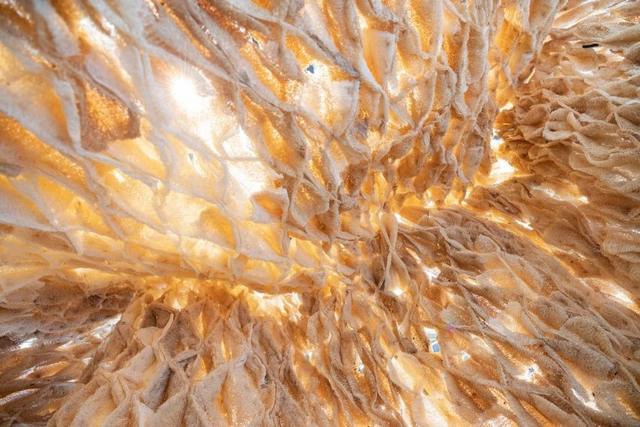
Sodium chloride, most commonly known as salt, is everywhere. Ancient in its uses and abundant in nature, it preserves local ecosystems, de-ices roads, is vital in a variety of industrial processes, and is likely sitting on your kitchen table as a seasoning for your meals. Today, it is attributed relatively little value –considering it used to be as worthy as gold–, and unlike other nature-derived alternatives such as algae or mycelium, there doesn’t seem to be enough research and interest around all of its physical, mechanical or aesthetic properties. And yet it is a material with infinite, extraordinary potential. Apart from its life-supporting qualities, salt is affordable, easily available, antibacterial, resistant to fire, can store humidity and heat, and is great at reflecting and diffusing light.
Architecture has been criticized for being a primary elitist indulgence. Most architectural projects are funded by the wealthy and seen as a means of bringing beauty into the surrounding environment. Architecture, however, is a double-sided coin with functionality balancing out aesthetics. With the ability to strategize radical solutions, architects equally find themselves at the forefront of solving complex issues. The context of Southeast Asia offers a demanding challenge with various social problems, giving architects a chance to save the world with humanitarian design.
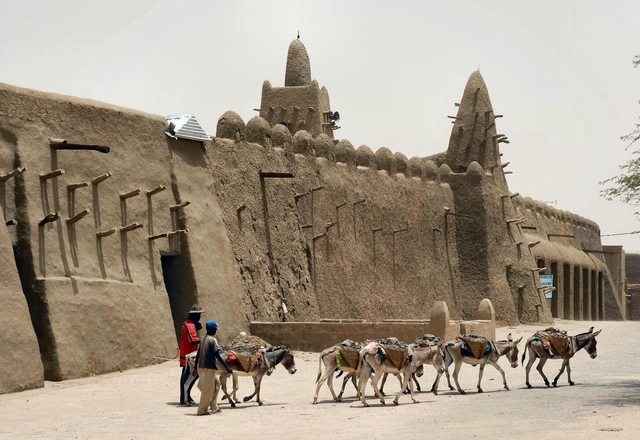
A mud mosque in Mali, West Africa. Image Courtesy of Emilio Labrador
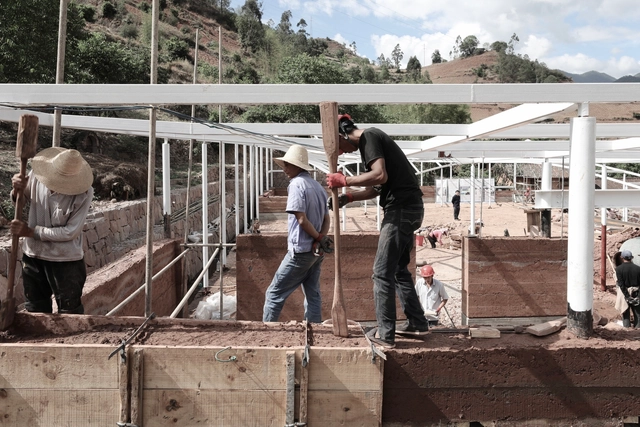
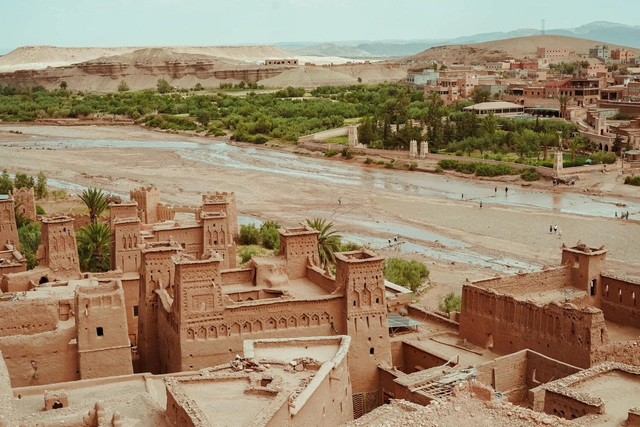
Earth architecture is built on a far-reaching history. Its story continues to be told through aged structures that have stood the test of time. Across the world, indigenous earth construction techniques have been pioneered by many ancient civilizations. Communities originally built shelters from earth - the most readily available material to them - and have passed on their construction techniques through generations. Earth architecture evolved with a careful understanding of land and location. With practices perfected decades ago, it is fascinating to see earth architecture remaining resilient through adversities
The world’s most primitive construction materials are being used to create the most advanced buildings. In light of environmental crises, architects are focusing their efforts in designing better built environments for people and the planet. The results may often seem ‘greenwashed’, failing to address the root of ecological distress. Environmentally responsible architecture must aim not to reverse the effects of the ecological crisis, but instigate a revolution in buildings and how we inhabit them. Essays from the book The Art of Earth Architecture: Past, Present, Future envision a shift that will be a philosophical, moral, technological and political leap into a future of environmental resilience.
Climate change has been one of the most pressing topics of this year, and for a good reason. Its effects are visible not only in natural habitats but also in urban environments. The construction industry has an important role to play in this dynamic. Throughout the year, events such as COP27 emphasized the importance of striving to achieve net carbon zero and the challenges faced by developing countries affected by increasingly devastating natural disasters. Possible directions for development include actions at varying stages and scales, from optimizing green spaces for urban heat control to employing local and innovative building materials to minimize the carbon footprint or passing laws that help create more sustainable urban and natural environments.
This article represents a roundup of articles published on ArchDaily during the course of 2022 with themes related to climate change and architecture’s potential to make a difference. It breaks down the topic into four main questions: What Are Cities Doing to Mitigate Urban Heat? How to Tackle Rising Sea Levels? What Was COP27 and Why Does It Matter? Can Building Materials Play a Role in Achieving These Goals? The last section presents an overview of new legislation approved during 2022 as a way of understanding how state and local governments are imposing this need for change.
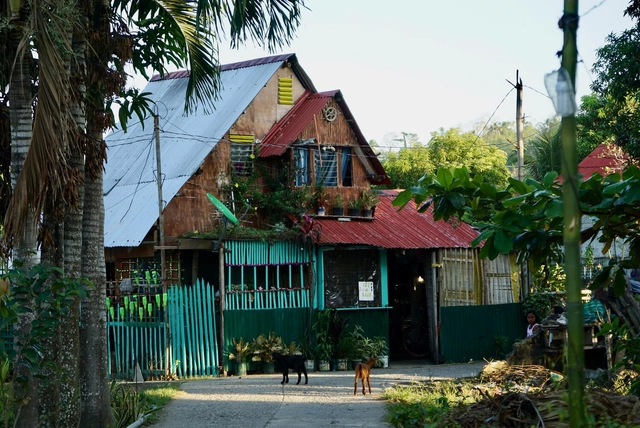
The Philippines' history and cultural background are continually reflected in the architectural landscape throughout the country, with its structures and dwellings harboring a handful of influences from the nations that once purveyed the island.
When we talk about the topic of Filipino architecture and dwellings, more often than not, we may think of the first known Filipino home: Bahay Kubo. The Bahay Kubo is a small hut comprising nipa, bamboo, and other indigenous materials. It is often times that many citizens still choose to adopt this style of habitation, however, over time, the concept of the nipa hut has evolved into a more modern structure.
The construction industry's future will undoubtedly include "carbon reduction" as a mandatory task. Aside from locally sourced, virgin materials, an increasing number of new materials are becoming available. New materials can be developed in several ways, including low-carbon substitution, recycling, performance enhancement, and 3D printing. New materials will not only be more environmentally friendly and enable new construction methods, but they will also influence the starting point and direction of design concepts, resulting in new buildings with new perceptions and spaces.
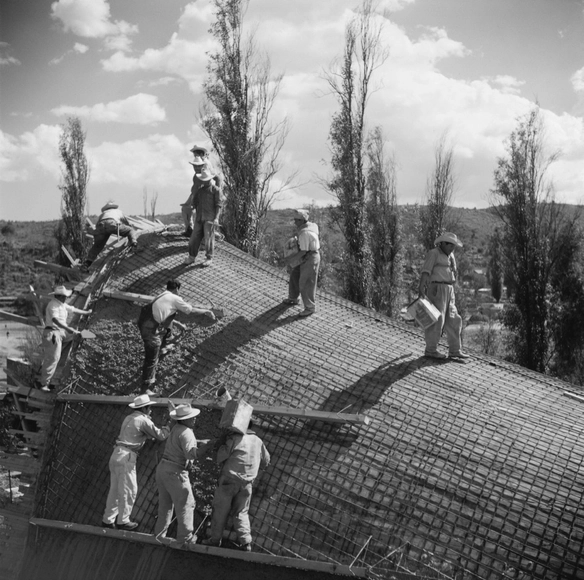
Los Manantiales by Felix Candela. Image Courtesy of Alexander Eisenschmid
Architecture is often an ambitious profession, with many architects hoping to positively contribute to the social life of the communities, create emotional responses, and add moments of delight and solace to our daily experiences. However, market forces have a way of applying constant pressure on this field, often being the deciding factor in many design choices. Costs and economic value are generally a good indicator of how, when, and to what extent certain materials are being used: the standard rule is the cheaper, the better. But materials are only part of the equation. Site labor, management, and design costs are also considered, depicting a complex picture of the balance between the cost of materials and the cost of labor and its effect on the architectural product.
Indians have traditionally lived close to the earth, their cultures shaped by symbiotic relationships with ecosystems. Indian arts and crafts strongly rely on nature for its form, philosophy, and existence. Native landscapes aroused the artistic sensibilities of resident communities, evolving craft practices that met utilitarian and ritualistic needs. The intersectionality of ecology and culture is evident through ancestral forms of craft.
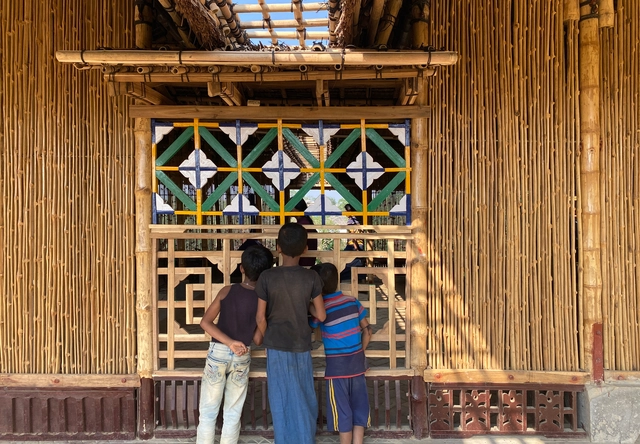
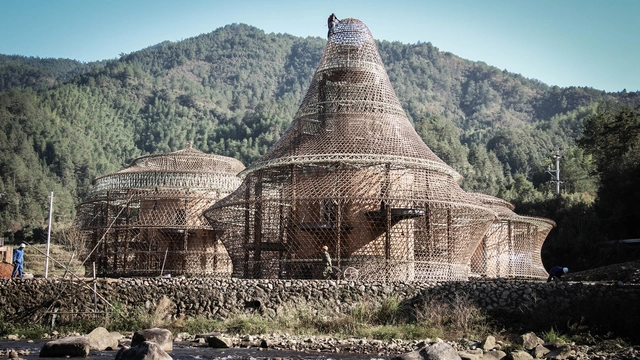
The Filipinos believe that man and woman first emerged from the nodes of a bamboo stalk. The Chinese view the caneas a symbol of their culture and values, reciting “there is no place to live without bamboo”. The plant is a symbol of prosperity in Japan and friendship in India. Along with myths and stories, strong structures made of bamboo flourished in pre-modernAsia. Built forms varied across the changing landscapes of Eastern countries, all sharing one aspect in common - a respect for natural ecosystems.
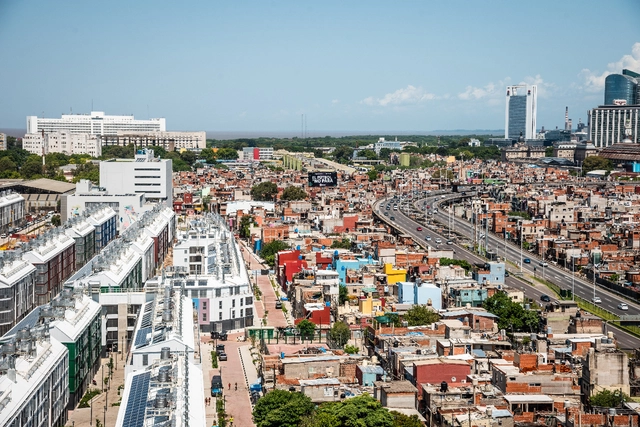
Housing Upcycle Program, Barrio Mugica of Buenos Aires. Image Courtesy of Special Project Unit Barrio Padre Carlos Mugica, Buenos Aires City Government
Organized under six categories: Open Category, Improving Energy Efficiency, Adequate, Safe & Affordable Housing, Participatory, Land-Use Efficient & Inclusive Planning, Access to Green & Public Space, and Utilizing Local Materials, the jurors picked a winner per section, yet were unable to identify an overall winner in the open category and chose instead to recognize six projects as Highly Commended, honoring in total 5 laureates and 15 commendations.
Upon becoming a sovereign country, free from British Rule, the people of India found themselves faced with questions they had never needed to answer before. Coming from different cultures and origins, the citizens began to wonder what post-independence India would stand for. The nation-builders now had the choice to carve out their own future, along with the responsibility to reclaim its identity - but what was India's identity? Was it the temples and huts of the indigenous folk, the lofty palaces of the Mughal era, or the debris of British rule? There began a search for a contemporary Indian sensibility that would carry the collective histories of citizens towards a future of hope.
In these fast-paced and constantly evolving times, architecture has been adapting to new building technologies and complexities to serve today’s world needs. Teams of experts from all areas, architecture, engineering, construction, and a long list of professionals, come together to bring these solutions to our built environment. At ArchDaily we have been highlighting these actors in the architecture we curate and publish every day, but we often come across other types of projects, in which we spot different needs, and ways of building in certain places and communities, that equally require a highly qualified team, specific local techniques, and knowledge that are worth sharing.
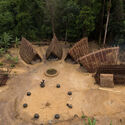
The culturally-significant town of Chiang Mai, northern Thailand, is an area of rich history and religion, preserving traces of walls, moats, and temples from a past that dates back to the 13th century. Between its lush trees and scenic landscapes sits architectural design studioSher Maker's workshop and office, a locally-sourced space that accentuates the process and meaning behind building construction. Their workspace is no different than their portfolio; having an interest in the origins of architectural formations, the context of local materials and technologies, as well as the atmosphere that surrounds the building both physically and atmospherically, the team translated their design approach to create their own working space.
The climate crisis has become a staple of the architecture discourse, with the field slowly acknowledging its contribution to environmental issues and seeking to reframe its values and approaches. However, there is an evident lack of commitment and consistency in addressing the matter and an absence of systemic change. Emerging practices, organizations and startups are carving a new architecture practice, slowly unfolding a paradigm shift beyond "green" add-ons and technical equipment. Addressing environmental issues on multiple levels, from policy and design strategies to materials and construction processes, the following are some of the actors reframing the profession's relationship with sustainability.
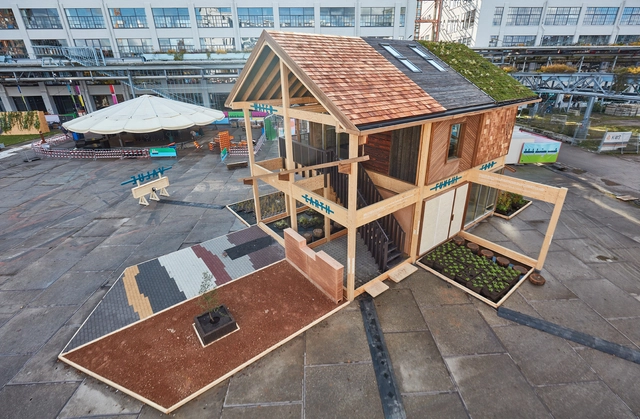
Vernacular techniques and local materials are becoming more and more relevant in architecture, but is it possible to bring these concepts to large urban areas?
In 1984, the Amazonian architect Severiano Porto had already pointed out the need to make architecture more connected to its location. Using local materials and techniques is becoming more important each day, considering the impacts of the commodity chain of building construction on the planet. Not surprisingly, the number of projects that use this approach is growing every day, as Severiano has already mentioned in his work since the 1980s.
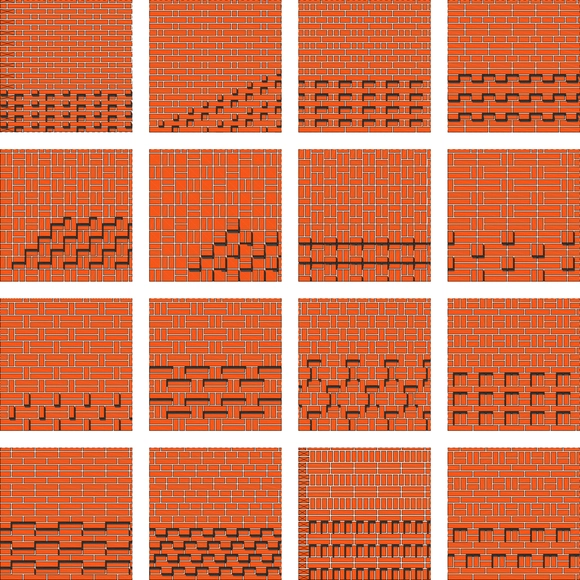
"Welcome to this strange book. With all the drawings, it might appear like a manual, but it isn't. The book is as much about joints as it is about pieces. Above all, it seeks the order that is inherent in things". These words are part of the introduction to Koen Mulder's book, "The lively surface: Masonry associations as a pattern art and tool of composition". Available in German, the 160-page manual, rigorously illustrated, presents a universe of possible pattern variations that can be created when you start designing.
We interviewed Koen to find out what inspired him to talk about this topic and to understand how he managed to gather all this information, while also figuring out the impact that this type of study can have on architecture students and architects.


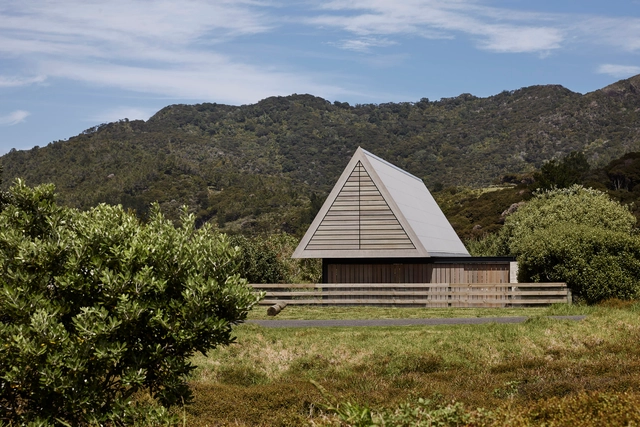


























.jpg?1656364895 "Co-creation of Urban Spaces by the Nobogonga River. Image Courtesy of Co.Creation.Architects, Jhenaidah Citywide People's Network, Platform of Community Action and Architecture (POCAA), Community Architects Network (CAN)")




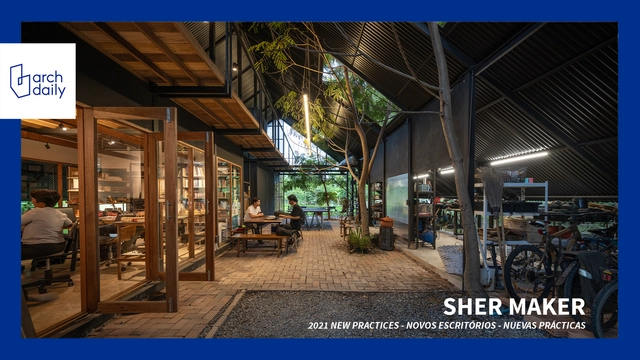

.jpg?1646659724 "Courtesy of Sher Maker")