
-
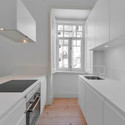
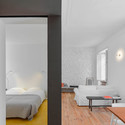
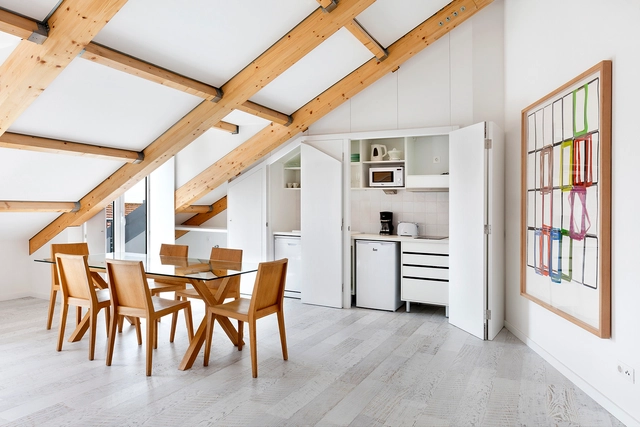
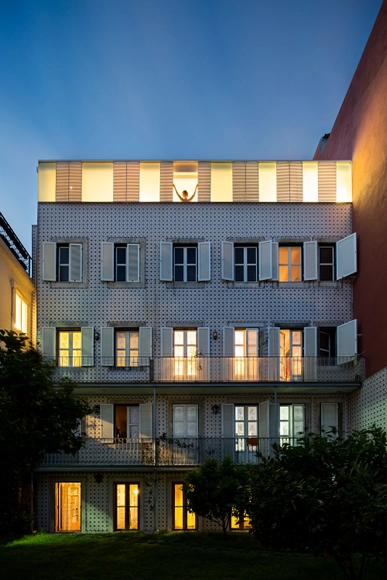
Architects: ColectivArquitectura
- Area: 307 m²
- Year: 2014
-
Professionals: Construções N. M. Borges Lda, Socorte, S.A. | construção de casas em madeira
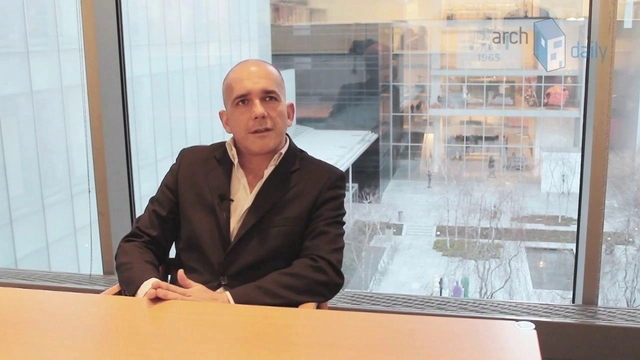
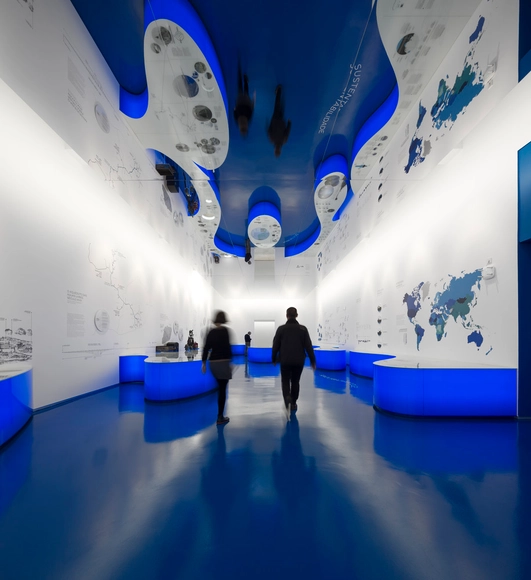
After serving as curator for the past three years at the Museum of Modern Art (MoMA) in New York, Portuguese architect Pedro Gadanho will be leaving his position to become the first artist director of the new Museum of Art, Architecture and Technology (MAAT) in Lisbon. Scheduled to open in the fall of 2016, the new MAAT museum will be responsible for the EDP Foundation's cultural program.
"Pedro Gadanho’s profile and international experience are essential to our ambitions for MAAT, making it a distinctive space of contemporary culture in Portugal", says António Mexia, CEO of EDP. Pedro Gadanho adds that "MAAT will be a cultural institution of the quality and breadth seen in major European cities, offering an exciting contemporary program at the intersection of art, architecture and technology."

.jpg?1435728512&format=webp&width=640&height=580)
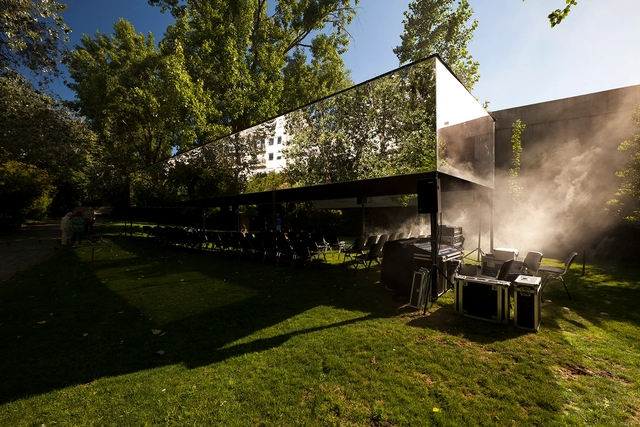

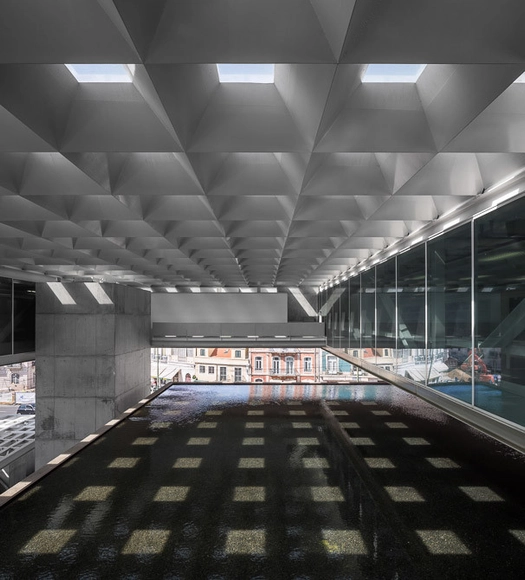

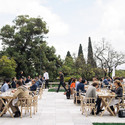
Monocle, a briefing on global affairs, business, culture and design, was founded by in 2007 by Tyler Brûlé, the former Editor-in-Chief of Wallpaper*. With over thirty correspondents working around the world, the magazine also has local bureaux in Tokyo, New York City, Hong Kong, Zürich, Toronto, Istanbul and Singapore. This month saw the publication host their inaugural international conference, centering on the enduring theme that has preoccupied the magazine since launch: Quality of Life.
Set against the backdrop of Portugal's capital, Lisbon, the event was hosted by Brûlé alongside editors Andrew Tuck, Robert Bound, Sophie Grove and Steve Bloomfield. The opinions of twenty-three internationally renowned speakers―including Martin Roth (Director of London's Victoria & Albert Museum), Taco Dibbits (of Amsterdam's Rijksmuseum) and Brazilian architect Isay Weinfeld, alongside the Mayors of Oslo and Porto―were keenly listened to by 160 delegates who had traveled from across the world. The points for discussion allowed for a breadth of discourse that spanned housing and urbanism, to explorations of the 'high street' and the significance of the museum in the contemporary city. The thematic scope of these conversations made them accessible, inspirational and, more importantly, both relevant and widely applicable.


With Lisbon now bouncing back from the 2008 recession, its estimated 12,000 buildings in decay offer plenty of opportunities to bring the city's buildings more in line with its new economic structure. In this article, originally published by Curbed as "What Could Be Next for a Noted Lisbon Modernist Relic?" Lisbon's Subvert Studio presents a speculative proposal for one of the city's most notable - and visible - modernist ruins.
Views from the balcony of what was once the Panoramic Restaurant of Monsanto show a band of green treetops, a stretch of white cityscape that spans Lisbon's old and new quarters, and a glimmering slice of the Tagus river beyond, mouthing toward the Atlantic. Bracketing the view is blue: a blue sky above, and below, a blue smash of broken glass, reflecting and refracting the sky's color. Wherever there is a vista at the Panoramic Restaurant of Monsanto, wherever there are windows—and the view is the focal point of the space—there is broken glass.
Last used as a club at the top of a 2,400-acre city park, the modernist structure has slipped ever further into riotous abandon since the mid-1990s. Windows have collapsed, graffiti long ago joined the reliefs by Portuguese ceramic muralist Querubim Lapa on the walls and the stained glass sculpture at the entry, chunks of ceiling have tumbled to the ground. And in recent months, a discussion has emerged: what to do with this city-owned modernist relic, which some estimate will require 20 million Euros to fix?

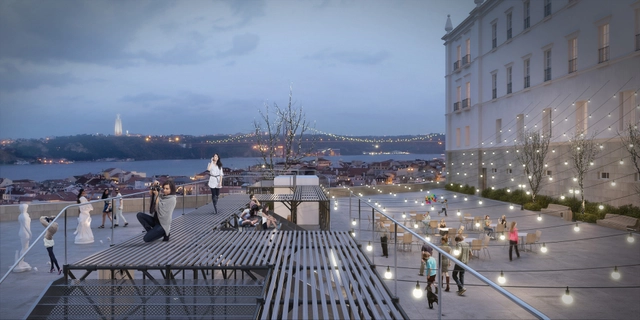
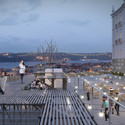
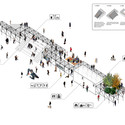
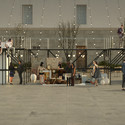
Recent graduates Bumjin Kim of MIT and Minyoung Kim of Columbia University have won first place in ARCHmedium's Lisbon Open Room competition for their project "Urban Platform".
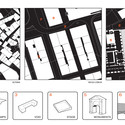
One of 67 teams to enter the competition's "Young Architects" category, the team developed a modular urban intervention for Lisbon, Portugal, with the intention of "[providing] a more flexible space" for the city's urban centre. Learn more about the winning project and view selected images after the break.
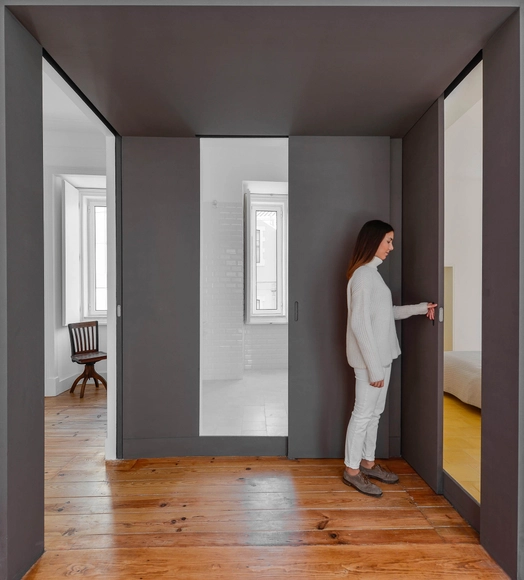

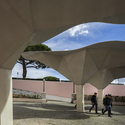
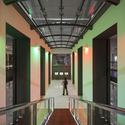
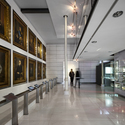

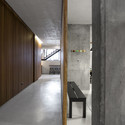
.jpg?1435728623 "Courtesy of Rui Cruz, UMA Collective")
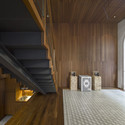
.jpg?1435728695 "Courtesy of Rui Cruz, UMA Collective")
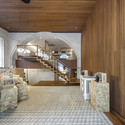
.jpg?1435728588 "Courtesy of Rui Cruz, UMA Collective")
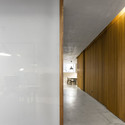
.jpg?1435728682 "Courtesy of Rui Cruz, UMA Collective")
.jpg?1435728512)