

-
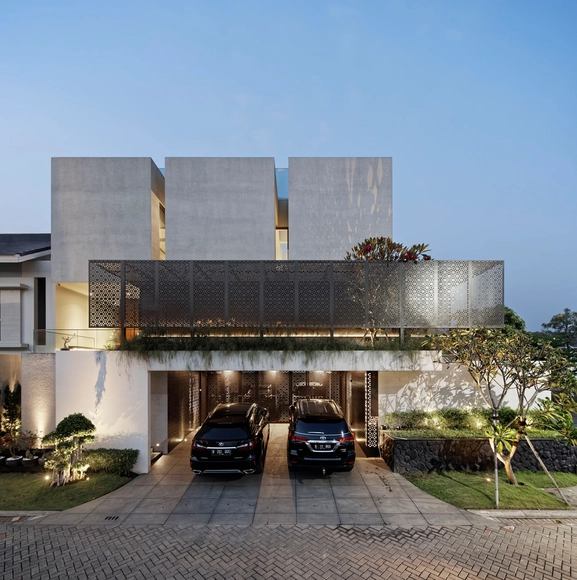
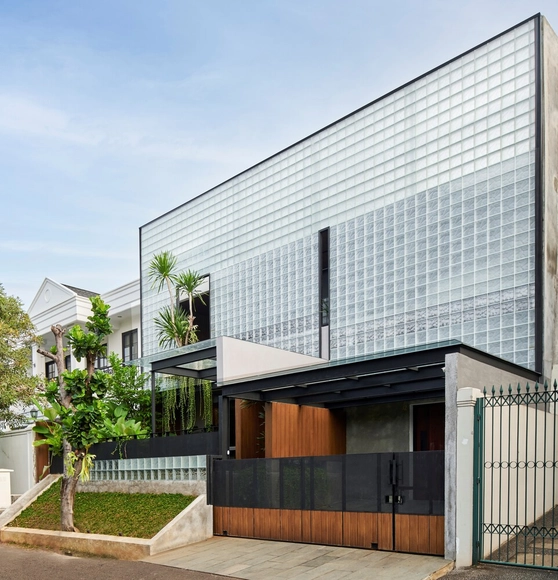
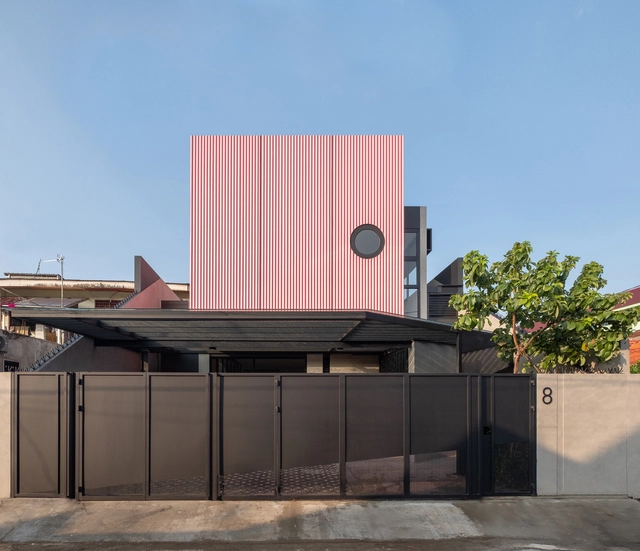
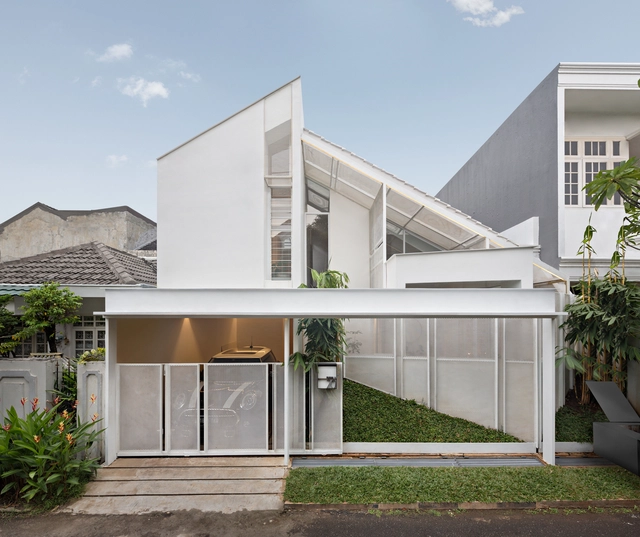
Architects: Hadivincent Architects
- Area: 380 m²
- Year: 2021
-
Manufacturers: ETHNICRAFT, Beranda, Corian, Dows, Dulux, +5



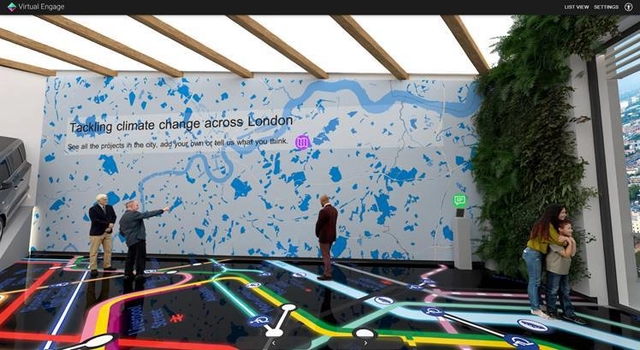
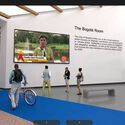
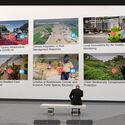
This week, the C40 global network of cities and engineering and sustainability firm Arup launched a virtual exhibition showcasing examples of climate initiatives and resiliency strategies from 11 cities committed to addressing climate change. Given that cities account for more than 70% of global carbon emissions, the Global Cities Climate Action Exhibition aims to highlight the role of cities in reaching climate targets through local policies and urban development plans, achieving tangible emission reductions and increasing social equity.


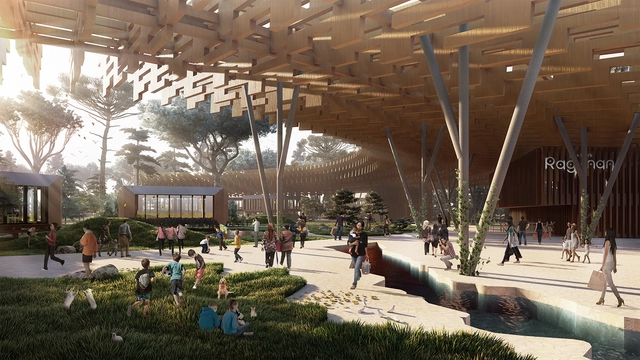
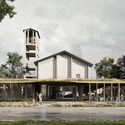
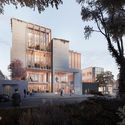
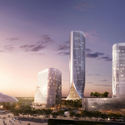
Focusing on competition entries, this week’s curated selection of the best-unbuilt architecture draws from proposals submitted by the ArchDaily Community to highlight award-winning design across the globe. Made for diverse programming, the entries each explore how to build upon the identity of local sites to win their respective competition. Together, they showcase contemporary formal, spatial and conceptual approaches.
The award-winning entries include a range of different projects: a mixed-use redevelopment proposal for a post war suburb of Antwerp, a high-rise on the site of a historic former Police HQ building in downtown Frankfurt, a leafy urban heat island proposal in Abu Dhabi, and a ‘Ireland House’ in Tokyo, which will bring diplomats and state agency personnel together under one roof. These are but a few of the best unbuilt architecture this week.
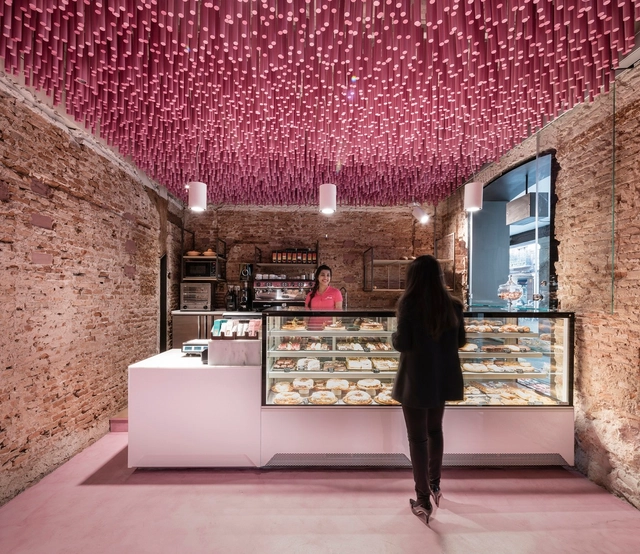
Few architectural typologies are as timeless as bakeries. A practice spanning thousands of years, the art of baking has diverse roots. Today, bakeries combine areas to gather, socialize, shop, and work. While industrialization and commercialization transformed the art of baking and baked goods, bakeries remain important community spaces for gathering and defining neighborhood identity.
.jpg?1609405586&format=webp&width=640&height=580)

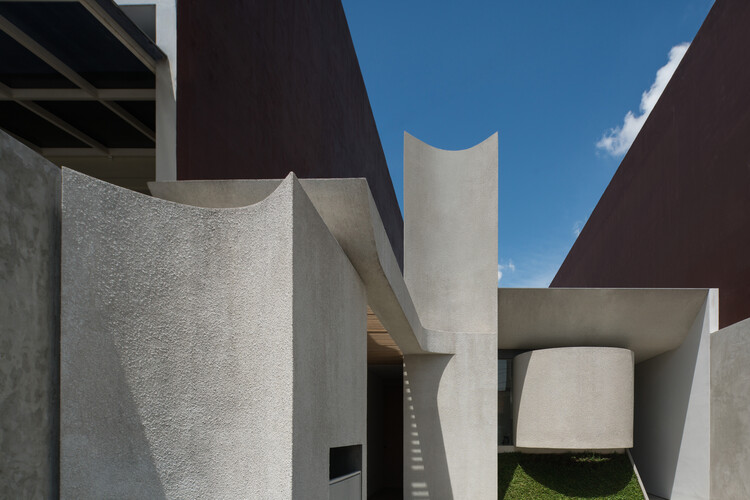














.jpg?1609405608 "© Mario Wibowo")
.jpg?1609405703 "© Mario Wibowo")
.jpg?1609405632 "© Mario Wibowo")
.jpg?1609405583 "© Mario Wibowo")
.jpg?1609405586)