



-
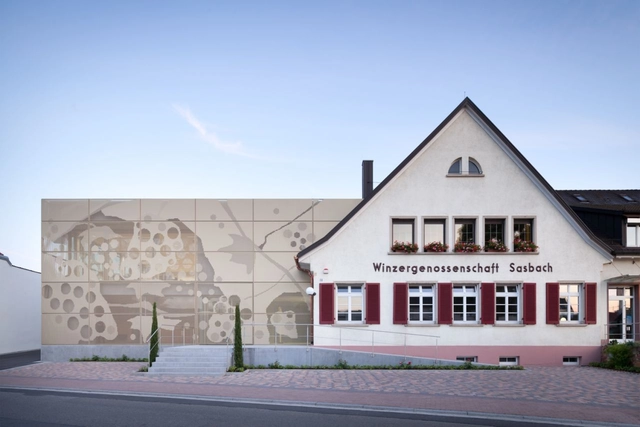
Architects: Amann|Burdenski|Munkel Architekten
- Area: 1400 m²
- Year: 2013
-
Professionals: W. Greiner, Breisach-Oberrimsingen, BRM Consulting, H. P. Henninger, Königsschaffhausen
.jpg?1377288300&format=webp&width=640&height=580)

We've recently covered the topic of prison design on a number of occasions - more specifically the work of Architects, Designers and Planners for Social Responsibility, led by Raphael Sperry. ADPSR is campaigning to have the AIA forbid its members from designing prisons; however, we have previously questioned the effectiveness of this tactic, with other professionals, such as engineers, often willing to design prisons in the absence of architects. In another article on the topic, we suggested that the problem lies not with the ethics of architects, but with the US prison system itself.
This raised the question of how architects might actually change the system - are we stuck with the political landscape we are given, or are we capable of leveraging our expertise to make positive changes to society?
It turns out that Deanna VanBuren of FOURM Design Studio is doing exactly that. Through her designs, as well as workshops and events with the public and with prisoners, VanBuren is championing restorative justice: a form of incarceration centered around rehabilitation rather than punishment. We interviewed VanBuren to find out how she is encouraging people to accept restorative justice above punishment.
Read on after the break for the full interview.


.jpg?1375922071&format=webp&width=640&height=580)
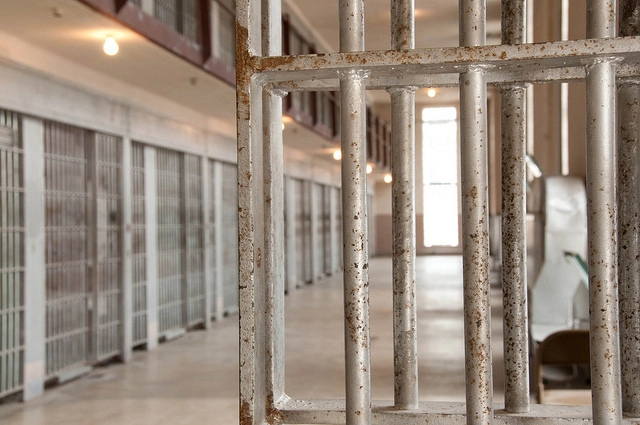
A video game in which you can design your own high-security prison (execution chambers and all) prompts CC Sullivan, in a thoughtful post on Smart Planet, to discuss the implications of architects designing prisons. You can read the full article here, and read ArchDaily's previous coverage on this issue, "The Architecture of Incarceration," here.
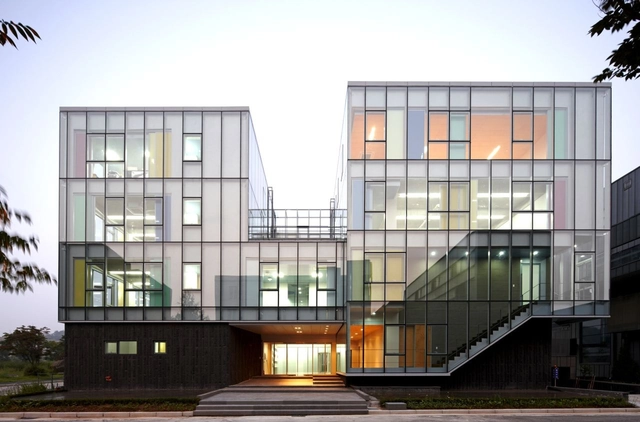

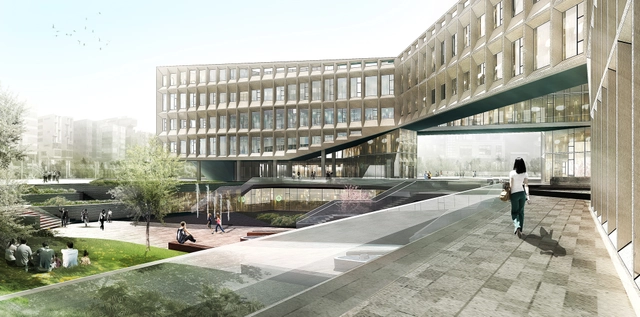
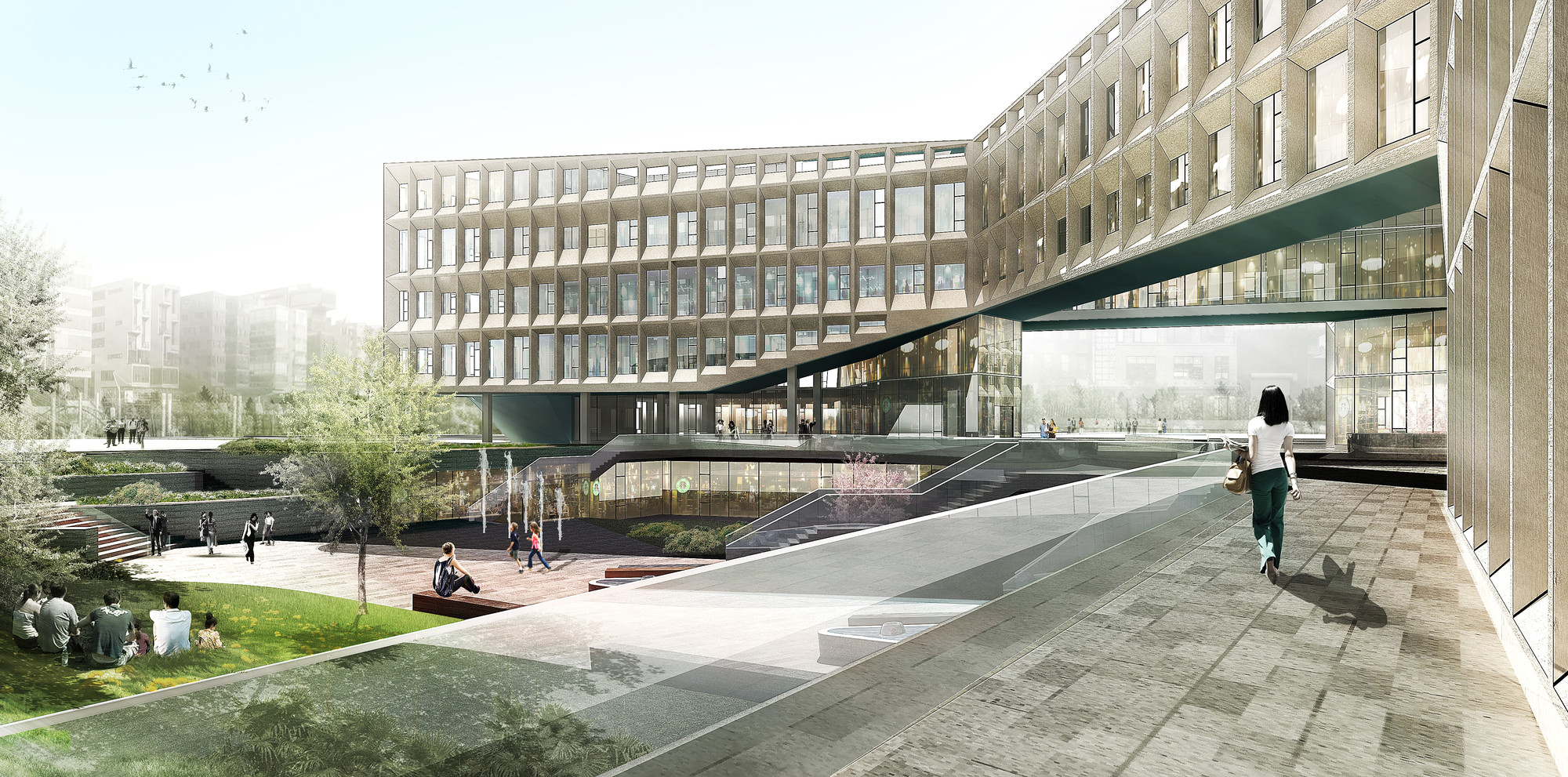
LYCS Architecture has shared drawings and renderings for their Shanghai Hongqiao CBD Office Headquarters Building, which broke ground this month. Situated in a rapidly developing part of western Shanghai and at the center of a transportation hub, the project is scheduled to be completed in 2014.
.jpg?1377911854&format=webp&width=640&height=580)
.jpg?1377911871 "© Tim Soar")
.jpg?1377912076 "© Tim Soar")
.jpg?1377911737 "© Tim Soar")
.jpg?1377911854 "© Tim Soar")
.jpg?1377911854)





.jpg?1377289043 "© Atelier Arcau")
.jpg?1377288548 "© Atelier Arcau")
.jpg?1377288311 "© Atelier Arcau")
.jpg?1377288468 "© Atelier Arcau")
.jpg?1377288300)















.jpg?1375921952 "© Peter Cook")
.jpg?1375921924 "© Morley von Sternberg")
.jpg?1375921956 "© Morley von Sternberg")
.jpg?1375922004 "© Peter Cook")
.jpg?1375922071)
.jpg?1375738052 "© Patrick Miara")
.jpg?1375738161 "© Patrick Miara")
.jpg?1375738232 "© Patrick Miara")
.jpg?1375738251 "© Patrick Miara")